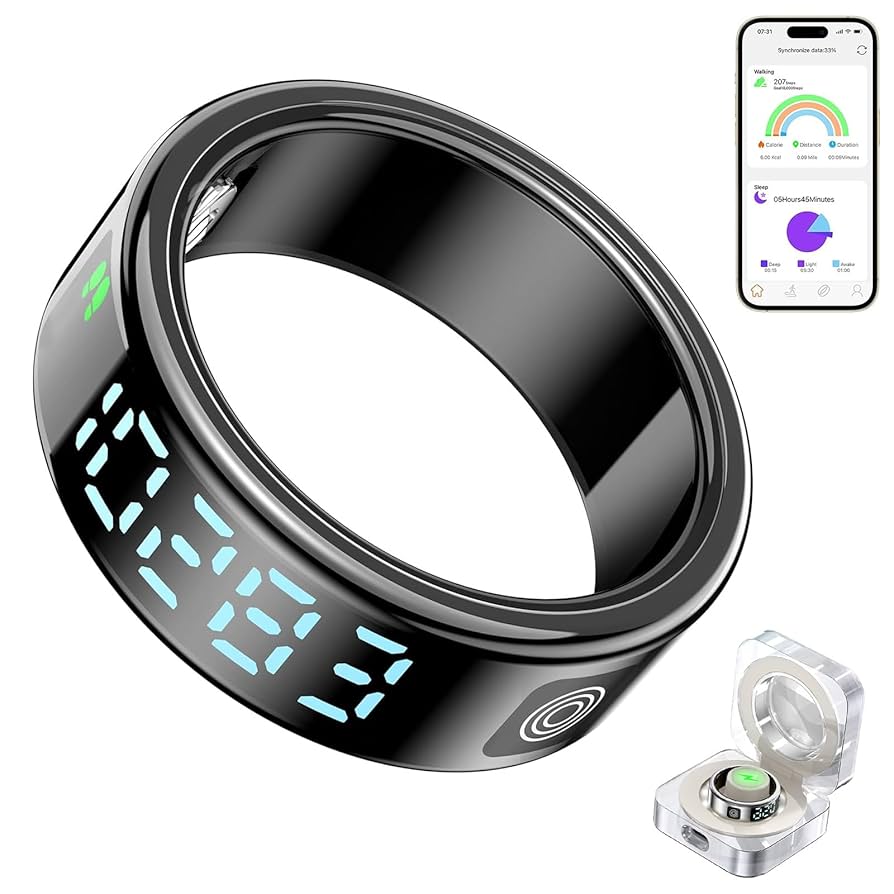
Are you wondering if your smart ring can handle a splash or even a full dunk? Whether you’re washing your hands, caught in the rain, or planning to wear it during a workout, knowing if your smart ring is waterproof is crucial.
You don’t want to risk damaging a device that tracks your health, notifications, and more. You’ll discover exactly how waterproof smart rings are, what to watch out for, and how to protect your investment. Keep reading to make sure your smart ring stays safe no matter where life takes you.

Credit: www.amazon.com
Water Resistance Vs Waterproof
Understanding the difference between water resistance and waterproof is crucial when choosing a smart ring. These terms describe how well a device can handle exposure to water. Knowing what each means helps you protect your smart ring better.
Key Differences
Water resistance means the device can handle small amounts of water. It can resist splashes, sweat, or rain but not full immersion. Waterproof means the device can stay underwater for a certain time without damage. The level of protection depends on the device’s rating.
- Water Resistant:Can survive light water exposure like hand washing or rain.
- Waterproof:Can be submerged in water, usually up to specific depths and times.
Common Terminology
Manufacturers use specific codes to show water protection. The most common system is the IP rating.
| Term | Meaning | Example |
|---|---|---|
| IPX4 | Water resistant against splashes | Can handle rain or sweat |
| IP68 | Waterproof up to 1.5m for 30 mins | Safe for swimming or showering |
Knowing these terms helps set the right expectations for your smart ring’s water protection.

Credit: www.amazon.com
Smart Ring Materials And Water Exposure
Understanding the materials used in smart rings is key to knowing how they handle water exposure. Not all smart rings are built the same, and the durability against water depends heavily on what they are made of. Let’s break down which materials stand strong against water and which parts need extra care.
Durable Materials
Many smart rings use materials like titanium, stainless steel, and ceramic. These are naturally resistant to water and scratches, making them good choices if you want a ring that can handle daily wear, including occasional water contact.
Silicone bands or coatings add another layer of protection, especially around sensitive areas. These materials repel water well and don’t degrade quickly, helping your ring last longer through sweat, rain, or washing hands.
Have you ever worn a ring that felt heavy and tough? That’s often titanium or stainless steel, and it’s precisely this strength that helps protect the electronics inside from water damage.
Vulnerable Components
Despite tough exteriors, smart rings contain delicate sensors and batteries inside. These parts are sensitive to moisture, and if water seeps through weak seals, it can cause permanent damage.
Charging ports and buttons are common weak spots. Even a small gap can let water inside, so manufacturers often add rubber gaskets or use waterproof coatings here.
Ask yourself: how often do you expose your ring to water? If you swim or shower frequently, you should check if the ring has an IP rating (Ingress Protection) to know how well it handles water exposure.
Waterproof Ratings Explained
Understanding waterproof ratings helps know how smart rings handle water exposure. These ratings show protection levels against dust and water. They guide users on safe use in wet conditions. Two main rating types appear on smart ring labels: IP and ATM.
Ip Ratings
IP stands for Ingress Protection. It measures resistance to solids and liquids. The rating has two numbers:
- The first number shows protection from dust.
- The second number shows water resistance.
For example, IP68 means full dust protection and water resistance over 1 meter depth. Higher numbers mean better protection. Many smart rings use IP ratings to describe water safety.
Atm Ratings
ATM ratings indicate water pressure resistance. One ATM equals the pressure at 10 meters underwater. Ratings like 3 ATM or 5 ATM show how deep a ring can go.
- 3 ATM means safe for splashes and rain.
- 5 ATM allows swimming and showering.
- 10 ATM suits snorkeling and surface water sports.
This rating helps understand water depth limits for daily activities. Smart rings with ATM ratings guide users on water use without damage.
How Waterproof Are Popular Smart Rings?
Smart rings are becoming essential gadgets for many people, but one common concern is their durability around water. Knowing how waterproof these devices are helps you decide if you can wear them while washing hands, swimming, or even in the rain. Let’s look at how popular smart rings stand up to water exposure and what real users have experienced.
Brand Comparisons
Different brands rate their smart rings with varying waterproof standards, usually indicated by IP (Ingress Protection) or ATM (atmospheres) ratings. For example:
- Oura Ring:Rated IP68, it can handle continuous submersion in up to 1.5 meters of water for 30 minutes. This makes it safe for showering and swimming in shallow water.
- Motiv Ring:Rated IP68 as well, but designed mainly to resist sweat and splashes rather than long-term underwater use.
- McLear Ring:Rated 5 ATM, which means it can withstand pressures equivalent to a depth of 50 meters, suitable for swimming and snorkeling.
These differences mean some rings are built for active water use while others only resist accidental water contact. Check the manufacturer’s details closely before testing your ring in water.
User Experiences
Many users share their stories online, revealing how their smart rings perform in real-life situations. One user mentioned wearing their Oura Ring daily, including in the shower, without any damage after six months.
Another user reported their Motiv Ring stopped tracking properly after exposure to water during intense workouts, suggesting it handles sweat better than full immersion.
Then there are those who pushed their McLear Rings into swimming pools regularly and found no issues, confirming the higher ATM rating’s reliability.
Have you ever tested your smart ring’s waterproof limits? Sharing your experience might help others avoid costly mistakes.
Tips For Protecting Your Smart Ring
Protecting your smart ring extends its life and keeps it working well. Smart rings face daily wear and tear, so simple care steps help avoid damage. Follow these tips to keep your device safe from water, dirt, and scratches. Proper handling ensures your smart ring stays reliable and looks good for longer.
Daily Use Precautions
- Remove the ring before swimming or showering.
- Avoid wearing it during heavy physical work.
- Keep the ring away from harsh chemicals and cleaning agents.
- Do not expose it to extreme temperatures.
- Handle the ring gently when putting it on or taking it off.
Maintenance Advice
- Clean the ring regularly with a soft, damp cloth.
- Use mild soap if needed, then dry thoroughly.
- Check for any signs of wear or damage often.
- Store the ring in a safe, dry place when not worn.
- Charge the ring according to the manufacturer’s instructions.

Credit: www.amazon.com
What To Do If Your Smart Ring Gets Wet
Smart rings are designed to be durable, but water exposure can still cause problems. Knowing the right actions to take after your smart ring gets wet can save it from damage. Quick and careful steps help protect your device and extend its life.
Immediate Steps
- Remove the ring from your finger right away.
- Gently wipe off any visible water with a soft cloth.
- Avoid shaking or blowing into the ring to remove moisture.
- Place the ring in a dry, warm area to air dry.
- Do not use a hairdryer or any heat source directly on the ring.
- Keep the ring away from sunlight and extreme heat.
- Allow at least 24 hours for the ring to dry completely.
When To Seek Professional Help
- Check if the ring is still working after drying.
- Look for signs of malfunction, such as unresponsive sensors.
- Contact the manufacturer’s customer support for advice.
- Visit a certified repair center if the ring shows damage.
- Do not open the ring yourself to avoid voiding warranty.
- Professional help is important for internal water damage.
- Act quickly to prevent further issues with the ring.
Frequently Asked Questions
Are Smart Rings Waterproof Or Water-resistant?
Most smart rings are water-resistant but not fully waterproof. They can handle splashes and rain but not submersion. Always check the manufacturer’s specifications for water resistance ratings. This ensures you know the limits. Avoid wearing them while swimming or showering for safety.
Can I Swim With A Smart Ring?
Swimming with a smart ring is generally not recommended. Most smart rings are designed to be water-resistant, not waterproof. They can handle minor water exposure but not prolonged submersion. Check the specific model’s water resistance rating before any water-related activities to avoid damage.
What Happens If A Smart Ring Gets Wet?
If a smart ring gets wet, it should be fine if it’s water-resistant. However, prolonged exposure to water can damage it. Dry it immediately with a soft cloth. Avoid exposing it to soapy water, hot water, or chemicals, which may compromise its functionality.
How Do I Dry A Wet Smart Ring?
To dry a wet smart ring, gently wipe it with a soft, dry cloth. Avoid using heat sources like hair dryers, which can damage internal components. Ensure all water is removed from any crevices. Let it air dry completely before wearing it again.
Conclusion
Smart rings often offer some water resistance but are not fully waterproof. They can handle sweat, rain, or brief splashes. Avoid wearing them while swimming or showering to protect their electronics. Always check the product’s water rating before use. Taking simple care helps your smart ring last longer.
Small steps keep your device safe and working well. Choose wisely, and enjoy your smart ring every day.