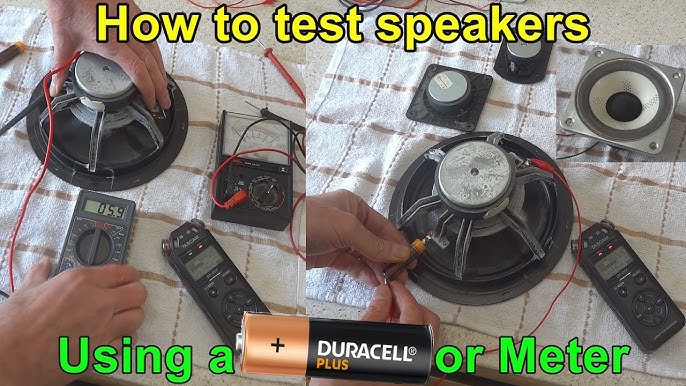
You’ve been enjoying your favorite tunes during drives, but lately, something seems off. Maybe the bass isn’t as punchy or the vocals sound distant.
If you’re wondering whether one of your car speakers has given up, you’re in the right place. Identifying dead speakers can be tricky, but with the right approach, you can pinpoint the problem without breaking a sweat—or the bank. Imagine cruising down the highway with crystal-clear sound once more; it’s possible, and it starts here.
Stick around to discover simple, effective ways to test your car speakers and bring your audio system back to life.
Credit: www.reddit.com
Signs Of Speaker Failure
Car speakers can fail due to distorted sound, crackling noises, or complete silence. Testing involves checking connections and playing audio through each speaker to identify non-functioning units. Use a multimeter to measure speaker resistance and ensure proper power flow.
Experiencing issues with your car speakers can be frustrating, especially when you’re cruising down the highway with your favorite playlist. Knowing the signs of speaker failure can save you time and money. It can also help you address problems before they escalate. Understanding these signs allows you to determine whether a simple fix is needed or if it’s time for a replacement.
Distorted Sound
Distortion in your car speakers is one of the most noticeable signs of speaker failure. You might notice a crackling or buzzing sound, especially when you turn up the volume. This could be due to a damaged speaker cone or a problem with the speaker’s wiring. Imagine planning a road trip and turning up your favorite podcast, only to hear garbled voices. It’s a clear indication something is wrong. Address this early to avoid further damage or an uncomfortable listening experience.
No Sound Output
Silence from your speakers can be unsettling. If you’re not hearing any sound, it’s essential to check whether the issue is with the speakers or elsewhere. First, verify that your audio system is turned on and the volume is up. A friend once spent hours troubleshooting his car audio, only to find the mute button accidentally activated. Ensure all connections are secure and test with different audio sources. If everything checks out and there’s still silence, your speakers may have completely failed.
Intermittent Audio
Intermittent audio is another common sign of speaker trouble. The sound may cut in and out, or only work when you drive over bumps. This can be caused by loose wiring or a damaged speaker coil. Picture this: you’re in the middle of an audiobook, and the sound keeps dropping out during crucial plot points. Not only is it annoying, but it can also signal a more serious issue. Regular checks of your audio connections can help you catch this early. Consider asking yourself: is your audio experience what it should be? If you notice any of these signs, it’s time to take action and restore your car’s audio glory. Whether it’s a quick fix or a sign to upgrade, addressing speaker failure promptly can enhance every drive.
Preliminary Checks
Testing car speakers involves some basic steps. Begin with preliminary checks. This ensures you don’t miss simple issues. Often, problems arise from overlooked basics. Start by inspecting connections and checking audio settings.
Inspecting Connections
Loose connections can cause speaker failure. First, turn off the car’s power. Carefully disconnect the speaker wires. Inspect for any visible damage or corrosion. Ensure wires are securely attached to the speaker and stereo. Reconnect them tightly. This simple step often solves the issue.
Checking Audio Settings
Incorrect audio settings can affect speaker performance. Access the car stereo’s menu. Check the balance and fader settings. Ensure they are centered. Adjust the bass, treble, and volume controls. Make sure they are not set too low. Test the speakers again. Proper settings often resolve sound issues.
Testing Tools And Equipment
Testing car speakers involves simple steps using basic equipment. Use a multimeter to check the speaker’s resistance; if it reads zero or infinite, the speaker may be dead. Listening for sound distortion can also indicate faulty speakers.
Testing your car speakers can seem daunting, especially when they suddenly stop working. Fortunately, with the right tools and equipment, you can easily identify which speakers are dead. This section will guide you through some essential testing tools and equipment that can make this process straightforward and effective.
Multimeter Usage
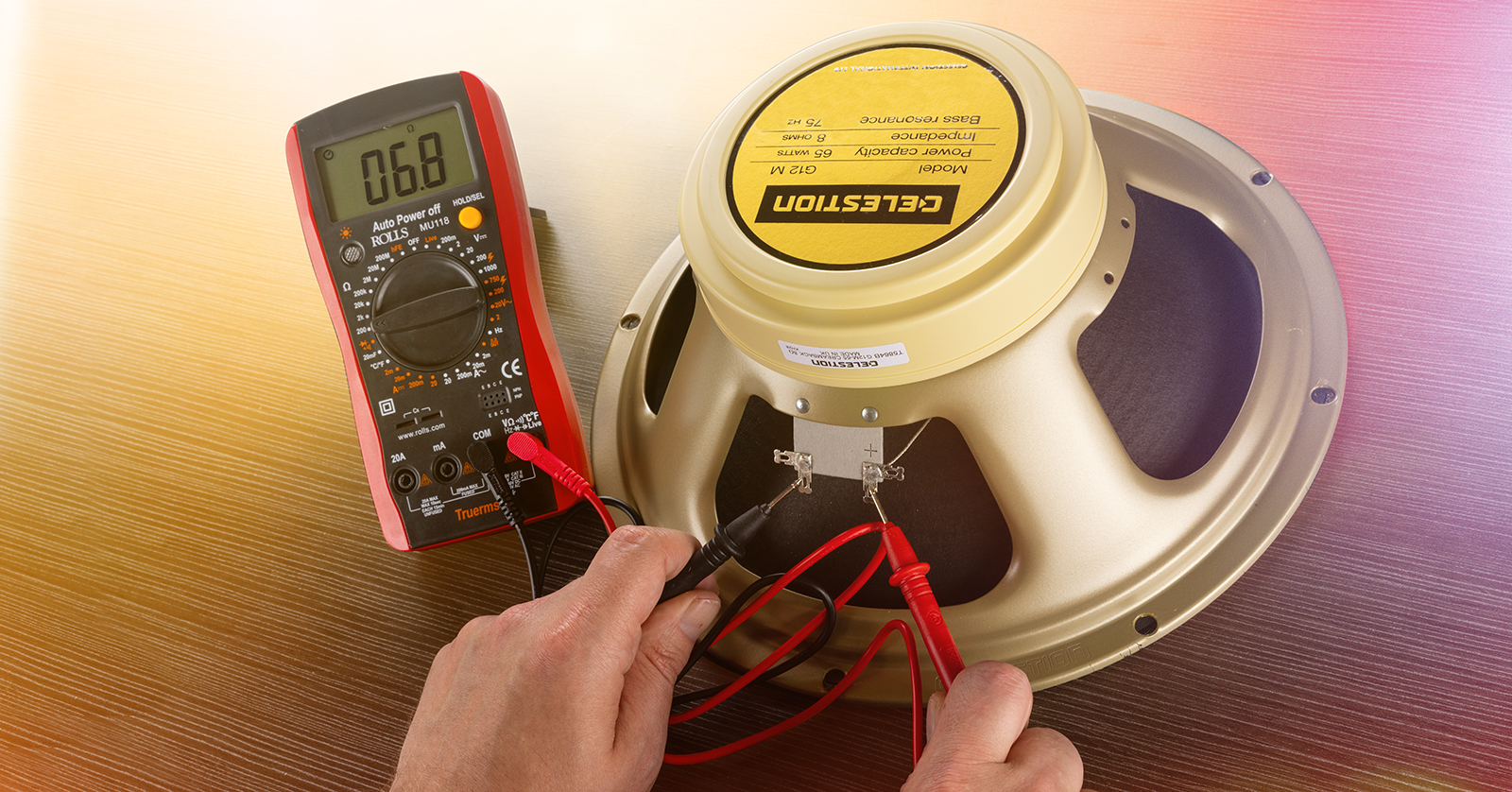
A multimeter is a versatile tool used to measure electrical values such as voltage, current, and resistance. If your car speakers aren’t producing sound, a multimeter can help you determine if they’re truly dead. To use a multimeter, first ensure it’s set to measure resistance, typically denoted by the Ω symbol. Connect the multimeter probes to the speaker terminals. A reading of zero or infinite resistance indicates a dead speaker. I remember the first time I used a multimeter; it felt like a revelation. It was simple yet powerful, helping me pinpoint a faulty speaker that I otherwise would have missed. Are you comfortable using a multimeter, or does it seem intimidating?
Speaker Testing App
Did you know your smartphone could be a tool for testing speakers? Various apps are designed specifically for this purpose. They send signals to your speakers and analyze the output, identifying issues you might not notice otherwise. These apps offer convenience. You can test speakers without additional equipment. Simply download a reliable app and follow the instructions to check your car speakers’ health. Using a speaker testing app could be a game-changer for those who prefer digital solutions. Plus, it’s a handy tool to have on the go. Have you tried using technology to solve your car speaker issues? With these tools, you can confidently test your car speakers and ensure your audio system is in top shape. Whether you prefer traditional methods or embrace digital solutions, there’s a tool for you.

Credit: en.wikipedia.org
Step-by-step Testing Process
Testing car speakers can seem tricky. But it’s straightforward with the right steps. This guide will walk you through each step. Follow these instructions to determine if your car speakers are dead. You’ll need a few tools and a keen ear.
Start with isolating the speaker. Then conduct a resistance test. Finally, perform an audio test. These methods ensure accurate results.
Isolating The Speaker
First, isolate the speaker. Disconnect it from the car’s audio system. This prevents interference from other components. You need to test each speaker individually. Access the speaker by removing its cover or panel. Ensure all connections are visible and accessible.
Conducting Resistance Test
Next, conduct a resistance test. Use a multimeter for this process. Set the multimeter to the resistance setting. Connect the probes to the speaker terminals. A healthy speaker shows resistance between 3 to 8 ohms. Zero or infinite readings indicate a problem.
Performing Audio Test
Finally, perform an audio test. Reconnect the speaker to the audio system. Play music or a test tone. Listen for sound clarity and volume. Distorted or low sound suggests speaker issues. Check all connections if sound is missing.
Troubleshooting Common Issues
Speakers can sometimes fail due to various issues. Troubleshooting can be difficult without proper knowledge. Knowing common problems helps identify solutions faster. This section focuses on typical issues with car speakers.
Wiring Problems
Faulty wiring often causes speaker failure. Check the connections for loose or damaged wires. Inspect each wire for visible signs of wear. Ensure wires are securely attached to the speaker terminals. Use a multimeter to test for continuity. This ensures electricity flows properly.
Amplifier Issues
An amplifier can affect speaker performance. Test the amplifier by connecting it to a different speaker. If the new speaker works, the amplifier is fine. Check settings on the amplifier. Incorrect settings can cause distortion or silence. Ensure the amplifier’s power output matches speaker requirements.
Repair Or Replace
Deciding to repair or replace car speakers can be challenging. Quality sound enhances driving experiences. Damaged speakers disrupt this enjoyment. It’s crucial to evaluate whether fixing or replacing is the best option. Both choices have their own advantages and costs. Understanding these helps in making an informed decision.
Evaluating Repair Costs
Repairing speakers might seem cost-effective at first. But consider the total expense. Analyze labor costs and parts required. Sometimes, repair costs can exceed new speaker prices. Check warranty options. If speakers are under warranty, repairs might be free. Always get quotes from professionals. This ensures accurate cost estimation.
Choosing Replacement Options
Replacing speakers often offers improved sound quality. New models come with advanced features. Consider the type of speaker suitable for your car. Look at brands known for durability. Matching speaker specifications to your car’s audio system is crucial. Ensure compatibility to prevent future issues. Always read reviews before purchasing new speakers. This helps in selecting reliable products.
Preventive Maintenance Tips
Testing car speakers for functionality is crucial in preventive maintenance. Start by checking the balance and fade settings on the stereo system. Listen for distortion or silence to identify dead speakers.
When it comes to maintaining your car’s audio system, preventive maintenance is key. Proper care ensures your speakers perform optimally and last longer. Regular checks and mindful usage can save you from unexpected repairs and replacements. Let’s explore some practical tips to keep your car speakers in top shape.
Regular System Checks
Conducting regular system checks can significantly extend the life of your car speakers. Make it a habit to inspect your audio system every few months. Look for any physical damage or loose connections that could affect sound quality. Turn on your audio system and listen for any unusual sounds. Does your music sound off or distorted? This could indicate a problem. By catching issues early, you can address them before they become major headaches.
Avoiding Overload
To keep your car speakers healthy, avoid overloading them with too much power. Playing music at full blast might seem tempting, but it can damage your speakers over time. Think about the last time you attended a concert—your ears likely needed a break afterward. Your speakers need a break too. Adjust the volume to a comfortable level and listen for any signs of strain. If you notice any distortion, turn it down a notch. This not only preserves sound quality but also protects your speakers from burnout. Preventive maintenance isn’t just about keeping your audio system running smoothly—it’s about enhancing your overall driving experience. After all, nothing beats a road trip with your favorite tunes playing perfectly. Take these tips to heart, and your car speakers will thank you. Have you checked your car speakers lately? If not, maybe it’s time to give them some attention.
Credit: www.sweetwater.com
Frequently Asked Questions
How To Tell Which Speaker Is Blown In A Car?
Listen for distorted or crackling sound from each speaker. Check for low volume or no sound output. Physically inspect for visible damage like tears or holes. Use balance and fade controls to isolate each speaker. Testing with a multimeter can confirm a blown speaker.
How To Test If Car Speakers Are Bad?
Test car speakers by listening for distorted sound or crackling noises. Check for inconsistent volume levels. Use a multimeter to measure resistance; it should match speaker specifications. Inspect for visible damage or loose connections. Test with a different audio source to rule out other issues.
How Do I Tell If My Speakers Are Blown Out?
Check for distorted or muffled sound, rattling noises, or no sound at all. Inspect for visible damage. Test with different audio sources to confirm. If issues persist, your speakers might be blown out.
How Do I Test If My Speakers Are Working?
To test your speakers, play audio from a device connected to them. Adjust volume to ensure sound clarity. Use online sound tests or check speaker connections. Ensure your device’s audio settings are correctly configured for optimal performance.
Conclusion
Testing car speakers can seem tricky, but it’s manageable. Start by checking connections. Use a multimeter to measure resistance. Listen for distorted sounds. Swap speakers to confirm issues. Keep your tools handy. A few simple steps help identify problems. Regular testing ensures clear sound.
Enjoy your music with confidence. Troubleshooting skills improve over time. Practice makes it easier. Follow these tips for effective results. Happy driving with great sound!