
Have you ever stood in the camera store, overwhelmed by the sheer number of lenses, wondering which one will work with your camera? You’re not alone.
Navigating the world of camera lenses can feel like deciphering a complex code, especially when the stakes involve both your wallet and your precious time. The good news? You’re about to unlock the secrets to finding the perfect lens fit for your camera.
This guide will peel back the layers of confusion and arm you with the knowledge you need to make the right choice. By the end of this article, you’ll feel confident and ready to capture stunning photos with the perfect lens. Let’s dive in and explore how you can determine the right lens for your camera.
Camera Lens Compatibility
Understanding camera lens compatibility is crucial for any photographer looking to expand their gear. The world of camera lenses can be overwhelming, with countless brands and models. Knowing which lenses fit your camera ensures you get the best performance from your equipment and avoid costly mistakes.
Identifying Your Camera Mount
The first step in determining compatibility is identifying your camera’s lens mount. This is where the lens attaches to the camera body. Check your camera manual or look up your camera model online to find out the type of mount it has.
Common mounts include Canon’s EF and EF-S, Nikon’s F-mount, and Sony’s E-mount. Each brand has its own unique system, and not all lenses fit all mounts. Knowing your mount type is essential before purchasing any lens.
Using Lens Adapters
Lens adapters can expand your options, allowing you to use lenses from different brands. These small devices attach to your camera and allow a non-native lens to fit. However, be aware that using adapters can sometimes affect autofocus or image quality.
Do you have an old lens collection gathering dust? An adapter might breathe new life into them. Research the specific adapter needed for your camera and lens combination to ensure proper functionality.
Checking Manufacturer Compatibility Lists
Many manufacturers provide compatibility lists for their cameras and lenses. These lists are invaluable resources to verify if a lens will work with your camera. They often include details about functionality, such as autofocus and image stabilization.
Have you ever bought a lens only to find it doesn’t work as expected? A quick check of a compatibility list could save you from disappointment. Always consult these lists before making a purchase to ensure a perfect match.
Trying Before Buying
Whenever possible, try a lens on your camera before buying it. Visit a camera store and test the lens to see if it meets your expectations. This hands-on approach can prevent costly mistakes and ensure satisfaction.
Have you ever noticed how a lens feels different in your hands than it looks online? Testing it out gives you a real sense of its performance and build quality. Never underestimate the value of trying before buying when it comes to camera gear.
Understanding lens compatibility can open up a world of creative possibilities for your photography. By ensuring your lenses fit perfectly, you can focus on capturing those stunning images without any technical hiccups.
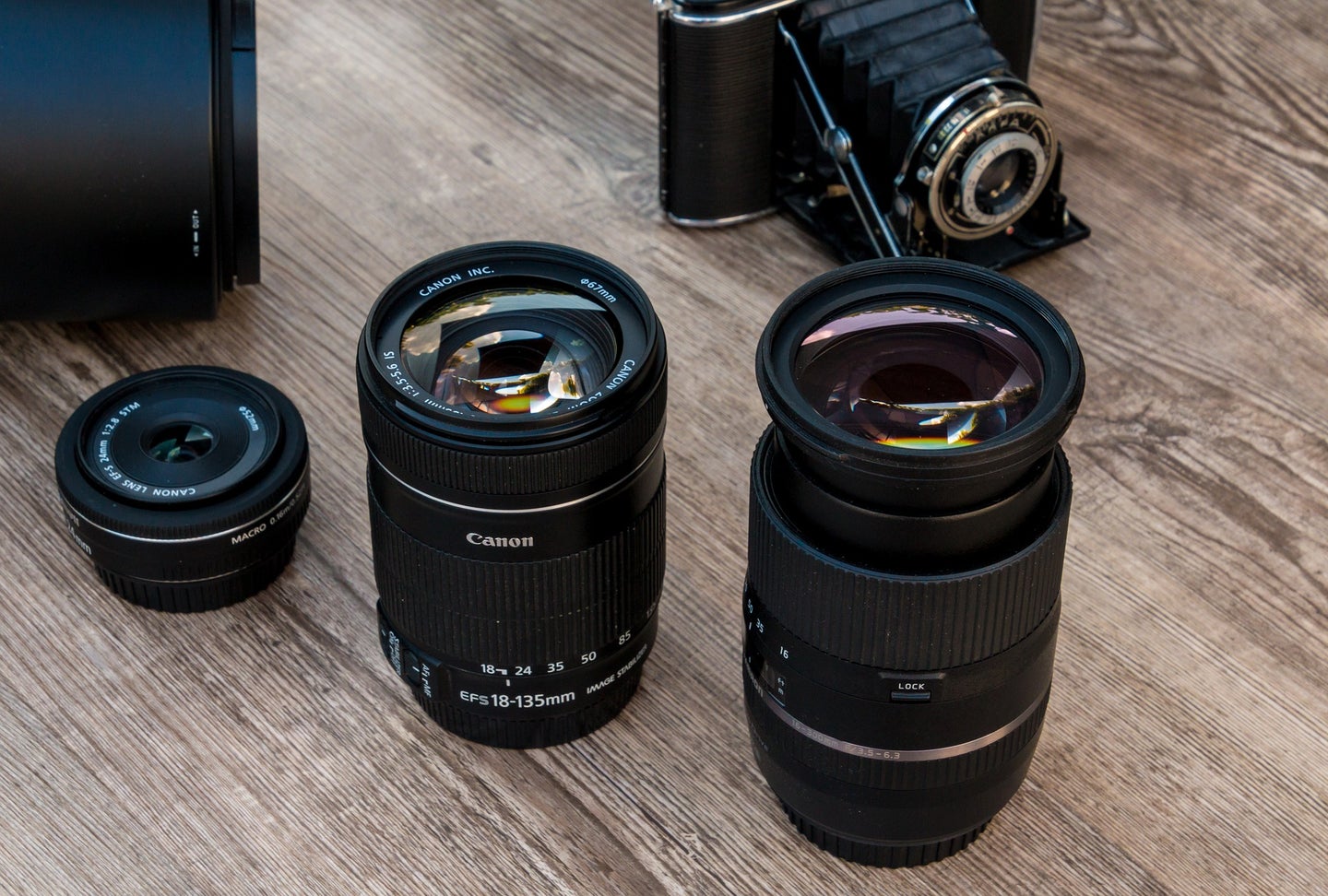
Credit: www.popphoto.com
Types Of Camera Mounts
Understanding camera mounts helps in choosing compatible lenses. Different mounts fit specific cameras. Check your camera’s mount type to find lenses that match.
When you’re diving into the world of cameras and lenses, understanding the types of camera mounts is crucial. Each mount type is designed for specific camera systems, and knowing which one fits your camera can save you time and money. Imagine the frustration of buying a lens that doesn’t fit your camera—it’s an experience you’d rather avoid.
Dslr Mounts
DSLR cameras often use mount systems that are unique to their brand, like Canon’s EF mount or Nikon’s F mount. These mounts have been around for years, providing photographers with a wide range of lens options. When buying lenses for your DSLR, ensure they match your camera’s mount to avoid compatibility issues. Have you ever bought a lens only to realize it doesn’t fit? It can happen if you overlook the mount type. Always double-check your camera’s manual or the manufacturer’s website for lens compatibility.
Mirrorless Mounts
Mirrorless cameras, known for their compact size, use different mounts compared to DSLRs. Brands like Sony use the E-mount, while Fujifilm has the X-mount. These mounts are designed to support the smaller, lighter lenses typical of mirrorless systems. Are you transitioning from a DSLR to a mirrorless camera? Remember that your old lenses might require an adapter to fit the new mount. This is a small investment that can expand your lens options significantly.
Third-party Mounts
Third-party manufacturers like Sigma and Tamron offer lenses compatible with popular camera mounts. These lenses can be a cost-effective alternative without compromising on quality. They typically label their products clearly, indicating which camera mounts they support. Have you considered third-party lenses? They often provide unique features or focal lengths that the main brands might not offer. Always ensure the mount matches your camera to enjoy a seamless photography experience. Understanding camera mounts can be daunting at first, but it’s crucial for making informed purchases. Next time you’re shopping for a lens, ask yourself: Does this mount fit my camera? A little knowledge goes a long way in enhancing your photography journey.
Identifying Your Camera Model
Identifying your camera model is the first step in finding the right lenses. Knowing your camera model ensures compatibility and opens up a world of possibilities for capturing stunning images. Whether you’re a novice or a seasoned photographer, the process can be straightforward if you know where to look.
Checking The User Manual
Your camera’s user manual is a treasure trove of information. It often contains details about compatible lenses, specifications, and other useful tips. If you’re like me, you might have tossed it aside when you first got your camera. But trust me, it’s worth digging out.
Look for sections that discuss lens compatibility. This part will usually list the types of lenses that work with your camera. If you’re unsure, you can often find a digital version online using your camera model. It’s amazing how many answers are tucked away in those pages.
Using Online Resources
The internet is your best friend when researching camera models and lens compatibility. Websites dedicated to photography can offer insights and user reviews on lenses that fit your camera model. Google your camera model followed by “compatible lenses” to get started.
Forums and community groups are also excellent resources. You can connect with other photographers who have the same camera model. It’s fascinating to read their experiences and recommendations, especially if you’re exploring new photography styles.
Have you ever thought about reaching out to the manufacturer’s website? They often have detailed guides and FAQs that can be incredibly helpful. It’s a quick way to confirm compatibility and find suggestions for lenses that could enhance your photography.
So, what steps will you take to ensure your lenses fit perfectly? The right approach can transform your photography experience and open up creative avenues you never imagined.
Understanding Lens Specifications
Understanding lens specifications is crucial for determining the right lens for your camera. It’s not just about attaching a lens and snapping away; it’s about knowing what each specification means and how it affects your photography. Imagine this: you’re excited to shoot landscapes, but the lens you’ve chosen distorts the view you envisioned. Knowing the specifications can prevent such missteps. Let’s dive into the key elements you should consider.
Focal Length
Focal length is the number that tells you how zoomed in your lens can get. It’s measured in millimeters, like 35mm or 70mm. The lower the number, the wider the field of view. If you’re into capturing vast landscapes or group photos, a shorter focal length is your friend.
On the other hand, a longer focal length is perfect for portraits or wildlife photography. It allows you to get closer to your subject without physically moving. Think about what you love to photograph, and choose a focal length that matches your passion.
Aperture
Aperture refers to the opening in a lens through which light enters. It’s denoted by f-numbers like f/1.8 or f/22. A smaller f-number means a larger opening, letting in more light. This is great for low-light settings or achieving a beautiful blurred background.
Conversely, a larger f-number means a smaller opening, which is ideal for getting everything in focus from foreground to background. Have you ever wanted that dreamy, blurry background in your photos? Check your aperture settings next time and experiment with different f-numbers to see the effect.
Image Stabilization
Image stabilization reduces blurriness caused by camera shake. It’s a lifesaver when you’re shooting handheld or in low light conditions. Imagine capturing a moment on a bustling street with your bare hands—image stabilization helps keep your photos sharp.
Some lenses come with built-in stabilization, while others rely on your camera body. Consider how often you shoot without a tripod. If it’s frequent, investing in a lens with stabilization can be a game changer in maintaining image clarity.
As you explore lens options, ask yourself: What do you want to achieve in your photography? Knowing the specifications empowers you to make informed choices, ensuring your lens fits not just your camera, but your creative vision as well.
Brand-specific Lens Options
Choosing the right lens for your camera can be a daunting task. Brand-specific lens options offer a tailored approach, making your selection process easier and more effective. Whether you’re a Canon enthusiast, a Nikon aficionado, or a Sony devotee, understanding lens compatibility is crucial for capturing stunning images.
Canon Lens Compatibility
Canon users have a variety of lens options to choose from, ranging from EF, EF-S, RF, and EF-M. Each type suits different camera models and purposes. EF lenses are versatile and fit both full-frame and APS-C cameras. EF-S lenses are designed for APS-C cameras, offering a more compact design.
Imagine standing at the edge of the Grand Canyon with your Canon camera, ready to capture the breathtaking view. Selecting the right lens, like an RF lens for a full-frame mirrorless camera, can make all the difference in the depth and clarity of your shot. Always check the lens mount to ensure compatibility with your camera body.
Nikon Lens Compatibility
Nikon lenses are categorized into F-mount and Z-mount options. F-mount lenses have been around for decades, providing a vast selection for both full-frame and APS-C cameras. Z-mount lenses are the latest addition, compatible with Nikon’s mirrorless cameras.
Picture yourself on a safari, capturing the dynamic motion of a cheetah sprinting across the savannah. A Z-mount lens paired with a Nikon mirrorless camera can enhance autofocus speed, ensuring you don’t miss the action. Always verify the lens type and mount compatibility with your Nikon camera for optimal performance.
Sony Lens Compatibility
Sony offers E-mount and A-mount lenses, catering to different camera systems. E-mount lenses are compatible with Sony’s mirrorless cameras, providing a lightweight and compact design. A-mount lenses are typically used with Sony’s DSLR cameras, offering robust and durable options.
Picture capturing a serene sunset on the beach with your Sony camera. Choosing an E-mount lens can enhance portability and ease of use, allowing you to focus on the composition without worrying about cumbersome gear. Check the mount type to ensure your lens fits your camera model seamlessly.
When selecting lenses, always ask: What kind of photography do you enjoy? Whether it’s landscapes, wildlife, or portraits, each brand-specific lens option can open new creative possibilities for you. Don’t settle for less; ensure your lens complements your camera and photography style.

Credit: www.youtube.com
Using Lens Adapters
Using lens adapters can broaden your photography options. They allow different lenses to fit onto your camera. This flexibility helps photographers explore new creative possibilities. You can use lenses across different brands or systems. It saves money and expands your gear collection. But, it’s important to understand both benefits and limitations.
Benefits Of Adapters
Lens adapters increase your lens choices. They allow you to try lenses from other brands. This can lead to unique photo results. Adapters are cost-effective. Instead of buying new lenses, use existing ones. They help you keep your older lenses in use. Adapters offer versatility in creative projects. They provide new perspectives and techniques.
Limitations To Consider
Lens adapters might affect image quality. Some may cause light or focus issues. They can make lenses heavier or bulkier. Adapters sometimes lack autofocus capabilities. You may need to focus manually. This can slow down the shooting process. Compatibility is a key concern. Not all adapters work with every lens and camera. Research is crucial before purchasing.
Shopping For Lenses
Choosing the right lens for your camera depends on its mount type. Check your camera’s manual or manufacturer’s website for compatible lenses. Consider your photography needs, whether for portraits or landscapes, to select the ideal lens.
Shopping for lenses can feel overwhelming, especially when faced with a myriad of options. How do you ensure you’re investing in the right lens for your camera? Understanding a few key factors can simplify your decision-making process, ensuring you get the most out of your photography experience. Let’s dive into some essential considerations when shopping for lenses.
New Vs. Used Lenses
Deciding between new and used lenses is an important choice. New lenses often come with warranties, offering peace of mind about their condition. They also incorporate the latest technology, which can enhance your photography. On the other hand, used lenses can be a budget-friendly option. You might find excellent deals on lenses that have been well cared for. Before purchasing, check for scratches, fungus, and functionality to ensure you’re getting a good deal. Consider your priorities. Is it more important for you to have the latest features, or is saving money your main goal?
Where To Buy
When it comes to buying lenses, you have several options. Local camera shops often provide personalized advice and let you test lenses before buying. This hands-on experience can be invaluable, especially for beginners. Online retailers like Amazon or B&H offer a wide selection and often have competitive prices. However, you may miss the personal touch of a local shop. Check for return policies and warranties to ensure a risk-free purchase. Second-hand marketplaces like eBay or Facebook Marketplace can also be treasure troves for lenses. Just be sure to verify the seller’s credibility and inspect product photos carefully. How do you prefer to shop for lenses? Balancing convenience, cost, and assurance can lead you to the right choice.
Consulting With Experts
Consulting with experts can be your guiding light when trying to figure out which lenses fit your camera. In the world of photography, the right lens can make all the difference in capturing stunning images. While online resources are helpful, nothing beats the personalized advice and insights from seasoned professionals. Their experience can help you understand the nuances of lens compatibility and get the most out of your camera.
Professional Photographers
Professional photographers often have a wealth of knowledge about lenses that they’ve gained through years of experience. They can offer valuable insights into the practical aspects of lens usage. If you’ve ever wondered why your images aren’t as sharp or vibrant as you hoped, a professional can spot issues you might not notice.
Consider reaching out to photographers whose work you admire. Many are open to sharing their experiences and can recommend lenses based on your specific needs. Their firsthand stories about lens performance in various conditions can be eye-opening.
Camera Store Specialists
Camera store specialists are another excellent resource when deciding on lenses. They handle a variety of equipment daily and have a good grasp of compatibility across different brands and models. If you’re unsure about which lens mount works with your camera, a specialist can clarify it for you.
Visit a local camera store and engage with the staff. Ask specific questions about your camera model and the lenses you’re considering. They can often demonstrate how different lenses perform and explain technical aspects like focal length and aperture in simple terms.
Have you ever walked into a store and felt overwhelmed by options? Specialists can narrow down choices based on your budget and photography style, making the decision process much easier.
Have you ever consulted an expert to make a choice about your gear? Did their advice change your perspective? Share your thoughts and experiences in the comments below!
Common Mistakes To Avoid
Choosing the right lens for your camera can be tricky. Many photographers make mistakes that lead to frustration. Understanding these common pitfalls can save you time and money.
Ignoring Mount Compatibility
Some photographers ignore the importance of mount compatibility. Each camera brand has specific mounts for its lenses. Using a lens with the wrong mount can damage your camera. Always check the mount type before purchasing a lens. This ensures a proper fit and avoids costly repairs.
Overlooking Lens Features
Lens features are critical for achieving desired results. Some lenses offer image stabilization, while others excel in low light. Not all lenses have the same capabilities. Understand what you need for your photography style. This helps in choosing a lens that meets your specific needs. Avoid buying lenses with features you don’t use. This prevents unnecessary spending.
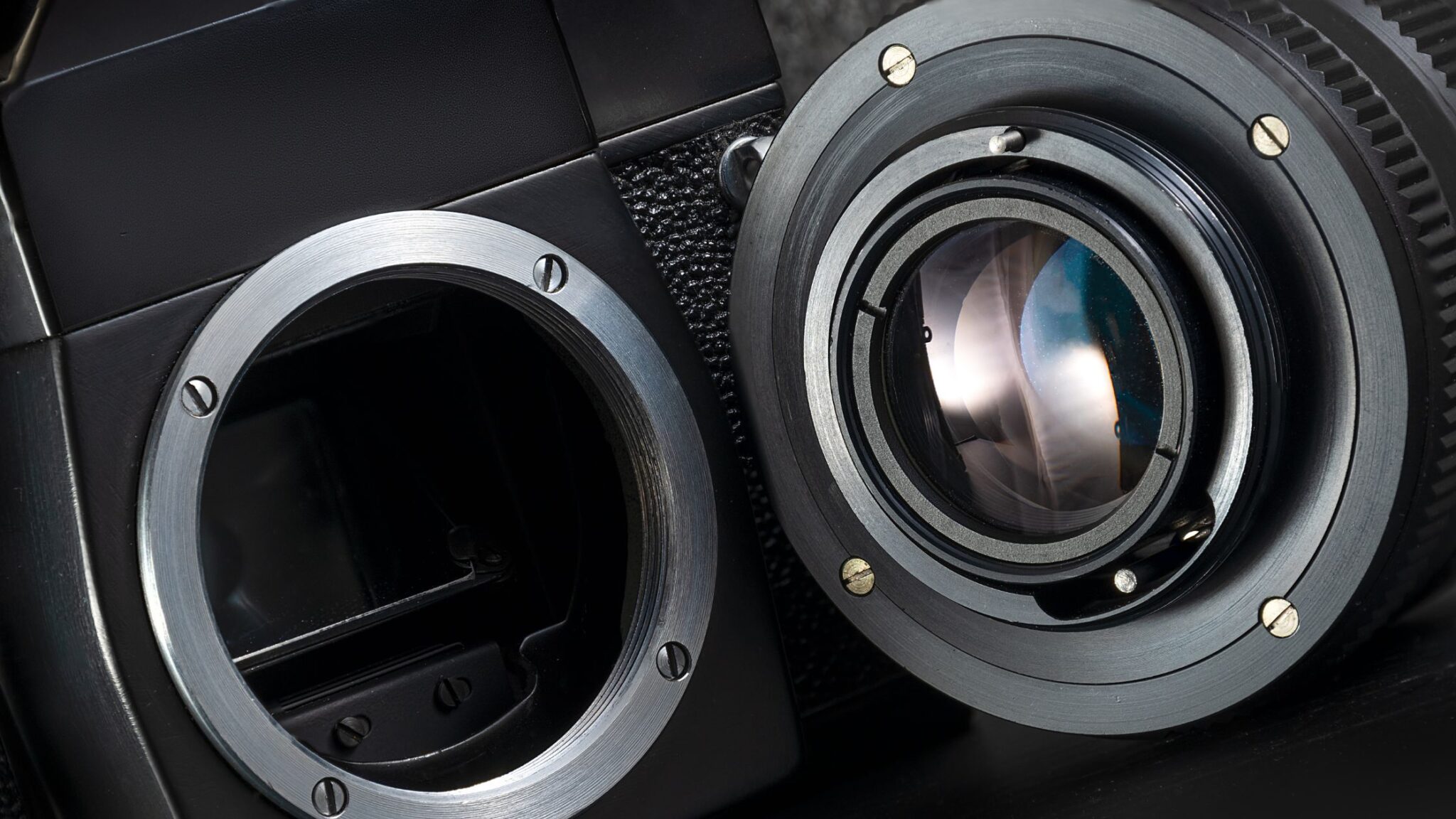
Credit: storyenvelope.com
Frequently Asked Questions
How Can I Tell If A Lens Will Fit My Camera?
Check the camera’s lens mount compatibility. Verify the lens mount type matches your camera’s specifications. Consult the camera’s manual or manufacturer’s website for details. Consider using lens adapters if necessary, but ensure compatibility.
How Do I Know What Size Lens To Get For My Camera?
Check your camera’s lens mount type in the manual or manufacturer’s website. Consider focal length for your photography needs. Match lens specifications with your camera’s sensor size for compatibility. Seek advice from photography communities or professionals for personalized recommendations.
Can Any Lens Fit In Any Camera?
Not all lenses fit every camera. Compatibility depends on the mount type and brand. Check camera specifications before purchasing lenses to ensure proper fit. Some adapters can allow different lenses to fit, but they may affect performance. Always verify compatibility for optimal results.
How Do I Know What Type Of Lenses I Need?
Consult an eye care professional for a comprehensive eye exam. They assess vision needs and recommend suitable lenses. Consider lifestyle, vision problems, and comfort. Research lens types like single-vision, bifocal, or progressive lenses. Your prescription will specify the necessary lens type for optimal vision correction.
Conclusion
Finding the right lens for your camera can seem tricky. Know your camera model first. Check lens compatibility online or in user manuals. Consider your photography needs. Research lens types and features. Visit local camera stores for expert advice. Asking questions helps clarify doubts.
Borrow or rent lenses before buying. Test them on your camera. This ensures they fit perfectly. Explore online forums and reviews. They offer valuable insights. With the right lens, your photos will improve. Capture stunning images with confidence. Stay curious and keep learning about lenses.
Happy shooting!