
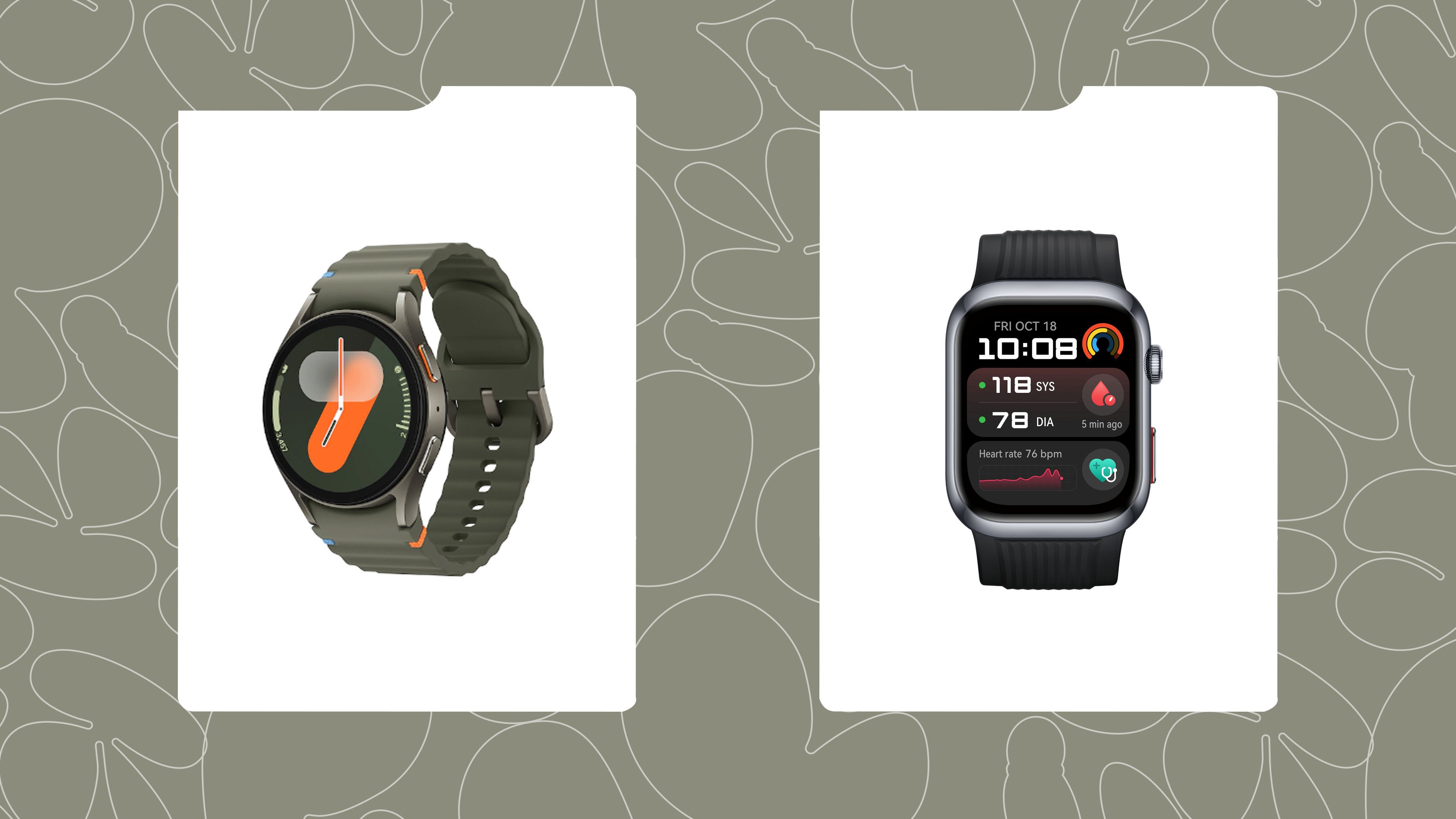
Have you ever wondered how your smartwatch can keep track of your blood pressure right from your wrist? It sounds almost magical, but there’s real science behind it.
Knowing how your device measures blood pressure can help you trust the readings and take control of your health. You’ll discover the simple yet smart technology inside your watch and why it matters for your well-being. Keep reading to unlock the secrets behind this powerful health tool you wear every day.
Credit: www.pulse.ng
Blood Pressure Basics
Understanding blood pressure is key before diving into how smartwatches measure it. Blood pressure reflects the force of your blood pushing against your artery walls. This simple number tells a lot about your heart’s health and your overall wellbeing.
Systolic And Diastolic Pressure
Blood pressure has two numbers: systolic and diastolic. The systolic pressureis the higher number. It measures the pressure in your arteries when your heart beats and pumps blood.
The diastolic pressureis the lower number. It shows the pressure in your arteries when your heart rests between beats. Both numbers are important to understand how well your heart and blood vessels work.
Importance Of Monitoring
Regularly checking your blood pressure helps you catch potential problems early. High blood pressure often has no symptoms but can lead to serious issues like heart attacks or strokes.
Have you ever wondered why some people feel fine yet have dangerous blood pressure levels? This is why monitoring is crucial—even if you feel healthy.
Smartwatches make tracking easier by giving you quick and frequent readings. They help you see patterns and take action before small problems become big ones.
Smartwatch Sensors
Smartwatch sensors play a crucial role in measuring your blood pressure accurately and conveniently. These tiny components work together to detect subtle changes in your body and convert them into meaningful health data. Understanding how these sensors function can help you appreciate the technology on your wrist and make better use of your device.
Optical Sensors
Optical sensors use light to monitor blood flow beneath your skin. They shine a small LED light into your wrist and measure how much light is absorbed by your blood vessels. Changes in light absorption correspond to your pulse and blood volume, allowing the watch to estimate blood pressure.
You might notice these sensors glowing when you check your heart rate. This technology is similar to pulse oximeters used in hospitals, but adapted for continuous, everyday use. While optical sensors provide valuable data, they usually need calibration with a traditional cuff for precise blood pressure readings.
Pressure Sensors
Pressure sensors detect the force your blood exerts against the walls of your arteries. Some smartwatches include tiny inflatable cuffs or utilize built-in sensors that sense pressure changes as your wrist moves. This data helps the watch calculate systolic and diastolic pressure values.
These sensors require advanced engineering to fit comfortably on your wrist without causing discomfort. If you’ve tried a home blood pressure monitor, you know how important cuff pressure is. Smartwatch pressure sensors aim to mimic this process but in a less intrusive way.
Other Technologies
Besides optical and pressure sensors, some smartwatches use additional technologies like electrocardiogram (ECG) sensors and bioimpedance sensors. ECG sensors measure the electrical signals of your heart to provide insights into your cardiovascular health.
Bioimpedance sensors assess how electrical currents pass through your body, which can relate to blood flow and volume. Combining data from multiple sensors improves accuracy and gives you a fuller picture of your health.
Have you explored the different sensors on your smartwatch yet? Knowing what happens behind the screen can encourage you to trust your device and check your readings more regularly.
Measurement Techniques
Smartwatches use advanced measurement techniques to estimate your blood pressure without needing a cuff. These methods rely on sensors and algorithms working together to provide quick and convenient readings right from your wrist. Understanding these techniques can help you trust and make better use of your device’s health data.
Photoplethysmography (ppg)
Photoplethysmography, or PPG, uses light to measure blood flow under your skin. The smartwatch shines a small LED light onto your wrist and detects changes in light absorption caused by your blood pulses.
This technique tracks how blood volume changes with each heartbeat. It’s the same technology used for heart rate monitoring but adapted to estimate blood pressure by analyzing the pulse wave patterns.
Have you noticed how your pulse feels stronger after exercise? PPG picks up similar changes, giving insights into your cardiovascular health.
Pulse Transit Time (ptt)
Pulse Transit Time measures the time it takes for a pulse wave to travel between two points in your body. Smartwatches calculate this by combining data from the PPG sensor and the watch’s built-in accelerometer or ECG sensors.
A shorter transit time usually means higher blood pressure, while a longer time indicates lower pressure. This relationship lets your watch estimate your blood pressure dynamically.
Think about how your pulse feels different when you’re stressed versus relaxed. PTT captures these subtle changes, providing more personalized readings.
Calibration Process
Calibration is essential for accurate blood pressure measurement on smartwatches. You usually need to compare the smartwatch readings with a traditional cuff-based monitor several times to teach the watch how your body responds.
This process adjusts the algorithms to your unique blood flow and pulse characteristics. Skipping calibration can lead to less reliable results, so regular updates help keep your data trustworthy.
Have you ever noticed a difference between your smartwatch and doctor’s readings? Calibration bridges that gap, making your smartwatch a more useful tool for monitoring your health.

Credit: www.youtube.com
Accuracy Factors
Accuracy matters most in measuring blood pressure with smartwatches. Several factors affect how precise the readings are. Understanding these factors helps users get reliable results.
User Movement
Movement can disrupt sensors and cause inaccurate readings. Smartwatches need the wearer to stay still during measurement. Even small hand movements or talking may affect results. Resting the arm on a flat surface improves accuracy.
Device Placement
Correct placement on the wrist is crucial for good readings. The watch should sit snugly above the wrist bone. Too loose or too tight affects sensor contact with the skin. Consistent placement each time helps track changes better.
Skin Tone And Thickness
Skin color and thickness impact sensor performance. Darker skin tones may absorb more light, affecting optical sensors. Thicker skin can reduce signal strength. Some smartwatches adjust for these differences but results vary.
Comparing To Traditional Methods
Understanding how smartwatches measure blood pressure is easier when you compare them to traditional methods. Traditional devices have been trusted for years, and they set a clear standard for accuracy and reliability. But do smartwatches meet these standards, or do they offer a different kind of value?
Cuff-based Monitors
Cuff-based monitors are the most common traditional devices used for measuring blood pressure. They work by inflating a cuff around your arm to temporarily stop blood flow, then slowly releasing the pressure to detect your systolic and diastolic readings.
These devices are typically found in clinics or homes and are considered the gold standard for blood pressure measurement. They provide direct and highly accurate readings that doctors rely on for diagnosing and monitoring health conditions.
Pros And Cons
| Advantages | Disadvantages |
|---|---|
|
|
Have you ever felt the squeeze of a cuff and wished for a less intrusive way to check your blood pressure? While cuff-based monitors provide a reliable snapshot, they don’t offer the convenience of tracking changes throughout your day.
Smartwatches aim to fill this gap by offering continuous, easy-to-access readings. But the real question is whether convenience can match the precision traditional cuffs provide. What would you prioritize more: accuracy or ease of use?
Improving Smartwatch Readings
Improving the accuracy of blood pressure readings on your smartwatch can significantly impact how you manage your health. While the technology has advanced, you still need to take certain steps to ensure the data you get is reliable. Small changes and updates can make a big difference in how your smartwatch monitors your blood pressure.
Software Updates
Manufacturers frequently release software updates to improve the sensors and algorithms that measure blood pressure. These updates can fix bugs, enhance accuracy, and add new features. Make sure your smartwatch is always running the latest software to benefit from these improvements.
Have you ever noticed a sudden jump in reading accuracy after an update? That’s because software optimizations refine how your device interprets signals from your wrist. Ignoring updates could mean missing out on better health tracking.
User Guidelines
How you wear and use your smartwatch affects the quality of blood pressure readings. For instance, wearing the watch too loosely or on the wrong wrist can cause inconsistent results. Follow the manufacturer’s instructions carefully for placement and tightness.
Also, try to stay still and keep your arm at heart level during measurements. Moving or talking can distort the data. These small habits will help your smartwatch give you readings closer to what a traditional cuff would provide.
Future Innovations
The future of smartwatch blood pressure monitoring looks promising with new sensor technologies and AI-driven analytics. Some upcoming models aim to use optical sensors combined with machine learning to deliver more precise readings without the need for calibration.
Imagine a smartwatch that learns your unique blood flow patterns and adjusts its readings automatically. This kind of innovation could make your health tracking more personalized and accurate than ever before. How do you think such advances might change your daily health routine?
Health Benefits And Risks
Smartwatches that measure blood pressure offer exciting health benefits but also come with some risks you should keep in mind. Understanding both sides helps you make smarter choices about how to use this technology for your well-being. Let’s take a closer look at what these benefits and risks mean for you.
Early Detection
One key advantage of using a smartwatch for blood pressure is early detection of potential health issues. These devices can alert you to unusual readings before symptoms appear, giving you a chance to seek medical advice promptly.
Imagine noticing a sudden spike in your blood pressure while going about your day. That moment could prompt you to make lifestyle changes or visit your doctor earlier than you might have otherwise. This proactive approach can help prevent serious problems like heart attacks or strokes.
Have you ever wondered how often you miss subtle health warnings? A smartwatch can fill that gap by keeping track continuously, even when you forget to check manually.
Limitations To Consider
Despite their convenience, smartwatches are not as accurate as traditional blood pressure monitors used in clinics. Factors like wrist placement, movement, and device calibration can affect readings.
Relying solely on your watch for medical decisions could lead to false alarms or missed risks. For instance, a slightly off reading might cause unnecessary anxiety or, conversely, provide false reassurance.
It’s important to use smartwatch data as a guide, not a diagnosis. Always confirm unusual results with professional medical equipment and advice.
- Smartwatches may not work well on all skin types or during intense physical activity.
- They often require regular calibration to stay accurate.
- Battery life and software updates can influence performance.
Are you ready to balance convenience with caution when monitoring your blood pressure? Understanding these limitations helps you use your smartwatch wisely and stay on top of your health.
Credit: fitvii.com
Frequently Asked Questions
How Do Smartwatches Detect Blood Pressure?
Smartwatches use optical sensors to detect blood pressure. They emit light into your skin and measure the reflected light. The changes in light absorption help estimate blood flow and pressure. Although not as accurate as medical devices, they offer convenient, continuous monitoring.
Are Smartwatch Blood Pressure Readings Accurate?
Smartwatch blood pressure readings are generally not as accurate as traditional cuffs. They provide estimates based on optical sensors. For medical purposes, always rely on professional devices. However, smartwatches are useful for casual monitoring and detecting trends over time.
Can All Smartwatches Measure Blood Pressure?
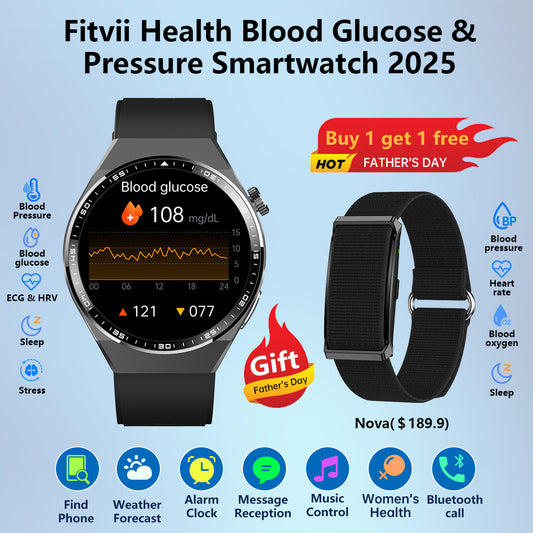
Not all smartwatches can measure blood pressure. This feature is typically available in advanced models. Check the specifications before purchasing. Brands like Samsung and Fitbit offer models with blood pressure monitoring capabilities. Always verify the feature with the manufacturer’s details.
How Often Should I Measure Blood Pressure With A Smartwatch?
For casual monitoring, measure your blood pressure once or twice daily. Regular checks can help identify trends and anomalies. However, for medical advice, consult with a healthcare professional. Always balance smartwatch readings with professional medical guidance for accurate health management.
Conclusion
Smartwatches use sensors to track your blood pressure. They send signals to measure how your blood flows. This data helps you understand your heart health. These devices offer easy and quick checks anytime. Accuracy may vary, so use them as guides.
Always consult a doctor for serious health concerns. Technology keeps improving these health tools daily. Smartwatches make monitoring simpler for many people. Small steps like this can support a healthier lifestyle.