
Have you ever wondered what makes your smartwatch tick? How does this small device on your wrist track your steps, monitor your heart, and even show your messages?
Understanding how smartwatches work can help you get the most out of yours. You’ll discover the simple yet powerful technology behind these gadgets. By the end, you’ll see your smartwatch in a whole new light—and maybe even unlock features you didn’t know existed.
Keep reading to find out how your smartwatch really works.
Core Components
Smartwatches pack many technologies into a small device. Their core components work together to deliver features like fitness tracking, notifications, and calls. Understanding these parts helps explain how smartwatches perform complex tasks efficiently. Each component plays a unique role in the watch’s operation and user experience.
Microprocessor And Sensors
The microprocessor acts as the smartwatch’s brain. It processes data and controls other components. Modern chips are small but powerful, balancing speed with low energy use.
Sensors gather information from the wearer and environment. Common sensors include:
- Accelerometer – detects movement and steps.
- Gyroscope – measures rotation and orientation.
- Heart rate sensor – tracks pulse and health data.
- GPS sensor – records location and routes.
These sensors provide real-time data for apps and health monitoring.
Display And Battery
The display shows time, notifications, and apps. Most smartwatches use OLED or LCD screens. OLED offers better contrast and saves power by lighting only pixels needed.
The battery powers the device for hours or days. It is usually a rechargeable lithium-ion type. Battery life depends on screen use, sensors, and connectivity.
Connectivity Modules
Smartwatches connect to phones and the internet using several modules:
- Bluetooth – links to smartphones for calls and messages.
- Wi-Fi – allows direct internet access without a phone.
- Cellular (LTE) – supports calls and data independently.
- NFC – enables contactless payments and quick pairing.
These connections keep the smartwatch synced and functional throughout the day.
Data Collection
Smartwatches gather a variety of data to provide useful insights. They use built-in sensors to collect information continuously. This data helps users understand their daily habits and health. The collection process is smooth and automatic, requiring little effort from the wearer.
Tracking Physical Activity
Smartwatches use accelerometers and gyroscopes to track movement. These sensors detect steps, distance, and speed. They also recognize different types of activities like walking, running, or cycling. The watch processes this data to estimate calories burned. It helps users set and reach fitness goals easily.
Monitoring Health Metrics
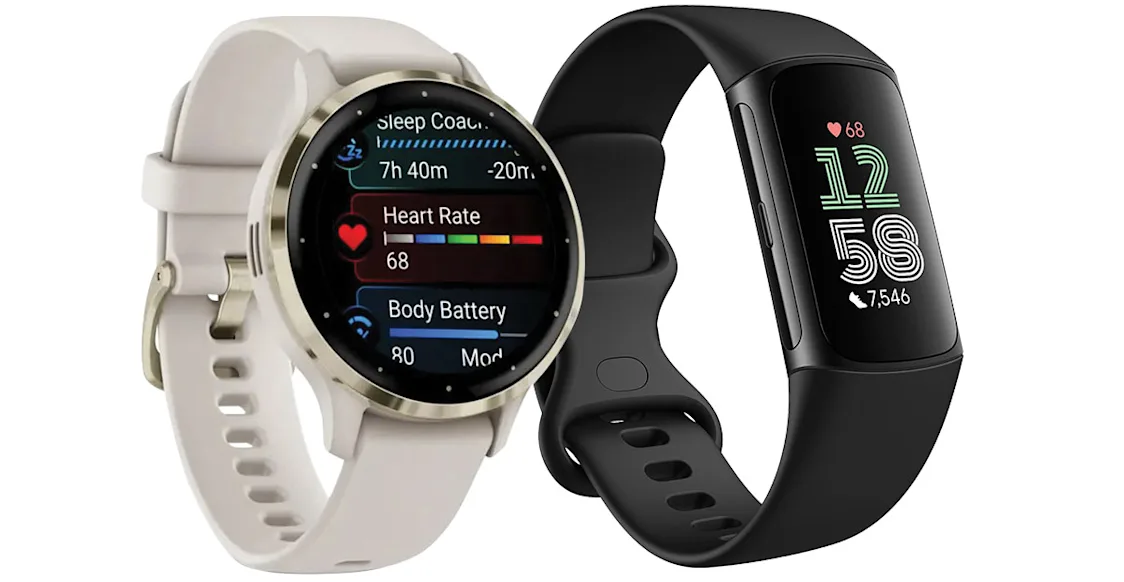
Health sensors measure heart rate, blood oxygen, and sleep patterns. Optical sensors shine light on the skin to detect blood flow changes. Some watches monitor stress levels by analyzing heart rate variability. They record data throughout the day and night. This helps users stay aware of their overall health.
Environmental Sensing
Smartwatches also collect information about the surroundings. Sensors measure temperature, air pressure, and altitude. GPS chips track location and routes during outdoor activities. Some models detect noise levels to protect hearing. This environmental data adds context to the user’s activity and health.
Processing And Analysis
The heart of a smartwatch lies in how it processes and analyzes the data it collects. Without efficient processing, the raw numbers from sensors wouldn’t translate into the useful information you see on the screen. Understanding this part helps you appreciate the smart technology packed into a small device on your wrist.
Real-time Data Processing
Your smartwatch constantly gathers data from sensors like heart rate monitors, GPS, and accelerometers. It processes this information instantly to give you up-to-date feedback. Imagine tracking your run: the watch calculates your pace and distance as you move, updating every second without delay.
This fast processing requires powerful chips designed for low energy use. They ensure your watch stays responsive without draining the battery quickly. Have you noticed how smoothly your watch reacts when you check your stats during a workout? That’s real-time data processing in action.
Algorithmic Insights
Raw data alone doesn’t tell the whole story. Smartwatches use algorithms to analyze patterns and provide meaningful insights. For example, your watch can detect irregular heartbeats or suggest when you need to take a break based on your activity levels.
These algorithms are constantly refined to improve accuracy. Some watches even learn from your habits to offer personalized advice. How often do you rely on your watch’s health tips to adjust your daily routine?
User Interaction
The processed data becomes valuable only when you can easily interact with it. Smartwatches have intuitive interfaces that let you check stats, receive alerts, and control apps with a tap or swipe. This interaction keeps you engaged and informed throughout the day.
Notifications and reminders are tailored to your preferences, making the device feel like a personal assistant. Think about how often you glance at your watch to stay updated without pulling out your phone. That seamless user experience depends heavily on smart processing and analysis behind the scenes.

Credit: vositone.com
Communication Features
Smartwatches have transformed the way you stay connected throughout the day. Their communication features let you interact with your phone and the world without pulling out your device constantly. Understanding these features helps you get the most from your smartwatch’s convenience and efficiency.
Bluetooth And Wi-fi
Bluetooth is the backbone of most smartwatch communication. It pairs your watch with your smartphone, allowing data and notifications to flow seamlessly between the two.
Wi-Fi extends your watch’s capabilities when your phone is out of range. If your watch supports Wi-Fi, it can still send messages or stream music independently.
Have you noticed how your watch stays connected even when you leave your phone in another room? That’s Bluetooth and Wi-Fi working together to keep you in the loop.
Notifications And Alerts
Your smartwatch acts as a personal assistant by delivering notifications right to your wrist. You can see calls, texts, emails, and app alerts instantly without unlocking your phone.
Customizing which alerts you receive helps you avoid distractions. For example, you might only allow urgent messages or calendar reminders.
Think about the last time a notification saved you from missing an important appointment. That’s the power of these timely alerts.
Voice And Gesture Controls
Talking to your watch is often faster than typing or tapping. Voice commands let you set reminders, send messages, or check the weather hands-free.
Gesture controls add another layer of convenience. Simple wrist movements or taps can answer calls or scroll through notifications, keeping your interactions quick and effortless.
How often do you find yourself reaching for your phone when a quick voice command or gesture could do the job? Your smartwatch is designed to make those moments rare.
Power Management
Power management is key for smartwatches to work longer and stay reliable. It controls how the watch uses and saves energy. Smartwatches balance features and battery life through clever power strategies.
Battery Life Optimization
Smartwatches use software to extend battery life. They turn off unused sensors and dim the screen when idle. Sleep modes help save power during downtime. Apps run only when needed to limit energy use. These measures keep the watch running throughout the day.
Charging Technologies
Charging tech makes powering smartwatches quick and easy. Many models use wireless charging pads. Some support fast charging to reduce wait time. USB cables remain common for direct charging. These methods ensure users spend less time tethered to a charger.
Energy-efficient Components
Smartwatches include parts designed to use less power. Processors built for efficiency reduce energy draw. OLED and LCD screens consume minimal power by adjusting brightness. Sensors detect movement and heart rate with low energy use. These components help maintain long battery life.
Software Ecosystem
The software ecosystem is the backbone of how your smartwatch functions daily. It’s not just about the hardware; the operating system, apps, and security all shape your experience. Understanding these layers helps you make the most out of your device and keep your data safe.
Operating Systems
Smartwatches run on specialized operating systems designed for small screens and limited battery life. Popular options include watchOS for Apple Watches, Wear OS by Google, and Samsung’s Tizen. Each system offers unique features, but they all focus on quick access to notifications, fitness tracking, and seamless phone integration.
Choosing a smartwatch often means picking the operating system that works best with your phone. For example, an Apple Watch pairs perfectly with an iPhone, while Wear OS offers more flexibility across Android devices. This compatibility shapes what you can do with your watch every day.
Apps And Customization
Apps turn a basic smartwatch into a personalized assistant on your wrist. You can add fitness trackers, weather updates, music controls, and even payment options. Many apps allow you to customize watch faces, so your watch reflects your style and priorities.
Think about the apps you use on your phone—many have smartwatch versions. Adding or removing these apps is simple, giving you control over what notifications and data appear. Have you ever thought about which apps you really need on your watch versus what just adds clutter?
Security Measures
Smartwatches hold sensitive information like messages, health data, and payment details, making security crucial. Most devices use encryption and secure pairing with your phone to keep your data safe. Features like PIN codes, biometric locks, and remote wipe options protect you if the watch is lost or stolen.
Security updates often come through software updates, so keeping your watch’s software current is vital. Do you regularly check for these updates, or do you assume your watch is safe without them? Staying proactive helps prevent vulnerabilities before they become a problem.
Future Innovations
Smartwatches continue to evolve quickly. Future models will offer better features and smarter functions. These innovations will make smartwatches even more useful in daily life.
Advanced Health Monitoring
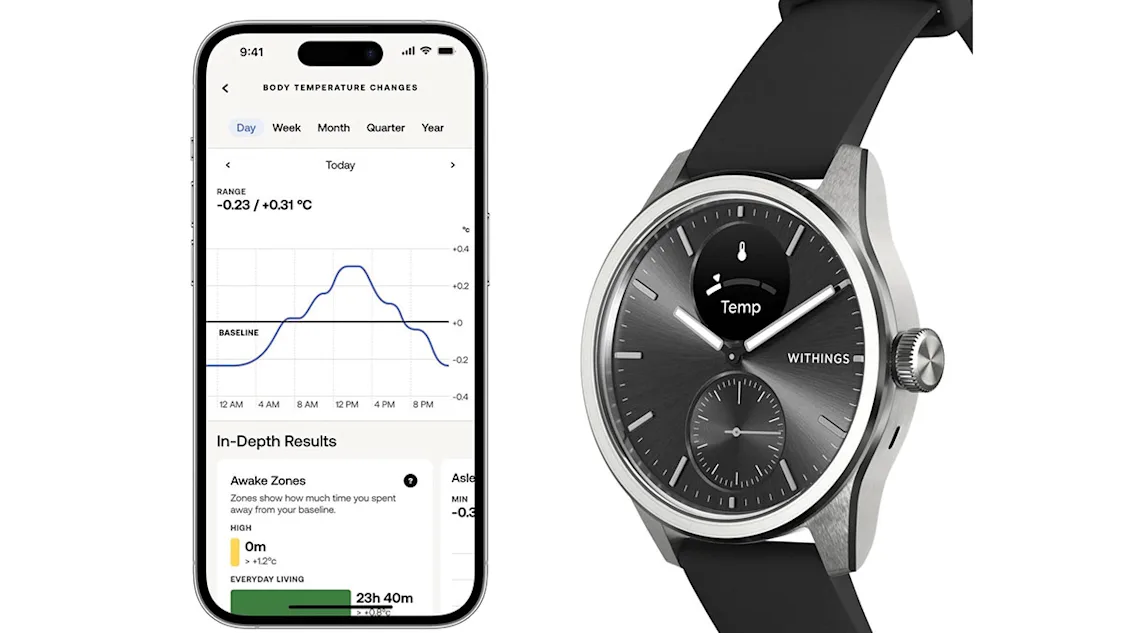
New sensors will track health more accurately. Expect real-time monitoring of blood sugar and hydration levels. Sleep tracking will become more detailed and helpful. Smartwatches may detect early signs of illness faster. These improvements help users stay healthier with less effort.
Improved Connectivity
Future smartwatches will connect more smoothly with other devices. 5G and Wi-Fi 6 will enable faster data transfer. Voice assistants will understand commands better. Users can control home gadgets directly from their wrist. This makes smartwatches a central part of a connected life.
Design And Materials
Designs will become lighter and more comfortable. New materials will increase durability and flexibility. Screens may be curved or foldable for better use. Battery life will improve without adding bulk. These changes will make smartwatches easier to wear all day.
Credit: www.jbhifi.com.au
Credit: www.jbhifi.com.au
Frequently Asked Questions
How Do Smartwatches Track Health And Fitness?
Smartwatches use sensors like accelerometers and heart rate monitors to track health. They collect data on steps, calories, sleep, and heart rate. This information helps users monitor fitness goals and overall wellbeing efficiently.
What Technology Powers Smartwatch Notifications?
Smartwatches connect to smartphones via Bluetooth to receive notifications. They display calls, messages, and app alerts directly on the watch screen. This keeps users informed without needing to check their phones constantly.
How Do Smartwatches Measure Heart Rate Accurately?
Smartwatches use optical sensors with LED lights to detect blood flow changes. These sensors measure heart rate by analyzing light reflected from the skin. This method provides real-time and reliable heart rate monitoring during activities.
Can Smartwatches Work Without A Smartphone?
Some smartwatches have built-in cellular connectivity to work independently. They can make calls, send messages, and access apps without a phone nearby. However, many features still rely on smartphone pairing for full functionality.
Conclusion
Smartwatches blend technology with everyday convenience. They track your fitness and health. You can receive calls and messages without your phone. These devices make life simpler. They use sensors to gather data. This data helps monitor your activities. With smartwatches, staying connected is easy.
Their features suit various needs and lifestyles. They offer both style and function. As technology advances, smartwatches will become even more useful. Consider how they fit into your daily routine. Investing in one can enhance your life. Simple yet effective.
That’s the essence of smartwatches today.