
Ever wondered what your headphones are really doing for you? Maybe you’ve felt overwhelmed by the endless specs and features that come with them.
You’re not alone. With countless options available, it’s easy to feel lost about what truly matters. But here’s the thing: understanding your headphones can transform your listening experience. Imagine immersing yourself in music, movies, or calls with clarity and richness you never knew was possible.
Intrigued? Stick around, because we’re about to unveil the secrets that will help you unlock the full potential of your headphones. Get ready to discover how to make the most of what you already own and elevate your audio experience like never before.

Credit: www.facebook.com
Decoding Headphone Specifications
Understanding headphone specifications can help you choose the best pair for your needs. Learn about driver size, frequency response, and impedance to determine sound quality. Familiarize yourself with these terms to make informed decisions and enjoy your audio experience.
Decoding the specifications of your headphones can feel like deciphering a secret code. Yet, understanding these details can dramatically enhance your listening experience. Whether you’re a casual listener or an audiophile, knowing what those numbers mean can help you make informed decisions about your audio gear.Frequency Response Range
The frequency response range tells you the range of sounds your headphones can produce. It’s usually measured in Hertz (Hz) and typically ranges from 20Hz to 20kHz. This range matches the average human hearing, but some headphones offer wider ranges, providing deeper bass or crisper highs. When you see a wider range, think about your music preferences. Do you enjoy feeling the rumble of bass or the clarity of high-pitched instruments? A wider frequency response might be more appealing to you.Impedance And Sensitivity
Impedance, measured in ohms, affects how much power your headphones need to produce sound. Higher impedance headphones often require more power and are best paired with dedicated amplifiers. Lower impedance models are more suited for portable devices like smartphones. Sensitivity, on the other hand, indicates how loud your headphones can get with a given power level. It’s typically measured in decibels (dB). If you’re commuting and need to drown out background noise, higher sensitivity headphones might serve you better.Driver Size And Type
The driver is the part of your headphones that converts electrical signals into sound. Larger drivers often produce stronger bass, which could be crucial if you love bass-heavy genres. However, size isn’t everything; driver type also matters. Dynamic drivers are common and generally provide a balanced sound. Planar magnetic drivers, though larger and heavier, can offer superior sound quality. Ask yourself what matters more: portability or audio excellence? Understanding these specifications can help you choose headphones that align with your audio preferences. Next time you’re shopping, will you check the specs before making a purchase? It could be the key to elevating your listening experience.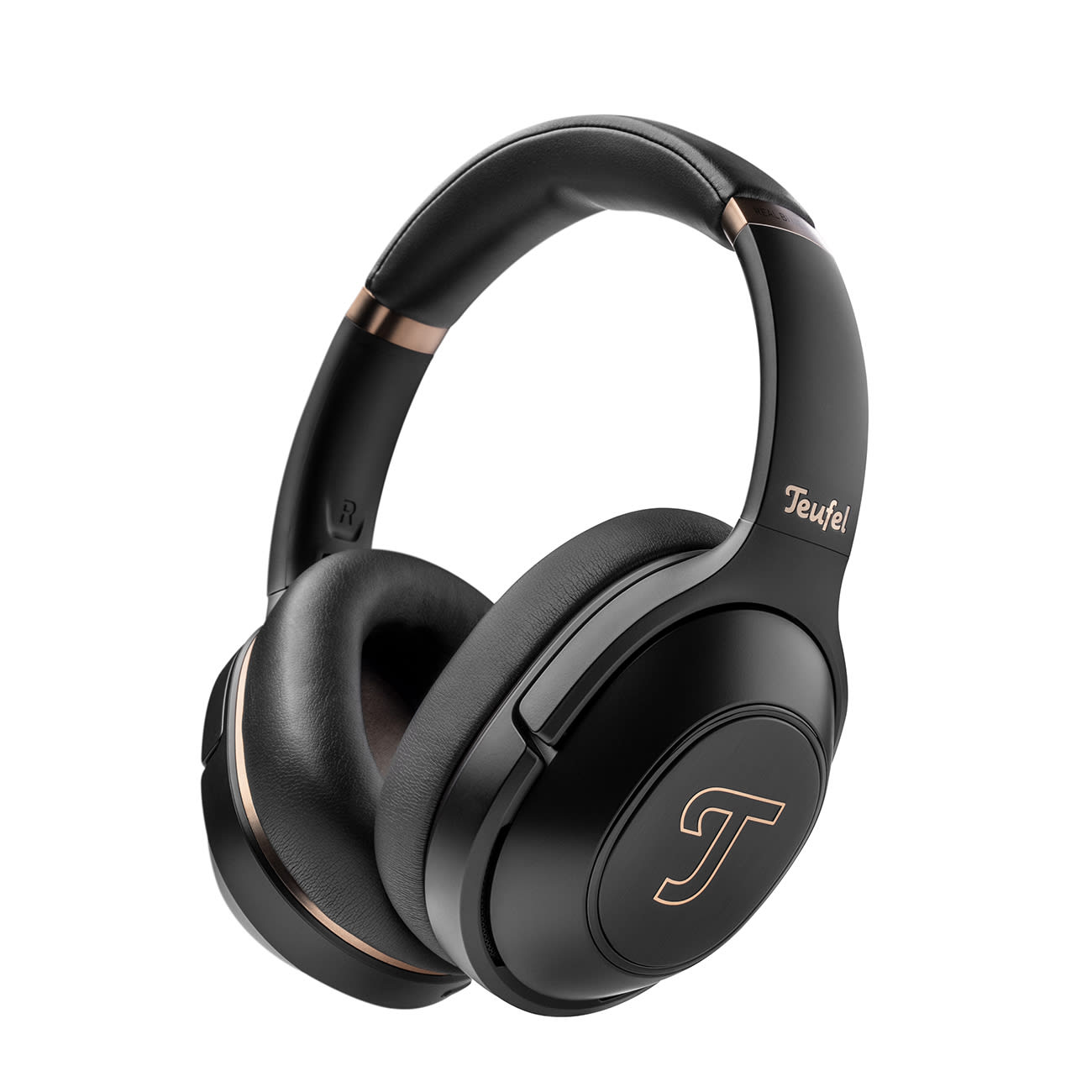
Credit: lu.teufelaudio.com
Evaluating Sound Quality
Finding the perfect headphones can transform your listening experience. But how do you know if they truly deliver the sound quality you crave? Whether you’re a casual listener or an audiophile, evaluating sound quality involves understanding how headphones reproduce different elements of sound. Let’s dive into the specifics that will help you make an informed choice.
Bass, Midrange, And Treble Balance
Is the bass booming or balanced? Bass should be impactful but not overwhelming. Think about your favorite song—does the bass make your heart race without drowning out the vocals? Midrange is where the magic happens. It’s the realm of voices and instruments. If your headphones deliver crisp and clear midrange, every lyric and note will sound alive. Treble is the icing on the cake. It should be sharp without being piercing. A well-balanced treble adds sparkle to your music.
Soundstage And Imaging
Ever felt like you were sitting in the middle of a concert hall while wearing headphones? That’s the soundstage effect. Good headphones create a sense of space and depth, making each instrument sound like it’s coming from a different direction. Imaging is about precision. Can you pinpoint where each sound is coming from? If you can, you’re in for a truly immersive experience.
Noise Isolation And Cancellation
Imagine trying to enjoy music with a constant background hum. Noise isolation helps block out external sounds, making your listening more focused. It’s like finding your personal bubble of sound bliss. Noise cancellation goes a step further. It actively reduces unwanted noise, creating a quiet canvas for your music. Do you need quietness for concentration or a peaceful commute? Consider how much noise interference you face daily.
Evaluating sound quality isn’t just about specs and reviews. It’s about how headphones make you feel. Each element contributes to a richer, more satisfying experience. Ask yourself: Are your current headphones giving you the sound adventure you deserve?
Comfort And Fit Considerations
Comfort is key when choosing headphones. Poor fit can ruin the experience. For prolonged use, ensure they sit right. Avoid unnecessary pressure. Consider materials, design, and weight. These factors influence comfort. Let’s explore them.
Ear Cup Materials
Ear cup materials affect comfort. Leather provides a luxury feel. It may cause sweat during long sessions. Fabric is breathable. It keeps ears cool. Choose memory foam for softness. It molds to ear shape. Provides comfort over time. Avoid cheap plastic. It can irritate skin.
Headband Design
Headband design matters for fit. Adjustable bands suit different head sizes. Wide bands distribute pressure evenly. Narrow bands may dig into the scalp. Soft padding enhances comfort. Reduces pressure points. Look for flexible designs. They adapt to head shape. Provides a snug fit.
Weight And Portability
Weight influences comfort. Heavy headphones strain the neck. Lightweight models are easier to wear. They don’t compromise sound quality. Consider portability for travel. Foldable designs save space. Easy to pack in bags. Durable materials withstand daily use. Ensure comfort on the go.
Connectivity And Compatibility
Choosing the right headphones involves understanding their connectivity and compatibility. It’s crucial to know how your headphones connect to devices. This knowledge ensures a seamless audio experience. Explore different options to make an informed decision.
Wired Vs Wireless Options
Wired headphones offer stable connections. They don’t need batteries. Plug them into a device, and they’re ready to use. Wireless headphones offer freedom of movement. They use Bluetooth technology. No cords mean fewer tangles. Each type has its benefits. Choose based on your needs.
Bluetooth Versions And Features
Bluetooth technology evolves. New versions improve sound quality. They enhance battery life too. The latest version is Bluetooth 5.3. It offers better range and stability. Check your headphones’ Bluetooth version. It impacts performance and connectivity.
Device Pairing And Compatibility
Pairing headphones with devices must be easy. Compatibility matters for a smooth connection. Most modern headphones pair with smartphones, tablets, and laptops. Ensure your headphones support your device’s operating system. Some headphones need special apps for advanced features. Verify these requirements before buying.
Assessing Durability And Build Quality
Determining headphone durability requires checking materials and craftsmanship. Inspect for sturdy hinges and strong cables. Quality build often means longer lifespan and better sound experience.
Assessing the durability and build quality of your headphones is essential to ensure they stand the test of time and deliver exceptional performance. You want your investment to last, especially if you’re splurging on high-end models. Let’s dive into what makes headphones sturdy and reliable, so you can make an informed decision.Material Choices
The materials used in headphones significantly impact their durability. Look for headphones that use high-quality metals or reinforced plastics. Aluminum or stainless steel frames offer robustness compared to cheaper plastic ones, which can crack easily. Consider the ear pads, too. Leather or memory foam can provide comfort and longevity, unlike synthetic materials that might wear out sooner.Warranty And Support
A solid warranty can be a lifesaver if your headphones encounter issues. Most reputable brands offer warranties that cover manufacturing defects. Check if the warranty includes repair or replacement options. This reflects the company’s confidence in their product. Also, consider customer support. Responsive and helpful support can make a big difference when you face technical difficulties.User Reviews And Feedback
User reviews are a goldmine for understanding real-world durability. They can highlight common problems or praise the build quality. Look for patterns in feedback. If many users mention a specific issue, it’s worth noting. Don’t just skim through; delve into detailed reviews. They often provide insights you won’t find in product descriptions. Have you ever had headphones that broke within weeks? How did you feel? Imagine avoiding that frustration by choosing wisely based on durability and reviews.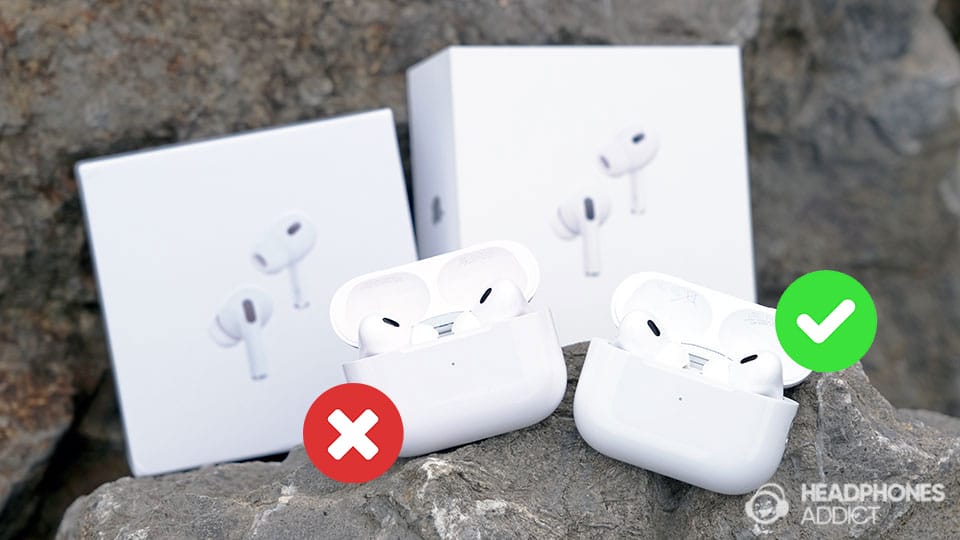
Credit: headphonesaddict.com
Understanding Price Vs Performance
Determining headphone value involves balancing cost with quality. Compare sound clarity, comfort, and durability. Higher price doesn’t always mean better performance.
Understanding the price versus performance of headphones can be a bit like navigating a maze. With countless models to choose from, how do you decide what truly offers value? You want headphones that sound great without breaking the bank. Let’s dissect this further and see how price and performance align.Budget Vs Premium Models
When you’re shopping for headphones, you might wonder if more expensive always means better. Budget models can surprise you with decent sound quality and comfort. Premium models often come with advanced features like noise cancellation and superior build quality. But does a higher price tag always justify the performance? Sometimes, budget models can meet your needs perfectly. If you’re using headphones casually, a budget option could be enough.Long-term Value
Consider how long you plan to use your headphones. Investing in a slightly pricier model might offer better durability and longevity. I once bought a cheap pair, thinking I’d save money. They broke within months, leading me to spend more in the long run. Think about the long-term value. Would you prefer buying once and enjoying quality, or replacing cheaper models frequently? It’s a choice between upfront savings and lasting satisfaction.Brand Reputation
Brands often play a role in your decision. Some brands are known for specific audio qualities or reliable customer service. A well-regarded brand might mean a better warranty or support. But brand reputation can sometimes be overrated. I bought a popular brand once, expecting excellence, only to find it didn’t suit my audio taste. Research user reviews and trust your ears. What matters more to you, brand prestige or personal preference? Your headphones should reflect your unique audio needs and priorities.Frequently Asked Questions
How Do I Find Out What Kind Of Headphones I Have?
Examine the headphones for brand name and model number, often printed on the headband or earcups. Check packaging or purchase receipt for details. Use online search with identified model for more information.
How Do I Know What Beat Headphones I Have?
Check the inside of the headband or ear cup for model information. Visit the Beats website for identification help. Use the original packaging or purchase receipt for model details. You can also use the Beats app for further assistance.
How Do I Find My Headphone Device?
Turn on your headphone and enable Bluetooth on your device. Search for available devices. Select your headphone from the list. If needed, consult the headphone manual for specific instructions.
How Do I Know What Headphones To Buy?
Consider sound quality, comfort, and price. Research reviews and compare brands. Identify your primary use: gaming, music, or travel. Check compatibility with your devices. Prioritize features like noise-cancellation, wireless connectivity, or battery life. Visit stores to test headphones personally. Choose based on your preferences and budget.
Conclusion
Understanding your headphones is essential. It enhances your listening experience. Look for sound quality. It matters most. Comfort also plays a key role. Ensure a good fit. Check connectivity features. Wireless or wired, choose wisely. Durability is important too. You want them to last.
Consider battery life if wireless. Long-lasting power means more music. Price matters but value is key. You get what you pay for. Finally, trust your preference. Your ears know best. Enjoy your music journey. Happy listening!