
Imagine transforming your living room into a personal cinema. The magic of a movie theater, complete with immersive sound and vivid visuals, right in the comfort of your home.
This is what home theater systems promise. But what exactly are they, and how can they elevate your entertainment experience? As you cozy up on your couch, ready to unwind, understanding the potential of these systems could be the key to unlocking endless enjoyment.
You deserve a viewing experience that’s not just good but unforgettable. Dive in as we explore what home theater systems are all about and how they can revolutionize the way you watch your favorite shows and movies.
Credit: www.walmart.com
Components Of Home Theater Systems
A home theater system transforms your living room into a cinema. Understanding its components can enhance your viewing experience. Each component plays a vital role in delivering quality sound and visuals.
Display Devices
The display device is the centerpiece of your home theater. Options include LED, OLED, and projectors. Screen size matters for immersive viewing. Choose a device that fits your space and budget.
Audio Systems
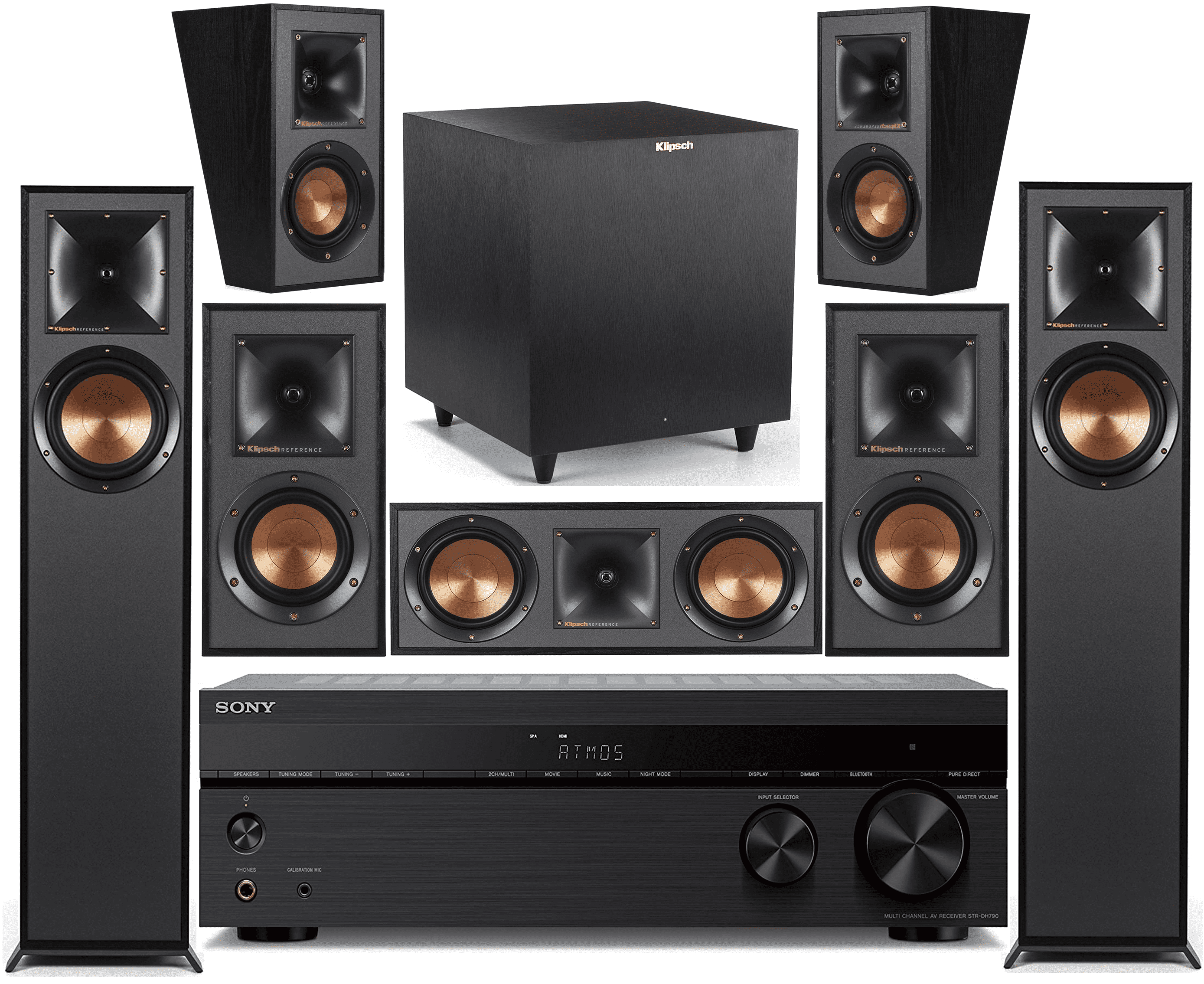
Audio systems provide rich and dynamic sound. They include speakers, subwoofers, and soundbars. Surround sound systems create a cinematic audio experience. Proper placement of speakers enhances sound quality.
Source Components
Source components deliver content to your system. These include Blu-ray players, streaming devices, and gaming consoles. They connect to your display and audio systems. Choose sources that support high-quality formats.
Control Systems
Control systems simplify managing your devices. They include remote controls and apps. Universal remotes allow seamless operation. Smart home integration offers convenience and efficiency.
Choosing The Right Display
Creating the perfect home theater experience is not just about sound; it’s equally about visuals. Choosing the right display is crucial to ensure your favorite movies and shows are as captivating as they can be. Have you ever wondered why some screens just don’t seem to do justice to your favorite action scenes? Let’s dive into the world of screens, resolutions, and placements to help you make the best choice for your home theater system.
Types Of Screens
There are several types of screens available, each offering unique benefits. LCD screens are popular for their affordability and energy efficiency. LED screens, a variant of LCD, provide brighter images and better contrast. For those seeking the ultimate picture quality, OLED screens offer deep blacks and vibrant colors. Consider what’s most important to you—do you prioritize cost, energy consumption, or visual quality?
Resolution Considerations
Resolution is another critical factor. A higher resolution means more pixels, resulting in sharper images. Standard options include HD (720p), Full HD (1080p), and Ultra HD or 4K. 4K is becoming the norm for a cinematic experience at home. It’s worth considering your viewing habits; if you stream a lot of 4K content, investing in a 4K screen might be a wise choice. What type of content do you consume most often?
Size And Placement
The size of your screen should match the size of your room. A gigantic screen in a tiny space can overwhelm, while a small screen in a large room might leave you squinting. Measure your viewing distance; generally, the screen size should be roughly half of your distance from the screen. Placement is equally important. Avoid direct sunlight that can cause glare, and ensure the screen is at eye level for comfortable viewing. Have you considered how your room’s layout affects your viewing experience?
Choosing the right display for your home theater is a personal journey. It’s about finding that sweet spot between types, resolution, size, and placement that suits your space and viewing habits. What step will you take first to upgrade your home theater experience?
Sound Quality Essentials
Sound quality is the heart of any home theater system. It transforms your viewing experience into something truly immersive. High-quality sound brings movies and music to life. It creates a captivating environment where you feel part of the action. Understanding sound essentials is key to enhancing your home entertainment setup.
Speaker Configurations
Speaker configurations define how sound spreads in your room. The most common setup is 5.1, featuring five speakers and one subwoofer. This setup offers a balanced sound field. For larger spaces, consider 7.1 or 9.1 systems. These options provide greater sound depth and clarity. Placement of speakers matters greatly. Position them correctly for optimal sound distribution.
Subwoofer Importance
The subwoofer is crucial for capturing low-frequency sounds. It adds depth to music and movie soundtracks. Without it, sound may feel flat and incomplete. A good subwoofer enhances the overall audio experience. It makes action scenes more thrilling. Choose a subwoofer that fits your room size. Larger rooms need more powerful subwoofers.
Soundbar Vs. Surround Sound
Soundbars offer a compact audio solution. They are easy to set up and manage. They are ideal for smaller spaces or minimalist setups. Surround sound systems provide a richer, more immersive experience. They require more space and setup effort. Both options have unique advantages. Choose based on your room size and audio preferences.
Media Sources And Connectivity
Home theater systems offer an immersive experience in your living room. They bring the cinema to your home with enhanced sound and visuals. Media sources and connectivity play a crucial role in this setup. Understanding different sources helps you get the most out of your system. Let’s explore some popular media sources.
Streaming Devices
Streaming devices provide access to a world of content. They connect to your internet and stream movies, shows, and music. Devices like Roku, Amazon Fire Stick, and Apple TV are popular choices. They are easy to connect and use. These devices support various apps and services like Netflix and Hulu. They offer high-definition streaming for a cinematic experience.
Blu-ray Players
Blu-ray players give you high-quality video and audio. They play Blu-ray discs with stunning clarity. They support both regular and 3D Blu-ray discs. Many players also stream online content through built-in Wi-Fi. They are a great option for watching your favorite films in top quality. You get better sound and picture than regular DVDs.
Gaming Consoles
Gaming consoles are not just for games. They are powerful media hubs too. Consoles like PlayStation and Xbox stream movies and music. They play DVDs and Blu-ray discs as well. They offer apps for popular streaming services. Consoles provide a versatile media experience. They keep entertainment options open for the whole family.
Setting Up Your Home Theater
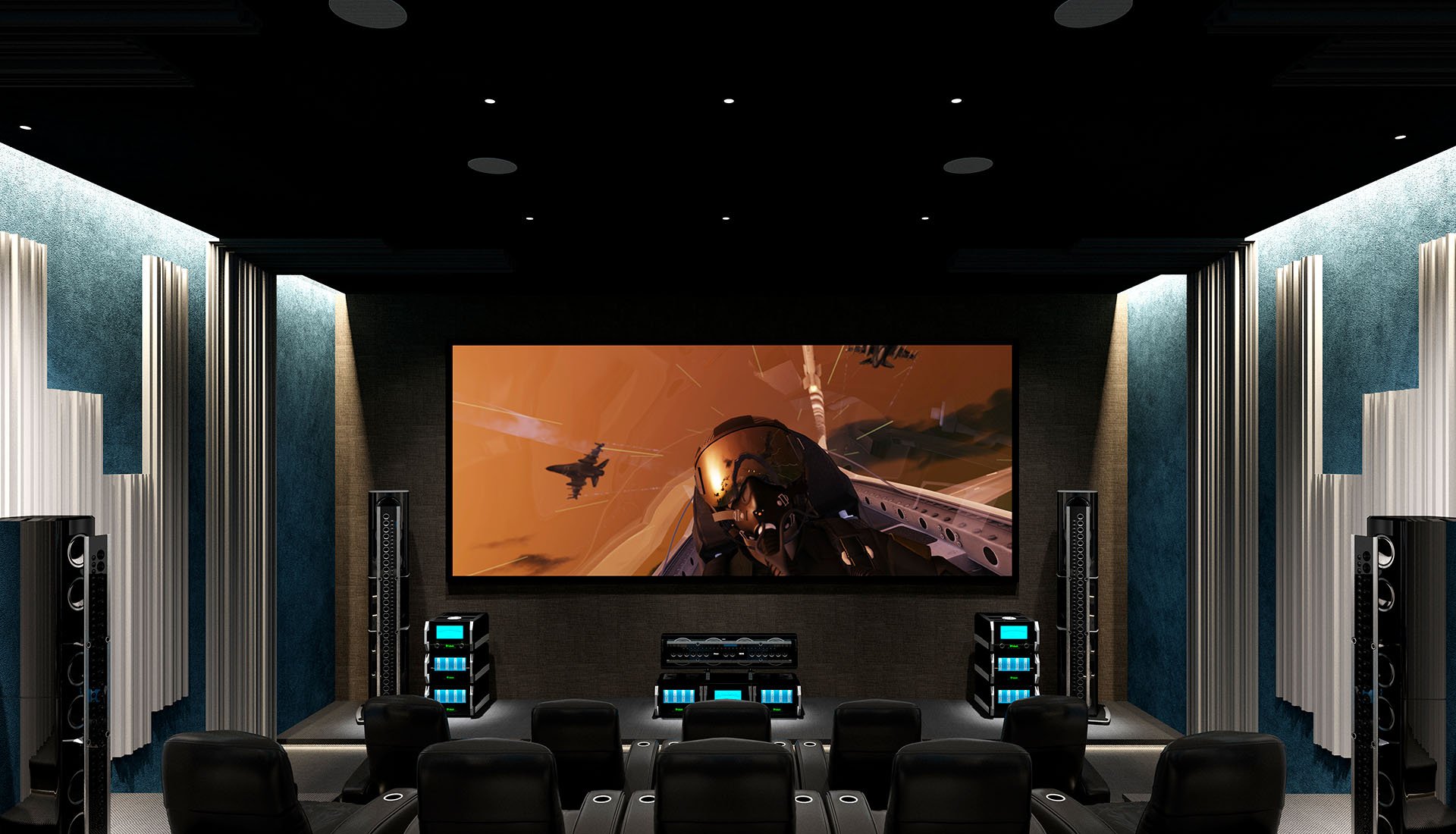
Creating a home theater can transform your movie nights. It offers an immersive experience right in your living room. Setting it up requires attention to detail. You need to consider acoustics, lighting, and furniture arrangement. Each aspect plays a vital role. Proper setup enhances the overall experience.
Room Acoustics
Sound quality is key to a great home theater. Rooms with hard surfaces can echo sound. Consider adding carpets or curtains. These materials absorb sound and reduce echo. Wall panels can also help. They improve the clarity of dialogue and music. Position speakers strategically. This ensures balanced sound distribution throughout the room.
Lighting And Ambiance
Lighting affects your viewing experience. Bright lights can cause glare on the screen. Use dimmable lights or lamps. They create a cozy atmosphere. Wall sconces are a good option. They direct light away from the screen. Consider installing blackout curtains. They block external light and enhance picture quality.
Furniture Arrangement
Comfort is essential in a home theater. Arrange seating to face the screen directly. Use recliners or sofas for relaxation. Ensure everyone has a clear view. Avoid placing seats too close or too far from the screen. Consider space for snacks and drinks. Small tables can be useful. They add convenience without cluttering the room.
Credit: www.mcintoshlabs.com
Enhancing The Experience
Home theater systems can transform movie nights into immersive experiences. Enhancing the experience is about making every detail count. From smart features to customizable sound, each element contributes to a seamless viewing pleasure. Let’s dive into how these features can elevate your home theater experience.
Smart Home Integration
Smart home integration adds convenience to your home theater. Use voice commands to control your system. Connect with smart devices for a more cohesive setup. Compatibility with home assistants ensures smooth operation. Simplify tasks with automated features. Adjust lighting and temperature from one device.
Virtual Reality Options
Virtual reality options offer a new level of immersion. Experience movies in a 360-degree view. Feel like you’re part of the action. Some systems support VR headsets. Dive into virtual worlds with ease. This feature enhances thrill and engagement.
Customizing Sound And Picture
Customizing sound and picture ensures optimal viewing. Adjust sound settings to suit your room. Tweak picture quality for better visuals. Personalize audio levels for clear dialogue. Fine-tune brightness and contrast settings. Create a tailored experience every time.
Budgeting For Your Home Theater
Home theater systems bring cinema-like experiences to your living room. They include speakers, a receiver, and a video display. Proper budgeting ensures you get the best value without overspending.
Creating a home theater system is an exciting project that can transform your living space into an entertainment haven. However, planning your budget is crucial to ensure you make the most of your investment without breaking the bank. Whether you’re a movie buff or a gaming enthusiast, understanding the financial aspects can help you make informed decisions and avoid unexpected surprises.
Cost Of Equipment
The first step in budgeting for your home theater is to consider the cost of equipment. Start by determining what type of system you want. Are you looking for a simple setup with a TV and soundbar, or do you envision a full surround sound experience with a projector and multiple speakers? Prices can vary dramatically. A basic setup might cost a few hundred dollars, while high-end systems can run into the thousands. It’s important to prioritize your needs and shop around for the best deals. Consider buying equipment during sales or exploring second-hand options. Many people upgrade their systems frequently, meaning you can find quality items at a fraction of the price.
Installation Expenses
Once you have your equipment, the next consideration is installation expenses. You might think, “I’ll just do it myself.” While DIY installation can save money, it may not always be the best option. Professional installation ensures everything is set up correctly and efficiently. It can also prevent future issues that might arise from incorrect wiring or placement. Think about the complexity of your setup. If you’re installing in-wall speakers or a projector, professional help might be worth the extra cost. However, if it’s a straightforward TV and soundbar, you might tackle it yourself with some guidance.
Long-term Value
When budgeting, consider the long-term value of your home theater system. Investing in quality equipment can save money in the long run, reducing the need for frequent replacements or repairs. A friend of mine once opted for cheaper speakers, thinking it would be sufficient. A year later, he had to replace them because the sound quality deteriorated. Spending a bit more upfront can often mean better durability and performance. Ask yourself, “Will this system satisfy my needs for the next five years?” If yes, then you’ve made a wise choice. If not, it might be worth adjusting your budget to ensure longevity. In the end, the key is to balance cost with value. Are you ready to turn your living room into a cinematic paradise without draining your savings?
Maintaining Your System
Maintaining your home theater system is crucial to ensure a seamless entertainment experience. Just like any other technology, these systems require regular attention and care. But how do you keep everything running smoothly? Let’s dive into some practical strategies that will help you maintain your system effectively.
Regular Updates
Keeping your system’s software updated is essential. Manufacturers often release updates that fix bugs and improve performance. These updates can enhance sound quality or add new features. Set a reminder to check for updates monthly.
Updating your system is like giving it a fresh breath of life. Have you ever noticed how your phone runs smoother after an update? The same applies here. Regular updates ensure you’re getting the best experience possible.
Troubleshooting Common Issues
Even the best systems encounter hiccups. Is your sound not syncing with the video? Start by checking the cables and connections. Sometimes, a simple restart can resolve the issue.
If you face persistent problems, consult your system’s manual or online forums. Many users have faced similar issues and may offer solutions. You might discover a quick fix that saves you time and frustration.
Professional Maintenance Tips
Consider scheduling a professional maintenance check annually. Technicians can spot potential issues before they become major problems. They ensure everything is calibrated correctly, optimizing your system’s performance.
Think of it like getting your car serviced. You don’t wait until it breaks down, right? A professional can offer insights you might not have considered. It could be the difference between a good and great viewing experience.
Maintaining your home theater system doesn’t have to be a chore. With regular updates, troubleshooting, and professional checks, you can enjoy a flawless movie night every time. What steps will you take to keep your system in top shape?
Credit: www.themasterswitch.com
Frequently Asked Questions
What Is A Home Theater System?
A home theater system is an entertainment setup that mimics a cinema experience at home. It includes a large screen, surround sound speakers, a receiver, and media players. This system enhances movie and music enjoyment with superior audio and visual quality, providing an immersive viewing experience.
What Is The Difference Between A Home Theater System And Surround Sound?
A home theater system includes multiple components like a TV, receiver, and speakers for immersive viewing. Surround sound refers to audio technology using multiple speakers to create a 3D audio experience. Home theater enhances both sound and visuals, while surround sound focuses on audio quality.
What Is Needed For A Home Theater Sound System?
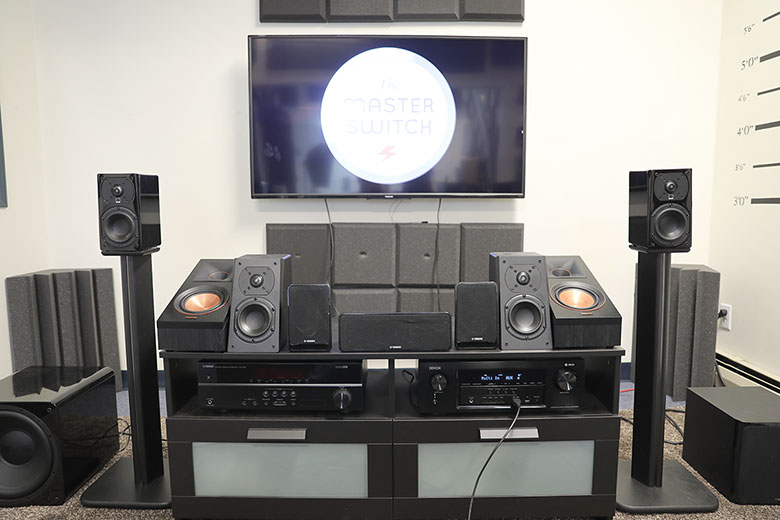
A home theater sound system needs a receiver, speakers, subwoofer, audio cables, and a media player. Ensure compatibility and proper placement for optimal sound quality.
What Is The Golden Rule For Home Theater?
The golden rule for home theater is to prioritize sound quality. Optimize speaker placement for immersive audio experience. Consider room acoustics and seating arrangement. Invest in high-quality audio equipment and calibrate settings. Balance sound and visuals for maximum enjoyment.
Conclusion
Home theater systems transform your entertainment experience. They bring cinema-like quality home. Clear sound and vivid images enhance every movie night. Choosing the right system depends on your space and needs. Consider speaker types, screen size, and budget. Installation can be simple or professional.
Research and compare options for the best fit. Enjoy music, movies, and games like never before. A good system offers immersive sound and stunning visuals. It creates a cozy, engaging atmosphere. Perfect for family and friends. Investing in a home theater system enriches leisure time.
A worthwhile addition to any home.