
Imagine holding your phone without its trusty case or trying to untangle a web of earphones. Phone accessories have become a crucial part of our daily lives, enhancing not just the functionality, but also the style of our devices.
But have you ever wondered what these essential gadgets are made of? Understanding the materials in your favorite phone accessories can change how you choose and use them, impacting everything from durability to environmental footprint. Dive into the world of phone accessories and discover the surprising elements that make your gadgets not only efficient but also fashionable.
You’ll be amazed at how knowing this can influence your next purchase, ensuring you pick the best for your needs. Let’s unravel the mystery of what lies beneath the surface of your indispensable phone companions.

Credit: www.amazon.com
Materials Used In Phone Cases
The materials used in phone cases are diverse, reflecting the unique needs of users and the innovative designs of manufacturers. Each material offers distinct benefits, whether it’s durability, style, or functionality. Understanding what your phone case is made from can help you choose one that best suits your lifestyle and protects your device effectively.
Silicone And Rubber
Silicone and rubber cases are popular for their flexibility and shock absorption. They provide a snug fit, which prevents dust and dirt from getting in between the case and the phone.
These materials offer excellent grip, reducing the chances of accidental drops. Have you ever felt anxious about your phone slipping out of your hand? With a silicone case, you might feel more secure.
On top of that, these cases are often available in vibrant colors, allowing you to express your personality while protecting your device.
Polycarbonate And Plastic
Polycarbonate and plastic cases are known for their rigid structure and durability. They are commonly used in hard-shell cases that provide robust protection against scratches and impacts.
These cases often have sleek designs that add minimal bulk to your phone. If you prefer a slim profile for your device, these materials might be the perfect choice.
Some even come with features like kickstands or card slots, adding practical functionality to your everyday use.
Leather And Fabric
Leather and fabric cases exude elegance and sophistication. Leather cases offer a premium feel and are often chosen for their aesthetic appeal.
Fabric cases provide a unique texture and can come in various patterns, allowing for personalization. These materials might remind you of the comfort and style you seek in accessories beyond tech.
While they may not offer the same level of impact protection as other materials, their style can make a compelling argument for choosing them.

Credit: www.amazon.com
Screen Protectors And Their Composition
Phone accessories like screen protectors are often crafted from materials such as tempered glass and polyethylene terephthalate. These materials provide durability and clear visibility. Both options shield screens from scratches and impacts, enhancing device longevity.
Screen Protectors and Their Composition Screen protectors are essential for phone durability. They shield against scratches and cracks. Different materials offer unique benefits. Understanding these can help in choosing the right type.
Tempered Glass
Tempered glass offers robust protection. It’s made by heating glass and cooling it rapidly. This process strengthens the material. It’s durable and resistant to scratches. The glass feels smooth under fingers. It mimics the phone screen’s texture. Users enjoy its clarity and touch sensitivity. Tempered glass is a popular choice for high protection.
Plastic Films
Plastic films are lightweight and flexible. They are composed of polyethylene terephthalate or PET. This material is known for its transparency. It provides basic scratch protection. Plastic films are easy to apply and remove. They’re cost-effective compared to other types. Their thinness allows for unobstructed touch response. This option suits users seeking minimal coverage.
Hydrogel
Hydrogel is a newer material. It’s made from gel-like substances. It can self-heal minor scratches. Hydrogel is soft and flexible. It adapts to curved screens well. This makes it perfect for edge-to-edge protection. Its elasticity absorbs impacts efficiently. Many users appreciate hydrogel’s unique feel and protective qualities. It offers a modern solution for screen safety.
Charging Cables And Connectors
Phone accessories like charging cables and connectors are crafted from durable materials. They often use metals like copper for conductivity and plastic for insulation. These materials ensure efficient charging and long-lasting performance.
Charging cables and connectors are vital components of our daily tech use. They power up devices and keep us connected. Understanding what they are made of can help you choose better. These materials impact durability, efficiency, and safety.
Copper And Aluminum
Copper is widely used in charging cables. It conducts electricity efficiently. Copper wires ensure fast charging and data transfer. Aluminum is a cheaper alternative. It is lightweight and resistant to corrosion. Sometimes, manufacturers use a mix of both. This blend balances cost and performance.
Rubber And Plastic Coating
Rubber and plastic coat the wires inside cables. This protective layer keeps wires safe from damage. It prevents electric shocks and ensures durability. Rubber is flexible and resistant to wear. Plastic is affordable and easy to mold. These coatings come in various colors. They help distinguish different cables.
Innovative Materials
Some brands use new materials for charging cables. Nylon braiding is popular for its strength. It prevents tangling and adds style. Silicone offers flexibility and heat resistance. These materials enhance the user experience. They provide longer-lasting solutions. Investing in quality materials can save money over time.
Headphones And Earbuds Components
Phone accessories like headphones and earbuds often use materials such as plastic, metal, and silicone. These components ensure durability and comfort. Modern designs focus on lightweight materials for ease of use and portability.
Headphones and earbuds are essentials for music lovers. They deliver sound directly to your ears. But what are these devices made of? The materials used in headphones and earbuds affect their performance and comfort.
Metal And Plastic
Many headphones have metal parts. The headband and earcup frames often use aluminum or stainless steel. Metal provides durability and strength. Plastic is another common material. It is lightweight and cost-effective. Plastic covers and casings are easy to mold into different shapes.
Silicone And Foam
Earbuds often use silicone for ear tips. Silicone is flexible and soft. It fits snugly in the ear canal, blocking outside noise. Foam is another material used for ear tips and padding. Foam conforms to the shape of your ear, offering comfort and sound isolation.
Advanced Materials
Some headphones use advanced materials like carbon fiber. Carbon fiber is strong and lightweight. It reduces the weight of headphones, enhancing comfort. High-end models may use leather or memory foam. These materials improve comfort and provide a premium feel.
Phone Holders And Mounts
Phone holders and mounts are crafted from durable materials like plastic, metal, and silicone. These components ensure stability and protection for your device. High-quality construction prevents damage and enhances user experience.
Phone holders and mounts have become essential accessories for anyone who uses a smartphone. Whether you’re navigating with GPS, watching videos, or video-calling hands-free, these nifty tools keep your device secure and accessible. But have you ever wondered what materials are used to craft these indispensable phone accessories? Let’s dive into the various materials that make phone holders and mounts both durable and functional.
Plastic And Metal
Many phone holders are made from plastic or metal. Plastic is popular due to its lightweight nature and cost-effectiveness. You’ll find plenty of dashboard mounts made from high-grade plastics that can withstand temperature variations. Metal, on the other hand, offers a sleek design and superior strength. Ever tried a metal holder? The solid feel and durability can be quite reassuring, especially if you’re worried about wear and tear over time.
Rubber And Silicone
Rubber and silicone are used for parts that need flexibility and grip. Imagine driving down a bumpy road; the silicone grip on your mount ensures your phone stays put. These materials are great for absorbing shock and offering a non-slip surface, making them perfect for holding your phone securely. Silicone, in particular, has a soft touch that prevents scratches, adding an extra layer of protection for your device.
Magnetic Materials
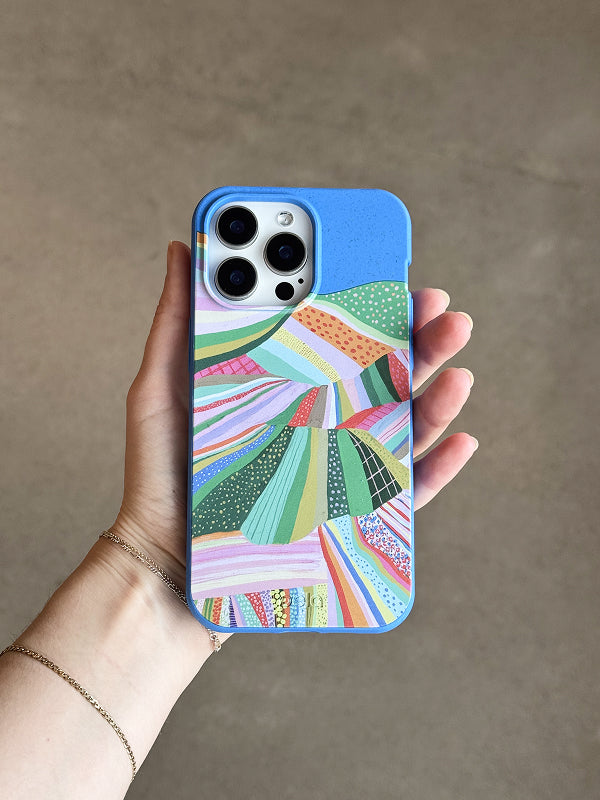
Magnetic mounts are gaining popularity for their ease of use. With a simple touch, your phone adheres to the mount without any need for clips or brackets. These mounts often use rare-earth magnets, which are strong enough to hold your phone securely yet gentle enough not to interfere with its functions. Have you ever experienced the simplicity of a magnetic mount? It’s like having a personal assistant that holds your phone exactly where you want it, with minimal fuss. Have you ever thought about the materials in your phone holder and how they impact your daily life? Considering the different materials can help you choose the best accessory for your needs, ensuring your phone stays safe and accessible wherever you go.
Credit: pelacase.com
Wireless Chargers And Their Materials
Wireless chargers have become essential in our tech-filled lives. They offer a convenient way to charge devices without cables. Understanding what they’re made of can help us appreciate their design and functionality.
Plastic And Metal
Plastic forms the outer shell of many wireless chargers. It’s lightweight and durable. It protects the internal components and offers an aesthetic look. Metal parts are sometimes used for structural support. Metals like aluminum provide strength and heat dissipation.
Copper Coils
Copper coils are crucial in wireless chargers. They create the electromagnetic field needed for charging. Copper is chosen for its excellent conductivity. It efficiently transfers energy to the device. The arrangement of these coils affects charging speed and efficiency.
Innovative Fabrics
Some chargers feature innovative fabrics for a stylish touch. These fabrics are often eco-friendly and add a modern look. They can enhance grip and reduce slipping. The use of such materials reflects a trend towards sustainable design.
Environmental Impact Of Materials
Phone accessories often use plastic, metal, and silicone materials. These elements contribute to pollution and resource depletion. Sustainable alternatives are being explored to reduce environmental harm.
The environmental impact of materials used in phone accessories is a growing concern. Every time you purchase a new case or charger, you’re making a choice that affects our planet. While these small items might seem insignificant, their production and disposal contribute to pollution and waste.
Biodegradable Options
Biodegradable phone accessories are gaining popularity as a way to reduce environmental impact. Made from materials like bamboo, cork, or bioplastics, these products naturally break down over time. Imagine a phone case that doesn’t clutter a landfill for hundreds of years—wouldn’t that be amazing? Choosing biodegradable options can be a simple yet effective step towards more sustainable living. You can find phone cases, screen protectors, and even chargers made from biodegradable materials. Next time you shop for accessories, consider if that sleek design aligns with your values.
Recycling And Sustainability
Recycling plays a crucial role in the sustainability of phone accessories. Many brands are now offering recycling programs where you can send back old cases and chargers. But do you know how many of these actually get recycled? The reality is that while recycling rates are improving, not all materials can be recycled. Metals and certain plastics used in phone accessories often end up in landfills. As a consumer, opting for products made from recycled materials can make a difference.
Future Trends
The future of phone accessories is leaning towards eco-friendly innovations. Companies are exploring materials like mushroom leather and algae-based plastics. These cutting-edge options not only reduce waste but also promote biodiversity. Imagine a world where your phone case could be part of a circular economy. Future trends in materials may offer more sustainable choices, but will consumers support these innovations? Your purchasing power can drive change and encourage brands to adopt greener practices. Your next phone accessory choice could be more than just a style statement; it could be a step towards a healthier planet.
Frequently Asked Questions
What Material Is Used For Phone Covers?
Phone covers use materials like silicone, plastic, leather, metal, and rubber. Silicone offers flexibility and grip. Plastic provides durability and cost-effectiveness. Leather adds elegance and luxury. Metal ensures robust protection. Rubber offers shock absorption. Choose based on personal preference and protection needs.
What Are Accessories For Phones?
Phone accessories enhance functionality and style. Popular items include cases, chargers, screen protectors, earphones, and stands. These accessories offer protection, improve usability, and personalize the device. Choose options that suit your needs and lifestyle for optimal phone performance.
What Kind Of Plastic Is A Phone Case Made Of?
Phone cases are often made from polycarbonate or thermoplastic polyurethane (TPU) plastic. These materials offer durability and flexibility. Polycarbonate provides strong protection, while TPU is softer and shock absorbent. Some cases also use silicone or hybrid combinations for enhanced features.
Are Phone Cases Pvc?
Many phone cases are made from PVC, a durable plastic material. PVC offers protection and comes in various styles. Always check product details to confirm material composition.
Conclusion
Phone accessories come in many materials. Plastic, metal, and silicone are common. Each offers unique benefits. Plastic is lightweight. Metal is durable. Silicone provides grip. These materials enhance functionality and style. Choosing the right accessory depends on your needs. Consider durability and comfort.
Also, think about environmental impact. Some materials are more eco-friendly. Stay informed about new materials. Technology evolves fast. Selecting the right accessory improves your phone experience. It also reflects personal style. So, explore options and make informed choices. Your phone deserves quality accessories.