
Ever wondered why sometimes your phone charges in a flash while other times it seems to take forever? The speed at which your phone charges can be a real game-changer, especially when you’re in a hurry.
Imagine needing to dash out the door with only a few precious minutes to spare, and your phone is almost dead. Frustrating, right? Understanding what determines how fast your phone charges can save you from those panic moments. It’s not just about the charger you use; there are several factors at play.
Curious to discover what these factors are and how you can optimize your charging speed? Stick around. By the end of this article, you’ll be armed with all the insights you need to make informed decisions about your phone’s charging habits. Let’s dive in and unlock the secrets to supercharging your phone’s battery life.
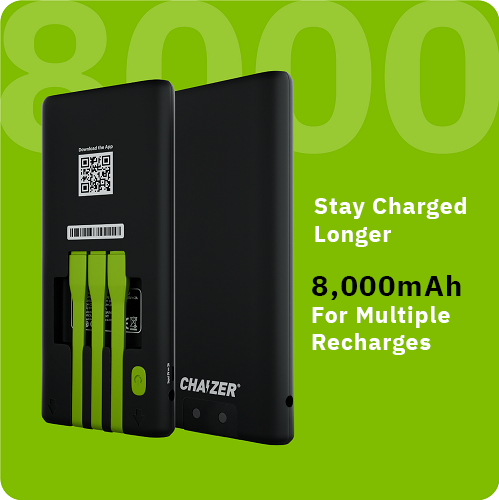
Credit: chaizer.com
Charging Speed Basics
Understanding the basics of charging speed helps improve your phone’s efficiency. Charging speed depends on several factors. These include voltage, current, and charging protocols. Knowing these factors can help you charge your phone faster and more effectively.
Voltage And Current
Voltage and current play a crucial role in charging speed. Voltage is the electric pressure that pushes electricity through a circuit. Current is the flow of electric charge. A higher voltage or current can charge your phone faster. Chargers with higher voltage or current ratings usually charge more quickly. However, your phone must support these ratings to benefit from them.
Charging Protocols
Charging protocols determine how a phone communicates with a charger. They ensure safe and efficient charging. Different phones support different protocols. Some common protocols include Quick Charge and USB Power Delivery. These protocols allow for faster charging by optimizing voltage and current levels. Always use a charger that supports your phone’s protocol for optimal performance.

Credit: www.amazon.com
Battery Capacity
Battery capacity is a key factor in determining charging speed. It refers to the amount of energy a battery can store. A larger capacity means more energy, which affects charging time. Understanding how battery capacity impacts charging helps make informed decisions about phone usage and accessories.
Battery Size
Battery size directly affects charging speed. Larger batteries take longer to charge. They store more energy, providing longer usage times. Small batteries charge quickly but drain faster. Consider your usage patterns when choosing battery size. A larger battery is ideal for heavy users. Light users may prefer a smaller, quicker-charging battery.
Impact On Charging Time
The capacity impacts how fast a phone charges. Larger batteries require more power and time. Chargers with higher wattage can speed up the process. Fast chargers deliver more power in less time. But they must be compatible with the battery. Using the right charger ensures efficient charging. It also extends battery life. Always check charger compatibility to maximize efficiency.
Charger Types
Understanding charger types is crucial for knowing how fast your phone charges. Different chargers have unique features and capabilities. Choosing the right type affects your phone’s charging speed and efficiency.
Standard Vs. Fast Chargers
Standard chargers are the most common. They typically offer an output of 5W to 10W. Suitable for overnight charging, they are slower but safe for battery health. Fast chargers, on the other hand, provide higher wattage, often ranging from 15W to 100W. These chargers fill up your battery quicker. They are ideal for those needing a quick power boost during the day.
Fast chargers use advanced technology. They adjust voltage and current, providing optimal charging speed. Not all phones support fast charging. Check your phone’s compatibility before purchasing a fast charger.
Wireless Charging Options
Wireless charging is convenient and clutter-free. It uses electromagnetic fields to transfer power. Place your phone on a charging pad, and it begins charging instantly. There are two main standards: Qi and Powermat. Qi is more widely adopted and compatible with most devices.
Wireless charging speeds vary. Some offer standard charging speeds, while others provide fast wireless charging. Fast wireless chargers can deliver up to 15W of power. They are slower than wired fast chargers but offer ease of use. Ensure your phone supports wireless charging before investing in a wireless charger.
Cable Quality
Cable quality plays a crucial role in determining how fast your phone charges. It’s not just about plugging in any cable and expecting optimal performance. The material and build of the cable, along with its length, can significantly impact charging speed.
Material And Build
The materials used in a cable can determine both its durability and performance. High-quality cables typically use thicker wires and better insulation, which allows for faster charging by reducing resistance. Cheaper cables might save you money upfront but often lack the capacity to deliver the necessary power efficiently.
For example, a cable with a braided exterior offers better protection against wear and tear, ensuring longevity. Have you ever bought a cable that seemed to fray within weeks? Investing in a well-built cable can save you from those frequent replacements.
Length Considerations
The length of your charging cable can also influence charging speed. Longer cables tend to have more resistance, which can slow down the charging process. If you often find yourself needing a longer cable for convenience, consider the potential trade-off in speed.
It’s a common scenario: you’re lying in bed, phone in hand, and the socket is just too far away. While it might be tempting to go for a longer cable, choosing a shorter one when possible ensures faster and more efficient charging.
Think about your typical charging situations. Are you prioritizing convenience over speed? Balancing these aspects could lead to a more satisfying charging experience.
Device Settings
Your phone’s charging speed can vary based on its settings. Device settings play a crucial role in how fast your phone charges. Understanding these settings can help optimize your device for faster charging.
Power-saving Modes
Activating power-saving modes can influence charging speed. These modes reduce energy consumption, allowing the battery to charge more efficiently. They limit background processes, conserving energy. This helps the battery to focus on charging. Many phones have different levels of power-saving modes. Each level affects battery usage differently. Choosing the right mode can make a difference in charging speed.
Background Apps
Background apps can drain your phone’s battery even while charging. These apps run tasks, consuming power. Closing them can improve charging speed. Check which apps are running in the background. Some apps may auto-update or sync data, using extra power. Disable non-essential apps to save energy. This helps the battery focus on getting charged quickly.
Environmental Factors
Environmental factors play a significant role in determining how fast your phone charges. Often overlooked, these external elements can either speed up or slow down the charging process. Understanding how your surroundings affect your device might just lead you to a faster charging experience.
Temperature Effects
Did you know that the temperature of your surroundings can impact your phone’s charging speed? Charging in extreme heat can cause your device to overheat, leading to slower charging and potential damage. Conversely, charging in a cooler environment can help maintain optimal charging speeds. A simple fix could be to charge your phone in a room with moderate temperature or avoid placing it in direct sunlight while charging.
Usage During Charging
Using your phone while it’s charging can significantly slow down the process. Activities like gaming or video streaming consume a lot of power, diverting electricity from charging to usage. Have you ever noticed your phone charges faster when you let it rest? You can accelerate charging times by minimizing usage or enabling airplane mode. It might be tempting to keep using it, but a little patience can go a long way in achieving a quicker charge.
Technological Advancements
Technological advancements play a key role in how fast your phone charges. Many innovations focus on reducing charging time, making life more convenient. Understanding these technologies can help you choose the best options for your phone.
Quick Charge Technologies
Quick charge technologies are crucial for faster phone charging. They boost power delivery to your device, speeding up the charging process. Various brands offer their own versions, like Qualcomm’s Quick Charge or Apple’s fast charging. These technologies adjust the power level, ensuring efficient energy transfer without overheating.
Future Trends
Future trends aim to enhance charging speed even further. Wireless charging is growing, allowing users to charge without cables. Innovations like GaN chargers promise better efficiency and smaller sizes. As battery technology improves, faster charging will become more common, making it a standard feature in new phones.

Credit: support.apple.com
Frequently Asked Questions
What Determines The Speed Of Charging A Phone?
The speed of charging a phone depends on the charger’s power output, the phone’s battery capacity, and compatibility. Fast-charging technology, such as USB-C or proprietary systems, also plays a role. Ensure your device supports fast charging for optimal speed.
Is A 20w Or 30w Charger Faster?
A 30W charger is faster than a 20W charger. It delivers more power, resulting in quicker device charging. Always check your device’s compatibility before using a higher-wattage charger to ensure safety and optimal performance.
What Determines How Fast A Battery Can Charge?
Battery charging speed is determined by its capacity, charger output, and battery chemistry. High-capacity batteries charge slower. Charger output must match or exceed battery requirements. Lithium-ion batteries generally charge faster than other types. Temperature and state of charge also impact charging speed.
Always use compatible chargers for optimal performance.
What Charges Faster, 1.0 A Or 2.4 A?
2. 4 A charges faster than 1. 0 A. Higher amperage provides more power, speeding up the charging process significantly.
Conclusion
Charging speed depends on several factors. Charger type matters. Fast chargers speed up the process. Cable quality also affects charging time. A good cable ensures faster charging. The phone’s battery health is crucial too. Older batteries charge slower. Software updates can optimize charging.
Newer updates may improve speed. Background apps can slow charging. Close unused apps for faster results. Keep your phone cool while charging. Heat slows down charging speed. Understanding these factors helps manage charging time. Enjoy quicker charges with these tips.