
Imagine harnessing the earth’s natural energy to keep your home comfortable all year round. Geothermal heating and cooling systems offer a sustainable and efficient way to do just that.
But what exactly does geothermal heating and cooling entail? As you explore this innovative solution, you’ll discover how it taps into the stable temperatures below the ground to provide consistent indoor climate control. The benefits are compelling—reduced energy bills, minimal environmental impact, and unparalleled comfort.
You might be wondering if this could be the perfect fit for your home. Dive into the details and unravel the secrets behind geothermal systems, and see how they could transform your living space into a haven of efficiency and eco-friendliness.
Benefits Of Geothermal Systems
Geothermal heating and cooling systems provide energy-efficient climate control by using the Earth’s natural temperature. These systems lower energy costs and reduce carbon emissions, making them environmentally friendly. They offer consistent comfort in homes and buildings year-round.
Geothermal heating and cooling systems offer a range of benefits that are increasingly appealing to homeowners and businesses alike. As you consider making the switch, understanding the advantages can help you make an informed decision. These systems tap into the earth’s natural heat, providing a sustainable solution that’s both efficient and environmentally friendly. Let’s dive into the benefits of geothermal systems:
Energy Efficiency
Geothermal systems are renowned for their energy efficiency. Unlike traditional HVAC systems that rely on fossil fuels, geothermal setups utilize the consistent temperature of the earth to heat and cool your home. This means they require less energy to operate, often reducing electricity consumption by up to 50% compared to conventional systems. Imagine the difference it could make on your monthly energy bill!
Environmental Impact
The environmental impact of geothermal systems is considerably lower than that of traditional heating and cooling methods. By harnessing renewable energy from the ground, these systems significantly reduce greenhouse gas emissions. If you’re passionate about reducing your carbon footprint, geothermal is a strong contender. Have you ever considered how your choice of heating could contribute to a cleaner planet?
Cost Savings
While the initial setup costs for geothermal systems can be higher, the long-term savings are substantial. The reduced energy usage directly translates to lower utility bills. Additionally, many regions offer tax incentives and rebates for installing geothermal systems, easing the financial burden of the upfront investment. Picture the cumulative savings over the years — it might just be the smartest financial decision for your home. By embracing geothermal heating and cooling, you not only enhance your home’s efficiency but also contribute positively to the environment, all while saving money in the long run. Could this be the change your home needs?
How Geothermal Heating Works
Geothermal heating offers a sustainable way to heat homes using the earth’s energy. It taps into the consistent underground temperature to provide warmth. This method reduces reliance on fossil fuels and cuts energy bills.
Heat Pump Functionality
The heat pump is central to geothermal systems. It transfers heat from the ground into the home. This device circulates a fluid through pipes buried underground. As the fluid absorbs heat, it returns to the heat pump. The pump then distributes the heat throughout the house.
Ground Loop Systems
Ground loop systems consist of pipes buried in the earth. These loops can be installed horizontally or vertically. Horizontal loops are laid in trenches, while vertical loops go deep into the ground. The choice depends on available space and soil conditions.
These loops collect heat from the earth and move it to the heat pump. This system is highly efficient and lasts for decades. It leverages the earth’s stable temperature for consistent heating.
Cooling With Geothermal Energy
Geothermal heating and cooling use the earth’s constant temperature for energy-efficient climate control. This system reduces dependency on fossil fuels, offering sustainable comfort. It harnesses underground heat in winter and cools homes in summer, promoting eco-friendly living.
Cooling with geothermal energy is an innovative solution that uses the Earth’s stable underground temperatures to efficiently cool your home. Imagine escaping the sweltering summer heat by tapping into the natural coolness of the Earth beneath your feet. It’s a sustainable way to keep your living space comfortable, and it offers a unique advantage over traditional air conditioning systems.
Reverse Cycle Operation
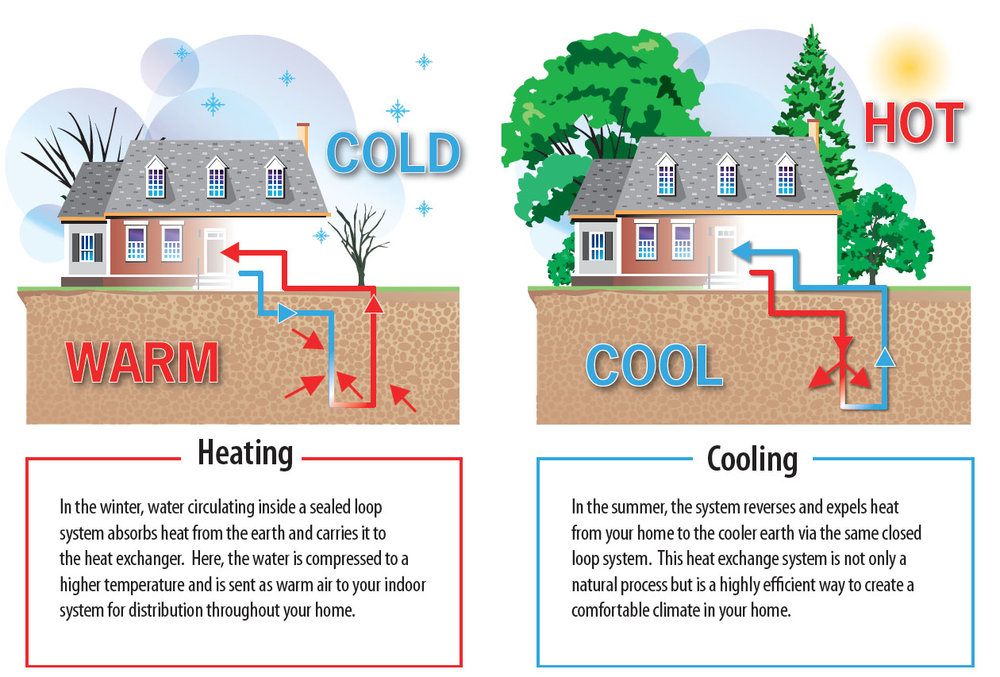
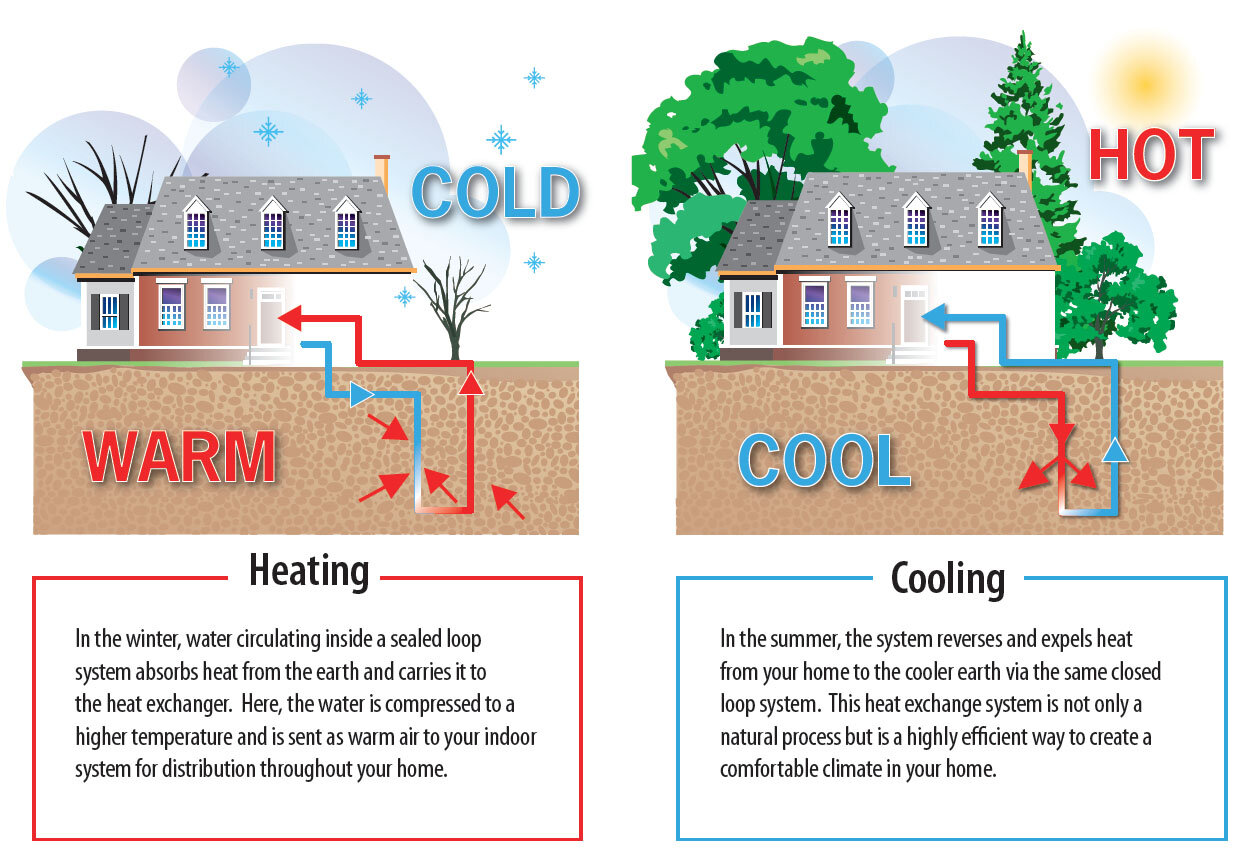
Geothermal systems are designed with versatility in mind, using a reverse cycle operation to transition seamlessly between heating and cooling. During the summer, the system extracts heat from your home and transfers it into the ground. This process is energy-efficient because the Earth’s temperature is cooler than the air outside, making it easier to dispose of unwanted heat. The reverse cycle operation is not just about cooling; it’s about maximizing efficiency. By using the same system to heat in winter and cool in summer, you reduce the need for multiple units. This can lead to significant energy savings and a more streamlined setup in your home.
Temperature Regulation
One of the most appealing aspects of geothermal cooling is its ability to maintain a consistent indoor temperature. Unlike traditional air conditioning units that may struggle on particularly hot days, geothermal systems rely on the stable temperatures underground. This means that even during extreme weather conditions, your home’s cooling system remains reliable and effective. Temperature regulation with geothermal systems is not only about comfort; it’s about control. You can set your desired indoor climate and trust that the system will maintain it efficiently. This level of control can improve your quality of life, making your home a more pleasant place to be, regardless of the weather outside. Have you ever considered the impact of stable indoor temperatures on your energy bills? With geothermal cooling, the predictability of your system’s operation can lead to reduced costs and a smaller carbon footprint.
Credit: jewellmechanical.com
Installation Process
Embracing geothermal heating and cooling is a step towards sustainable living, but the installation process is crucial for ensuring efficiency and longevity. It’s a journey that transforms your home into a haven of eco-friendly comfort. From evaluating your site to professional setup, each stage of installation requires careful consideration and expert guidance.
Site Assessment
The first step in installing a geothermal system is a comprehensive site assessment. This is where experts evaluate your land to determine its suitability for geothermal technology. Factors like soil type, land area, and ground temperature play a significant role in this evaluation.
Imagine your backyard as a treasure trove waiting to be tapped. The assessment ensures you have the right conditions to harness the earth’s natural energy. It’s like finding hidden potential in your own property.
System Design
Once the site assessment confirms viability, the next step is designing a system tailored to your home’s needs. This involves calculating the energy requirements and planning the loop system that will go underground.
Think of this as customizing your energy solution. The design phase ensures your system is optimized for performance, much like tailoring a suit to fit perfectly. It’s a critical step where efficiency meets practicality.
Professional Installation
With the design in place, professional installation comes into play. Skilled technicians handle the complex task of drilling and laying the geothermal loops. Their expertise ensures the system is installed correctly and safely.
Consider the installation as building the foundation of your energy-efficient future. The precision and care taken during this phase are akin to crafting a masterpiece. It’s where your investment in renewable energy truly begins to pay off.
As you consider geothermal heating and cooling, imagine each step of the installation process as a layer in creating a sustainable environment. What insights will you uncover as you transform your home into a model of eco-friendliness?
Maintenance Requirements
Geothermal heating and cooling systems require regular checks to ensure efficiency. Inspect pipes, heat pumps, and fluid levels periodically. Clean filters and monitor system performance to prevent issues.
Geothermal heating and cooling systems are renowned for their efficiency and eco-friendliness. However, like any other home system, they require regular maintenance to function optimally. Understanding the maintenance requirements can ensure your system delivers consistent comfort and longevity.
Routine Checks
Routine checks are essential to keep your geothermal system in top shape. You should regularly inspect the heat pump to ensure it’s operating efficiently. Clean or replace air filters every 3-6 months to maintain good air quality and system efficiency. Don’t forget to examine the outdoor unit for debris or damage. Check the antifreeze levels in the loop system, as low antifreeze can indicate leaks. Scheduling a professional inspection annually can also prevent minor issues from becoming costly repairs.
Long-term Reliability
With proper maintenance, geothermal systems offer long-term reliability. They can last up to 25 years or more, making them a solid investment in sustainable energy. But what does this long-term reliability mean for you? It means fewer breakdowns and more savings on repair costs. Imagine the peace of mind knowing your heating and cooling is both efficient and dependable. Regular maintenance ensures your system stays reliable, providing consistent comfort for years. Have you ever wondered how small actions today can impact your future comfort? By committing to regular checks and professional inspections, you can extend the life of your geothermal system. This proactive approach not only saves money but also supports environmental sustainability.
Credit: www.airmccoy.com
Comparing Geothermal With Traditional Systems
Geothermal heating and cooling harnesses the Earth’s natural energy, offering a sustainable alternative to traditional HVAC systems. It reduces energy consumption by utilizing stable underground temperatures, leading to lower utility bills and less environmental impact.
Comparing geothermal systems with traditional heating and cooling methods reveals significant differences. Geothermal systems tap into the earth’s stable temperatures. Traditional systems rely on external air temperatures. This comparison helps you understand which system suits your needs.
Efficiency Differences
Geothermal systems offer higher efficiency. They use the earth’s natural heat. This reduces the energy needed for heating and cooling. Traditional systems often face temperature fluctuations. They require more energy to maintain comfort. Geothermal systems maintain consistent efficiency year-round.
Cost Analysis
Initial costs for geothermal systems can be higher. They require drilling and installation. Traditional systems have lower upfront costs. Over time, geothermal systems save money. They have lower operating costs. Energy bills decrease significantly. Maintenance costs are also lower with geothermal systems. This can lead to long-term savings.
Incentives And Rebates
Geothermal heating and cooling systems offer substantial incentives and rebates. These financial aids make eco-friendly choices more affordable. Installing such systems can significantly reduce energy costs, while benefiting from governmental support.
Geothermal heating and cooling systems are an eco-friendly choice that can significantly reduce your energy bills. But did you know that there are incentives and rebates available to make the initial investment more affordable? These financial advantages can help you embrace this green technology without breaking the bank.
Government Programs
Many governments offer programs that provide financial assistance for installing geothermal systems. These programs often include tax credits, which can lower your taxable income and result in significant savings. For example, in the U.S., homeowners can benefit from the federal residential renewable energy tax credit. This credit can cover a significant percentage of the installation costs, making it easier for you to transition to geothermal energy. Have you checked if your country offers similar programs? It’s worth investigating, as these credits can make a big difference in your investment.
Local Incentives
Aside from national programs, local governments may also offer incentives. These can range from grants to rebates, encouraging residents to adopt eco-friendly solutions. Consider reaching out to your local energy provider or municipal offices to explore any available programs. Some areas even offer low-interest loans to help finance the installation of geothermal systems. Don’t miss out on these opportunities; local incentives can bridge the gap between your budget and the upfront costs of geothermal installation. Have you thought about how much you could save locally?
Future Of Geothermal Technology
Geothermal heating and cooling use Earth’s natural heat for efficient temperature regulation. This sustainable technology reduces energy costs and environmental impact. Future advancements promise more accessible and efficient systems for homes and businesses.
The future of geothermal technology is bright and full of potential. As we strive for sustainable energy solutions, geothermal systems stand out as a promising option. They harness the Earth’s natural heat, offering a cleaner and more efficient way to regulate temperatures in our homes and businesses. But what lies ahead for this innovative technology?
Advancements In Efficiency
Recent innovations have significantly improved the efficiency of geothermal systems. New materials and smarter designs are making installations more effective and easier to maintain. Imagine a home that heats and cools itself almost effortlessly—geothermal technology is making that possible. The integration of smart technology allows users to control and monitor their systems remotely. This not only increases convenience but also optimizes energy use. Have you ever wanted to adjust your home’s temperature while on vacation? With these advancements, it’s now within your reach.
Market Trends
The geothermal market is experiencing rapid growth, driven by an increasing demand for sustainable energy solutions. More consumers are recognizing the long-term savings and environmental benefits of geothermal systems. Are you considering making the switch? Government incentives and subsidies are also playing a crucial role in this trend. They make it easier for homeowners to invest in geothermal technology. It’s an exciting time to be part of this energy revolution. As awareness grows, so does the availability of skilled professionals who can install and maintain these systems. The industry is expanding, offering more jobs and opportunities for innovation. Have you considered how geothermal technology could transform not just your home, but also your career?
Credit: www.ernstheating.com
Frequently Asked Questions
What Is The Downside Of Geothermal Heating?
Geothermal heating requires high upfront costs for installation. Limited availability restricts its use to suitable geographic locations. Potential environmental impact includes surface instability and groundwater contamination. Long-term maintenance can be complex, needing specialized knowledge. Efficiency may decrease in extreme cold climates, affecting overall performance.
Is Geothermal Heating And Cooling Good?
Geothermal heating and cooling is efficient and eco-friendly. It reduces energy costs and carbon footprint. The system provides consistent indoor temperatures and requires low maintenance. Initial installation can be expensive, but long-term savings are significant. It enhances property value and is a sustainable choice for environmentally conscious homeowners.
How Does Geothermal Heating And Cooling Work?
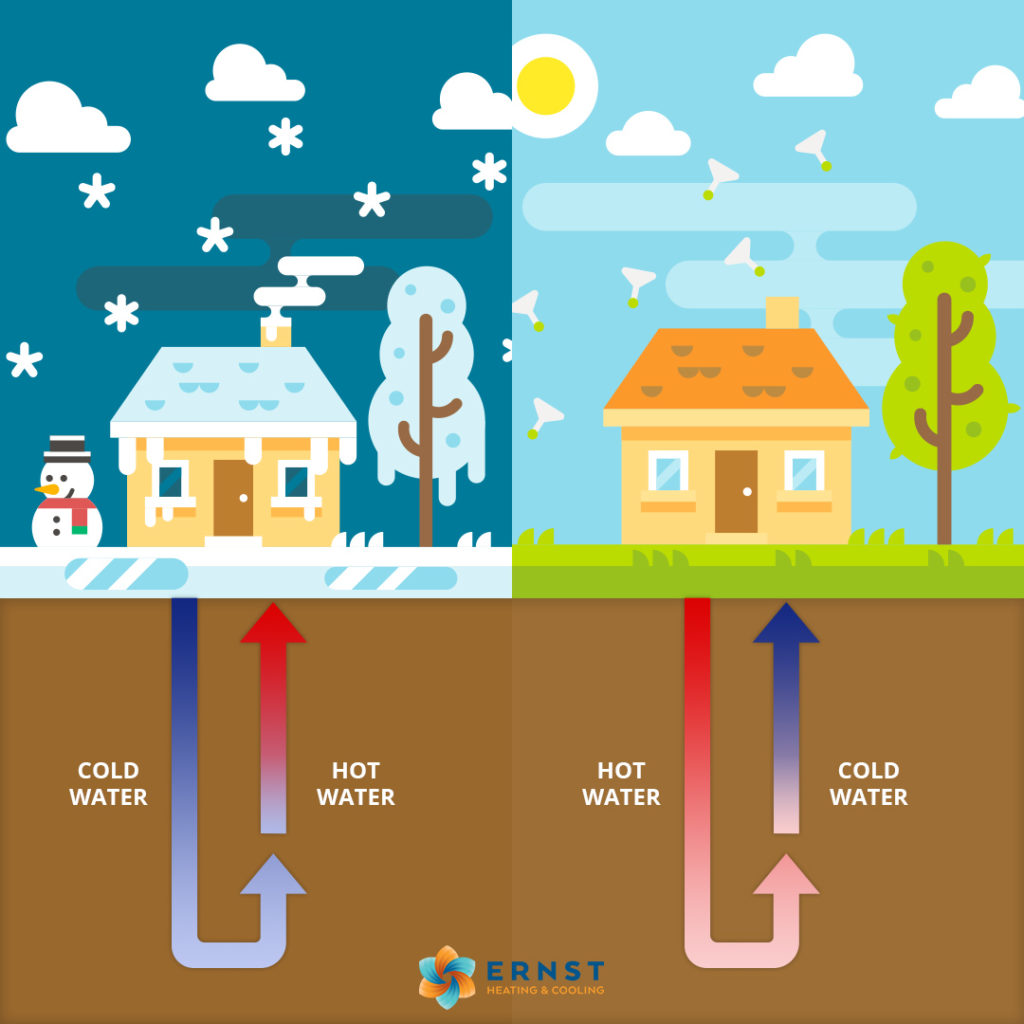
Geothermal heating and cooling use underground pipes to exchange heat with the earth. In winter, the system extracts heat from the ground. In summer, it transfers indoor heat to the ground. This process maintains consistent indoor temperatures efficiently and sustainably.
Geothermal systems reduce energy costs and environmental impact.
Does Geothermal Raise The Electric Bill?
Geothermal systems can lower electric bills by using renewable energy. They efficiently heat and cool homes. The initial investment may be high, but long-term savings and reduced energy costs are typical. Proper installation and maintenance maximize efficiency, further reducing electricity expenses.
Conclusion
Geothermal heating and cooling offers a sustainable energy solution. It uses Earth’s natural heat. This reduces dependence on fossil fuels, cutting energy costs. The system is efficient and eco-friendly, making it a smart choice. Installation might seem costly, but long-term savings are significant.
Plus, it helps reduce your carbon footprint. Geothermal systems also require less maintenance. They operate quietly, offering comfort without noise. Considering these benefits, geothermal energy is worth exploring. It blends innovation with nature’s power, ensuring a greener future. Perfect for those seeking efficient, sustainable home energy solutions.
A wise investment for both the planet and your wallet.