
You plug in your phone before bed, hoping to wake up to a fully charged device, ready to tackle another day. But what if charging your phone overnight isn’t as harmless as it seems?
You might have heard whispers about battery life, overheating, or even safety concerns. So, what’s the real deal? Is it time to rethink your nighttime charging routine, or is it just another tech myth? Dive into this article to uncover the truth about overnight charging, and discover how it impacts your phone and your peace of mind.
Curious about whether you’ve been doing it right all along? Read on to find out.
Credit: theconversation.com
Charging Habits And Myths
Charging your phone overnight has become a common practice, but it’s surrounded by myths that can lead to confusion. You might have heard different opinions on whether it’s safe or harmful to do so. Understanding the facts can help you develop better charging habits.
Common Charging Practices
Many people plug their phones in before bed without a second thought. It’s convenient and ensures you start your day with a full battery. This habit is prevalent because most of us rely heavily on our phones throughout the day.
Some prefer shorter, frequent charges during the day. This approach can be useful if you use your phone heavily and need quick power boosts. However, overnight charging remains the most hassle-free option for many.
Debunking Charging Myths
One common myth is that charging your phone overnight will overcharge it and damage the battery. Modern smartphones are designed to prevent overcharging. They stop drawing power once the battery is full.
Another misconception is that charging overnight shortens battery lifespan. While it’s true that heat can affect battery health, phones now come equipped with technology to manage temperature and prevent overheating.
Think about your current charging habits. Are they based on myths or facts? Understanding the technology behind your phone can help you make informed decisions.
Battery Technology
The evolution of battery technology is a fascinating journey that has transformed how we interact with our devices. You’ve probably wondered whether charging your phone overnight is harmful. To answer that, we need to dive into the world of battery technology, specifically focusing on the lithium-ion batteries in most smartphones. Understanding how these batteries work and the factors affecting their lifespan can help you make more informed decisions about charging habits.
Lithium-ion Batteries Explained
Lithium-ion batteries are the powerhouse behind your smartphone. They are favored for their high energy density and ability to hold a charge longer than older types of batteries. This technology allows your phone to function effectively throughout the day without needing frequent charges.
The magic happens because lithium ions move back and forth between the battery’s anode and cathode. This movement generates the energy needed to power your device. It’s a continuous cycle that repeats every time you charge and use your phone.
However, these batteries are sensitive to heat and overcharging. While modern phones have built-in mechanisms to prevent overcharging, leaving them plugged in overnight can still expose them to unnecessary heat, which might degrade battery performance over time.
Battery Lifespan Factors
Several factors can affect your phone’s battery lifespan. The number of charge cycles is one of the most significant aspects. Lithium-ion batteries have a limited number of cycles before their capacity diminishes. Each cycle is completed when you’ve used the equivalent of 100% of the battery’s capacity, regardless of whether it was a full charge or bits of charging throughout the day.
Temperature is another crucial factor. Extreme heat or cold can affect battery efficiency and longevity. You might notice your phone struggling in hot weather or draining faster in the cold. Keep your phone in a moderate temperature environment to preserve battery health.
The way you charge your phone also matters. Frequent fast charging can heat the battery more than normal charging, potentially affecting its lifespan. Instead, try to charge your phone at a steady pace whenever possible.
So, is it really worth charging your phone overnight? Knowing these factors, you might want to reconsider how often you leave your device plugged in overnight. What small changes can you make to extend your battery’s lifespan today?
Safety Concerns
Charging a phone overnight raises safety concerns, such as overheating and battery damage. Ensure your charger and device have proper safety certifications. Using a surge protector can prevent electrical issues, keeping your device safe while you sleep.
Safety concerns about charging your phone overnight are valid. Many people leave their phones plugged in overnight for convenience. This practice raises questions about safety and potential risks.
Overcharging Risks
Modern smartphones have built-in mechanisms to prevent overcharging. They stop charging once the battery reaches 100%. Older phones may not have these features. Continuous charging can degrade battery life over time. It leads to reduced performance and efficiency.
Fire Hazards
Charging a phone overnight poses fire risks. Faulty chargers or cables may overheat. This can cause sparks and potential fires. Ensure using certified and high-quality chargers. Avoid placing the phone on flammable surfaces during charging. Keep the charging area clear of clutter. Proper ventilation prevents overheating. Understand these risks to ensure safe charging practices. Being aware helps prevent accidents and protects your device.

Credit: www.reddit.com
Phone Design And Features
Many people worry about charging their phones overnight. Phone design and features now offer solutions. Modern smartphones come equipped with advanced technology. These features protect your device from harm. Let’s explore how these innovations work.
Built-in Safety Mechanisms
Smartphones today have built-in safety mechanisms. These features prevent overheating and overcharging. Sensors monitor the battery’s health. If the battery gets too hot, charging pauses. This protects the phone and user. Smart circuits stop charging when the battery reaches full capacity. This ensures safety even if left charging overnight.
Energy Management Systems
Energy management systems optimize power usage. They ensure efficient charging. These systems reduce stress on the battery. Smart software controls the flow of electricity. This helps maintain battery life. Night mode charging is another feature. It adjusts charging speed to match sleep patterns. This keeps the battery healthy for longer periods.
Impact On Battery Health
Charging your phone overnight is a common habit for many. It’s convenient to wake up with a fully charged device. But have you ever wondered how this impacts your phone’s battery health? Let’s dive into the effects of overnight charging and signs of battery degradation to help you make informed decisions.
Effects Of Overnight Charging
Leaving your phone plugged in overnight can lead to a phenomenon known as “trickle charging.” This occurs when your battery remains at 100%, drawing small amounts of power to stay fully charged. Over time, this constant state can stress the battery, potentially shortening its lifespan.
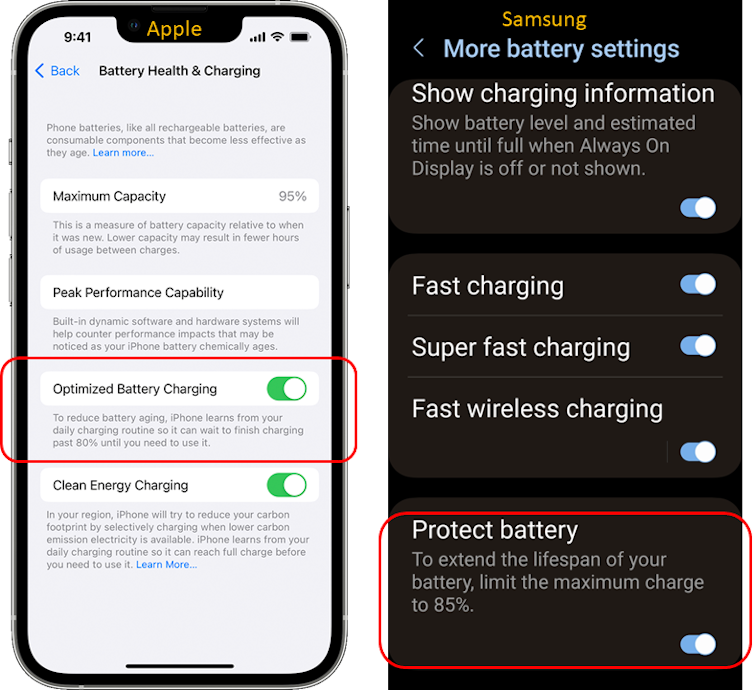
Some newer phones come with built-in features to mitigate this, such as charging optimization. These features pause charging at 80% and resume closer to your wake-up time. However, not all devices have this capability, so it’s worth checking your phone’s settings.
Interestingly, a friend of mine noticed improved battery longevity after adopting a habit of charging during the day. It may seem inconvenient at first, but the benefits might surprise you. Are you willing to try a different charging routine for better battery health?
Signs Of Battery Degradation
As batteries age, they exhibit certain signs of degradation. One noticeable sign is the phone discharging faster than usual. If you find your device dying before the day ends, it might be time to consider your charging habits.
You may also notice your phone getting warmer during charging. This can indicate stress on the battery, often a result of prolonged charging periods. Using a quality charger can help alleviate this issue.
Another sign is the battery’s inability to charge to 100%. If your phone consistently stops at a lower percentage, it’s a clear indicator of battery wear. How does your phone’s battery hold up? Regular checks can prolong its life.
Credit: www.honor.com
Best Charging Practices
Charging your phone overnight is a common practice, but have you ever wondered if there are better ways to do it? Understanding the best charging practices can help you maintain your phone’s battery health and extend its lifespan. Let’s dive into some practical tips that can make a difference.
Optimal Charging Techniques
To keep your phone’s battery healthy, aim to charge it when it drops below 20%. Avoid letting it fall to zero frequently. This method prevents stress on the battery. Consider using a smart charger that stops charging once your phone reaches 100%. This prevents overcharging, which can degrade the battery over time.
Keeping your phone in a cool place during charging can also help. Excessive heat can harm the battery, so avoid placing it under pillows or in direct sunlight. You might not think much about where you charge your phone, but temperature matters more than you realize.
Tips For Prolonging Battery Life
Enable battery-saving mode whenever possible. This function reduces background activity, helping to preserve battery life throughout the day. Try to disconnect your phone from the charger once it hits around 80%. Charging beyond this point can reduce its lifespan.
Regularly updating your phone’s software can also benefit your battery. These updates often include optimizations that improve battery management. Have you noticed your phone lasting longer after an update? That’s the power of good software!
If you use apps that drain your battery fast, consider alternatives or limit their usage. Monitoring app activity can prevent unnecessary battery drain, leaving you with more power for essential tasks.
Future Of Phone Charging
The future of phone charging holds promising advancements. As technology evolves, charging methods are becoming more efficient and sustainable. These changes aim to cater to the modern user’s needs, ensuring devices are charged faster and safer.
Innovations In Charging Technology
Wireless charging is gaining popularity. It offers convenience without cords. Many companies are investing in this technology. Charging pads and stations are becoming common. Faster charging is another innovation. Quick Charge technology reduces waiting times significantly. Users can now power up their devices in minutes. USB Type-C connectors are a game-changer too. They support fast charging and data transfer.
Sustainable Charging Solutions
Sustainable charging is a growing trend. Solar-powered chargers are eco-friendly. They use natural sunlight to charge devices. This reduces electricity usage. Energy-efficient chargers are also in demand. They consume less power and minimize waste. Many brands focus on recyclable materials. This helps reduce environmental impact. Green energy sources for charging are emerging. Wind and solar power are promising options.
Frequently Asked Questions
Can I Leave My Phone Charging Overnight?
Yes, you can leave your phone charging overnight. Modern smartphones have mechanisms to prevent overcharging. Ensure your charging environment is safe and use a quality charger.
Is It Okay To Charge My Phone At Night?
Yes, it’s generally safe to charge your phone overnight. Modern smartphones have built-in protection to prevent overcharging. Ensure your charger and cable are in good condition for safety. Avoid placing your phone under pillows or blankets to prevent overheating.
Is Charging Overnight Bad For My Phone?
Charging overnight can lead to battery wear over time. Most modern phones manage charging efficiently to prevent damage. However, keeping your phone plugged in unnecessarily might reduce battery lifespan. It’s generally safe, but unplugging once fully charged can be beneficial.
Can Overnight Charging Cause Overheating?
While rare, overnight charging can lead to slight overheating. Modern phones have mechanisms to prevent excessive heat. Ensure your phone is in a cool, ventilated area while charging. Avoid using non-certified chargers which might increase overheating risks.
Conclusion
Charging your phone overnight is a common habit. Many people worry about battery health. It’s crucial to know modern phones handle this well. Smart technology prevents overcharging. So, it’s mostly safe to charge overnight. But, use quality chargers. Avoid cheap ones.
These might cause problems. Remember to unplug occasionally. This helps maintain battery life. Keep your phone cool. Overheating can damage the battery. Charging overnight is convenient. Just be mindful of these tips. Your phone will last longer. Stay informed. Protect your device.
Enjoy a charged phone every morning.