
Imagine transforming your living room into a cinematic paradise where every movie night feels like a trip to the theater. Sounds exciting, right?
That’s the magic of a complete home theater system. But what exactly is it, and how can it elevate your entertainment experience to new heights? If you’re curious about how to create the perfect audio-visual haven in your home, you’re in the right place.
We’ll unravel the components that make up a complete home theater system and explore why it’s more than just a collection of gadgets. Get ready to discover how you can enjoy movies, music, and games like never before, all from the comfort of your own couch. Stay with us as we dive into this fascinating world, and by the end, you’ll be equipped with all the knowledge you need to create your very own home theater masterpiece.
Components Of A Home Theater
A complete home theater system includes a TV or projector, surround sound speakers, and a receiver for audio control. Comfortable seating enhances the experience, while streaming devices offer easy access to movies and shows. Quality cables and a media player complete the setup, ensuring immersive entertainment.
Creating the ultimate home theater experience involves more than just placing a big screen in your living room. It’s about designing a space where every component works in harmony to deliver cinema-quality entertainment. From the audio system to the seating, each element plays a vital role in transforming your home into a personal theater. Let’s dive into the key components that make up a complete home theater system.
Audio System
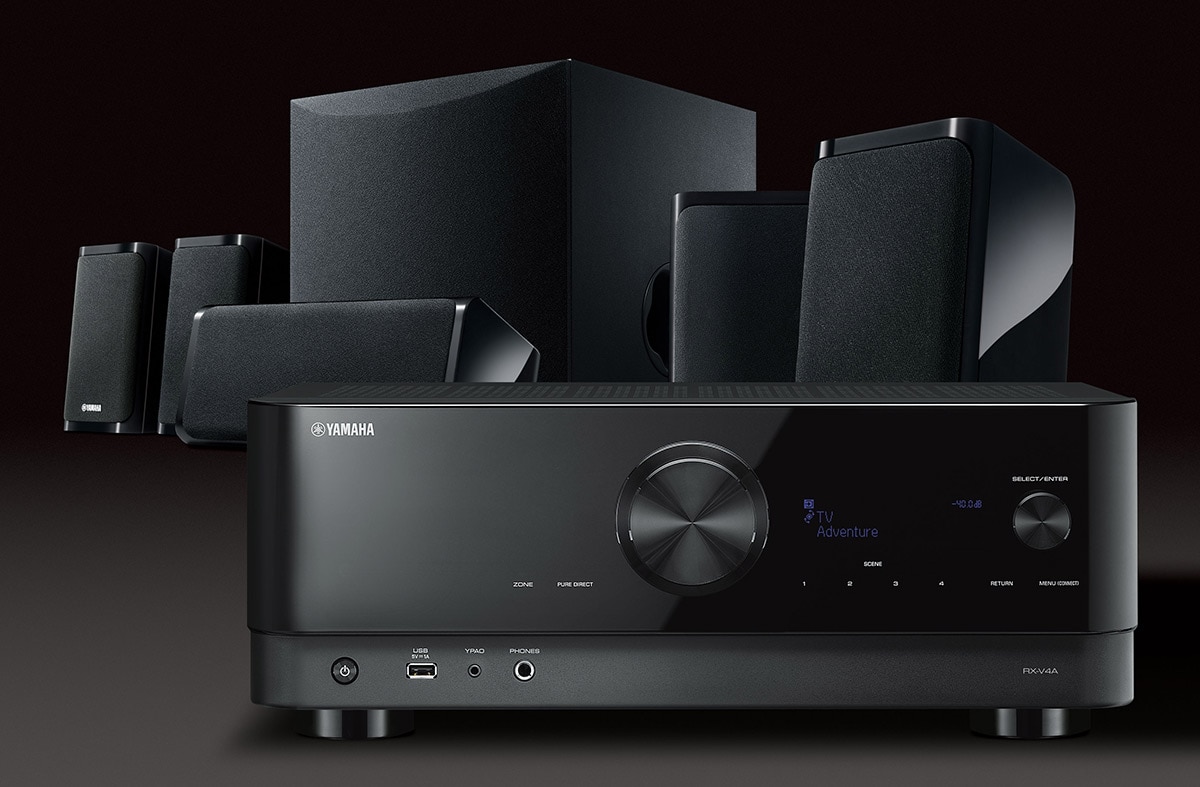
The audio system is the heartbeat of your home theater. A surround sound system with multiple speakers can immerse you in a movie, making you feel like you’re in the middle of the action. Consider a 5.1 or 7.1 speaker setup for an enveloping audio experience.
Visual Display
Your visual display is the window to the cinematic world. Whether you choose a high-definition projector or a large 4K television, the key is clarity and size. A bigger screen can capture all the details, providing a theater-like feel right in your living room.
Source Components
Source components are where the magic begins. These include Blu-ray players, streaming devices, and gaming consoles. Having a reliable source ensures you access your favorite content in the highest quality possible.
Control Systems
Control systems bring convenience to your fingertips. A universal remote or a smart home app can simplify managing all your devices. Imagine adjusting volume or switching inputs without getting up from your seat.
Seating And Room Acoustics
Comfortable seating is essential for long movie marathons. Plush recliners or a cozy sectional can make a huge difference. Additionally, consider room acoustics; sound-absorbing materials and proper speaker placement enhance audio clarity, ensuring you catch every whisper and explosion. Have you ever considered how much your room’s layout impacts your movie night? The right setup can elevate your viewing experience to new heights.
Credit: usa.yamaha.com
Audio System Essentials
Imagine sitting in your living room, feeling the rumble of an epic movie soundtrack, or the crisp notes of your favorite music album. This immersive experience is what a complete home theater audio system promises. But what are the essential components that make up this audio marvel? Let’s delve into the world of audio system essentials and explore how each element contributes to creating that perfect soundscape.
Speakers
Speakers are the cornerstone of any home theater audio system. They are responsible for delivering sound to your ears. It’s crucial to choose the right type and number of speakers to match your room’s size and acoustics. Floor-standing speakers provide powerful sound, while bookshelf speakers save space. Surround speakers enhance the immersive experience. Don’t forget to consider the quality of materials and the brand’s reputation. How much impact can the right speaker choice make on your viewing experience?
Subwoofers
Subwoofers are the unsung heroes that bring depth to your audio experience. They handle the low-frequency sounds that regular speakers can’t, providing that deep bass you feel more than hear. Placement is key; positioning your subwoofer in the right spot can dramatically enhance the sound quality. Experiment with different locations in your room. Ever noticed how a well-placed subwoofer can make action sequences in movies feel more intense?
Amplifiers And Receivers
Amplifiers and receivers are the brains of your home theater audio system. They process and power the audio signals from your devices to your speakers. A good receiver will support multiple input sources like Blu-ray players, gaming consoles, and streaming services. Look for features like Dolby Atmos and DTS:X for a richer sound experience. Have you considered how the right amplifier can transform your music listening and movie-watching sessions?
Creating a complete home theater audio system isn’t just about buying equipment. It’s about understanding how each component works together to deliver an unparalleled experience. What choices will you make to craft the perfect soundscape in your home?
Choosing The Right Visual Display
Choosing the right visual display is a pivotal step in creating your complete home theater system. With so many options available, it can be overwhelming to determine which display will deliver the best cinematic experience for you. In this section, we’ll break down some crucial aspects to consider when selecting your visual display.
Televisions Vs Projectors
Are you drawn to the vivid clarity of a large-screen TV or the immersive experience of a projector? Each option offers distinct advantages. Televisions provide consistent brightness and are easier to set up, making them ideal for living rooms with ambient light. On the other hand, projectors can offer a larger screen size for less money, creating an authentic theater atmosphere, perfect for darkened rooms. Picture yourself settled in with your favorite film—do you prefer the sharp detail of a TV or the expansive view of a projector?
Resolution And Screen Size
Resolution is key to picture clarity. Opt for 4K resolution for a sharp, detailed image, especially on larger screens. While considering screen size, ensure it complements your room dimensions and viewing distance. A 75-inch TV might sound appealing, but is it practical for your space? Evaluate your room size and seating arrangement to find the perfect balance. Imagine watching your favorite action movie where every detail pops, enhancing your viewing pleasure.
Hdr And Refresh Rates
High Dynamic Range (HDR) enhances color and contrast, making images more lifelike. Look for displays that support HDR to elevate your viewing experience. Refresh rates matter too—higher rates reduce motion blur, crucial for fast-paced films or sports. Would you enjoy watching a thrilling car chase where every frame is crisp and fluid? Consider these features to ensure your display meets your expectations.
Source Components Explained
A complete home theater system is a gateway to immersive entertainment right in your living room. At the heart of this experience are the source components, the devices that feed audio and video content into your system. Understanding these components can transform your viewing experience into something truly spectacular. Let’s dive into the essentials.
Blu-ray Players
Blu-ray players are a staple in many home theater setups. They offer high-definition picture quality that is unmatched by traditional DVD players. Blu-ray discs can hold more data, which translates to better sound and visuals. If you love watching movies with pristine clarity and rich sound, investing in a Blu-ray player might be worth considering. Plus, many players come with smart features, allowing you to stream content from online platforms directly to your TV.
Streaming Devices
Streaming devices are rapidly becoming the go-to choice for home entertainment. These compact gadgets connect to your TV and allow access to a vast library of shows, movies, and music online. Services like Netflix, Hulu, and Amazon Prime offer a wide selection and are constantly updating their libraries. If you prefer having a plethora of options at your fingertips, a streaming device is essential. They’re easy to use and often come with voice control features, making navigation a breeze.
Gaming Consoles
Gaming consoles are not just for gamers anymore. These powerful machines double as entertainment hubs, offering streaming services, Blu-ray playback, and even live TV options. Consoles like the PlayStation and Xbox provide stunning graphics and sound quality that can make your home theater experience exhilarating. Are you a gamer who also enjoys movies? Your console might already be a key player in your home theater setup, blending two worlds into one seamless experience.
What source component do you rely on the most for your home theater? Each option offers unique benefits, and understanding them can help you choose the right mix for your lifestyle. Dive into the world of home theater source components and elevate your entertainment game.
Importance Of Control Systems
Control systems play a vital role in any complete home theater setup. They streamline the operation of various devices, offering a seamless experience. Effective control systems enhance user interaction, ensuring easy access to entertainment options. They provide convenience, making it simple to manage multiple components from a single interface. The importance of control systems cannot be understated; they transform complex setups into user-friendly environments.
Remote Controls
Remote controls are essential for managing home theater systems. They offer direct control over different devices from one place. Modern remotes are designed to be intuitive and easy to use. Many come with programmable buttons for custom commands. Users can switch between devices with minimal effort. This simplifies the viewing experience, allowing quick access to favorite channels or streaming services.
Smart Home Integration
Smart home integration expands the capabilities of home theater systems. It allows devices to connect and communicate effortlessly. Users can control their theater setup using voice commands. This adds a layer of convenience and enhances the overall experience. Smart systems can adjust lighting and sound based on user preferences. Integration creates a more immersive and personalized environment.
Enhancing Acoustics And Comfort
Creating a complete home theater system involves more than just technology. It is about crafting an immersive experience. Acoustics and comfort play a vital role. Together, they transform a simple setup into a cinematic paradise. This section explores how to enhance these aspects for your home theater.
Soundproofing
Soundproofing is essential for a complete home theater system. It keeps the sound inside the room. It prevents external noises from disturbing your experience. Use thick curtains or soundproof panels. These materials absorb sound waves. They reduce echo and enhance audio quality. Another option is weatherstripping doors. It seals gaps where sound might escape. A well-soundproofed room elevates the listening experience.
Seating Options
Seating is crucial for comfort in a home theater. Choose seats that provide support. Recliners or plush sofas are popular choices. They offer comfort for long viewing hours. Arrange seating to ensure everyone has a clear view. Consider tiered seating for larger rooms. It provides an unobstructed view for all. Comfortable seating enhances the overall experience.
Lighting Considerations
Lighting sets the mood in a home theater. Opt for dimmable lights. They allow you to adjust brightness to your liking. Wall sconces or recessed lighting create a cinematic ambiance. Avoid overhead lights that cause glare. LED strip lights are a great option. They can highlight architectural features. Proper lighting enhances visual comfort and immersion.
Installation And Setup Tips
Setting up a complete home theater system can transform your movie nights into a cinematic experience. However, the magic lies in the installation and setup. If you’re dreaming of crystal-clear sound and stunning visuals, paying attention to installation details is crucial. Let’s dive into some practical tips to help you seamlessly bring your home theater to life.
Wiring And Cable Management
Proper wiring is the backbone of your home theater system. Start by mapping out where each component will go. This helps you visualize the path for cables and wires.
- Use cable ties and raceways to keep wires tidy and prevent tangling.
- Label each cable to easily identify connections when troubleshooting.
- Consider running cables through walls for a cleaner look.
Efficient cable management not only enhances the aesthetic but also prevents potential damage and signal interference. Have you ever tripped over a loose wire during a movie marathon? It’s a reminder of the importance of neat cable setup.
Optimal Speaker Placement
Speakers are the soul of your audio experience. Their placement can make or break your sound quality. Think about the room’s layout and acoustics.
- Position front speakers at ear level for clear dialogue.
- Place subwoofers in corners to maximize bass impact.
- Mount surround speakers slightly above listening height for immersive sound.
Experiment with positioning to discover the sweet spot. Can you recall a time when you felt like you were in the middle of an action scene? That’s the beauty of perfect speaker placement.
Calibration And Testing
Calibration ensures your system delivers optimal performance. Begin by calibrating your audio and video settings according to manufacturer guidelines.
- Use a calibration disc or software to adjust sound levels.
- Test video settings for brightness, contrast, and color accuracy.
- Regularly test sound quality from different seats in the room.
Calibration might seem tedious, but it’s worth the effort. Imagine the thrill of watching your favorite film with the perfect balance of sound and picture. Isn’t that the ultimate reward for your careful setup?

Credit: www.amazon.com
Maintaining Your Home Theater
A complete home theater system brings the cinema experience to your living room. It includes a high-definition television, surround sound speakers, and a reliable media player. Enjoy movies and shows with immersive sound and clear visuals.
Maintaining Your Home Theater Creating a complete home theater system is not just about the initial setup; it’s about keeping it in top condition for years of enjoyment. Imagine sitting down to watch your favorite movie, only to find the sound is off or the picture isn’t as clear as it used to be. Regular maintenance can prevent these issues and ensure your home theater remains a source of entertainment, not frustration.
Regular Cleaning
Dust and dirt can accumulate quickly, affecting both the performance and longevity of your equipment. Make it a habit to dust your speakers, TV screens, and other components weekly. Use a microfiber cloth to avoid scratches and consider a can of compressed air for hard-to-reach areas. Don’t forget about the cables. They may not be as visible, but they can accumulate dirt that may impact their functionality. A quick wipe-down can make a significant difference.
Software Updates
Your home theater equipment, including smart TVs and streaming devices, often requires software updates. These updates can fix bugs, improve performance, and add new features. Set your devices to automatically update or check for updates monthly. This simple step can save you from annoying glitches and ensure you have the best user experience.
Troubleshooting Common Issues
Even with regular maintenance, issues can arise. Knowing how to troubleshoot common problems can save you time and stress. Is your sound not syncing with the picture? Check your audio settings first. Experiencing connectivity issues? Restart your router and ensure your devices are on the same network. Sometimes, a simple reboot can solve many problems. If issues persist, consulting your device’s manual or online forums can provide helpful solutions. Maintaining your home theater system doesn’t have to be daunting. With a few simple habits, you can ensure your setup remains in excellent condition, ready to deliver a cinematic experience at a moment’s notice.
Upgrading Your System
Upgrading your home theater system can transform your entertainment experience. Imagine watching movies with crystal-clear sound and vibrant visuals that make you feel like you’re in the cinema. Whether you’re a tech enthusiast or just want the best viewing experience, upgrading your system is an exciting journey. But how do you ensure your upgrades are worth the investment?
Latest Technology Trends
Keeping up with the latest technology trends can be daunting, but it’s crucial for an optimal home theater setup. Consider investing in 4K or even 8K TVs to enjoy unparalleled picture quality. These TVs offer sharper images and more vivid colors, enhancing your viewing experience.
Soundbars and surround sound systems have evolved, providing immersive audio that wraps around you. Smart speakers are another trend, allowing you to control your theater with voice commands. Have you thought about integrating AI for personalized recommendations?
Future-proofing Your Setup
Future-proofing your home theater system ensures longevity and adaptability. Opt for equipment that supports the latest HDMI standards to accommodate future upgrades. This ensures compatibility with new devices and formats.
Consider multi-room audio systems that allow sound to flow seamlessly throughout your home. This adds flexibility and enhances overall entertainment. Investing in modular components can make your setup adaptable to new technologies without a complete overhaul.
Think about the future of streaming services. Can your current system support HDR content? Ensure your system is ready for emerging platforms and formats, keeping your entertainment options open.

Credit: www.wereviewelectronics.com
Frequently Asked Questions
What Is A Complete Sound System?
A complete sound system includes speakers, an amplifier, a receiver, a source device, and connecting cables. It delivers high-quality audio for various settings, like home theaters or events. Each component plays a vital role in producing clear and immersive sound.
What Is A Home Theater System?
A home theater system replicates a cinema experience at home. It includes a TV, surround sound speakers, and media players. This setup enhances movie and music enjoyment, creating immersive audio and visual experiences. Customize components for quality and budget preferences to suit personal entertainment needs.
What Is The Golden Rule For Home Theater?
The golden rule for home theater is achieving optimal sound and picture quality. Position speakers accurately and use high-quality audio-visual equipment. Arrange seating to ensure everyone has a clear view of the screen. Control ambient light and reduce room reflections for an immersive experience.
What Is The Difference Between A Home Theater System And Surround Sound?
A home theater system includes various components like speakers, subwoofer, receiver, and visual display. Surround sound refers to audio technology that creates immersive sound using multiple speakers. Home theater systems often incorporate surround sound for enhanced audio experience.
Conclusion
A complete home theater system transforms your movie nights. It offers immersive sound and stunning visuals. Key components include a TV or projector, speakers, and a receiver. Don’t forget the subwoofer for deep bass. Arrange everything for the best experience.
Simple setups work for small spaces. Larger rooms might need more speakers. Choose components that fit your budget and needs. Enjoy the cinematic experience at home. Relax and entertain family and friends. Creating your personal theater is worth the effort.