
Are you wondering what a DSLR camera is good for and why so many people rave about it? You’re not alone.
Whether you’re a budding photographer or someone looking to capture life’s precious moments with clarity and style, a DSLR camera might just be the tool you need. Imagine having the power to freeze time and create stunning images with just a click.
From professional photographers to hobbyists, the DSLR camera has become a favorite for its ability to deliver high-quality photos and videos. But what makes it stand out from other cameras? And how can it transform your photography experience? Stick around, because this article will reveal the secrets behind the magic of DSLR cameras and why it could be the perfect fit for you.
Credit: www.adobe.com
Photography Potential
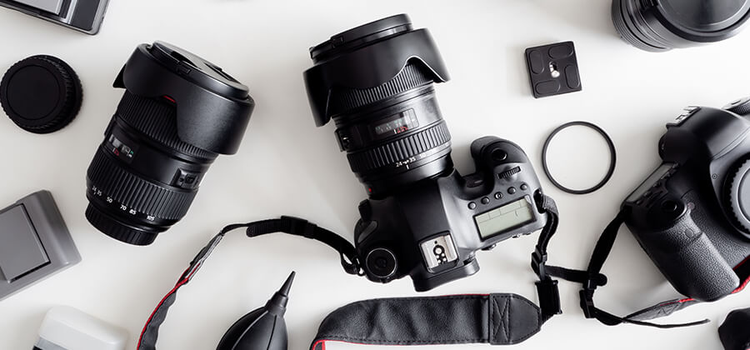
A DSLR camera offers immense photography potential. It caters to both novices and professionals. It provides flexibility and creativity in capturing images. Let’s explore its features that make it stand out.
High-quality Images
DSLR cameras produce high-quality images. They have large sensors that capture more detail. This results in clearer and sharper photos. The image quality remains excellent, even in low light. Colors appear vibrant and true to life. This makes them ideal for various photography styles.
Control Over Exposure
DSLRs offer full control over exposure settings. Adjust the aperture, shutter speed, and ISO easily. This flexibility enhances creativity in your shots. Control over exposure allows for unique photo effects. Capture fast-moving subjects without blur. Or create beautiful blurred backgrounds.
Wide Range Of Lenses
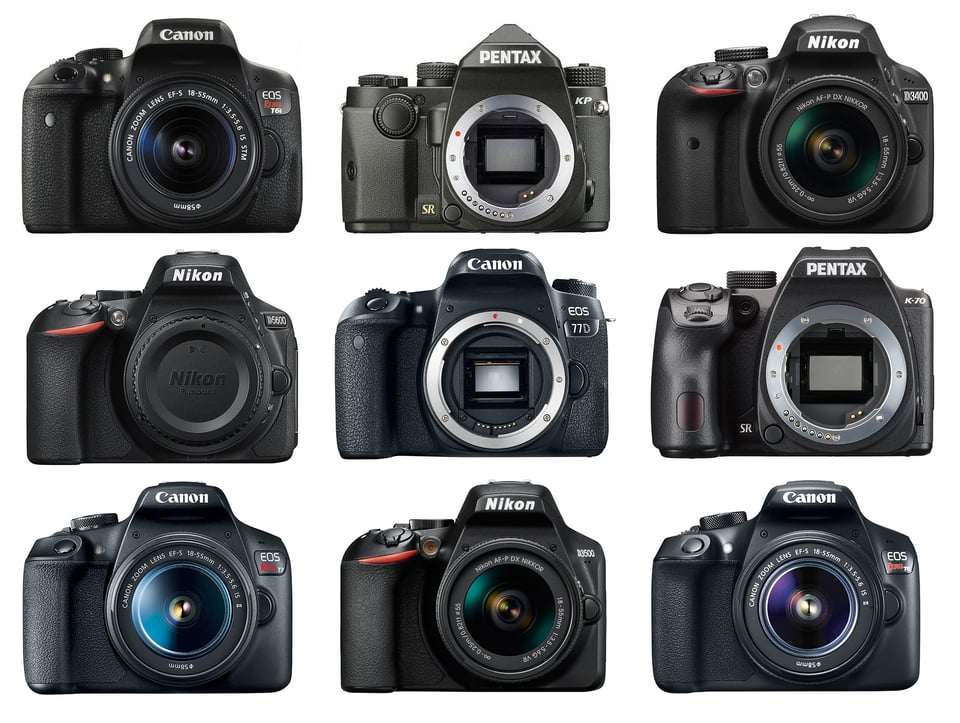
DSLR cameras support a wide range of lenses. Choose from standard, macro, or telephoto lenses. Each lens offers different photography possibilities. Capture distant subjects with a telephoto lens. Use a macro lens for close-up photography. This versatility makes DSLRs suitable for any photography need.
Credit: photographylife.com
Versatility In Use
When you think about a DSLR camera, what’s the first thing that comes to mind? Perhaps it’s the impressive image quality or the ability to capture stunning photos in diverse lighting conditions. But what truly sets DSLR cameras apart is their versatility in use. Whether you’re an amateur photographer looking to expand your skills or a professional seeking reliability, a DSLR camera can adapt to various styles and settings. Let’s explore how this versatility shines in different photography genres.
Landscape Photography
Imagine standing at the edge of a cliff, the sun setting in the horizon painting the sky with hues of orange and pink. Capturing such breathtaking scenes is where a DSLR excels. With its ability to handle wide dynamic ranges and interchangeable lenses, you can experiment with perspectives and compositions. Have you ever tried using a wide-angle lens to capture the vastness of a mountain range? The results can be truly awe-inspiring. DSLRs also allow you to adjust settings manually, giving you control over depth of field and exposure to get the perfect shot.
Portrait Photography
Have you ever noticed how some photos seem to capture the soul of their subject? That’s the magic of portrait photography, and DSLRs are masters at it. With features like face detection and adjustable focus points, capturing the essence of an individual becomes easier. A 50mm lens is often the favorite among portrait photographers for its ability to create a beautiful blur in the background, making the subject pop. Next time you’re taking portraits, try experimenting with different lighting setups. You’ll be amazed at how a simple shift in angle or light source can transform your photo.
Action And Sports Photography
Think of the adrenaline rush as you capture a skateboarder mid-air or a soccer player scoring a goal. DSLRs are perfect for action shots due to their fast shutter speeds and continuous shooting modes. Have you tried capturing a bird in flight or a car zooming past? The ability to freeze motion is one of the reasons DSLRs are favored by sports photographers. Consider using burst mode to capture multiple frames per second, ensuring you don’t miss a single moment. It’s thrilling to review your shots and find that perfect freeze-frame that tells a story.
Whether you’re capturing landscapes, portraits, or action shots, the DSLR offers flexibility and control that can enhance your photography experience. What genre would you like to explore next with your camera?
Creative Features
DSLR cameras offer a wide range of creative features for photographers. These features help capture stunning images with unique styles. Photographers can adjust settings to create effects that enhance their work. Understanding these features can elevate your photography skills.
Manual Settings
Manual settings allow photographers to control exposure, ISO, and shutter speed. They can adjust these settings to suit the lighting conditions. This offers flexibility in capturing images in different environments. Experimenting with manual settings can lead to exciting results.
Depth Of Field Control
Depth of field control lets you focus on specific parts of an image. It helps blur the background to highlight the subject. This feature is ideal for portraits and close-up shots. Controlling depth of field adds a professional touch to photos.
Long Exposure Techniques
Long exposure techniques create dramatic effects with movement. They capture light trails, flowing water, or night skies. Photographers can use slow shutter speeds for these effects. This technique adds a creative flair to images.
Video Capabilities
DSLR cameras have become a favorite for video enthusiasts. Their advanced features and versatility make them perfect for capturing stunning videos. Whether you’re a beginner or a budding filmmaker, understanding DSLR video capabilities can elevate your work.
Full Hd And 4k Recording
DSLR cameras offer Full HD and 4K video options. These high resolutions provide crisp and detailed footage. Most DSLRs allow you to switch between these modes easily. Full HD is great for everyday use. 4K offers superior quality for professional projects. This versatility appeals to many creators.
Interchangeable Lenses For Filmmaking
One major advantage of DSLRs is interchangeable lenses. You can choose the best lens for each scene. Wide-angle lenses capture expansive views. Telephoto lenses bring distant subjects closer. This flexibility allows you to experiment with different visual styles. Your videos can have a unique and professional look.
Manual Focus And Exposure
DSLRs give you control over focus and exposure settings. Manual focus ensures your subject is always sharp. You can adjust it to suit the scene. Manual exposure lets you control light levels. This feature is useful in varied lighting conditions. Mastering these settings enhances your video quality significantly.
Adaptability And Customization
DSLR cameras are popular for their adaptability and customization. These cameras offer endless possibilities to tailor your photography experience to suit your personal needs and artistic vision. Whether you’re capturing landscapes, portraits, or action shots, the ability to modify your DSLR camera can enhance your creativity and ensure that you get the perfect shot every time.
Interchangeable Components
One of the biggest advantages of DSLR cameras is their interchangeable components. You can swap lenses to change the perspective, focal length, or aperture. This means you can use a wide-angle lens for scenic views or a telephoto lens for wildlife photography.
Sensor size can also be crucial. Some DSLRs allow you to choose sensors that affect image quality and depth of field, offering more control over your photos. Different lens brands offer unique benefits, so explore your options based on your needs.
Custom Settings And Presets
DSLRs allow you to set custom settings and presets, making it easier to capture consistent shots. You can adjust ISO, shutter speed, and aperture based on lighting conditions or the subject’s movement.
Create presets for different scenarios—like sports events or indoor portraits—to save time adjusting settings manually. This flexibility can be crucial when time is of the essence, and you need to capture a moment quickly.
External Accessories Compatibility
Another benefit is compatibility with external accessories. You can attach tripods for stability, external flashes for better lighting, or microphones for video recording. Each accessory can significantly improve the quality of your work.
Do you often shoot in low-light conditions? A good flash can make all the difference. Or, if you’re into filmmaking, an external mic can enhance audio quality. The ability to customize your DSLR camera with these accessories ensures that you’re always prepared for your next creative challenge.
With these features, how do you plan to leverage your DSLR’s adaptability? Whether you’re a hobbyist or a professional, customizing your camera can transform your photography experience. The possibilities are endless, and the results are worth exploring.
Learning And Skill Development
Learning and skill development with a DSLR camera can be rewarding. It allows you to explore various facets of photography. With practice, your skills can grow significantly. A DSLR camera offers many opportunities for personal growth. Let’s look at how it helps in learning and developing skills.
Understanding Camera Mechanics
A DSLR camera helps you understand photography basics. It teaches you about exposure, aperture, and shutter speed. These are key components of photography. You learn how each setting affects your photos. Adjusting these settings can improve your shots. This hands-on experience builds your confidence. You gain a deeper understanding of camera functions.
Experimenting With Techniques
With a DSLR, you can try different techniques. You can experiment with long exposure or macro photography. Each technique offers a unique perspective. Trying new methods enhances your creativity. You also learn what works best for various situations. This experimentation is vital for developing your unique style.
Expanding Photographic Knowledge
Using a DSLR broadens your photographic knowledge. You learn about lenses, lighting, and composition. These elements are crucial for creating stunning images. Understanding them can elevate your photography skills. As you explore more, your knowledge base expands. This helps you become a versatile photographer. The more you learn, the better your photos become.
Professional Applications
DSLR cameras are essential tools for many professionals. They provide high-quality images, versatile settings, and adaptability. These features make them perfect for various professional fields. Let’s explore some key applications.
Commercial Photography
Commercial photographers rely on DSLR cameras for crisp, detailed images. These cameras capture the essence of products, making them appealing. The high resolution helps in showcasing intricate details. Companies use these photos for advertising and branding. A DSLR’s wide range of lenses offers flexibility. It allows photographers to shoot in different styles and perspectives.
Event Coverage
Event photographers need reliable equipment. DSLRs are perfect for capturing important moments. They perform well in various lighting conditions. Fast autofocus ensures quick capture of fleeting moments. This is crucial for weddings, concerts, and sports events. DSLRs also offer video capabilities. This allows professionals to provide both photos and videos from events.
Fashion And Editorial Work
Fashion photographers require cameras with precise color rendering. DSLRs excel in this area, providing true-to-life colors. The ability to change lenses is a big advantage. It helps in achieving different looks for fashion shoots. Editorial photographers benefit from the camera’s versatility. They can create stunning visuals for magazines and publications. The depth and clarity of DSLR images make them suitable for high-end fashion work.
Credit: www.adobe.com
Frequently Asked Questions
What Is The Main Purpose Of A Dslr Camera?
A DSLR camera’s main purpose is to capture high-quality images. It offers manual control over settings like aperture, shutter speed, and ISO. Interchangeable lenses enhance versatility. Its optical viewfinder provides precise framing. Ideal for both professional and amateur photographers seeking superior image quality and creative control.
What Is The Downside To Dslr?
DSLRs are bulky and heavy, making them less portable. They can be expensive with additional lenses. Maintenance requires regular cleaning. Complex settings may confuse beginners. Battery life is shorter compared to some mirrorless cameras.
Is A Dslr Camera Better Than An Iphone?
A DSLR camera offers superior image quality and versatility compared to an iPhone. It excels in low light, provides manual controls, and supports interchangeable lenses. IPhones are more portable and user-friendly for casual photography. Choose a DSLR for professional needs or an iPhone for convenience.
Are Dslr Cameras Better For Photography?
DSLR cameras offer superior image quality and flexibility for photography enthusiasts. They excel in low-light conditions and provide interchangeable lenses. DSLRs often have faster autofocus and better battery life compared to other cameras. Their robust build makes them ideal for various shooting environments.
Conclusion
A DSLR camera excels in various photography situations. Great for capturing detailed shots. Ideal for low-light conditions. Perfect for action and sports photography. Offers manual control for creative expression. Suitable for professional and hobby photographers. Provides versatility with interchangeable lenses.
Excellent for both photos and videos. Durable and reliable for everyday use. A smart investment for photography enthusiasts. With practice, results will improve. Capture memories with clarity and precision. A DSLR can truly enhance your photographic journey. Whether you’re a beginner or experienced, a DSLR is a valuable tool.
Happy shooting!