
Imagine having the power of a computer at your fingertips, wherever you are. That’s what a tablet PC computer offers you.
It’s a sleek device that combines the portability of a smartphone with the capabilities of a laptop. You might have seen them everywhere, from coffee shops to conference rooms, but do you really know what makes them tick? We’re diving into the world of tablet PCs.
You’ll discover how they work, what sets them apart from other gadgets, and why you might want one in your tech arsenal. Whether you’re looking to boost your productivity or simply want a gadget that fits your lifestyle, understanding tablet PCs could be your next tech game-changer. Keep reading to find out if a tablet PC is the perfect match for your needs.
Evolution Of Tablet Pcs
Tablet PCs are portable computers with touchscreens, merging the functions of laptops and smartphones. They offer versatile usage for browsing, reading, and entertainment, adapting to various user needs over time.
The evolution of Tablet PCs is a fascinating journey that mirrors our desire for portability and functionality. From clunky gadgets to sleek devices, tablets have transformed significantly, becoming indispensable in our daily lives. Understanding their evolution provides insights into the relentless pace of technological innovation and its impact on how we interact with the digital world.Early Beginnings
In the early days, Tablet PCs were more of a concept than reality. Devices like the GRiDPad from the late 1980s were bulky and expensive, primarily used in specialized fields. I remember seeing one at a tech exhibit, amazed by its ability to capture handwritten notes. Yet, it felt more like science fiction than something practical for everyday use. These early tablets relied heavily on stylus input and had limited processing power. They were a far cry from the user-friendly devices we see today. Despite their limitations, they laid the groundwork for future innovations by sparking interest in portable computing.Technological Advancements
The real breakthrough came in the early 2000s with the introduction of more sophisticated operating systems and touchscreens. Devices like the Microsoft Tablet PC aimed to combine the best of laptops and tablets. Although they were not an overnight success, they pushed the boundaries of what was possible. Fast forward to 2010, and the launch of the iPad changed everything. Suddenly, tablets were not just functional; they were desirable. You could browse the web, play games, and watch videos on a lightweight device, all without compromising on performance. The integration of features like multi-touch, high-resolution displays, and powerful processors turned tablets into versatile tools. They became suitable for work, education, and entertainment, appealing to a broad audience.Current Market Trends
Today, the tablet market is diverse and competitive. Manufacturers continuously innovate, offering devices that cater to specific needs. Whether you want a tablet for gaming, drawing, or business, there’s likely a perfect fit for you. Hybrid tablets that double as laptops are becoming increasingly popular, blurring the lines between different types of devices. This flexibility allows you to switch from work to play effortlessly. Consider how you use your devices—could a hybrid model streamline your digital activities? The rise of budget-friendly tablets has also made these devices accessible to more people. This democratization of technology means almost anyone can experience the benefits of a tablet PC, from students to retirees. How do you see the future of tablets? Will they continue to evolve, or have they reached their peak? The answers may surprise us as technology keeps advancing.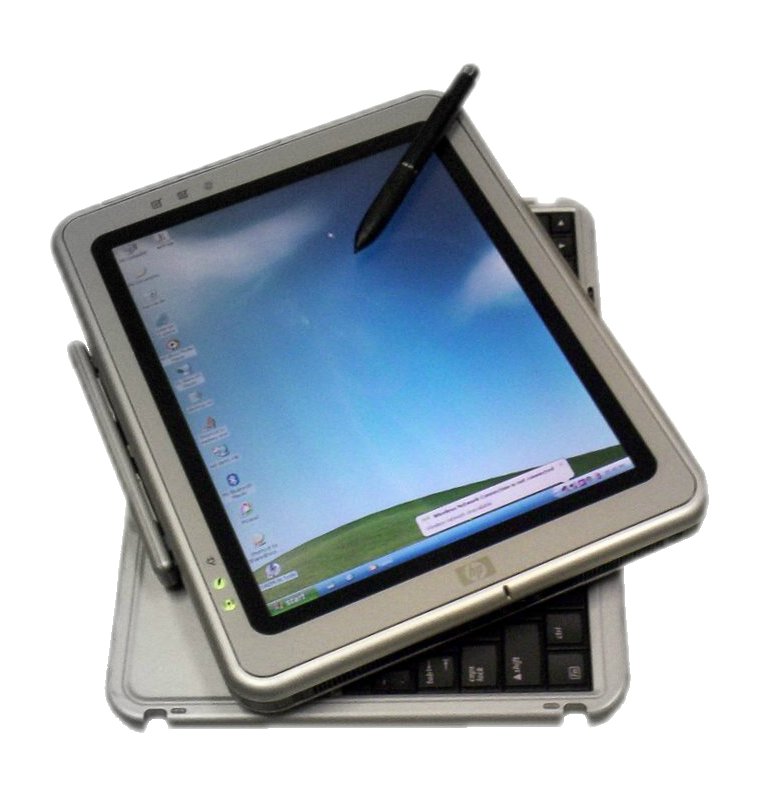
Credit: en.wikipedia.org
Key Features
Tablet PCs have transformed how we interact with technology, offering a blend of portability and functionality. Their key features set them apart from other devices, making them a popular choice for both personal and professional use. Let’s dive into the essential aspects that define a tablet PC.
Touchscreen Interface
The touchscreen interface is perhaps the most defining feature of a tablet PC. It provides a seamless and intuitive way to interact with your device. Swiping, tapping, and pinching make navigation a breeze, eliminating the need for a mouse or keyboard. Imagine reading your favorite book with just a swipe or drawing on the screen as if it were paper. This feature truly enhances the user experience, making technology feel more personal and accessible.
Operating Systems
Tablet PCs run on various operating systems like iOS, Android, and Windows, each offering unique advantages. iOS, known for its sleek design and user-friendly interface, is favored by Apple enthusiasts. Android offers flexibility and customization, making it ideal for tech-savvy users who love tweaking settings. Windows tablets provide the familiarity of desktop applications, perfect for those who need productivity tools on the go. Which operating system aligns with your needs?
Connectivity Options
Connectivity options in tablet PCs are designed to keep you linked to the world. Wi-Fi and Bluetooth are standard, ensuring you can browse the internet and connect to other devices effortlessly. Many tablets also offer cellular connectivity, allowing you to use them like a smartphone. USB ports and microSD slots enhance their versatility, enabling you to transfer files and expand storage with ease. How do you plan to stay connected with your tablet PC?
Advantages Of Tablet Pcs
Tablet PCs offer portability and convenience, blending the features of laptops and smartphones. They are ideal for browsing, gaming, and reading. With touchscreen capabilities, they enhance user interaction and creativity.
Tablet PCs have become a popular choice for many users. They combine the best features of laptops and smartphones. Understanding their advantages can help you decide if a tablet PC is right for you.Portability
Tablet PCs are lightweight and easy to carry. They fit comfortably in bags and small spaces. This makes them perfect for travel and commuting. You can take them anywhere without the bulk of a laptop. Their long battery life ensures you stay connected all day.Versatility
Tablet PCs offer a wide range of functions. You can use them for reading, gaming, and browsing. They support various applications and can handle different tasks. Whether for work or play, a tablet adapts to your needs. Many tablets also support accessories like keyboards and styluses.User-friendly Design
Tablet PCs have intuitive touchscreens. This makes them easy for all ages to use. The interface is simple and direct. You can navigate apps and settings with ease. This design is ideal for quick tasks and learning new things. Tablets often come with accessibility features for better usability.
Credit: www.amazon.com
Comparing Tablets And Laptops
Tablet PC computers offer portable and versatile computing solutions with touchscreens. They are ideal for browsing, media consumption, and light productivity tasks. Tablets are compact, easy to carry, and provide quick access to apps and internet services.
Comparing tablets and laptops can help you choose the right device. Each has unique features and benefits. Understanding these can aid your decision-making. Tablets are portable and easy to use. Laptops offer more power and flexibility. Let’s dive into the specifics.Performance Differences
Tablets are designed for light tasks. They handle browsing, reading, and basic apps smoothly. Their processors are less powerful than laptops. Laptops excel in handling heavy tasks. They are better for gaming and video editing. Laptops have larger RAM and storage. Tablets have limited multitasking capabilities. Laptops can run multiple applications at once.Use Cases
Tablets are great for reading and streaming. They are ideal for travel due to their size. Laptops are suited for work and productivity. They support software like Microsoft Office and Adobe. Tablets are perfect for casual gaming and note-taking. Laptops are better for professional use and creativity. Tablets are used in education for interactive learning. Laptops are essential in professional environments.Price Considerations
Tablets are generally more affordable than laptops. They offer good value for basic needs. Laptops can be expensive but offer more features. High-performance laptops are costly due to their specs. Tablets have lower maintenance costs. Laptops may require additional software purchases. Budget-friendly tablets are available for basic tasks. Laptops provide a range of price options for various needs.Popular Tablet Models
Tablet PCs have transformed the way we interact with technology, offering a portable and versatile solution for work, play, and everything in between. With their sleek designs and intuitive interfaces, tablets have become indispensable tools in both professional and personal realms. Let’s explore some of the popular models that have captured the hearts of users worldwide.
Apple Ipad
The Apple iPad is often the first name that comes to mind when thinking about tablets. Its seamless integration with other Apple products makes it a favorite among Apple enthusiasts. Whether you’re sketching a design, watching a movie, or editing a document, the iPad delivers with stunning graphics and fast processing power.
Have you ever tried using the Apple Pencil? It offers an incredibly natural writing experience, almost like pen on paper. The iPad is not just a tool; it’s an experience that enhances creativity and productivity.
Samsung Galaxy Tab
Samsung’s Galaxy Tab series is a testament to Android’s flexibility and innovation. With models like the Galaxy Tab S8, Samsung provides a robust alternative to those seeking Android’s diverse ecosystem. The large Super AMOLED display is perfect for immersive gaming or binge-watching your favorite series.
Samsung offers a unique feature with DeX mode, transforming your tablet into a desktop-like experience. Imagine working on spreadsheets or presentations right from your tablet! The versatility of the Galaxy Tab makes it a compelling choice.
Microsoft Surface
The Microsoft Surface lineup bridges the gap between tablets and laptops. If you’re someone who values productivity, the Surface Pro might be your ideal companion. It runs Windows, allowing you to use desktop applications seamlessly.
Typing on the Surface feels akin to using a high-quality laptop, thanks to its exceptional keyboard cover. Have you ever considered replacing your laptop with a tablet? The Surface might just make that transition easier than you think!
Choosing The Right Tablet
A tablet PC computer combines the features of a laptop with the convenience of a touchscreen. It offers portability, easy internet access, and various applications for work and leisure. Choosing the right one depends on size, operating system, and performance needs.
Choosing the right tablet can seem daunting with so many options. A good choice depends on your specific needs and preferences. Let’s delve into factors that can guide your decision.Budget Constraints
Your budget plays a crucial role in tablet selection. Tablets come in various price ranges. Consider what you can afford. High-end models offer advanced features. Budget-friendly options provide basic functionality. Balance your budget with your needs.Intended Use
Think about how you plan to use your tablet. For work, look for tablets with productivity features. Students might need educational apps and e-book capabilities. Gamers should seek powerful processors and graphics. Casual users might prioritize battery life and portability.Brand Preferences
Brand loyalty can influence your choice. Some prefer Apple for its ecosystem. Others might lean towards Samsung for its Android flexibility. Consider brands that have served you well in the past. Read reviews and compare features across brands.Future Of Tablet Pcs
Tablet PCs combine the features of smartphones and laptops. They offer touch screens and portability. These devices are evolving with faster processors, better displays, and enhanced connectivity.
The future of tablet PCs is filled with possibilities. As technology evolves, these devices continue to adapt. They are becoming more integral to our daily lives. Let’s explore the exciting developments ahead.Emerging Technologies
New technologies are shaping the future of tablets. Foldable screens offer flexibility in design. Enhanced touch sensitivity improves user interaction. Artificial intelligence enhances performance and personalization. Battery life is extending, thanks to better energy management. Tablets are becoming smarter and more efficient.Predicted Trends
Trends point to increased integration with smart homes. Tablets may serve as central hubs for controlling devices. 5G connectivity will boost speed and reliability. Augmented reality features are likely to become standard. These trends will make tablets more versatile and functional.Impact On Computing
Tablets are changing how we compute. They offer portability without sacrificing power. Laptops and desktops face competition from advanced tablets. Tablets support multitasking with ease. This shift is altering the landscape of personal computing.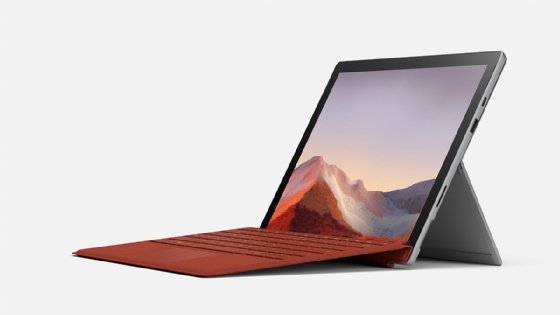
Credit: www.techtarget.com
Frequently Asked Questions
What Is The Purpose Of A Tablet Pc?
Tablet PCs serve as portable devices for browsing, multimedia, gaming, and productivity tasks. They combine smartphone convenience with laptop functionality. Users enjoy touch-screen interactions, app access, and internet connectivity. Ideal for on-the-go use, tablets offer versatility in entertainment and work.
Their compact design supports reading, video streaming, and mobile computing.
What Is The Difference Between A Tablet And A Tablet Pc?
A tablet is a handheld device primarily for media consumption. A tablet PC offers more computing power and functionality, often running full operating systems like Windows, allowing for productivity tasks. Tablet PCs usually include features like USB ports and support for external peripherals.
What Are The Disadvantages Of Using A Tablet?
Tablets often have limited storage and processing power compared to laptops. They can be less comfortable for prolonged typing. Battery life may be shorter with intensive use. Tablets are more fragile and prone to damage. They may not support all software applications needed for work or study.
Is A Tablet As Good As A Pc?
Tablets offer portability and ease, ideal for media and basic tasks. PCs excel in performance, multitasking, and software capabilities, suited for professional use. Choose based on your needs; tablets for entertainment and mobility, PCs for demanding work. Both have advantages, but serve different purposes.
Conclusion
Tablet PCs offer flexibility and convenience for everyday tasks. Perfect for reading, browsing, and work. They combine the best of laptops and smartphones. Light, portable, and easy to use. Great for travel and meetings. Ideal for students, professionals, and casual users.
Tablets adapt to various needs. They suit different lifestyles and preferences. Choose based on your requirements. Consider size, storage, and budget. Tablets continue to evolve with new features. Technology keeps improving. Explore options and find the right fit. Enjoy the benefits of a tablet PC in your life.