Have you ever wondered what baseboard heating and cooling is all about? Imagine walking into a room where the temperature is just right—not too hot, not too cold, but perfectly balanced.
That’s the magic of baseboard systems. They offer a unique, efficient way to keep your home comfortable all year round. But how do they work? And why might they be the perfect fit for your home? We’ll uncover the secrets of baseboard heating and cooling, helping you understand how these systems can transform your living space into a cozy haven.
Stick around, because you’re about to discover how you can enjoy comfort like never before.
Baseboard Heating Basics
Baseboard heating and cooling use wall-mounted units to distribute heat or cool air evenly. These systems are efficient and quiet, making them a popular choice for many homes. They operate by heating or cooling air near the floor, then rising or circulating to maintain a comfortable room temperature.
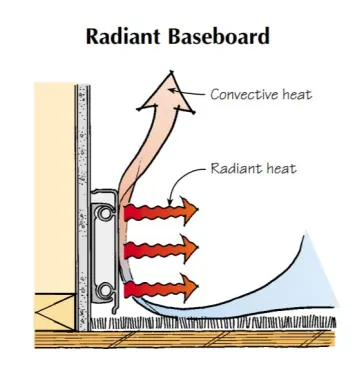
Baseboard heating is a popular choice for many homes. It offers efficient heating without the need for ductwork. This system is ideal for individual room control. Baseboard heating works by using convection to warm the air. This method circulates warm air throughout a room, maintaining a comfortable temperature. Its sleek design fits neatly against walls, making it a discreet option. Understanding baseboard heating basics is essential for choosing the right system.How It Works
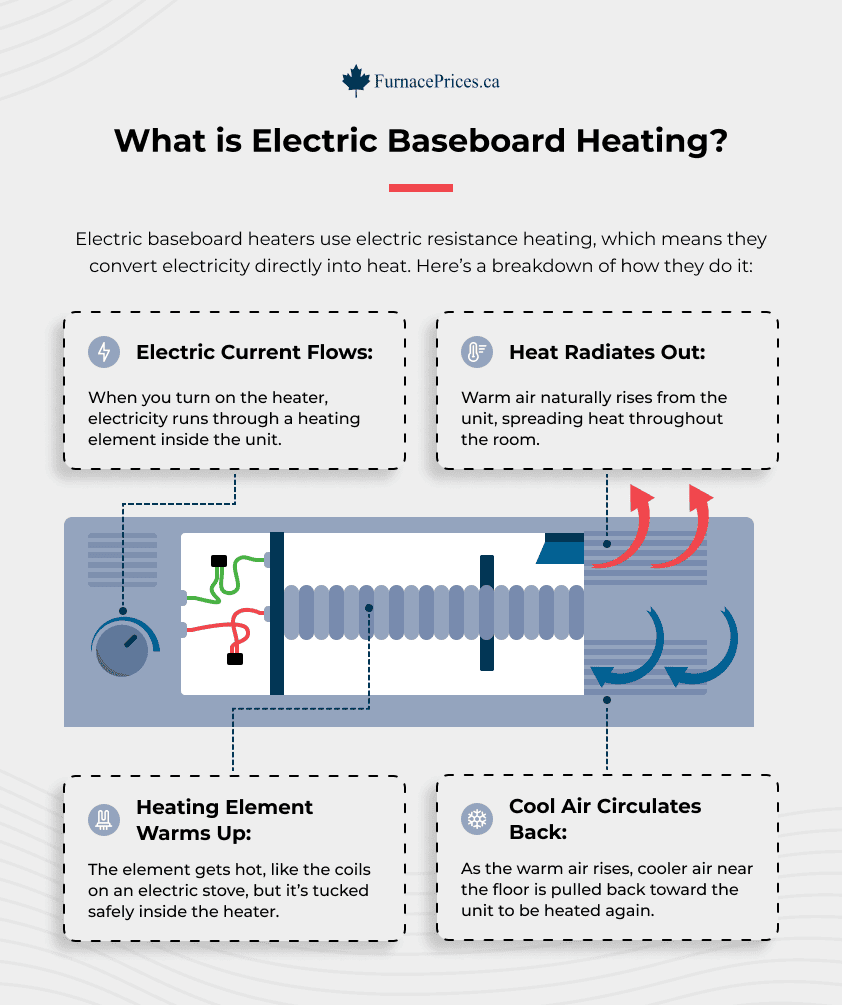
Baseboard heaters use convection. Cold air enters through the bottom of the unit. It passes over heated coils, warming the air. Warm air then rises out of the top. This cycle creates a consistent room temperature. Units can be controlled by a thermostat. This allows precise temperature management. Baseboard heating is especially effective in smaller spaces.Types Of Baseboard Heaters
There are several types available:- Electric Baseboard Heaters: These are the most common. They use electric resistance to generate heat. Installation is straightforward, requiring only a power source.
- Hydronic Baseboard Heaters: These use hot water to produce heat. Water circulates through pipes within the unit. They offer more consistent heating and are more energy-efficient.
- Portable Baseboard Heaters: Ideal for temporary use. These units can be moved from room to room. They provide flexibility for changing heating needs.
Baseboard Cooling Overview
Baseboard cooling systems are an innovative way to manage indoor temperatures. These systems work similarly to baseboard heating but focus on keeping rooms cool. They offer a space-saving solution for homes and offices, providing efficient temperature control. This method is becoming popular due to its discreet installation and consistent performance.
Functionality Explained
Baseboard cooling systems use pipes or tubes to circulate cooled water. This water absorbs heat from the room and carries it away. The system uses convection to distribute cool air evenly. It operates quietly, making it ideal for bedrooms and offices. Unlike traditional air conditioners, it doesn’t blow air, reducing dust circulation.
Types Of Baseboard Cooling Systems
- Hydronic Systems:These use water to cool the air. They are energy-efficient and provide consistent cooling.
- Electric Systems:These use electricity to cool the air. They offer quick installation and easy maintenance.
Choosing the right type depends on your space and energy needs. Hydronic systems are ideal for larger spaces with existing plumbing. Electric systems suit smaller spaces and offer straightforward setup.
Installation Process
Baseboard heating and cooling systems are celebrated for their efficiency and unobtrusiveness. The installation process, however, is crucial to ensure optimal performance and longevity of the system. Whether you’re a DIY enthusiast or planning to hire a professional, understanding the installation steps can help you make informed decisions and prepare adequately for the task ahead.
Necessary Tools And Materials
Before diving into the installation, gather all the essential tools and materials. Having everything at hand not only streamlines the process but also reduces frustration and delays.
- Tools:Screwdriver, drill, level, measuring tape, pipe wrench.
- Materials:Baseboard units, brackets, copper or plastic piping, valves, thermostat.
- Safety Gear:Gloves, goggles, and masks if dealing with dust.
Step-by-step Guide
Embarking on the installation journey requires a clear roadmap. Here’s a straightforward guide to get you started:
- Measure the Space:Begin by measuring the room dimensions to determine the number of baseboard units needed. Accurate measurements ensure a snug fit and efficient heating and cooling.
- Prepare the Wall:Clear the wall area where the units will be installed. This might involve moving furniture or cleaning the surface to ensure a smooth installation.
- Mount the Brackets:Use a level to ensure the brackets are aligned properly. Secure them using a drill and screws. Proper alignment prevents issues down the line.
- Install the Baseboard Units:Place the units onto the brackets and secure them. Ensure they are stable and not wobbling. Stability is key to preventing future damage.
- Connect the Piping:Depending on the system, connect copper or plastic piping to the units. Ensure all connections are tight and leak-proof. A pipe wrench can be handy here.
- Set Up the Thermostat:Install and configure the thermostat according to the manufacturer’s instructions. This ensures you can control the temperature effectively.
- Test the System:Once installed, test the system for functionality. Check for leaks, ensure the units heat and cool as expected, and make adjustments if necessary.
Isn’t it fascinating how a careful installation process can transform your living space into a comfortable haven? By taking the time to understand and execute each step, you ensure the system serves you well for years to come.
Credit: www.jlconline.com
Energy Efficiency
Understanding energy efficiency in heating and cooling systems can save you money and reduce your environmental footprint. Baseboard heating and cooling systems offer a unique approach, utilizing convection to maintain a comfortable climate in your home. But how does it really measure up in terms of energy efficiency?
Comparing With Other Systems
Baseboard systems are often compared to forced-air systems. While forced-air systems can lose heat through ductwork, baseboard systems are free from this issue, potentially making them more efficient in certain settings.
However, baseboard systems typically rely on electricity, which can be more expensive than other energy sources like natural gas. This might make them less attractive in areas where electricity costs are high.
Yet, without the need for duct cleaning and maintenance, baseboard systems can save you time and hassle. What matters most to you—lower maintenance or lower energy bills?
Tips For Optimization
To optimize energy efficiency, consider programmable thermostats. They allow you to set temperatures based on your daily routine, ensuring you’re not wasting energy when you’re not home.
- Place furniture and curtains wisely to avoid blocking the baseboard units. This ensures optimal airflow and distribution of heat or cool air.
- Regularly clean the units to prevent dust accumulation, which can hinder efficiency.
- Use insulation effectively in your home to reduce the workload on your baseboard system.
Engage with your energy provider to understand peak hours and adjust your usage accordingly. Could shifting your usage slightly lead to significant savings?
By incorporating these simple tips, you can enhance the efficiency of your baseboard heating and cooling system, making your home more comfortable and your energy bills more manageable.
Benefits Of Baseboard Systems
Baseboard heating and cooling systems offer several advantages for homeowners. These systems provide efficient temperature control without the need for ductwork. They are a popular choice for those seeking a reliable and simple solution for home climate management.
Cost-effectiveness
Baseboard systems are known for their cost-effectiveness. They require less installation effort compared to central HVAC systems. This reduces initial setup costs significantly. Their simple design means fewer parts to replace. This leads to lower maintenance expenses over time. Additionally, they operate quietly, reducing the need for costly noise control measures.
Ease Of Maintenance
Maintaining baseboard systems is straightforward. Regular cleaning of the units ensures optimal performance. Dust and debris can be easily removed with a vacuum or a soft cloth. This simple routine keeps them running efficiently. Unlike complex HVAC systems, there are no filters to change. This reduces the hassle associated with upkeep. Furthermore, the lack of moving parts minimizes wear and tear. This results in fewer breakdowns and repairs.

Credit: www.familyhandyman.com
Common Issues And Solutions
Baseboard heating and cooling can face issues like uneven temperature distribution and noisy operation. Cleaning vents and regular maintenance may resolve these problems. Check thermostat settings to ensure proper functioning and optimal comfort.
Baseboard heating and cooling systems are a popular choice for homes. They offer consistent warmth and efficient cooling. Yet, like all systems, they can have issues. Identifying and solving these problems ensures comfort year-round. Let’s explore common issues and solutions.Troubleshooting Tips
Baseboard systems may fail to heat or cool properly. This can result from dirt or blockages. Regularly clean the units. Check for any obstructions blocking airflow. If the heater isn’t warming, check for power issues. Ensure the thermostat is set correctly. Sometimes a simple reset can solve the problem. Listen for unusual noises. They may indicate loose parts. Tighten any loose screws.Professional Repair Guidance
Some problems require expert attention. If you notice leaks, call a professional. Leaks can damage floors or walls. Strange smells may signal electrical issues. These need immediate professional help. Persistent temperature issues might mean a thermostat malfunction. An expert can replace or repair it. Annual maintenance checks prevent major issues. Schedule these with a trusted technician. This ensures the system runs efficiently.Choosing The Right System
Choosing the right baseboard heating and cooling system can be crucial. It affects comfort and energy efficiency. Many options exist, each with unique features. Selecting the best system requires careful consideration. Below are some key factors and top brands to help guide your choice.
Factors To Consider
- Room Size:Larger rooms may need more powerful systems.
- Energy Efficiency:Look for systems with high efficiency ratings.
- Installation Cost:Consider upfront costs versus long-term savings.
- Maintenance Needs:Choose systems with easy maintenance requirements.
- Noise Levels:Quiet systems enhance comfort in living spaces.
Top Brands And Models
- Cadet:Known for reliable and affordable heating solutions.
- Slant/Fin:Offers high-quality systems with efficient performance.
- Fahrenheat:Provides durable models with robust heating capabilities.
- Runtal:Offers sleek designs with advanced technology.
- Dimplex:Known for modern systems with smart features.

Credit: www.napoleon.com
Future Trends
Baseboard heating and cooling systems use convection to distribute heat and cool air. They are energy-efficient and easy to install. These systems offer a quiet and reliable method for maintaining comfortable indoor temperatures.
Future trends in baseboard heating and cooling are evolving rapidly. As technology advances, new possibilities emerge. These developments are shaping the industry, offering smarter solutions. Understanding these trends is key for homeowners and industry professionals.Technological Advancements
Baseboard heating and cooling systems are becoming smarter. Integration with smart home devices is growing. This allows users to control temperature remotely. Energy efficiency is also improving. New materials are being used to enhance performance. Systems are now quieter, providing a more pleasant experience. Advanced sensors monitor room conditions more accurately. This ensures optimal comfort and energy savings.Market Predictions
The market for baseboard systems is expected to grow. More people seek energy-efficient solutions. Environmental concerns drive this demand. The rise in smart homes boosts interest in advanced systems. Manufacturers are focusing on sustainable materials. This aligns with global green initiatives. Increasing urbanization also impacts market growth. Compact living spaces benefit from baseboard solutions. These trends indicate a promising future for the industry.Frequently Asked Questions
What Is The Downside Of Baseboard Heat?
Baseboard heat can be expensive to operate and less energy-efficient. It offers limited temperature control and can take longer to warm rooms. Dust accumulation can also be an issue, affecting air quality. Additionally, baseboard heaters require regular maintenance and can limit furniture placement along walls.
Is Baseboard Heating Usually Gas Or Electric?
Baseboard heating is typically electric, using resistance coils to heat rooms. Some systems use gas, but electric is more common. It is known for being efficient and easy to install. Electric heaters are popular in residential buildings due to their simplicity and reliability.
Is Baseboard Heating Better Than Hvac?
Baseboard heating and HVAC systems have different benefits. Baseboard heating offers zoned control and is quieter. HVAC systems provide efficient cooling and heating throughout a home. Choose based on your specific needs, climate, and energy preferences. Consider factors like installation cost, energy efficiency, and maintenance requirements.
Does Baseboard Heating Mean No Ac?
Baseboard heating doesn’t include air conditioning. It only provides heat. For cooling, you need a separate AC system. Consider window units or central AC for cooling needs. Baseboard heating is efficient for warming rooms, while air conditioning requires different equipment.
Conclusion
Baseboard heating and cooling offers a simple, effective solution for homes. It provides even temperature control without ducts. Easy to install and maintain, it’s a great option for many. This system operates quietly, enhancing comfort without noise. It’s ideal for those seeking efficient home climate control.
Consider your home’s needs and energy efficiency goals. Baseboard systems might be the perfect fit. They ensure warmth in winter and coolness in summer. Explore options to find what suits your space best. Stay comfortable all year long with this practical choice.