
Choosing the right laptop is a crucial decision for any engineering student. With projects to design, simulations to run, and data to analyze, your laptop becomes an essential tool in your academic journey.
But with so many options out there, how do you know which one is the best fit for your needs? You want a device that combines power, reliability, and affordability without compromising on performance. Imagine having a laptop that not only meets but exceeds your expectations, making your studies smoother and more efficient.
In this blog post, we’ll explore the top contenders for the best laptop for engineering students, helping you make an informed choice that aligns perfectly with your academic and professional aspirations. Stay with us as we dive into the specifics that will transform your computing experience.
Credit: www.techradar.com
Key Features For Engineering Laptops
Engineering students need laptops with specific features for their demanding tasks. These laptops must handle complex calculations, large software, and detailed designs. Understanding these key features can help in choosing the best laptop.
Performance Requirements
Engineering software requires high-performance laptops. A strong processor is crucial. Look for Intel i7 or AMD Ryzen 7. At least 16GB of RAM ensures smooth multitasking. A solid-state drive (SSD) speeds up file access and boot times. Dedicated graphics cards support design and simulation software.
Display Quality
Clear visuals are essential for engineering students. A high-resolution screen displays detailed designs. Aim for at least Full HD (1920×1080) resolution. A larger screen, around 15 inches, provides more workspace. IPS panels offer better color accuracy and viewing angles.
Battery Life
Long battery life supports study sessions away from outlets. A laptop should last at least 8 hours on a single charge. Energy-efficient components can help extend battery life. Consider laptops with rapid charging capabilities for quick power boosts.

Credit: resources.altium.com
Top Picks For Engineering Students
Choosing the perfect laptop for your engineering studies can be a daunting task. With endless options, it’s essential to find a device that suits your specific needs. Whether you’re running complex simulations or drafting intricate designs, the right laptop can make a world of difference. Below, we dive into some top picks that cater to various priorities, from performance and budget to portability.
High-performance Models
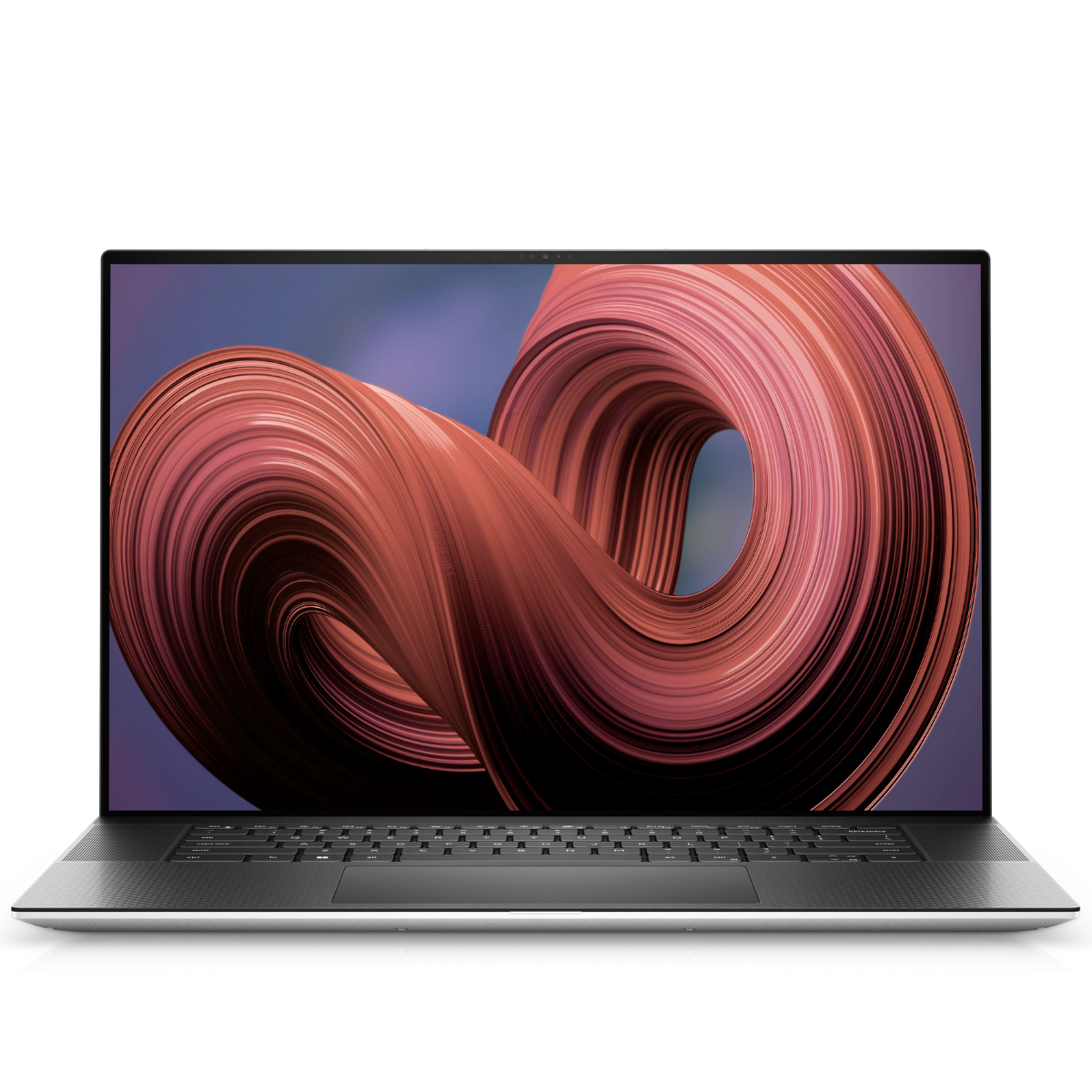
For those who need a powerhouse, consider laptops that feature the latest processors and ample RAM. Models like the Dell XPS 15 and MacBook Pro are renowned for their robust performance. They handle demanding applications like AutoCAD and MATLAB with ease.
The Dell XPS 15, for instance, offers a stunning display and exceptional battery life, making it ideal for long study sessions. Its powerful GPU ensures smooth graphics rendering, a must for engineering software.
If you’re an Apple fan, the MacBook Pro with M1 chip delivers outstanding speed and efficiency. It’s perfect for multitasking and running heavy software simultaneously.
Budget-friendly Options
Not everyone needs a high-end laptop, and there are plenty of budget-friendly choices that don’t compromise on essentials. The Acer Aspire 5 and Lenovo IdeaPad series offer great value for money.
Acer Aspire 5 is a solid choice, providing decent performance with a comfortable keyboard, making it perfect for writing reports and coding. Its affordable price tag is a bonus for students on a tight budget.
Lenovo IdeaPad laptops often come with good battery life and reliable performance, making them suitable for everyday tasks and light engineering work. They’re perfect if you’re looking to save without sacrificing too much on quality.
Lightweight And Portable Choices
Portability is key if you’re always on the move. Lightweight laptops like the Microsoft Surface Laptop Go and ASUS ZenBook series are excellent picks for portability.
The Microsoft Surface Laptop Go combines a sleek design with decent performance. It’s easy to carry and fits into any backpack, ideal for students with a busy schedule.
ASUS ZenBook series is known for its ultra-slim design and long battery life. These laptops are great for students who need to travel between classes and libraries without being bogged down by weight.
Have you found the right balance between performance, cost, and portability? Finding the perfect laptop can significantly enhance your engineering studies, so choose wisely!
Brand Comparisons
Choosing the right laptop is crucial for engineering students. Different brands offer unique features, making the decision challenging. This comparison will guide you through top brands to find the best laptop for your needs.
Apple Vs. Windows
Apple laptops are known for their sleek design and robust performance. The macOS operating system is user-friendly and stable. It offers excellent build quality and a long-lasting battery. However, Windows laptops provide more flexibility with a wide range of software compatibility. They often come with customizable options and are generally more affordable. Consider your software needs and budget.
Dell Vs. Hp
Dell laptops are praised for their durability and performance. They offer models with high processing power and good graphics capabilities. Dell’s customer support is also reliable. HP, on the other hand, offers a variety of models catering to different needs. Their laptops often come with innovative features and stylish designs. HP’s wide range can suit different budgets and preferences. Think about what features you value most.
Lenovo Vs. Asus
Lenovo laptops are known for their reliability and excellent keyboards. They are popular among students for their performance and battery life. Lenovo also offers versatile models like convertibles and hybrids. ASUS laptops stand out for their gaming capabilities and visual quality. They are often equipped with powerful processors and advanced graphics. ASUS provides a good balance between performance and price. Evaluate your usage and priorities.
Software Compatibility
Choosing the right laptop is crucial for engineering students. Software compatibility plays a key role. Your laptop must support various engineering software seamlessly. This ensures smooth learning and project execution.
Cad Software
CAD software is essential for engineering design. Your laptop should run programs like AutoCAD and SolidWorks efficiently. Look for a laptop with strong graphics capabilities. This helps in rendering complex models quickly.
Programming Tools
Programming is a vital skill in engineering. Ensure your laptop supports IDEs like MATLAB and Python. Good processing power is important. It allows for quick code compilation and execution.
Simulation Applications
Simulation applications are used to test designs. Your laptop must handle software like ANSYS and COMSOL. High RAM and CPU speed are necessary. They ensure the smooth running of simulations.
User Reviews And Feedback
User reviews and feedback offer valuable insights for engineering students searching for the ideal laptop. Consider performance, battery life, and software compatibility shared by fellow students. Their experiences guide informed decisions in selecting a suitable device.
User Reviews and Feedback Choosing the right laptop for engineering students is crucial, as it’s a tool that supports both learning and creativity. But how do you know which laptop truly fits your needs? User reviews and feedback offer invaluable insights, revealing the true performance of laptops outside of marketing claims. Let’s delve into what real users think about their laptops for engineering tasks.
Student Testimonials
Engineering students often face demanding computational tasks. Many have shared their experiences online, highlighting laptops that excel in performance and reliability. Students praise models like the Dell XPS and MacBook Pro for their durability and processing power. One student mentioned, “My Dell XPS handles CAD software effortlessly, making it a lifesaver for my design projects.” Have you found a laptop that meets your engineering needs?
Expert Opinions
Experts in technology and engineering education provide valuable perspectives on choosing the best laptop. They often recommend laptops with high RAM and powerful CPUs, emphasizing brands like Lenovo and HP. An expert pointed out, “Lenovo ThinkPad has a reputation for robust build quality and exceptional performance, making it ideal for engineering students.” Are you considering advice from tech experts in your decision-making process?
Common Issues And Solutions
User reviews often uncover common issues, such as overheating or battery life concerns. Engineering laptops are prone to these due to heavy software demands. Solutions include investing in cooling pads and adjusting power settings for better battery management. One user shared, “Using a cooling pad reduced my laptop’s temperature significantly during long design sessions.” Have you encountered similar issues, and how did you address them?
Credit: www.techradar.com
Frequently Asked Questions
What Type Of Laptop Is Best For Engineering Students?
Engineering students need laptops with powerful processors, ample RAM, and dedicated graphics. Choose models with Intel i5/i7 or AMD Ryzen, 16GB RAM, and NVIDIA GPUs for seamless software performance. Ensure good battery life, lightweight design, and sufficient storage space. Brands like Dell XPS, MacBook Pro, and Lenovo ThinkPad are popular choices.
What Laptop Do I Need To Study Engineering?
Choose a laptop with at least an Intel i5 or AMD Ryzen 5 processor. Ensure it has 16GB RAM and a dedicated graphics card. Look for 512GB SSD storage for speed and reliability. Prioritize a 15-inch display for better visibility.
Ensure good battery life for long study sessions.
What Is The Best Size Laptop For Engineers?
A 15-inch laptop is ideal for engineers. It balances portability with screen size and performance. This size offers enough space for multitasking and detailed work without being too bulky. A good resolution and powerful specs complement this size for optimal engineering tasks.
What Processor Is Good For Engineering Students?
A good processor for engineering students is the Intel Core i7 or AMD Ryzen 7. Both offer excellent performance for demanding software. Prioritize models with higher clock speeds and more cores for multitasking. Ensure compatibility with your laptop or desktop before purchasing.
Conclusion
Choosing the right laptop boosts engineering study success. Prioritize performance and portability. Reliable battery life is crucial for long study hours. Compatibility with software is essential for projects. Consider budget and future needs wisely. Opt for a laptop that balances power and convenience.
Research thoroughly before making a decision. Invest in a laptop that supports your learning journey. Engineering students require efficient tools for complex tasks. The right laptop enhances productivity and creativity. Make an informed choice and excel in your studies. Your ideal laptop awaits exploration and discovery.