
Are you trying to decide between an LED or an LCD television? It can be a tough choice with so many options and technical terms thrown around.
But don’t worry, you’re not alone in this. With the right information, you can make a choice that suits your viewing needs perfectly. Imagine watching your favorite shows and movies with crystal-clear images and vibrant colors. Isn’t that exciting? We’ll break down the differences between LED and LCD TVs in simple terms, helping you understand which one might be the best fit for your home.
Get ready to dive into the world of televisions and discover what makes each type unique. You’ll soon be equipped to make an informed decision that enhances your entertainment experience.

Credit: www.rtings.com
Led Vs Lcd Basics
Choosing between LED and LCD televisions can be confusing. Both offer unique features and advantages, making it essential to understand their core differences. Let’s break down the basics to help you make an informed decision.
Understanding Led Technology
LED TVs use Light Emitting Diodes for backlighting. This technology offers brighter displays and better energy efficiency compared to older technologies. If you love watching movies with vibrant colors, LED might be your go-to choice.
LEDs are available in different types, such as edge-lit and full-array. The placement of these diodes affects picture quality and brightness uniformity. Have you ever noticed how some TVs have deeper blacks and more contrast? That’s often due to full-array LED backlighting.
Think about the room environment where you’ll place your TV. If it’s a bright room, LEDs handle glare better, ensuring a clear view from different angles. This can significantly enhance your viewing experience during daytime or well-lit settings.
Exploring Lcd Technology
LCD TVs rely on Liquid Crystal Displays and typically use a fluorescent backlight. They have been around longer than LEDs, which often translates to more affordable pricing. Are you on a budget and still seeking decent picture quality? LCDs might be your best bet.
While LCDs may not match the brightness of LEDs, they perform well in rooms with controlled lighting. Consider your TV placement—if it’s in a dimly lit room, an LCD can deliver adequate performance without straining your budget.
LCDs are known for their consistent color reproduction. If you’re into precise color accuracy for tasks like photo editing, an LCD TV could meet your needs without the extra bells and whistles.
Ultimately, your choice between LED and LCD should reflect your viewing habits and the room setup. What matters most to you—vibrant colors, energy efficiency, or budget-friendly options?
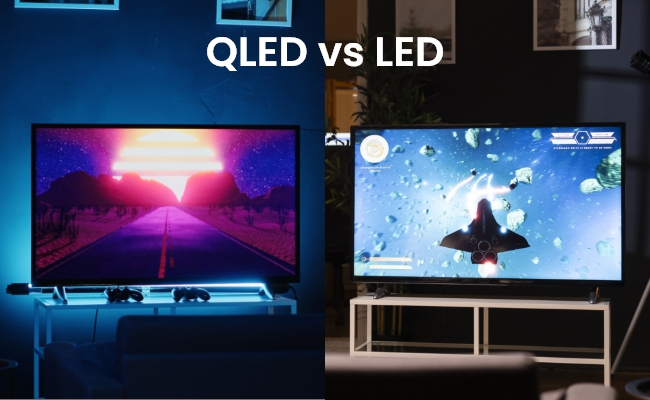
Credit: reolink.com
Picture Quality Comparison
Choosing between LED and LCD televisions can be tricky. Both have unique features and appeal to different preferences. A significant factor influencing this decision is picture quality. This guide compares picture quality, focusing on color accuracy, contrast, and brightness.
Color Accuracy
LED TVs generally offer better color accuracy. They use advanced technology to enhance colors. This provides a more vibrant and true-to-life image. LCD TVs can also produce good colors. But they may not match the precision of LEDs. LED TVs use backlighting, improving color consistency. LCDs rely on fluorescent lights, which might affect color accuracy.
Contrast And Brightness
LED TVs excel in contrast and brightness. They have local dimming, enhancing black levels and contrast. This feature makes dark scenes more detailed. Brightness levels in LED TVs are higher. This makes them ideal for well-lit rooms. LCD TVs have a fixed backlight, limiting contrast. Their brightness levels are decent, but not as high as LEDs.
Energy Efficiency
Choosing between LED and LCD televisions involves considering energy efficiency. LED TVs generally consume less power, making them a more sustainable option. This can lead to lower electricity bills over time.
Energy efficiency is a key factor when choosing between LED and LCD televisions. Consumers are increasingly mindful of their energy consumption. Understanding how these technologies affect power usage can help you make an informed decision.
Power Consumption
LED TVs generally consume less power compared to LCD TVs. Their design includes light-emitting diodes. These diodes are highly efficient and use less energy. LCD TVs use fluorescent lights, which require more power. This difference in technology leads to varied energy consumption levels. LED TVs are thus more energy-efficient. This can result in lower electricity bills over time. Choosing an LED TV supports energy-saving efforts.
Environmental Impact
The environmental impact of television technology is significant. LED TVs have a lower carbon footprint. They use less electricity and generate less heat. This reduces greenhouse gas emissions. LCD TVs have a higher environmental impact. Their components often include harmful substances. Production and disposal can affect ecosystems. LED TVs are a greener choice. Opting for LED supports eco-friendly practices.
Credit: www.nytimes.com
Lifespan And Durability
When deciding between LED and LCD televisions, understanding their lifespan and durability is crucial. These factors can greatly impact your viewing experience and long-term satisfaction with your purchase. Let’s explore how each type of television fares in terms of longevity and toughness.
Longevity Of Led
LED televisions are renowned for their impressive lifespan. They typically outlast LCDs, primarily due to their efficient lighting technology. The LED backlights consume less energy, reducing wear and tear on the television components.
Imagine investing in a TV that stays vibrant and functional for years; that’s the promise LED technology offers. However, regular maintenance and proper usage are key to maximizing this longevity. Do you keep your TV on for extended periods? Be mindful of this, as it can affect lifespan regardless of the technology.
Durability Of Lcd
LCD televisions are known for their robust build and resilience. They might not match the longevity of LEDs, but their durability is commendable. Many users find LCDs less prone to physical damage due to their solid design.
If you have kids or pets, you might appreciate the toughness of an LCD screen. However, accidental spills or impacts can still pose risks. Do you ever wonder how a TV withstands everyday mishaps? Choosing an LCD could offer peace of mind in a bustling household.
Understanding the lifespan and durability of LED and LCD TVs helps you make an informed choice. Consider your lifestyle and viewing habits to determine which technology best aligns with your needs. Which one will you choose for your home?
Cost And Value
Choosing between LED and LCD televisions often boils down to cost and value. Both types offer unique features and benefits. Understanding their price differences and overall value can help you make an informed decision.
Price Differences
LED TVs usually cost more than LCD TVs. This is due to better technology and picture quality. LEDs use light-emitting diodes for backlighting. This provides better contrast and color accuracy. LCDs use fluorescent lights, which are cheaper but less efficient. The initial price of LED TVs can be higher, but they might save you money in the long run.
Value For Money
Investing in LED TVs often gives better value for money. They last longer and consume less energy. This means lower electricity bills over time. Their slim design and advanced features enhance viewing experiences. LCD TVs might suit those with a tight budget. They offer decent quality and are widely available. Consider your needs and budget when deciding. Choose the option that offers the best balance between cost and features.
User Experience
When deciding between LED and LCD televisions, the user experience is a crucial factor to consider. Both types offer unique features that affect how you enjoy your favorite shows and movies. Let’s delve into some specific aspects that influence your viewing pleasure.
Viewing Angles
Have you ever watched TV from the side of the room and noticed the colors seemed off? This is where viewing angles come into play. LED TVs typically offer better viewing angles than traditional LCDs. This means you can sit almost anywhere in the room without losing picture quality.
Imagine hosting a movie night with friends. Everyone can enjoy the same crisp, vibrant visuals, even from the corners of your living room. This can significantly enhance your viewing experience, making LED a preferred choice for larger gatherings.
Smart Features
Modern TVs are more than just screens; they’re smart devices. LED TVs often come with a wider range of smart features, such as built-in apps and voice control. This allows you to stream your favorite content directly without needing extra devices.
Consider how convenient it is to switch from cable TV to Netflix with just a click or even a voice command. These smart capabilities can make your TV viewing experience seamless and more enjoyable, providing you with quick access to endless entertainment.
Are these smart features something you can’t live without, or do you prefer a simpler setup? Reflect on how you use your TV to decide which option suits your lifestyle best. Your choice will ultimately shape your daily viewing habits and overall satisfaction.
Market Trends
Deciding between LED and LCD televisions involves understanding key differences. LED TVs offer better energy efficiency and picture quality. LCD TVs tend to be more affordable and provide decent visuals.
Market trends in television technology are constantly evolving. Consumers face the choice between LED and LCD TVs. Understanding these trends helps make informed purchasing decisions. Let’s explore the popularity and future developments of these technologies.
Popularity In Consumers
LED TVs have gained immense popularity. They offer vibrant colors and energy efficiency. Many homes prefer LED TVs for their sleek design. LCD TVs also remain a popular choice. They are often more affordable. Consumers appreciate the sharp images they provide. The choice between LED and LCD often depends on budget and viewing preferences.
Future Developments
TV technology continues to advance rapidly. LED TVs are expected to become even thinner. Innovations focus on enhancing picture quality. LCD TVs may improve in energy consumption. Smart features are increasingly integrated in both types. Manufacturers strive to provide better user experiences. Future developments promise exciting changes in TV technology.
Frequently Asked Questions
Should I Buy An Lcd Or Led Tv?
LED TVs are generally better than LCD TVs. They offer superior picture quality, energy efficiency, and slimmer designs. LED TVs use LED backlighting, providing brighter and more vibrant images compared to LCD TVs, which use fluorescent lighting. Consider your budget and preferences for the best viewing experience.
Which Lasts Longer, An Lcd Or Led Tv?
LED TVs generally last longer than LCD TVs due to their efficient technology and lower energy consumption. They offer better picture quality, durability, and longevity. Regular maintenance and usage conditions can impact the lifespan of both types. LED technology is a wise choice for extended usage.
Which Is Better, Lcd Or Led Screens?
LED screens generally offer better brightness and energy efficiency than LCD screens. They provide superior color accuracy and contrast. LCD screens are more affordable and still provide good performance. The choice depends on your specific needs and budget.
Which Smart Tv Is Best, Led Or Lcd?
LED TVs generally offer better picture quality and energy efficiency compared to LCD TVs. LED TVs have vibrant colors, higher contrast, and are slimmer. LCD TVs are more affordable but may lack the depth and clarity found in LED models.
Choose based on your budget and preference.
Conclusion
Choosing between LED and LCD TVs depends on personal needs. LED TVs offer vibrant colors and energy efficiency. LCD TVs provide more budget-friendly options. Consider your viewing habits and room lighting. LED suits bright rooms, while LCD works well in darker spaces.
Think about your budget, too. Both have their advantages and drawbacks. Research features and read reviews before buying. This ensures you make the best choice for your home. Happy TV shopping!