
Have you ever walked into a shopping mall or office and felt the perfect temperature? That’s no coincidence.
Behind that comfort is a sophisticated system known as commercial heating and cooling. But what exactly is it, and why should you care? Imagine running a business where every customer or employee feels at ease, regardless of the weather outside.
This feeling isn’t just about comfort; it’s about creating an environment that enhances productivity and satisfaction. As you dive into understanding commercial heating and cooling, you’ll discover how it impacts your business’s efficiency and your bottom line. Are you ready to explore how the right climate control can transform your space? Keep reading to find out more.
Credit: grimesacinc.com
Commercial Hvac Systems
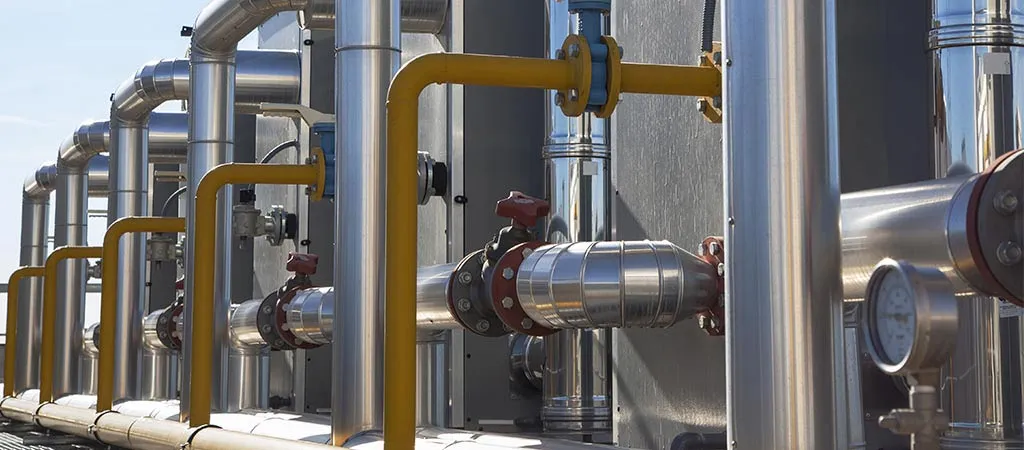
Commercial HVAC systems are crucial in maintaining a comfortable environment in large buildings. These systems control temperature, humidity, and air quality. They are essential for offices, retail spaces, and factories. Let’s delve deeper into the types and components of these systems.
Types Of Systems
Commercial HVAC systems come in various types to suit different needs. Here are some common ones:
- Single-split systems:Ideal for small commercial spaces. Each unit is independent, providing flexibility.
- Multi-split systems:Connect multiple indoor units to a single outdoor unit. Save space and energy.
- VRF systems:Best for medium to large buildings. They offer precise control and energy efficiency.
- Chiller systems:Suitable for large spaces. They use water to cool the air.
Components And Functions
Understanding the components helps in maintaining and troubleshooting HVAC systems. Key components include:
- Thermostat:Regulates the temperature by controlling the system.
- Air handler:Circulates air throughout the building. It works with the duct system.
- Compressor:Compresses refrigerant to cool the air. It’s the heart of the system.
- Evaporator and condenser coils:Transfer heat to cool or heat the air.
- Ductwork:Distributes air to different areas. It ensures even temperature control.
Energy Efficiency
Energy efficiency in commercial heating and cooling is crucial. It helps reduce energy costs and minimize environmental impact. Businesses aim to optimize their systems for better performance. This section explores the benefits and innovations in energy-efficient systems.
Benefits Of Energy-efficient Systems
Energy-efficient systems save money. Lower energy bills mean more profits. They also reduce carbon footprints. Using less energy is better for the planet. Employees and customers appreciate green efforts. Energy-efficient systems also improve system performance. They offer better temperature control and comfort. Reliable systems mean fewer breakdowns and repairs.
Technologies And Innovations
New technologies boost energy efficiency. Smart thermostats adjust temperatures automatically. They learn usage patterns to save energy. Variable speed motors adjust the system’s power. This reduces wasted energy. Advanced sensors detect occupancy. Systems only run when needed. Heat recovery systems reuse waste heat. This reduces energy consumption significantly.
Installation And Maintenance
Commercial heating and cooling systems ensure comfort in large buildings. Proper installation and maintenance are vital for efficiency and longevity. These systems require expert handling to operate safely and effectively. Let’s dive into the installation process and regular maintenance tips.
Installation Process
The installation of commercial heating and cooling systems starts with planning. Experts assess the building’s needs and size. This helps in selecting the right system. Correct sizing avoids energy waste and ensures comfort. Next, professionals install the equipment. This includes placing units, connecting ducts, and setting up controls.
Technicians must check all connections. Safety is a priority during installation. Proper sealing prevents leaks and ensures efficiency. Once installed, the system undergoes testing. This ensures everything works perfectly. Finally, the team provides training. This helps staff understand system operation.
Regular Maintenance Tips
Regular maintenance keeps systems running smoothly. Schedule inspections every season. This helps catch problems early. Clean filters monthly. Dirty filters reduce efficiency and air quality. Check for leaks in ducts and seals. Leaks waste energy and increase costs.
Examine thermostats regularly. Correct settings save energy. Inspect electrical connections. Loose wires can cause malfunctions. Clean condenser and evaporator coils. Dirt reduces system efficiency. Keep outdoor units clear. Remove debris for better airflow. Follow these tips for efficient and long-lasting systems.

Credit: jomory.com
Choosing The Right System
Selecting the perfect commercial heating and cooling system ensures optimal comfort and efficiency. Consider energy needs and system size for your space. Proper installation and regular maintenance can enhance performance and longevity.
Choosing the right commercial heating and cooling system is a decision that can significantly impact your business’s comfort, energy efficiency, and operational costs. The right system can enhance productivity by maintaining a comfortable environment for employees and customers alike. But with so many options available, how do you make the best choice for your specific needs? Consider the following key factors and learn from common mistakes to make an informed decision.
Factors To Consider
- Building Size and Layout:The size and layout of your commercial space are crucial in determining the capacity of the system you need. A system that is too small won’t heat or cool efficiently, while one that is too large will waste energy.
- Energy Efficiency:Look for systems with high energy efficiency ratings. This not only reduces your carbon footprint but also lowers energy bills.
- Climate and Weather Conditions:Consider the local climate and weather patterns. Systems must handle the extremes of your area, whether it’s intense heat or cold.
- Budget:While it’s tempting to opt for the cheapest system, consider long-term costs. Maintenance, energy consumption, and lifespan should all factor into your budget.
- Technology and Features:Modern systems come with features like smart thermostats and zoned heating/cooling. Decide if these features align with your operational needs.
Common Mistakes To Avoid
- Ignoring Professional Advice:Relying solely on your judgment without consulting professionals can lead to costly mistakes. HVAC specialists can provide insights you might overlook.
- Focusing Only on Initial Cost:It’s easy to be swayed by a lower price tag, but cheaper systems often incur higher operating and maintenance costs over time.
- Neglecting Maintenance Plans:Regular maintenance is essential for system efficiency and longevity. Ensure you have a plan in place from the start.
- Overlooking Air Quality:A good system should also improve indoor air quality. Don’t forget to check if the system includes air filtration features.
- Skipping System Compatibility Checks:Ensure the new system is compatible with existing ductwork and electrical setups to avoid additional expenses.
Choosing the right system involves careful consideration of these factors and avoiding common pitfalls. Making the right choice today can save you considerable time and money in the future. What steps will you take to ensure your commercial space is perfectly heated and cooled?
Cost Considerations
When considering commercial heating and cooling systems, understanding the associated costs is crucial for businesses. These costs can affect your budget significantly, both in the short and long term. Let’s delve into the important cost considerations that can impact your decision.
Initial Investment
The initial investment for a commercial heating and cooling system can be substantial. It includes the cost of the equipment, installation, and any necessary modifications to your facility. It’s important to budget not just for the units themselves but also for professional installation to ensure efficiency and compliance with industry standards.
Consider the size and needs of your space. A larger building might require a more complex system, leading to higher upfront costs. However, investing in energy-efficient models can offer savings in the long run. Would you rather spend a bit more now to save later?
Long-term Costs
Long-term costs can often sneak up on you if not properly anticipated. These include maintenance, repair, and energy consumption. Regular maintenance is key to extending the lifespan of your system and ensuring it runs efficiently.
Think about energy bills too. Efficient systems may cost more initially but can significantly reduce monthly expenses. Additionally, consider potential repair costs. Unexpected breakdowns can disrupt business operations and lead to costly repairs. Would a preventive maintenance plan be more economical in the long run?
By evaluating both initial and long-term costs, you can make a more informed decision that aligns with your financial planning. Does the system you’re considering offer the best balance of upfront investment and long-term savings? Making the right choice now can lead to substantial savings and efficiency for your business in the future.
Regulations And Compliance
Understanding the regulations and compliance involved in commercial heating and cooling systems is crucial. These guidelines ensure that systems are not only efficient but also safe and environmentally friendly. As a business owner or facility manager, you must navigate a complex landscape of standards and requirements, which can often feel overwhelming.
Environmental Standards
Commercial heating and cooling systems play a significant role in environmental sustainability. Regulators are increasingly focused on reducing carbon emissions and improving energy efficiency. You might find yourself needing to upgrade systems to meet these evolving standards. For instance, utilizing energy-efficient equipment can significantly lower your carbon footprint. Are your current systems meeting these expectations?
Safety Requirements
Safety is paramount in commercial heating and cooling systems. You must ensure that all installations comply with safety regulations to protect both employees and customers. This includes proper maintenance and regular inspections. Failure to comply can lead to serious consequences, including fines or even legal action. How confident are you in your system’s safety compliance?
Future Trends
Commercial heating and cooling systems are evolving to become more energy-efficient and eco-friendly. Future trends include smart technology integration and sustainable designs, enhancing comfort while reducing environmental impact. Businesses are increasingly adopting these innovations to optimize energy use and lower costs.
Commercial heating and cooling systems are evolving fast. New technologies are shaping the way businesses manage climate control. These changes promise better efficiency and cost savings. Let’s explore some future trends that are making waves in this industry.
Smart Technologies
Smart systems are leading the charge in modern heating and cooling. They use sensors to monitor conditions in real-time. This data helps optimize performance and energy use. Businesses can adjust settings remotely via apps. This flexibility reduces energy costs significantly. Smart thermostats are a popular choice. They learn user habits and adjust temperatures automatically. This technology enhances comfort while saving money.
Sustainability Initiatives
Sustainability is crucial for future systems. Companies are focusing on eco-friendly solutions. Renewable energy sources are being integrated into HVAC systems. Solar power and geothermal energy are gaining popularity. These reduce reliance on fossil fuels. Energy-efficient designs are also in demand. They minimize waste and lower carbon footprints. Green certifications are becoming a standard requirement. Businesses are adopting practices that align with environmental goals. This shift supports long-term sustainability for the planet.
Credit: www.tripletheating.com
Frequently Asked Questions
What Is A Commercial Heating System?
A commercial heating system provides warmth to large spaces like offices, factories, and warehouses. It uses boilers, furnaces, or heat pumps to distribute heat efficiently. These systems are designed to handle high demand and maintain consistent temperatures in various commercial environments.
Regular maintenance ensures optimal performance and energy efficiency.
What Is Considered Commercial Hvac?
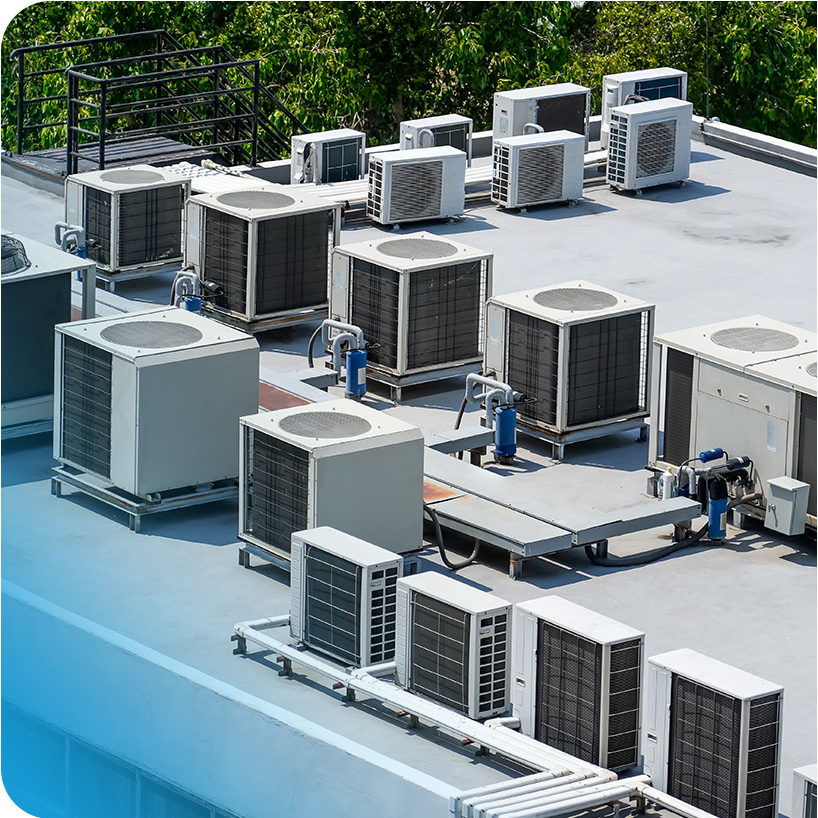
Commercial HVAC systems are designed for large spaces like offices or factories. They provide heating, cooling, and ventilation. These systems are larger and more complex than residential ones. They often include rooftop units, chillers, and boilers. Energy efficiency and durability are crucial factors in commercial HVAC design.
How Much Does An Rtu Cost?
An RTU typically costs between $500 and $5,000. Prices vary based on features and specifications. Consider additional costs for installation and maintenance. Always compare models and consult with vendors for precise pricing.
What Is The Difference Between Commercial Ac And Normal Ac?
Commercial AC units are larger and more powerful than normal ones. They handle cooling large spaces efficiently. Normal ACs are designed for residential use, suitable for smaller areas. Commercial systems often include advanced features for energy efficiency and control. Residential units focus on comfort and ease of use.
Conclusion
Commercial heating and cooling systems are essential for businesses. They ensure comfort and productivity. Choosing the right system saves energy and costs. Regular maintenance keeps systems running efficiently. It’s important to understand your business needs. Consider factors like building size and usage.
Consult professionals for the best solutions. Reliable systems improve workplace environment. They help in maintaining consistent temperatures. Investing in quality systems is a smart move. It brings long-term benefits. Comfortable spaces make employees happier. This leads to better performance and satisfaction.
Make informed decisions for your heating and cooling needs. Your business deserves the best.