
Are you tired of skyrocketing energy bills or constantly adjusting your thermostat to stay comfortable? Imagine having a home that automatically maintains the perfect temperature, all while being energy-efficient and environmentally friendly.
This isn’t just a dream—it’s the reality of electric heating and cooling for residential spaces. As you dive into this article, you’ll uncover how this technology works, the benefits it offers, and why it might be the perfect solution for your home’s comfort needs.
Get ready to discover a smarter way to maintain the ideal climate in your home, all year round.

Credit: www.carrier.com
Electric Heating Basics
Electric heating offers a modern solution for home comfort. It uses electricity to generate heat, ensuring warmth during cold seasons. Many homeowners prefer this method for its efficiency and convenience. Understanding the basics helps in making informed decisions.
Types Of Electric Heaters
Electric heaters come in various forms, each serving different needs. Here are some common types:
- Space Heaters:Portable units that heat small areas quickly.
- Baseboard Heaters:Installed along walls, ideal for consistent room heating.
- Radiant Heaters:Emit heat directly to objects and people, like the sun.
- Fan Heaters:Use fans to circulate warm air throughout a room.
How Electric Heating Works
Electric heaters convert electrical energy into heat. They use resistive elements that warm up when electricity passes through them. This process is efficient and can heat spaces evenly. Some systems use thermostats to maintain desired temperatures. This ensures comfort without wastage.
Benefits Of Electric Heating
Electric heating offers several advantages for homeowners. It is easy to install and requires minimal maintenance. Systems are generally safer as they don’t involve combustion. Electric heaters provide instant warmth, making them ideal for sudden cold snaps. They also allow precise temperature control, improving comfort.
Credit: www.carrier.com
Electric Cooling Essentials
Electric heating and cooling systems regulate home temperatures efficiently. They offer comfort by adjusting heat and cool levels using electricity. Energy-efficient designs help reduce utility bills while maintaining a pleasant indoor climate.
Electric Cooling Essentials Electric cooling is a modern marvel that has transformed how we experience comfort in our homes. Imagine stepping into your living room on a hot summer’s day and feeling a cool breeze wash over you. This is the magic of electric cooling, offering a refreshing escape from the sweltering heat. But how does it all work? Let’s delve into the essentials of electric cooling and uncover its secrets.Types Of Electric Cooling Systems
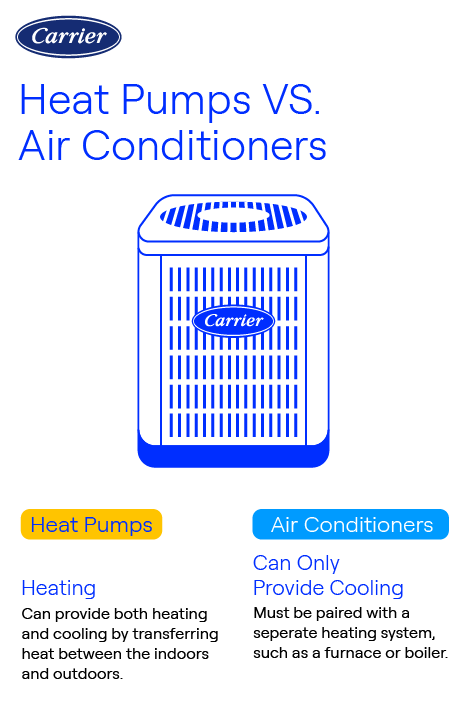
Electric cooling systems come in various forms, each tailored to different needs and spaces. Window air conditioners are popular for their affordability and ease of installation, perfect for single rooms or small apartments. Central air conditioning systems offer a more comprehensive solution, cooling entire homes with a network of ducts. For eco-conscious homeowners, heat pumps provide both heating and cooling, using less energy and reducing carbon footprints. Portable air conditioners offer flexibility, allowing you to move the unit from room to room. They are ideal for renters or those who want temporary cooling solutions without permanent installations.How Electric Cooling Functions
Electric cooling systems operate using a cycle of refrigeration. At the core is the compressor, which pumps refrigerant through coils, absorbing heat from the air. The refrigerant then releases this heat outside, cooling the indoor air. This cycle repeats, maintaining a comfortable temperature in your home. Temperature is controlled with a thermostat, allowing you to set your preferred level of comfort. Sensors and timers help optimize energy use, reducing costs and minimizing environmental impact.Advantages Of Electric Cooling
Electric cooling systems offer unparalleled convenience and efficiency. They provide rapid cooling, ensuring immediate relief from heat. Smart technology integration allows remote control via smartphones, letting you adjust settings from anywhere. This means you can come home to a perfectly cool environment without lifting a finger. Electric cooling systems are generally quieter than their traditional counterparts. This means you can enjoy a peaceful, cool home without the constant hum of machinery. Have you considered how these advantages might enhance your daily life? With the right electric cooling system, you can transform your home into an oasis of comfort.Energy Efficiency
Energy efficiency is a pivotal aspect when considering electric heating and cooling systems for your home. It’s not just about reducing your bills—it’s about making smarter choices that benefit the environment and your comfort. Understanding how these systems stack up against traditional methods can pave the way for a more sustainable lifestyle.
Electric Systems Vs. Traditional Systems
Electric heating and cooling systems often outperform traditional methods in terms of energy efficiency. Unlike gas or oil systems, electric systems convert nearly all their energy into heat or cooling, minimizing waste. This means you get more output for the energy consumed, potentially reducing your overall energy usage.
Traditional systems, while reliable, can lose energy through combustion and exhaust. Is it time to rethink what’s powering your comfort?
Cost-saving Tips
Looking to maximize savings with electric systems? Start by ensuring your home is well-insulated. Proper insulation reduces the demand on your system, allowing it to operate more efficiently.
- Smart Thermostats:Invest in smart thermostats to optimize heating and cooling schedules.
- Regular Maintenance:Keep your systems in top condition with regular maintenance checks.
- Energy Audits:Consider professional energy audits to identify areas for improvement.
Each step you take towards efficiency can compound into significant savings over time. Are you ready to make the change?
Environmental Impact
Electric systems are often considered greener alternatives due to their reduced carbon footprint. By using clean energy sources, such as solar or wind, you can further enhance their environmental benefits.
Traditional systems rely heavily on fossil fuels, contributing to greenhouse gas emissions. Switching to electric can help lessen your environmental impact, making your home a part of the solution rather than the problem.
Have you thought about the planet you’ll leave for future generations?
Installation Process
Electric heating and cooling residential systems require a professional installation to ensure safety and efficiency. Technicians connect units to electrical sources, ensuring proper ventilation and system compatibility.
Installing an electric heating and cooling system in your home can significantly improve your comfort and energy efficiency. However, the installation process requires careful planning and execution. Whether you’re considering a professional installation or tackling it yourself, understanding the necessary steps and challenges can lead to a successful project.Professional Installation Vs. Diy
Deciding between hiring a professional or doing it yourself can be a tough choice. Professional installation ensures expertise and experience, minimizing the risk of errors. However, it comes with a cost that might not fit every budget. On the other hand, a DIY approach can save you money and give you a sense of accomplishment. But it demands a significant investment of time and effort, and you need to be comfortable with technical tasks. Are you ready to take on the challenge?Necessary Equipment And Tools
Regardless of your approach, certain tools and equipment are essential. You will need a drill, screwdrivers, a measuring tape, and level to ensure precise installation. Additionally, safety gear like gloves and goggles are crucial to protect yourself during the process. You’ll also need the appropriate wiring and connectors specific to your system. Ensure you have an installation manual or guide to help you through the specific requirements for your model.Common Challenges
Installation is not without its hurdles. One common challenge is ensuring the system is compatible with your home’s electrical capacity. A misstep here can lead to system inefficiencies or even hazards. Another issue can be finding the right placement for units to maximize efficiency and coverage. Improper placement can lead to uneven heating or cooling, leaving some areas of your home uncomfortable. Finally, navigating local codes and permits can be daunting. Make sure you’re aware of any local regulations before beginning your installation. Are you prepared to handle these challenges, or would a professional’s expertise be more beneficial? Navigating the installation process requires careful consideration of these factors. Whether you choose professional installation or a DIY approach, being informed and prepared can make all the difference.Maintenance And Care
Maintaining your electric heating and cooling system is crucial for ensuring its efficiency and longevity. Regular care not only keeps your home comfortable but also helps you avoid unexpected repair costs. Understanding the basics of maintenance can empower you to keep your system running smoothly.
Regular Maintenance Tasks
Regular maintenance doesn’t have to be daunting. Simple tasks like changing air filters every 1-3 months can vastly improve your system’s performance. Make it a habit to check your thermostat settings and clean the vents to prevent airflow blockages.
Consider scheduling a professional inspection annually. A technician can identify potential issues before they become major problems. This proactive approach can save you from costly repairs and extend the life of your system.
Troubleshooting Common Issues
Is your system not heating or cooling effectively? Check if the circuit breaker has tripped. Sometimes, a simple reset can solve the problem.
Strange noises or unusual odors might indicate a more serious issue. Don’t ignore these signs; instead, investigate or consult a professional. Understanding the basics of your system can help you quickly address minor issues.
Extending System Lifespan
Want your system to last longer? Regular cleaning is essential. Dust and debris can accumulate, causing wear and tear. Keep the area around your unit clear and free of obstructions.
Invest in a programmable thermostat. It optimizes energy usage, reducing strain on your system. This small change can have a big impact on the lifespan of your unit.
Have you considered upgrading your insulation? Better insulation reduces the workload on your system, helping it function efficiently for years to come.

Credit: www.facebook.com
Future Trends
The future of electric heating and cooling in residential spaces is incredibly promising, with technological advancements paving the way for more efficient, sustainable, and smart solutions. As homeowners seek to reduce energy consumption and costs, the industry is responding with innovations that not only cater to these needs but also provide enhanced comfort and convenience. Let’s explore some key future trends that are shaping this transformative landscape.
Innovations In Electric Heating And Cooling
Electric heating and cooling systems are undergoing remarkable transformations. New materials and designs are emerging, allowing for devices that heat or cool more efficiently. Imagine a home where windows can regulate temperature by changing their properties, reducing the need for traditional HVAC systems. Innovative electric heat pumps are becoming more prevalent, utilizing the ambient air to generate heat even in colder climates, which can significantly lower electricity bills. These advancements promise not just savings but also increased comfort.
Smart Technology Integration
Smart technology is becoming a cornerstone in the management of electric heating and cooling systems. With devices connected to the Internet of Things (IoT), you can control your home’s temperature from anywhere using your smartphone. Imagine setting your heating to start before you arrive home, ensuring a cozy welcome. These systems can learn your habits, adjusting settings automatically for optimal efficiency. They can alert you about maintenance needs, preventing costly repairs. The integration of AI-driven systems means your home can adapt to changing weather patterns without you lifting a finger.
Market Growth Projections
The market for electric heating and cooling is set to experience significant growth. As more countries push for greener solutions, the demand for energy-efficient systems is rising. Governments are offering incentives for homes that adopt electric heating and cooling technologies, making it a financially appealing choice. Additionally, the global shift towards reducing carbon footprints is driving innovation in this space, encouraging manufacturers to produce more eco-friendly options. The question is, how will you adapt to these changes to ensure your home remains comfortable and sustainable?
Frequently Asked Questions
How Does Electric Heating And Cooling Work?
Electric heating uses resistive elements to convert electricity into heat. Fans or coils distribute the warm air. Electric cooling works by using a compressor to circulate refrigerant. It absorbs heat from indoor air, then releases it outside, cooling the interior.
Both systems offer efficient temperature control.
How Do I Know If My House Is Gas Or Electric Heat?
Check the thermostat for settings like “gas” or “electric. ” Inspect the furnace; gas systems have a pilot light. Look for gas pipes connected to the unit. Electric heat systems often have baseboards or radiant panels. Consult your energy bill for details on heating type.
What Does Electric Cooling Mean On A Home?
Electric cooling refers to systems using electricity to cool your home, like air conditioners or heat pumps. These systems efficiently reduce indoor temperature, providing comfort during hot weather. Electric cooling is a popular choice for its reliability and ease of use.
What Is Electric Heating In Homes?
Electric heating in homes uses electricity to generate heat. It includes systems like electric radiators, baseboard heaters, and underfloor heating. This method efficiently warms living spaces, offering precise temperature control. Electric heating is often considered cleaner than fossil fuel options, contributing to a reduced carbon footprint.
Conclusion
Electric heating and cooling make homes comfortable and energy-efficient. Simple systems keep temperatures balanced throughout the year. They offer an eco-friendly option, using less fossil fuels. Many homeowners find electric systems cost-effective in the long run. Installation is straightforward, with various models available.
Maintenance is minimal, ensuring hassle-free operation. This technology continues to grow in popularity. Understanding electric heating and cooling helps make informed decisions. Consider your needs and budget when choosing a system. Enjoy a cozy, efficient home with electric solutions. They offer comfort and savings, making them a smart choice.