
Have you ever wondered why some photos capture motion so crisply while others blur into a muddled mess? The secret often lies in a camera’s FPS, or frames per second.
If you’ve recently dived into the world of photography or are simply curious about improving your shots, understanding FPS in DSLR cameras can be a game-changer. Imagine having the power to freeze time and capture every split-second of action with stunning clarity.
Whether you’re photographing a fast-paced sports event or the flutter of a bird’s wings, mastering FPS can elevate your photography skills to new heights. Stick around to discover how FPS affects your images and learn how to harness it to transform your photographic experience.
Understanding Fps In Photography
Frames per second (FPS) is crucial in capturing motion. It determines how many images your DSLR captures in one second. Higher FPS means smoother and more detailed action shots. This is especially important in sports and wildlife photography. Understanding FPS helps in selecting the right camera for your needs.
What Is Fps?
FPS stands for frames per second. It measures the number of images taken in one second. In the context of photography, it indicates how quickly a camera can shoot. Higher FPS allows photographers to capture fast-moving subjects with precision.
Why Fps Matters In Photography
FPS impacts the quality of motion shots. A higher FPS is essential for capturing dynamic scenes. It provides more frames, ensuring detailed and fluid images. This is particularly useful in sports, wildlife, and other fast-paced environments.
How To Choose The Right Fps For Your Dslr
Choosing the right FPS depends on your photography needs. For casual photography, a lower FPS may suffice. For action shots, consider a DSLR with higher FPS. This ensures you don’t miss critical moments. Always balance FPS with other camera features for the best results.
Balancing Fps With Image Quality
While FPS is important, image quality should not be compromised. Higher FPS can sometimes reduce image resolution. Ensure your camera maintains high quality even at increased FPS. This ensures both speed and clarity in your photos.
How Fps Affects Image Quality
When you think of FPS (Frames Per Second) in DSLR cameras, you might first consider how fast your camera can snap continuous shots. However, there’s more to FPS than just speed. It plays a significant role in determining the quality of your images. Understanding how FPS affects image quality can help you choose the right settings for your photography needs.
What Is Fps In Dslr Cameras?
FPS stands for Frames Per Second. It refers to the number of frames your camera captures in one second. Higher FPS means more frames, which is great for capturing fast-moving subjects like sports or wildlife. But how does this affect image quality?
Impact On Motion Capture
Imagine you’re photographing a sprinter. A higher FPS allows you to capture every moment of their movement. This results in sharper, clearer images with less motion blur. You can freeze those fleeting moments that would otherwise be missed with a lower FPS setting.
Image Sharpness
Higher FPS can improve image sharpness, especially in action shots. Each frame is captured quickly, reducing the chance of your subject moving during the exposure. This can be particularly useful for wildlife photography, where animals can move unpredictably.
Noise And Grain
Higher FPS settings can sometimes introduce noise and grain into your images. This is because the camera’s sensor processes more data in a shorter time. To combat this, you might need to adjust ISO settings or use noise reduction software. Have you ever noticed grainy images when shooting sports events? It could be due to your FPS settings.
Battery Consumption
Using higher FPS can drain your battery faster. The camera works harder to capture more frames, using more energy. If you’re planning a long shoot, consider carrying extra batteries. Have you ever run out of battery mid-shoot? Checking your FPS settings might help manage power usage better.
When deciding on FPS settings, think about the type of photography you’re doing. For fast action, higher FPS is beneficial. For portraits or landscapes, lower FPS might suffice. How often do you adjust FPS based on your subject? It’s worth experimenting to find the sweet spot for your photography style.
Understanding how FPS affects image quality can transform your photography experience. Next time you pick up your DSLR, consider how FPS settings can impact the final results. What changes will you make to your approach?
Fps And Its Role In Capturing Motion
Understanding FPS in DSLR cameras is crucial for anyone interested in capturing motion effectively. FPS, or frames per second, dictates how many individual images a camera can take in one second. This is particularly important for capturing fast-moving subjects, whether it’s your child playing soccer or a bird in flight. But have you ever stopped to think about how this impacts the final image?
What Exactly Is Fps?
FPS stands for frames per second. It’s a measure of how many images a camera can capture in a single second. In DSLRs, higher FPS means smoother motion capture. This is essential for action shots where every millisecond counts.
Why Fps Matters For Motion Capture
Imagine photographing a car race. A camera with lower FPS might miss key moments, resulting in blurred shots. Higher FPS ensures each moment is captured clearly. This is vital for anyone passionate about photographing sports or wildlife.
Personal Experience With Fps
Last summer, I tried to capture a hummingbird in flight. My camera’s low FPS struggled, leading to disappointing results. Upgrading to a model with higher FPS transformed my shots, capturing every flutter of the bird’s wings. Have you ever had a moment where changing one setting made all the difference?
Choosing The Right Fps For Your Needs
Are you a sports photographer or just enjoy occasional action shots? Consider your needs. For casual photography, moderate FPS might suffice. But if you often capture fast-moving subjects, investing in higher FPS is wise.
Practical Tips For Using Fps
- Check your camera’s FPS settings before shooting.
- Experiment with different FPS to find what works best for your subject.
- Use burst mode for capturing rapid sequences.
FPS can dramatically change your photography results. Next time you’re out with your DSLR, play around with the FPS settings. You might be surprised at the difference it makes!

Credit: vimeo.com
Comparing Fps In Different Dslr Models
Frames per second (FPS) in DSLR cameras define how many images the camera captures in one second. Faster FPS allows for better action shots, capturing each moment with precision. Comparing FPS across different models helps photographers choose the best camera for their needs.
Understanding the frames per second (FPS) in DSLR cameras can significantly enhance your photography game. FPS determines how many images your camera can capture in one second. If you’re into action photography, knowing the FPS can make or break that perfect shot. But how do different DSLR models compare in this aspect? Let’s dive into it.
Understanding Fps In Entry-level Dslrs
Entry-level DSLRs often have a lower FPS. These models are designed for beginners who are still learning the ropes. They typically offer FPS rates around 3 to 5 frames per second. This is sufficient for casual photography but might not catch fast-moving subjects effectively.
Mid-range Dslr Models And Their Fps
Mid-range DSLRs step up the game with higher FPS. They usually provide rates between 5 to 8 frames per second. This is ideal for hobbyists who want to capture sports events or dynamic scenes. You’ll notice a significant difference in your ability to freeze action.
High-end Dslrs: Maximizing Fps
Professional photographers often opt for high-end DSLRs. These models offer impressive FPS rates, often exceeding 10 frames per second. Such speed is crucial for wildlife and sports photography. Imagine capturing a cheetah in full sprint without missing a beat.
Comparing Fps: Canon Vs. Nikon
Canon and Nikon are popular choices among photographers. Canon’s EOS 7D Mark II boasts 10 FPS, perfect for fast action shots. Meanwhile, Nikon’s D500 offers a similar performance with 10 FPS, providing excellent options for enthusiasts. Have you ever compared these brands based on FPS?
When Does Fps Matter Most?
FPS isn’t always the most crucial feature. For portrait or landscape photography, a lower FPS might suffice. However, in fast-paced environments, high FPS can capture fleeting moments that would otherwise be lost. Consider what you shoot most often to determine your FPS needs.
Is Higher Fps Always Better?
A higher FPS can be tempting, but it’s not always necessary. It often comes with higher costs and larger file sizes. Assess your photography style. Will you benefit from more frames, or will it burden your storage and budget?
Personal Experience With Fps
I once tried capturing my dog leaping for a frisbee with an entry-level DSLR. The resulting blur was disappointing. Upgrading to a mid-range model with 7 FPS made all the difference. Have you experienced a similar situation where FPS impacted your shot? Choosing the right FPS depends on your specific needs. What’s your primary focus? Consider how FPS aligns with your photography goals. Your perfect camera might be just a few frames away!
Choosing The Right Fps For Your Needs
Choosing the right FPS for your DSLR camera can impact your photography. FPS, or frames per second, determines how many images your camera can capture in one second. This setting is crucial for action and sports photographers who need to capture fast-moving subjects. Understanding FPS helps you select the best settings for your needs.
Understanding Fps And Its Importance
FPS affects the speed at which your camera captures images. Higher FPS allows for quicker shots. This is essential for capturing fast actions. Lower FPS settings are suitable for still scenes. They offer better image quality and detail.
Evaluating Your Photography Style
Your photography style dictates the FPS you need. Action photography requires high FPS. It captures rapid movements without blur. Portrait photography prefers lower FPS. It focuses on detail and clarity.
Considering Your Subject Matter
The type of subjects you capture also influences FPS choice. Wildlife photography often needs high FPS. Animals move quickly and unpredictably. Landscape photography benefits from lower FPS. It emphasizes detail and composition.
Balancing Fps With Other Camera Settings
Balancing FPS with other camera settings ensures optimal results. High FPS might require adjustments in ISO and aperture. This maintains image quality. Lower FPS allows more flexibility with lighting settings.
Budget And Equipment Limitations
Your budget affects the FPS options available. High FPS cameras can be expensive. It’s important to consider what you can afford. Evaluate your equipment’s capabilities. Some cameras have limited FPS settings.
Testing Different Fps Settings
Experimenting with different FPS settings helps you find what works. Test various settings in different scenarios. This provides insight into what suits your style. Practice helps you understand the impact of FPS on your images.
Boosting Creativity With High Fps
Capturing the perfect moment in photography often requires more than just skill; it demands the right tools. One of these essential tools in a DSLR camera is its FPS, or frames per second. A high FPS can significantly boost your creativity by allowing you to capture multiple frames in quick succession. This capability opens up new possibilities in your photography work.
What Is Fps In Dslr Cameras?
FPS, or frames per second, refers to the number of images a camera can take in one second. This feature is crucial for fast-moving subjects where every millisecond counts. With higher FPS, you can capture a series of images in rapid succession, increasing the chances of getting the perfect shot.
Enhancing Action Shots
High FPS is a game changer for action photography. Whether you are photographing sports, wildlife, or a bustling city street, you can capture each fleeting moment with precision. Imagine freezing the exact moment a skateboarder performs a trick or a bird takes flight. High FPS gives you the freedom to seize these dynamic moments.
Creating Stunning Time-lapses
Time-lapse photography can transform mundane scenes into compelling stories. High FPS allows you to gather more frames, making smoother transitions possible in your time-lapse videos. This technique can turn an ordinary sunset into a captivating sequence, showing the gradual changes in light and color.
Experimenting With Motion Blur
While a sharp image is often the goal, experimenting with motion blur can yield creative results. Using high FPS, you can capture a series of images and select those where motion blur adds artistic value. This technique is particularly effective in scenes with moving water or busy streets, adding a sense of dynamism and energy.
Capturing Candid Moments
Candid moments are often the most cherished in photography. High FPS allows you to capture genuine expressions and interactions without interrupting the scene. Whether it’s a child’s laughter or a spontaneous street performance, these moments are fleeting and best captured with a high FPS setting.
Unlocking Creativity Through High Fps
High FPS is not just about speed; it’s about creativity and exploration. It enables you to experiment with different styles and techniques, pushing the boundaries of traditional photography. Consider how you can integrate high FPS into your photography to create unique and memorable images. What new perspectives can you discover with this powerful tool?
Tips For Optimizing Fps Settings
Optimizing FPS settings in your DSLR can enhance your photography experience. FPS, or frames per second, is key in capturing fast-moving scenes. Adjusting FPS settings helps you get clearer, more detailed images. Below are some tips to ensure you make the most of your DSLR’s FPS settings.
Understanding Your Dslr’s Capabilities
Each DSLR has unique FPS limits. Check your camera’s manual for specifics. Knowing this helps set realistic expectations. Understanding your camera allows better control over FPS settings.
Adjusting Shutter Speed
Shutter speed impacts FPS. Faster speeds mean more frames per second. Use fast shutter speeds for action shots. Slower speeds work well in low light. Always balance FPS with the right shutter speed.
Utilizing Burst Mode
Burst mode maximizes FPS potential. This mode captures multiple images quickly. Ideal for sports or wildlife photography. Use burst mode when subjects move unpredictably.
Managing Memory And Storage
High FPS consumes more storage. Ensure your memory card has enough space. Consider using high-capacity cards. Regularly transfer files to your computer. This keeps your camera ready for action.
Experimenting With Different Scenarios
Try different settings in various situations. Experiment with different FPS in diverse lighting. Practice helps you understand which settings work best. This boosts your confidence in capturing stunning images.
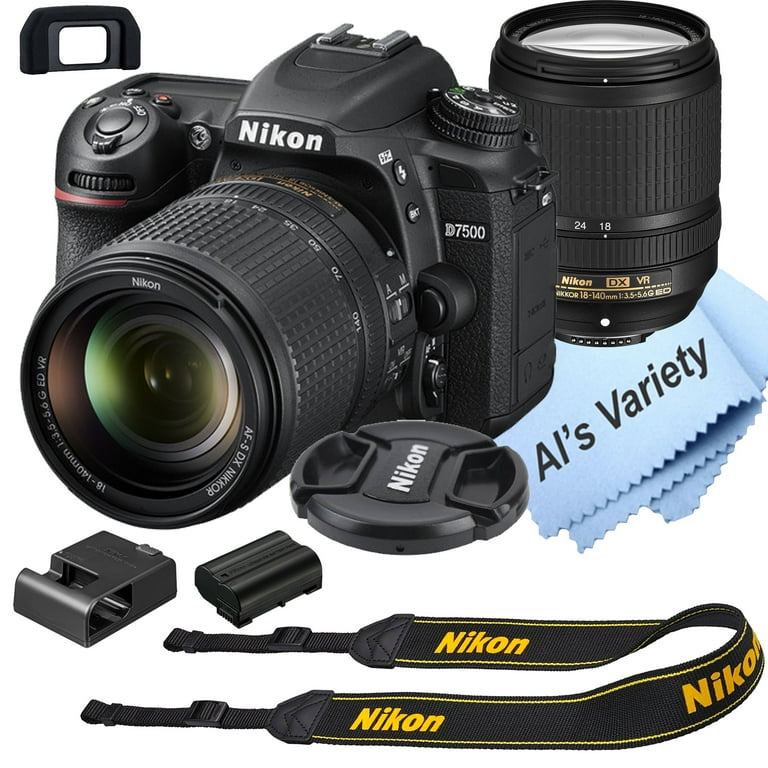
Credit: www.walmart.com
Balancing Fps With Other Camera Features
Balancing frames per second (FPS) with other camera features is crucial in DSLR photography. Higher FPS captures fast action, but may sacrifice image quality. Consider sensor size and lens compatibility to find the best setup for your needs.
Balancing FPS with Other Camera Features When you’re shopping for a DSLR camera, it’s easy to get swept up in the excitement of high FPS numbers. However, a camera’s FPS (frames per second) is just one piece of the puzzle. Balancing FPS with other features is crucial to finding the right camera for your needs. A personal experience taught me this when I was photographing a fast-paced soccer match. My camera had an impressive FPS, but lacked in other areas, resulting in missed opportunities. It’s not just about speed; it’s about how well your camera performs as a whole.
Understanding Fps In Context
FPS determines how many images your camera can capture in a second. A higher FPS is great for action shots, but it’s not the only thing to consider. Think about what you’ll be shooting most often. Do you need high FPS for sports or wildlife? If not, you might prioritize other features like image quality or low-light performance. Don’t let FPS numbers blind you to the bigger picture.
Evaluating Image Quality
High FPS might be tempting, but it often comes at a cost. Cameras with very high FPS may sacrifice image quality. Consider whether the camera maintains sharpness and detail at higher speeds. Read reviews and test cameras if possible. A balanced approach will serve you better than simply chasing high FPS.
Considering Autofocus Performance
Autofocus is another critical feature to balance with FPS. A fast shooting speed is useless if your camera can’t focus quickly. Ensure your camera’s autofocus system can keep up with fast-moving subjects. Check for features like continuous autofocus tracking. These can make a huge difference, especially in dynamic environments.
Assessing Battery Life
High FPS can drain your camera’s battery quickly. Consider how long you can shoot before needing a recharge or battery swap. Evaluate battery life under real-world conditions, not just manufacturer claims. A camera that can’t keep up with your shooting demands will only lead to frustration. Keep this in mind when weighing FPS against battery performance.
Budgeting For Your Needs
High FPS cameras often come with a higher price tag. Determine your budget and prioritize features that matter most to you. Would you rather invest in better lenses or accessories instead of top-of-the-line FPS? A well-rounded camera that fits your budget might be a smarter investment. It’s about making choices that align with your photography goals.
Reflecting On Your Priorities
What do you value most in your photography? High-speed action shots might require higher FPS, but a balanced camera could enhance your overall experience. Reflect on your needs and make decisions that align with them. The right camera is one that suits your style and helps you capture the shots you envision. It’s not just about numbers; it’s about fulfilling your creative potential. Remember, you don’t need the highest FPS to take stunning photos. Find a camera that offers a balanced mix of features to support your unique photographic journey.
Future Trends In Fps Technology
As digital photography continues to evolve, one of the most exciting areas of development is in FPS (frames per second) technology in DSLR cameras. Photographers are always on the lookout for ways to capture moments with precision and clarity. The advancements in FPS technology promise to redefine how you experience and capture the world through your lens.
The future of FPS in DSLR cameras is all about speed and efficiency. Imagine capturing a series of rapid movements without missing a beat. With improvements in processing power, cameras are expected to achieve higher FPS rates, allowing for smoother and more fluid shooting experiences. Your ability to seize that perfect moment becomes increasingly attainable.
Enhanced Processing Power
Newer DSLR models are integrating advanced processors to handle higher FPS rates. This means your camera can process images faster, reducing the lag between shots. As a photographer, this gives you the edge in dynamic environments where every split second counts.
Impact On Image Quality
With increased FPS capabilities, you might wonder if image quality suffers. The good news is that technology is stepping up to ensure that higher FPS doesn’t compromise clarity. Improved sensors and smarter algorithms are designed to maintain the integrity of each frame, ensuring your images stay sharp and vibrant.
Battery Life Innovations
Higher FPS rates demand more power, but emerging technologies are addressing this challenge. Innovations in battery efficiency mean you can shoot longer without worrying about running out of juice. Imagine not having to interrupt a shoot to swap batteries as often.
Real-world Applications
Consider the possibilities: sports photography, wildlife documentation, or even capturing your child’s first steps. Higher FPS rates can transform these experiences, providing you with more options to select that perfect shot. What moments have you missed before that you could capture now?
Personal Experience
During a recent trip to the mountains, I noticed how my camera’s FPS settings allowed me to capture the fleeting beauty of a sunrise. The rapid sequence of shots helped me preserve the changing hues and elusive moments. It’s incredible how technology can enhance your storytelling.
As you explore these advancements in FPS technology, think about how they can change your approach to photography. Are you ready to embrace these new capabilities and see the world in high speed?

Credit: www.amazon.com
Frequently Asked Questions
What Is A Good Fps For A Camera?
A good FPS for a camera is typically 24-30 FPS for video. For slow motion, 60 FPS or higher is ideal. Higher FPS provides smoother motion and more flexibility in editing. Choose based on your shooting needs and style.
Which Is Better, 24/30 Or 60 Fps?
60 FPS offers smoother motion for gaming and action scenes. 24/30 FPS provides a cinematic feel, suitable for films. Choose based on your content needs.
What Is The Fps Of A Dslr Camera?
DSLR cameras typically offer FPS (frames per second) ranging from 3 to 10 FPS. High-end models may exceed 10 FPS. The FPS rate affects how quickly a camera can capture images in burst mode, making it crucial for action and sports photography.
Always check specific camera specifications for exact FPS details.
Which Is Better, 25 Fps Or 30 Fps?
30 FPS is smoother and preferred for fast-paced content. 25 FPS suits European broadcast standards. Choose based on your audience and content needs.
Conclusion
Understanding FPS in DSLR cameras is crucial for great photography. It determines how many frames your camera captures per second. Faster FPS means smoother motion capture in videos. It also helps in capturing fast-moving subjects in photos. For sports or wildlife photography, higher FPS is beneficial.
Always check your camera’s FPS settings. Adjust according to your shooting needs. This ensures you get the best results. Remember, practice makes perfect. Experiment with different FPS settings. Find what works best for you. Happy shooting!