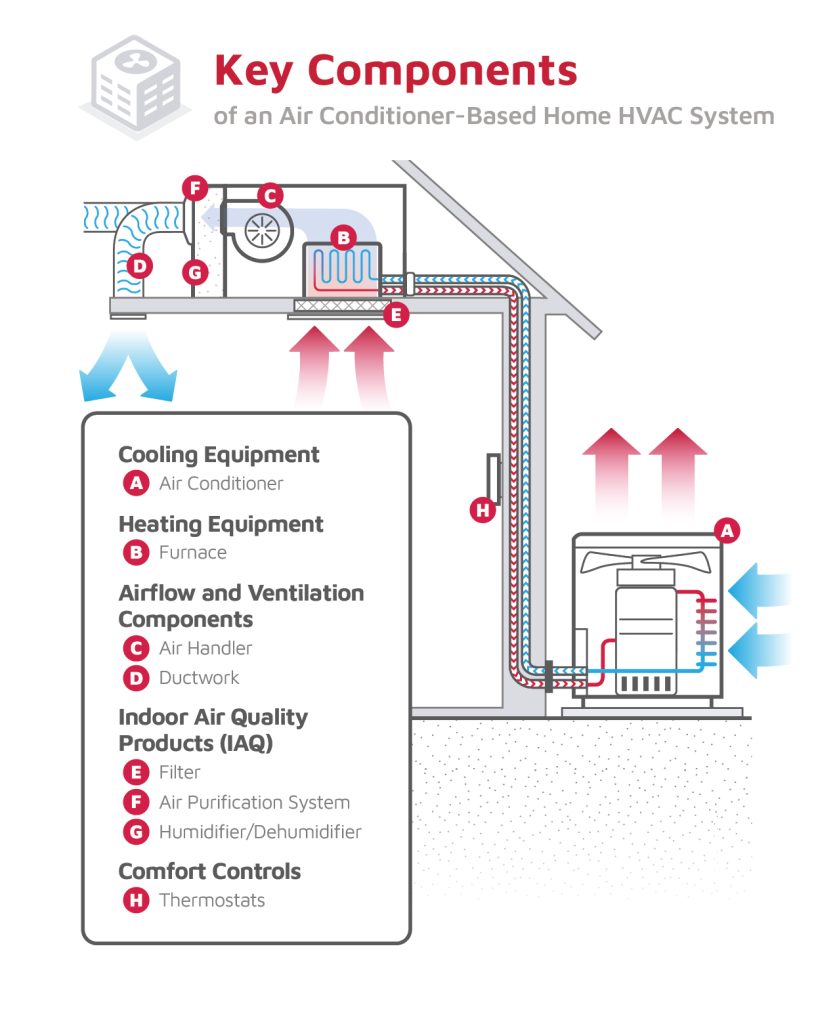
Are you tired of feeling too hot in the summer and too cold in the winter? It might be time to take a closer look at your heating and cooling system.
These systems are essential for keeping your home comfortable all year round. But what exactly are they, and how do they work? We’ll break down the basics of heating and cooling systems, giving you the knowledge you need to make your home a haven of comfort.
Imagine the peace of mind you’ll have knowing exactly how your system works and how to keep it running smoothly. Dive in to discover the secrets behind maintaining the perfect indoor climate, and transform your living space into the cozy retreat you deserve.
Basics Of Heating And Cooling Systems
Heating and cooling systems are essential for comfort in homes and offices. They regulate temperature and ensure a pleasant environment. Understanding the basics can help you make informed choices for your space. These systems vary in types and functionalities, catering to different needs. Let’s dive into the core aspects that define these systems.
Definition And Purpose
A heating and cooling system is designed to maintain indoor comfort. It achieves this by adjusting the temperature and humidity levels. The system provides warmth during cold seasons and coolness during hot days. This balance enhances living conditions and productivity. It also improves air quality and energy efficiency.
Types Of Systems
There are several types of heating and cooling systems available. Each type has its unique features and benefits. Here are some common types:
- Central Air Systems:These systems use ducts to distribute air. They are efficient for large spaces.
- Ductless Mini-Splits:Ideal for homes without ductwork. They offer flexibility in cooling specific areas.
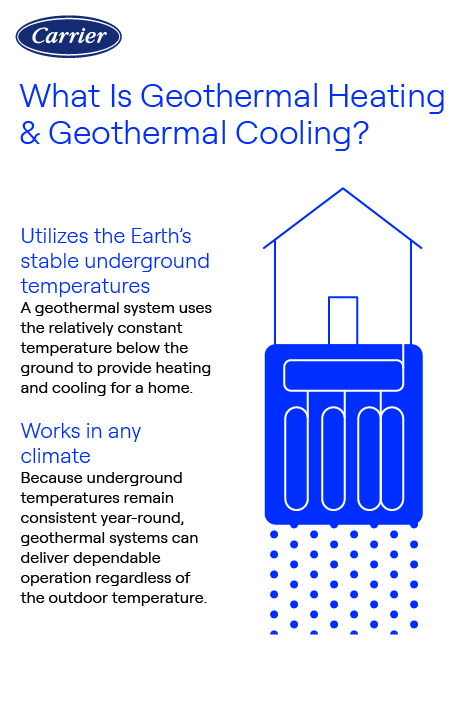
- Heat Pumps:These systems transfer heat rather than generate it. They are versatile and energy-efficient.
- Furnaces:Typically used for heating. They burn fuel to produce heat.
- Boilers:These heat water to provide warmth. They are common in colder regions.
Choosing the right system depends on various factors. Consider the size of your space and your climate needs. The efficiency and cost-effectiveness of the system also matter. Understanding these types helps in making the best decision for your environment.
Components Of Heating Systems
Heating systems play a vital role in maintaining comfortable indoor environments. These systems ensure warmth during cold seasons. Understanding their components helps in choosing the right system for your home. Here, we explore the key components found in heating systems.
Furnaces
Furnaces are popular in many homes. They generate heat using a burner. This burner can use gas, oil, or electricity. The heat produced is distributed via ducts. Furnaces are efficient and reliable. Regular maintenance keeps them running smoothly.
Heat Pumps
Heat pumps are versatile. They provide both heating and cooling. These systems transfer heat from one place to another. In winter, they move heat indoors. In summer, they expel heat outside. Heat pumps are energy-efficient. Perfect for mild climates.
Boilers
Boilers heat water or steam. The heated water circulates through pipes. This process warms your home. Boilers are known for their consistency. They can use gas, oil, or electricity. They work well in homes needing steady heat.
Components Of Cooling Systems
Heating and cooling systems use various components to regulate temperature. Key elements include compressors, fans, thermostats, and coils. These parts work together to maintain comfort in homes and buildings.
Understanding the components of cooling systems is crucial for anyone looking to maintain a comfortable indoor environment, whether at home or work. Each component plays a specific role in ensuring that the air remains cool and fresh, contributing to overall efficiency and comfort. By familiarizing yourself with these components, you can make informed decisions about maintenance, upgrades, or even choosing a new system.Air Conditioners
Air conditioners are perhaps the most well-known component of cooling systems. They work by removing heat from indoor air, using a refrigeration cycle that involves a compressor, condenser, and evaporator. Have you ever noticed how refreshing it feels to step into an air-conditioned room on a hot day? That’s the magic of air conditioners doing their job. Air conditioners come in various types, including window units, split systems, and central air systems. Each type has its advantages, depending on your space and needs. For instance, split systems are great for homes with no ductwork, while central air systems provide uniform cooling throughout a larger space.Evaporative Coolers
Evaporative coolers, also known as swamp coolers, offer a more energy-efficient alternative to traditional air conditioning. They cool air by passing it over water-saturated pads, causing the water to evaporate and absorb heat. This method is particularly effective in dry climates where humidity is low. You might be surprised to know that these coolers not only provide a cooling effect but also add moisture to the air, which can be a relief in arid areas. If you’re conscious about energy use, evaporative coolers might be the perfect choice for your home or office.Chillers
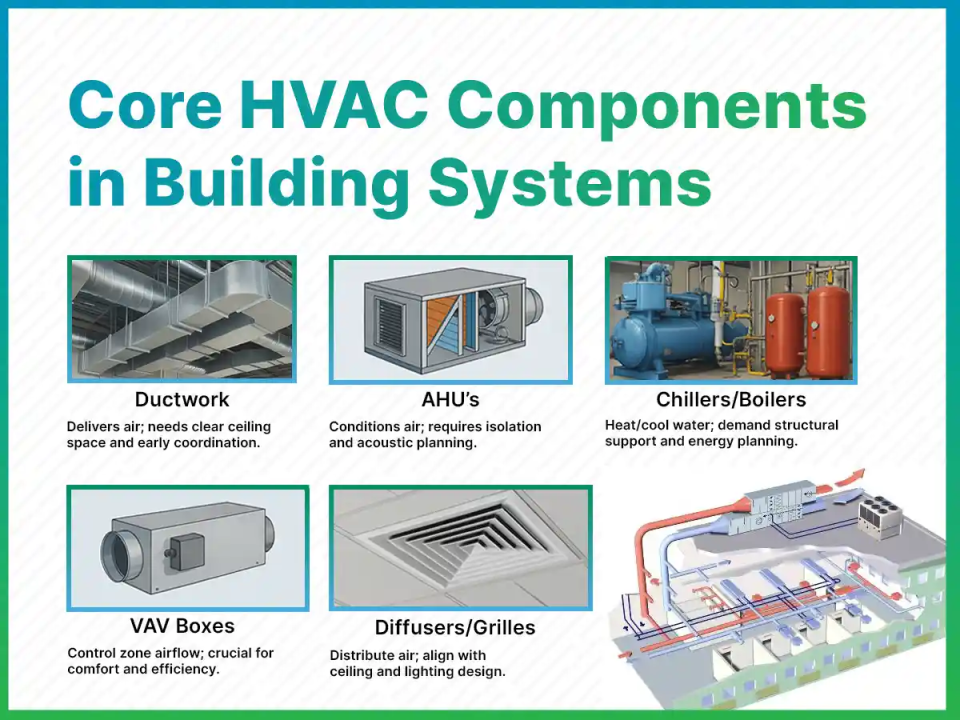
Chillers are typically used in larger buildings or industrial settings where a significant amount of cooling is required. They work by removing heat from a liquid via a vapor-compression or absorption refrigeration cycle. This cooled liquid is then circulated through heat exchangers to cool air or equipment. Imagine a bustling office building that remains comfortably cool even in the height of summer. That’s often thanks to an efficient chiller system. Chillers can be either water-cooled or air-cooled, each with its own set of benefits and considerations, like installation cost and energy efficiency. By understanding these components, you can better appreciate how your cooling system works and how to maintain it efficiently. Which component seems most relevant to your cooling needs?Energy Efficiency In Hvac Systems
Energy efficiency in HVAC systems is crucial for reducing energy costs. Efficient systems help in maintaining comfort while being eco-friendly. Let’s explore how HVAC systems achieve energy efficiency.
Seer And Afue Ratings
SEER stands for Seasonal Energy Efficiency Ratio. It measures cooling efficiency in air conditioners. Higher SEER ratings mean better energy efficiency. AFUE stands for Annual Fuel Utilization Efficiency. It measures heating efficiency in furnaces. Like SEER, a higher AFUE rating indicates better efficiency. Both ratings guide consumers in choosing energy-efficient systems.
Energy-saving Technologies
Modern HVAC systems use advanced technologies for energy savings. Variable speed motors are common. They adjust speed based on demand, saving energy. Programmable thermostats are another feature. They allow users to set temperatures for different times. This reduces energy use when no one is home. Zoning systems are also popular. They heat or cool specific areas as needed. This prevents energy waste in unused spaces. These technologies make HVAC systems more efficient. They help in cutting down energy bills significantly.
Installation And Maintenance Tips
Choosing the right heating and cooling system is just the start. Proper installation and maintenance keep it running smoothly. These steps ensure efficiency and longevity. A well-maintained system saves energy and reduces costs. Let’s explore how to achieve this.
Professional Installation
Always hire a certified technician for installation. They ensure correct setup and safety. A professional knows the best placement for your system. This helps in maximizing efficiency. Incorrect installation can lead to issues later. It might void the warranty too. Professionals also provide valuable advice. They help in choosing the right system for your needs.
Regular Maintenance Checks
Schedule routine maintenance checks at least once a year. This helps in detecting potential problems early. Replace filters every three months. Clean filters ensure better airflow. Dirty filters reduce system efficiency. Check for leaks in ducts and fix them. They can cause energy loss. Ensure vents are not blocked by furniture. This ensures proper air circulation.
Credit: www.carrier.com
Common Issues And Troubleshooting
Heating and cooling systems are essential for maintaining a comfortable home environment. These systems, like any other machinery, may encounter issues over time. Understanding common problems and troubleshooting them can save time and money. It’s crucial to know how to identify these issues and address them effectively.
Identifying Problems
Recognizing symptoms early can prevent major breakdowns. Listen for unusual noises from the system. Look out for inconsistent temperatures or weak airflow. Check for any water leaks around the unit. Notice if energy bills are suddenly higher. These signs often indicate underlying problems.
Diy Fixes
Some heating and cooling issues have simple solutions. Replace dirty filters to improve airflow. Clear debris around outdoor units. Ensure thermostat settings are correct. Tighten loose screws or bolts. Clean air vents to enhance efficiency. Reset the system to resolve minor glitches.
Choosing The Right System
Selecting the ideal heating and cooling system ensures comfort and energy efficiency. Consider climate, home size, and budget when making your choice. Research options thoroughly to find the best fit for your needs.
Choosing the right heating and cooling system can be a daunting task. It involves understanding your specific needs and budget. A well-chosen system ensures comfort and efficiency. It also reduces energy costs and environmental impact.Assessing Needs
Start by evaluating your home’s climate control needs. Consider the size of your home. Larger homes may require more powerful systems. Also, think about the local climate. Some regions need more heating or cooling. Assess your family’s comfort preferences. Do you prefer a warmer or cooler indoor environment? These factors influence the type of system you need.Budget Considerations
Budget plays a crucial role in system selection. Determine your initial investment capacity. Consider long-term costs like maintenance and energy bills. Some systems are cheaper upfront but costlier to run. Others may require higher initial investment but save money over time. Look for energy-efficient systems. They can significantly reduce utility costs. Compare different brands and models within your budget. Seek professional advice for better decision-making.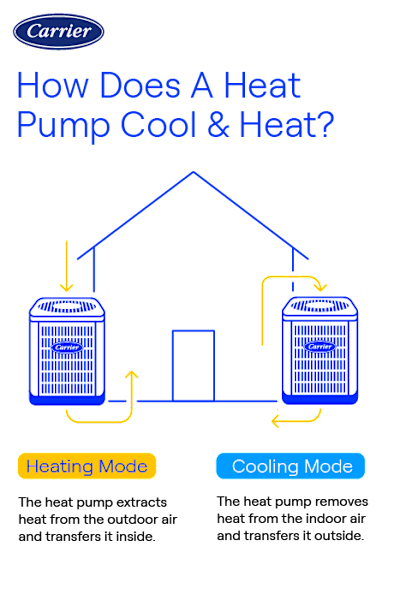
Credit: www.carrier.com
Credit: www.tejjy.com
Frequently Asked Questions
What Is An Example Of Heating And Cooling?
An example of heating and cooling is an HVAC system. It heats and cools indoor spaces efficiently. Such systems regulate temperature, improving comfort and air quality. They save energy by maintaining desired temperatures. Proper maintenance ensures optimal performance and longevity.
Investing in HVAC enhances home comfort year-round.
Is Heating And Cooling A Hard Job?
Heating and cooling jobs are demanding. Technicians face physical challenges and complex problem-solving tasks. Training is crucial for success. Skills include understanding systems, repairing units, and ensuring efficiency. Working conditions vary, often involving tight spaces and extreme temperatures. Strong dedication and attention to detail are essential.
The job offers rewarding career opportunities.
Is Heating And Cooling The Same Thing As Hvac?
Heating and cooling are components of HVAC, which stands for Heating, Ventilation, and Air Conditioning. HVAC systems regulate indoor climate, ensuring comfort. Heating warms spaces, cooling reduces temperature, and ventilation manages air quality. Together, they create a comprehensive system for maintaining optimal indoor environments.
What Is The Most Common Heating And Cooling System?
The most common heating and cooling system is the central HVAC system. It efficiently regulates temperature using ducts. Central HVAC systems are popular for their reliability and consistent indoor climate control. Many homes and businesses prefer this system for its ease of use and energy efficiency.
Conclusion
Heating and cooling systems are vital for comfortable living. They regulate temperature efficiently. Understanding their functions helps in choosing the right system. Proper maintenance ensures long-lasting performance. It also saves on energy costs. Remember, each system has unique features. Evaluate your needs before deciding.
Consult experts if unsure. They can provide valuable insights. A well-chosen system enhances comfort. It also adds value to your home. Stay informed about the latest technologies. Make smart decisions for your living space. Your comfort and savings depend on it.
Invest wisely in heating and cooling solutions. Enjoy a comfortable home year-round.