
Imagine transforming your living room into a mini-cinema, where the sound roars and the visuals captivate, offering you an escape from the mundane. That’s the magic of a home theater system.
But what exactly makes up this entertainment powerhouse? You might be wondering if it’s just a fancy TV and some speakers, or if there’s more to it. You’ll uncover the essential components that bring the theater experience right into your home.
Prepare to discover how each piece works together to create that immersive experience you crave. Ready to dive in and learn what makes a home theater system tick? Keep reading, and you’ll be the master of your own cinematic universe.
Credit: www.themasterswitch.com
Components Of A Home Theater System
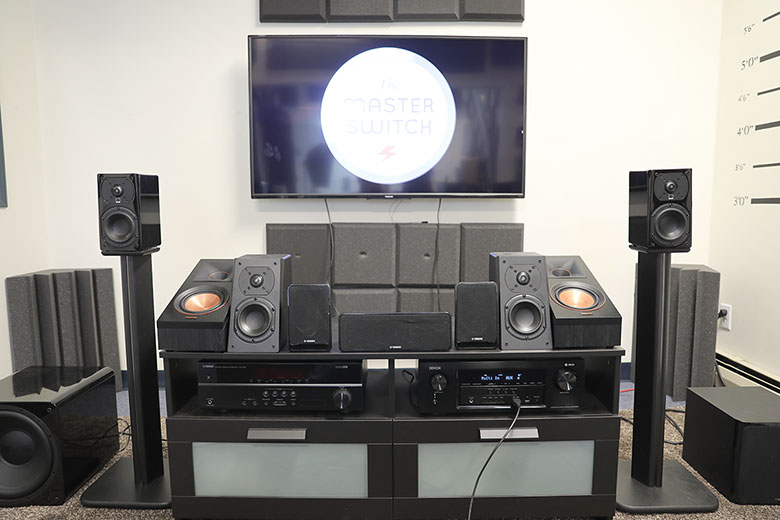
Creating a home theater system involves more than just a big screen. It’s a blend of carefully chosen components. Each piece plays a role in delivering an immersive experience. Understanding these components can enhance your viewing pleasure.
Audio Equipment
Sound is crucial in a home theater. Audio equipment includes speakers, subwoofers, and amplifiers. These components work together to create rich, clear sound. Surround sound speakers help replicate a cinema experience. Subwoofers add depth with deep bass tones. Amplifiers boost the audio signal, making the sound more powerful.
Visual Equipment
The visual component centers around the display. Options include projectors or high-definition TVs. A large screen size enhances viewing. Projectors offer a cinema-like feel. TVs provide bright and vibrant images. Choose based on your room size and personal preference.
Source Devices
Source devices provide the content for your system. These include Blu-ray players, gaming consoles, and streaming devices. Blu-ray players offer high-quality video. Gaming consoles bring interactive entertainment. Streaming devices give access to online content. These devices connect to your visual and audio equipment.
Control Systems
Control systems unify all components. They simplify operation with a single remote or app. Universal remotes control multiple devices. Smart home systems offer voice control. These systems make it easy to switch between devices. They ensure a seamless experience with minimal effort.
Choosing The Right Audio Setup
Choosing the right audio setup for your home theater system can dramatically enhance your viewing experience. Think about the moments when a subtle sound change made you jump or smile—audio plays a crucial role in storytelling. The right setup can make you feel as if you’re part of the action, right from the comfort of your living room. So, what should you consider while deciding on your audio setup?
Speakers And Subwoofers
Speakers are the backbone of your audio setup. A pair of high-quality speakers can deliver clear dialogue and vibrant soundtracks. But don’t forget about subwoofers. They bring depth to the audio, making those explosions and roaring engines feel real. A good subwoofer can shake your floors and immerse you in the moment.
Consider the size of your room when choosing speakers and subwoofers. Large spaces may need bigger speakers to fill the room with sound. Smaller rooms might benefit more from compact speakers that deliver precision. Always test them before buying; what sounds good in-store may not work in your space.
Soundbars
Soundbars are a simple solution for those who want improved audio without the hassle of multiple speakers. They fit neatly under your TV and can offer impressive sound quality. Many soundbars come with built-in subwoofers or wireless ones that can be placed anywhere in the room.
If you’re short on space or prefer a minimalist look, soundbars might be the perfect choice. They are easy to install and often come with features like Bluetooth connectivity, letting you stream music directly from your phone. You can enjoy quality sound without overwhelming your living space.
Surround Sound Systems
For those who crave a more cinematic experience, surround sound systems are the way to go. Imagine hearing footsteps behind you or rain falling all around. Surround sound systems use multiple speakers placed strategically to create a 360-degree sound environment.
These systems require careful placement to get the full effect, so plan your setup accordingly. Consider your furniture arrangement and ensure each speaker has room to project sound. Are you ready to transform your living room into a theater? Surround sound might be your ticket to an immersive experience.
Ultimately, your choice of audio setup will depend on your space, budget, and personal preference. Think about what you value most in a sound experience. Are you looking for ease of use or the ultimate audio adventure? Your decision will shape every movie night and gaming session from here on out.
Visual Equipment Options
Creating a home theater starts with the right visual equipment. The visual experience sets the mood for movie nights and game days. Choosing the best option depends on your room size and budget. Let’s explore the visual equipment options available.
Televisions
Televisions serve as a popular choice for home theaters. They offer clear images and vibrant colors. Modern TVs come with 4K and even 8K resolution. This ensures stunning detail for movies and shows. OLED and QLED technologies provide exceptional contrast. They enhance the viewing experience with deep blacks and bright whites. Consider screen size and viewing distance when selecting a TV.
Projectors
Projectors create a cinematic feel at home. They offer a larger image than most TVs. Projectors are perfect for large rooms and dedicated theater spaces. They range from affordable models to high-end options. Projector resolution varies, with 1080p and 4K being common. Ambient light affects projector performance. Consider a darkened room for the best results.
Screens
Screens complement projectors by providing a smooth surface. They come in various sizes and materials. Fixed-frame screens offer a permanent setup. Pull-down screens are versatile and save space. Choose a screen with the right gain for your projector. Gain affects brightness and viewing angles. Matte white screens are popular for balanced performance.
Source Devices For Home Theater
Source devices are the heart of any home theater system. They provide the content you watch or listen to. Each device has unique features and capabilities. They enhance your viewing experience.
Blu-ray Players
Blu-ray players offer high-definition video and audio. They play Blu-ray discs, which have more data than DVDs. This means sharper images and richer sound. Some Blu-ray players also stream content. They connect to services like Netflix or Hulu. This adds versatility to your home theater.
Streaming Devices
Streaming devices bring a world of content to your living room. They access services like Amazon Prime, Disney+, and YouTube. Popular options include Roku, Apple TV, and Fire Stick. These devices are easy to set up. They connect to the internet and your TV. Some support 4K resolution for crystal-clear images.
Gaming Consoles
Gaming consoles are more than just for games. They also stream movies and TV shows. Popular consoles include PlayStation, Xbox, and Nintendo Switch. They offer a wide range of entertainment. Many support Blu-ray discs, too. This makes them a versatile choice for home theaters.
Control Systems And Integration
Control systems are the heart of a home theater setup. They simplify the management of various devices. Integration is key for a seamless experience. It ensures all components work together. This enhances convenience and user satisfaction. Let’s explore the main elements involved.
Universal Remotes
Universal remotes offer a single control for multiple devices. They reduce clutter and simplify operations. You won’t need separate remotes for each device. They can be programmed to manage TVs, DVD players, and sound systems. This makes controlling your setup effortless.
Smart Home Integration
Smart home integration connects your theater system to your home’s network. This allows devices to interact with each other. You can control them using apps or smart hubs. It supports features like automated lighting and temperature control. Your entertainment experience becomes more immersive.
Voice Control Features
Voice control features offer hands-free operation. They use systems like Alexa or Google Assistant. You can change channels or adjust volume by speaking. This adds convenience and accessibility. It enhances the overall user experience.
Credit: www.mcintoshlabs.com
Setting Up Your Home Theater
Creating the perfect home theater involves more than just buying equipment. A proper setup enhances the viewing and listening experience. Understanding each component of the setup process is crucial for success.
Room Layout And Acoustics
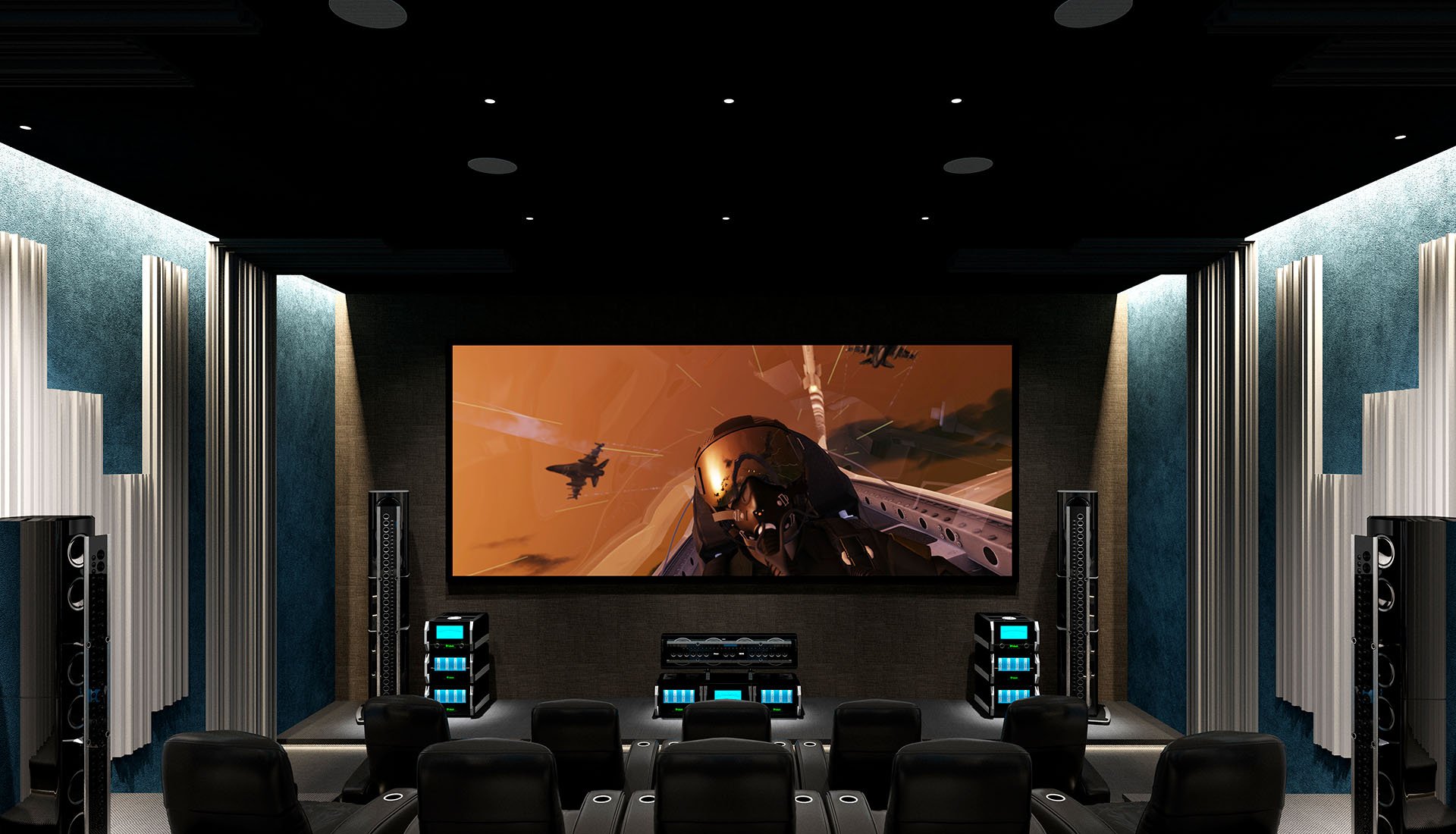
The room layout impacts sound and picture quality. Choose a room with minimal windows and good insulation. Position your seating to face the screen directly. Consider the distance between the seats and the screen for optimal viewing. Arrange speakers for balanced sound. Place front speakers at ear level and angle them towards the seating area. Use acoustic panels to reduce echo and improve sound clarity.
Wiring And Connectivity
Proper wiring ensures smooth connectivity. Organize cables to avoid tangling and interference. Use high-quality HDMI cables for better video and audio transmission. Connect all components to a central receiver. This simplifies control and switching between devices. Ensure your internet connection supports streaming services. Wireless options reduce clutter, but wired connections offer more stability.
Calibration And Testing
Calibration fine-tunes your system for the best performance. Adjust the display settings for brightness and contrast. Use a calibration disc or online tools for precise adjustments. Test the sound levels from each speaker. This helps achieve a balanced audio experience. Test different media types to ensure consistent performance. Make adjustments as needed for various content formats.
Enhancing Your Home Theater Experience
Enhancing your home theater experience requires thoughtful planning. The right elements can transform your space into a cinematic paradise. Acoustic treatments, lighting solutions, and furniture play vital roles in achieving an immersive experience.
Acoustic Treatments
Sound quality matters in a home theater. Acoustic treatments reduce unwanted echoes and improve clarity. Foam panels absorb sound waves, enhancing audio precision. Rugs and curtains can also help soften sound reflections.
Lighting Solutions
Lighting impacts your viewing experience. Dimmed lights create a cinema-like atmosphere. Consider installing smart lights for easy control. LED strips behind the screen add a stylish touch.
Furniture And Seating
Comfortable seating is key for long movie sessions. Recliners or plush sofas offer relaxation. Arrange furniture for optimal viewing angles. Consider tiered seating for larger spaces.
Maintenance And Upgrades
Home theater systems offer immersive entertainment. Regular maintenance and timely upgrades keep the system performing at its best. Dusting components and updating software are simple yet essential tasks.
Imagine your home theater system as a prized possession; it provides endless entertainment, but like any treasure, it requires care and attention. Maintenance and upgrades are crucial to keep it running smoothly and to enhance your viewing experience. Whether it’s a simple cleaning task or a more technical update, these steps can transform your home theater system into a modern marvel.
Regular Cleaning
Dust is your home theater’s silent enemy. It can accumulate on your speakers, screens, and other equipment, affecting their performance. A weekly wipe-down with a microfiber cloth can keep your devices dust-free. Pay special attention to vents and crevices where dust tends to settle. Consider using a vacuum cleaner with a brush attachment for hard-to-reach areas. A clean system not only performs better but also lasts longer.
Software Updates
Manufacturers often release software updates to improve functionality or fix bugs. Updating your system’s software can significantly enhance your experience. Set a reminder to check for updates every month. Regular updates can also include new features that you might find useful. Think of your system as a smartphone; the latest software keeps it running at its best, providing improved security and performance.
Equipment Upgrades
Technology advances rapidly, and new equipment can elevate your home theater system. Upgrading components such as speakers or projectors can offer better sound and visuals. Consider replacing cables with higher-quality options for improved connectivity. Small changes can make a big difference in the overall experience. Have you thought about adding a smart home integration? It could give you more control over your theater system, turning your movie nights into an impressive spectacle. Maintaining and upgrading your home theater system doesn’t have to be daunting. With a little effort, you can ensure your setup remains a source of joy and entertainment. What will you do to enhance your home theater experience today?
Credit: www.walmart.com
Frequently Asked Questions
What Are The Components Of A Home Theater System?
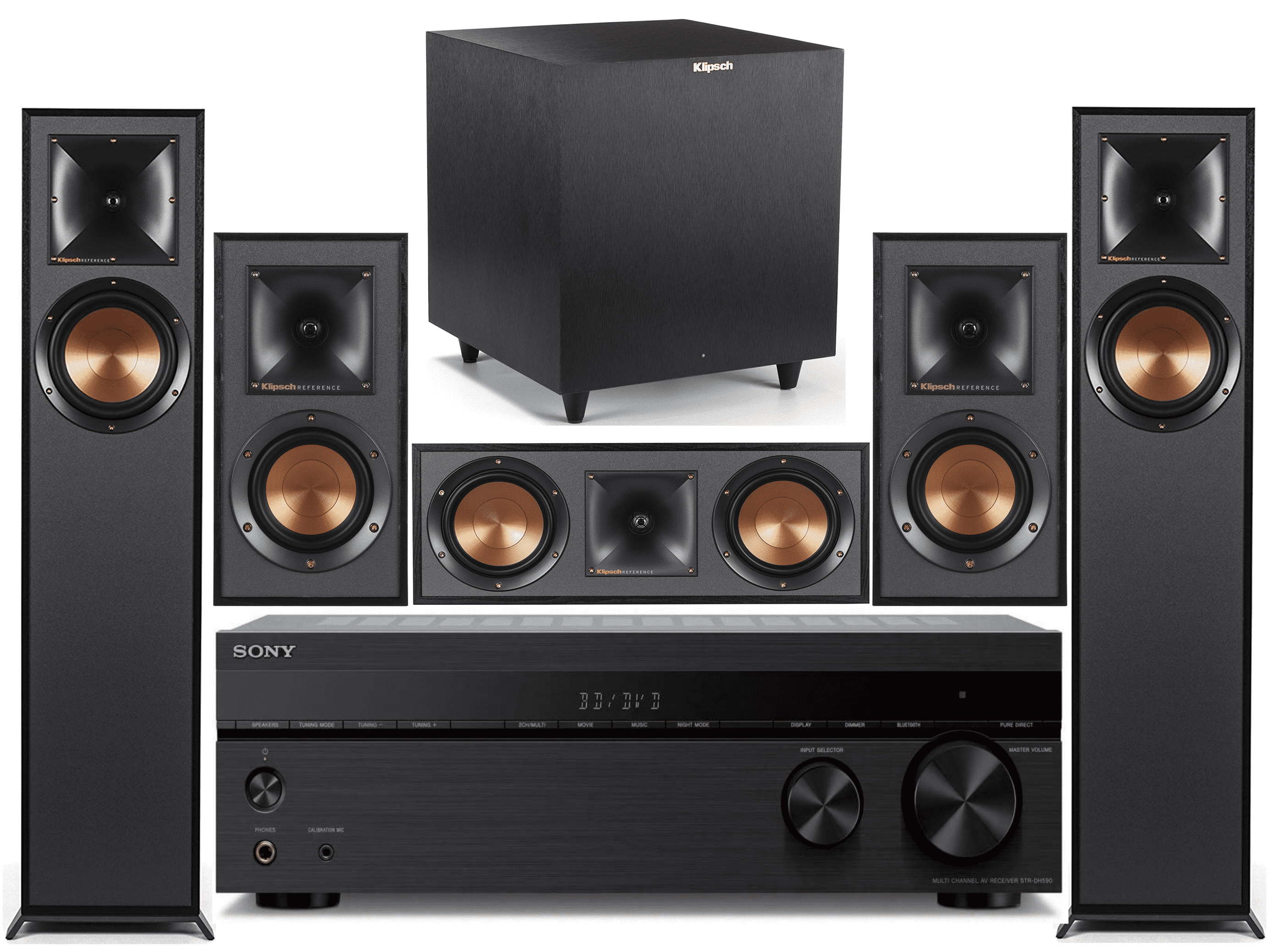
A home theater system includes a TV or projector, AV receiver, speakers, subwoofer, and media players. These components work together to create an immersive audio-visual experience. Ensure compatibility among devices for optimal performance.
What Is The Golden Rule For Home Theater?
Balance sound and visuals for an immersive experience. Optimize speaker placement for surround sound. Choose a screen size suitable for room dimensions. Control ambient light for better picture quality. Ensure comfortable seating for prolonged viewing sessions.
What Are The Features Of Home Theater?
Home theaters offer surround sound, high-definition video, and large screens. They include AV receivers, multiple speakers, and subwoofers. Many feature streaming capabilities, Blu-ray players, and smart home integration. Comfortable seating and ambient lighting enhance the experience. Advanced models support 4K, HDR, and Dolby Atmos for immersive sound and picture quality.
What Are The Basics Of Home Theater Sound?
Home theater sound basics include speakers, a receiver, and subwoofers for surround sound. Proper speaker placement enhances audio quality. Use quality cables for connections. Adjust settings for balanced sound.
Conclusion
A home theater system transforms your movie nights. It offers rich sound and clear visuals. You get an immersive experience, just like a cinema. Each component plays a vital role. Speakers bring depth. The projector or TV delivers sharp images.
The receiver ties everything together. Choose the right setup for your space. Consider your budget and room size. Quality can vary, so research wisely. Enjoy the magic of movies at home. A well-chosen system makes all the difference. Create lasting memories with family and friends.
Dive into the world of entertainment.