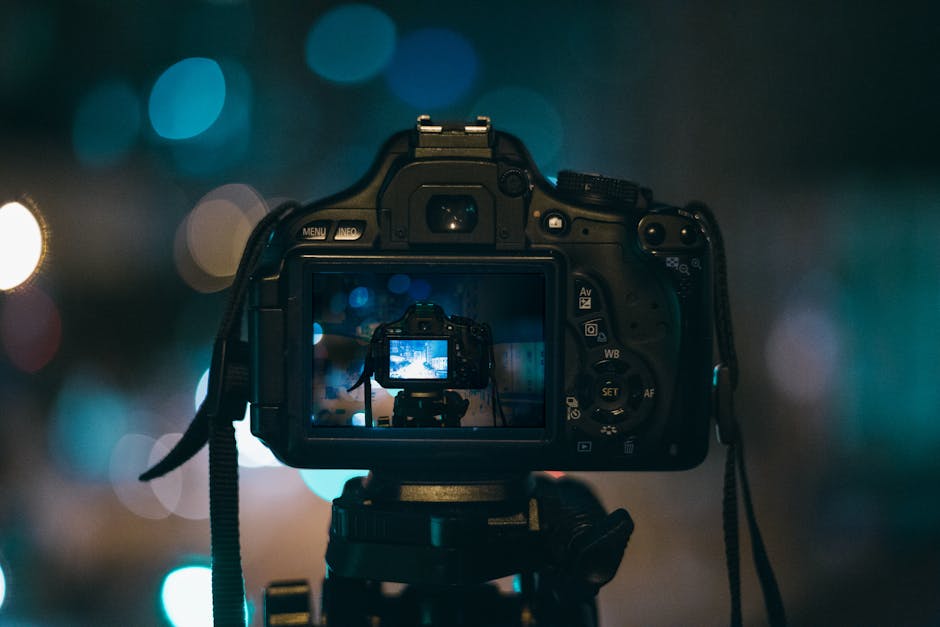
Have you ever wondered why some of your photos look bright and clear, while others seem too dark or grainy? The secret lies in understanding ISO sensitivity in your DSLR camera.
ISO sensitivity is a crucial setting that can transform your photography from ordinary to extraordinary. By mastering ISO, you can capture stunning images in various lighting conditions, ensuring your precious moments are perfectly preserved. We’ll demystify ISO sensitivity, explaining what it is, why it matters, and how you can use it to take your photography skills to new heights.
So, get ready to unlock the potential of your camera and never miss a picture-perfect shot again!
Iso Sensitivity Basics
Understanding ISO sensitivity can transform your photography experience. If you’ve ever wondered why some photos appear grainy while others are crisp, ISO sensitivity might be the key. It plays a crucial role in determining the quality and exposure of your images. Let’s dive into the basics of ISO sensitivity to enhance your camera skills.
Definition And Purpose
ISO sensitivity refers to your camera’s ability to capture light. It’s essentially a measure of how sensitive the sensor is to light. The term originally came from film photography, where film had different sensitivities to light. In DSLR cameras, you can adjust ISO settings to suit various lighting conditions.
The primary purpose of ISO is to help you take better photos in different environments. Whether you’re shooting in dimly lit rooms or bright sunlight, ISO allows you to adjust how much light your camera needs. This flexibility can be a game-changer, especially in challenging lighting situations.
How It Affects Exposure
Exposure in photography is all about balancing three key elements: aperture, shutter speed, and ISO. ISO sensitivity directly influences how bright or dark your photo will be. A higher ISO setting makes the sensor more sensitive to light, resulting in brighter images. Conversely, a lower ISO means less sensitivity and darker images.
Imagine you’re at a dimly lit concert. Increasing your ISO can help capture the moment without a flash, but beware—it might introduce grain or noise into your photos. Finding the right ISO setting is like finding the sweet spot between light and detail. Consider the trade-offs between brightness and clarity.
Do you ever feel frustrated with blurry images in low light? Adjusting your ISO might be the solution. Experiment with different settings to see how they affect your photos. You might discover that a higher ISO brings out details you didn’t notice before.
Remember, ISO sensitivity is your tool for adapting to various lighting scenarios. It’s all about finding balance and achieving the exposure you desire. Next time you pick up your DSLR, play around with ISO settings and witness the difference it makes in your photography.
Iso And Light Conditions
ISO sensitivity in DSLR cameras adjusts the sensor’s light sensitivity. Higher ISO settings capture images in low-light conditions but may introduce grain or noise. Balancing ISO with other settings ensures clear, detailed photos in various lighting situations.
Understanding ISO sensitivity in your DSLR camera is crucial for capturing stunning photographs. ISO determines how sensitive your camera’s sensor is to light. Think of it as a tool that can dramatically change the way your photos look in different lighting conditions. Adjusting ISO can be a game-changer whether you’re shooting in dimly lit environments or under the bright sun. Let’s delve into how ISO interacts with various light conditions and why it matters for your photography.Low Light Situations
Capturing images in low light can be challenging. If you’ve ever tried to take a picture in a dimly lit room, you might have noticed that it turns out blurry or grainy. This is where ISO becomes your best friend. By increasing the ISO setting, your camera becomes more sensitive to light, allowing you to capture clearer images in darker environments. However, there’s a trade-off. Higher ISO settings can introduce noise, which appears as unwanted grain in your photo. Imagine shooting a concert where light is scarce and ever-changing. You might set your ISO to 1600 or even 3200 to freeze the moment. Yet, you need to balance the noise level with the need for a well-exposed image. Have you ever wondered why some night shots look vivid while others are murky? It’s often about finding that sweet spot in ISO settings. Practice adjusting ISO while maintaining image quality to make your low-light shots pop.Bright Light Environments
In contrast, shooting in bright light presents its own set of challenges. High light levels can cause your photos to be overexposed, losing detail in the highlights. Here, a lower ISO setting like 100 or 200 is ideal. It reduces the camera sensor’s sensitivity, allowing you to capture images with rich detail and vibrant colors. Think about a sunny day at the beach. The sunlight is dazzling, and you want to capture the vivid blue of the sky and the sparkling ocean. A low ISO ensures that your image retains its natural color without being washed out by the brightness. But why stop there? Lower ISO settings not only preserve detail but also enhance image clarity by minimizing noise. Next time you’re out in bright sunlight, try experimenting with ISO to see how it affects your photos. You might discover that slight adjustments can make a huge difference in capturing the essence of your surroundings. By understanding how ISO interacts with light conditions, you can enhance your photography skills. Whether you’re shooting in low light or bright light, adjusting your ISO setting could be the key to capturing the perfect shot. What will you experiment with next in your ISO journey?Impact On Image Quality
Iso sensitivity in DSLR cameras affects image quality. Higher ISO settings allow shooting in low light but can introduce noise. Lower ISO settings yield clearer images with less grain, suitable for bright conditions. Balancing ISO with aperture and shutter speed is essential for optimal photography results.
When you adjust the ISO sensitivity on your DSLR camera, you’re essentially deciding how sensitive your camera’s sensor should be to light. This setting plays a crucial role in determining the quality of your images. Higher ISO settings can brighten photos in low light, but they also introduce some potential downsides.Noise Levels
Raising the ISO often results in increased noise. Noise appears as random specks of color and can be particularly noticeable in darker areas of your photos. Have you ever taken a nighttime photo that looked grainy? That’s the noise at work due to high ISO settings. To manage noise, try to keep your ISO as low as possible. Use a tripod or stabilize your camera to allow for longer exposure times. This way, you can achieve better image quality without bumping up the ISO.Detail Preservation
High ISO settings can also affect the level of detail captured in your images. As ISO increases, the camera’s ability to preserve fine details decreases. This can make textures look muddled and edges less sharp. Think about when you’re capturing a landscape. You want every leaf and branch to be distinct. By keeping the ISO low, you maintain those crisp details. In situations where you must increase ISO, consider shooting in RAW format. This allows for better post-processing options to bring back some of those details. How do you balance ISO with other settings to get the best image quality? Experiment with your camera’s ISO settings under different lighting conditions. This hands-on experience will teach you how to control noise and maintain detail in your photos.Choosing The Right Iso Setting
Choosing the right ISO setting is crucial in photography. It impacts image quality and exposure. ISO sensitivity determines how a camera’s sensor responds to light. A higher ISO captures light in darker settings but can introduce noise. A lower ISO results in clearer images with less noise but may require more light. Understanding ISO helps achieve desired results without compromising quality.
Balancing Iso With Shutter Speed And Aperture
Finding the perfect balance between ISO, shutter speed, and aperture is essential. Shutter speed controls how long the sensor is exposed to light. A faster shutter speed freezes motion but needs more light. Slower speeds allow more light but can blur motion. Aperture impacts depth of field and light intake. A wider aperture lets in more light but reduces depth of field. Adjusting ISO helps maintain this balance.
Iso In Different Photography Genres
Different photography styles require unique ISO settings. In landscape photography, use a low ISO for sharp images. This ensures minimal noise and maintains detail. Portrait photography often benefits from a moderate ISO. It captures expressions well with balanced lighting. Action and sports photography need higher ISO settings. This compensates for fast movements and low light conditions. For night photography, a high ISO is often necessary. It captures scenes in low light without excessive noise.
Advanced Iso Techniques
Iso sensitivity in a DSLR camera controls how much light the sensor captures. Higher ISO settings brighten photos in low light. Lower ISO settings provide clearer images with less noise.
Advanced ISO Techniques can transform your photography from average to extraordinary. As you delve deeper into the world of ISO sensitivity, you’ll discover ways to harness this powerful tool for creative expression. Whether you’re shooting in low light or aiming for a particular artistic effect, understanding advanced ISO techniques can significantly enhance your skills and results.Auto Iso Feature
Auto ISO is like having a smart assistant in your camera. It automatically adjusts the ISO settings based on the lighting conditions. Imagine capturing a sunset where the light changes every minute. Auto ISO steps in to keep your images bright and clear, without you needing to tweak settings manually. You can set limits to ensure the ISO doesn’t go too high and introduce unwanted noise. Have you tried using Auto ISO in a fast-paced environment? It allows you to focus on composition rather than technicalities.Iso Bracketing
ISO Bracketing is a technique that involves taking multiple shots with different ISO settings. This method lets you compare and choose the best exposure for your scene. If you’re unsure about the lighting, ISO bracketing can be a lifesaver. Consider a scenario where you’re photographing a dimly lit museum exhibit. ISO bracketing provides a variety of images, ensuring you capture the perfect shot without losing detail. Have you ever wondered how professionals manage to capture stunning details in challenging light? ISO bracketing is often their secret weapon. By experimenting with different settings, you gain more control over your final image. Advanced ISO techniques offer practical ways to enhance your photography. As you explore these methods, consider how they can apply to your unique shooting environments. How could adjusting ISO settings impact your next photographic adventure?Common Iso Mistakes
Understanding ISO sensitivity is a fundamental skill for any DSLR camera user. But even seasoned photographers often make mistakes that can compromise their photos. Knowing what to avoid can significantly improve your shots and enhance your creativity.
Overusing High Iso
High ISO settings can be tempting, especially in low-light situations. They allow you to shoot without a flash, capturing moments naturally. However, overusing high ISO can lead to grainy images that lack clarity.
Consider this: I once shot a birthday party indoors using ISO 3200. While the ambient lighting was preserved, the photos looked like they had a sandpaper effect. Balance is key. Sometimes it’s better to lower the ISO and use external lighting or adjust the aperture instead.
Ignoring Iso When Adjusting Exposure
ISO is a crucial part of the exposure triangle along with shutter speed and aperture. Ignoring ISO can result in underexposed or overexposed images. Have you ever adjusted the shutter speed and aperture, only to find your image still doesn’t look right?
It happened to me during a sunset shoot. I kept fiddling with the aperture, but the picture was too dark. Only when I adjusted the ISO did the image pop with vibrant colors and detail. ISO can be your secret weapon in tricky lighting conditions. Never forget its role in crafting the perfect exposure.
Are you making the same ISO mistakes? Next time you shoot, pause and evaluate your settings. Could adjusting the ISO make a difference? Awareness and thoughtful tweaks can transform your photography, leaving you with stunning images to showcase.
Tips For Mastering Iso Sensitivity
ISO sensitivity in a DSLR camera is crucial for capturing the perfect shot. Adjusting ISO allows you to control the camera’s sensitivity to light. This affects the brightness and noise in your photos. Mastering ISO can enhance your photography skills. Here are some tips to help you understand and use ISO effectively.
Practical Exercises
Start by taking photos in different lighting conditions. Set your camera to manual mode and adjust the ISO settings. Begin with a low ISO in bright light. Increase the ISO in dim light. Notice the changes in image quality. High ISO can introduce noise. Practice helps you find the balance.
Experiment with different ISO levels for the same scene. Compare the results. Identify which ISO level produces the best image quality. This hands-on approach solidifies your understanding of ISO sensitivity.
Using Iso In Creative Photography
ISO can be a tool for creativity. Use high ISO to capture motion in low light. This can add dynamism to action shots. Lower ISO values can create sharp and clear images. Ideal for landscapes or portraits.
Experiment with ISO for night photography. A higher ISO can capture stars in the sky. Use ISO creatively to evoke mood in your photos. It can enhance the storytelling aspect of your photography.
Remember, practice makes perfect. Keep experimenting with ISO settings. Discover new ways to express your creative vision.
Frequently Asked Questions
What Should My Iso Sensitivity Be Set At?
Set ISO sensitivity based on lighting conditions. Use lower ISO in bright settings for best quality. Increase ISO in low light to avoid blur, but be cautious of noise. Adjust ISO to maintain desired shutter speed and aperture.
What Is Iso Sensitivity In Dslr Cameras?
ISO sensitivity in DSLR cameras measures the sensor’s sensitivity to light. Higher ISO values capture images in low light but may increase noise. Lower ISO values are ideal for bright conditions, producing clearer images. Adjust ISO to balance light and image quality effectively.
What Is The Best Iso Setting For A Dslr Camera?
Choose ISO based on lighting conditions. Use ISO 100-400 for bright light. Increase to ISO 800-1600 for low light. Higher ISO might introduce noise, so adjust carefully to balance image quality. Always test settings to find the perfect ISO for your specific shooting environment.
Is Iso 200 Or 400 Better?
ISO 200 offers less noise and is ideal for bright conditions. ISO 400 is better for low light, providing more sensitivity. Choose based on lighting and desired image quality.
Conclusion
Understanding ISO sensitivity is key for better DSLR photos. Adjusting ISO affects light in your images. Low ISO works best in bright conditions. High ISO helps in low light but adds noise. Always balance ISO with shutter speed and aperture.
Practice and experimentation improve your skills. You’ll see how ISO changes image quality. With these basics, you can capture clearer and more vibrant photos. Remember, photography is about creativity and learning. Keep exploring different ISO settings to find what suits your style.
Happy shooting!