
Are you curious about how industries keep everything running smoothly, from your morning cup of coffee to the car you drive? It all comes down to something called process heating and cooling.
These are essential techniques used in countless industries to control temperatures, ensuring products are made safely and efficiently. Imagine your favorite chocolate bar melting in your hand on a hot day—without proper cooling processes during production, it might never have reached you in perfect condition.
By understanding process heating and cooling, you’ll gain insight into the vital roles these methods play in manufacturing, food production, and even energy generation. Stay with us as we delve deeper into this fascinating subject, and discover how these processes impact your daily life in ways you might not expect.
Process Heating Basics
Process heating is essential in industries that rely on precise temperature control. It involves transferring heat to materials to achieve desired physical or chemical changes. Understanding the basics of process heating can help businesses improve efficiency and product quality.
Definition And Purpose
Process heating refers to the method of applying heat to materials or substances. The primary purpose is to aid in manufacturing or treatment processes. Heat is used to modify material properties, such as melting, drying, or curing. It ensures optimal conditions for reactions and treatments.
Common Applications
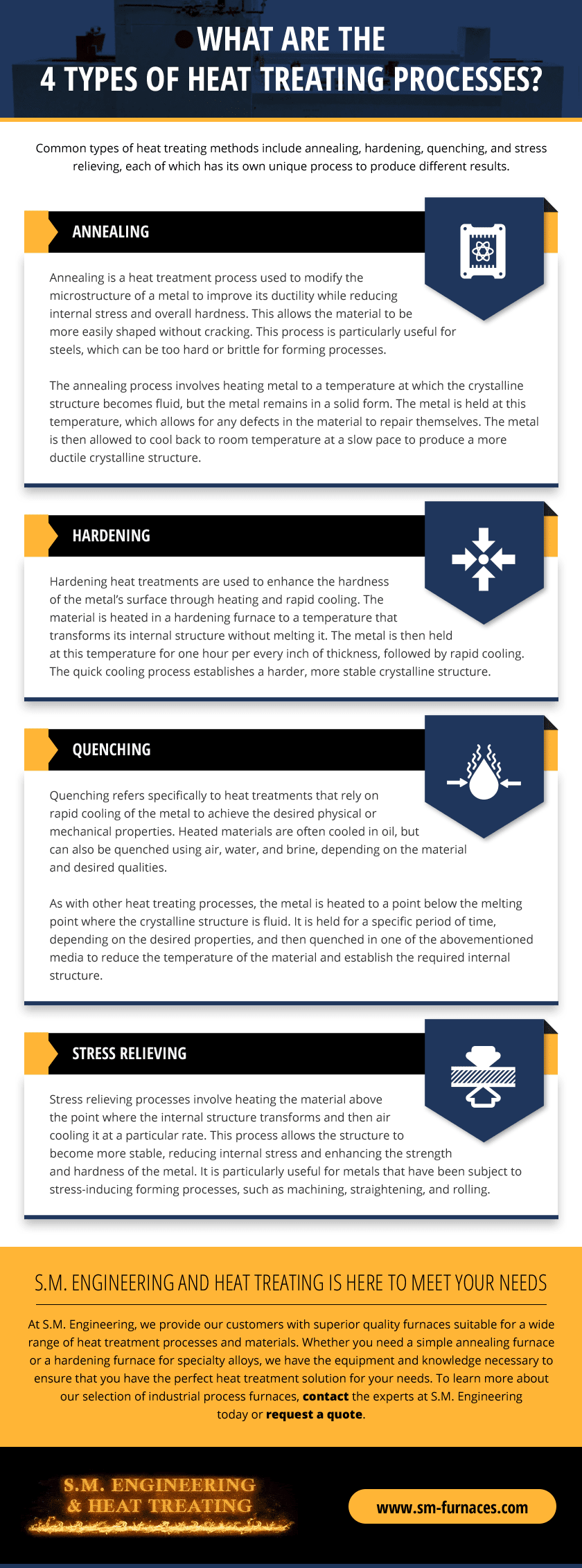
Various industries use process heating for different applications. In the food industry, it helps in cooking, baking, and pasteurizing. The chemical industry relies on it for distillation and polymerization. Metalworking uses heat for annealing and welding. Each application requires specific temperature settings for effective results.
Process Cooling Fundamentals
Process cooling plays a vital role in many industrial operations. It involves removing heat from a system or substance to maintain optimal temperatures. This is crucial for efficiency, safety, and product quality. Understanding the fundamentals of process cooling helps industries operate smoothly and safely.
Importance In Industry
Process cooling is essential in various sectors. It ensures machinery and equipment work effectively. Cooling prevents overheating, which can lead to breakdowns and costly repairs. Maintaining the right temperature extends the lifespan of equipment. It also boosts productivity by minimizing downtime.
In manufacturing, cooling maintains product consistency. It helps in controlling chemical reactions. This is critical in sectors like pharmaceuticals and plastics. Food processing relies on cooling to preserve freshness and prevent spoilage. It safeguards quality and extends shelf life.
Typical Use Cases
Process cooling serves diverse applications. In data centers, it protects sensitive equipment. Cooling systems prevent overheating of servers, ensuring reliable operation. The chemical industry uses cooling to manage exothermic reactions. It regulates temperatures during production processes.
Metalworking requires cooling for precision. It ensures tools and materials remain at stable temperatures. This aids in achieving desired product specifications. In HVAC systems, cooling maintains comfortable environments. It provides climate control in commercial and residential buildings.
Automotive manufacturing uses cooling for testing engines. It ensures engines perform optimally under various conditions. Cooling systems in power plants manage heat from turbines. This is crucial for energy production efficiency and safety.
Types Of Heating Methods
Process heating and cooling involve methods like convection, conduction, and radiation to manage temperature. These techniques are essential in industries for efficient energy use and quality control.
Heating methods are crucial in process heating and cooling. They ensure optimal temperatures for various industrial applications. Each method offers distinct advantages depending on the materials and desired outcomes. Understanding these types aids in selecting the right technique for efficient energy use.Direct Heating Techniques
Direct heating involves transferring heat directly to the target. This method is swift and effective. Common techniques include flame heating and electrical resistance. Flame heating uses burners to apply heat. It’s suitable for high-temperature processes. Electrical resistance employs electric currents. It heats materials directly, reducing energy loss.Indirect Heating Systems
Indirect heating uses a medium to transfer heat. This method ensures uniform temperature distribution. It includes steam heating and hot water systems. Steam heating involves boilers and heat exchangers. It provides consistent heat for large areas. Hot water systems circulate heated water. They are ideal for moderate temperature processes.Cooling Techniques And Technologies
Process heating and cooling are vital for maintaining temperature in industrial systems. Efficient cooling techniques ensure optimal operation and prevent overheating. Modern technologies offer precise control, enhancing productivity and safety in various applications.
Cooling techniques and technologies play a crucial role in process heating and cooling systems, ensuring that operations run smoothly and efficiently. The right cooling method can prevent overheating, enhance productivity, and extend the lifespan of equipment. Understanding different cooling options can help you make informed decisions for your specific needs.Air Cooling Methods
Air cooling is a straightforward and cost-effective technique. It involves using air to dissipate heat from components or systems. Simple setups like fans and blowers are common, where air is directed over hot surfaces to cool them down. Consider the effectiveness of natural ventilation. It uses the natural flow of air to remove excess heat without mechanical aids. This method can be eco-friendly and economical, but it may not be sufficient for high-demand situations.Liquid Cooling Solutions
Liquid cooling offers a more efficient solution for handling higher thermal loads. It involves circulating a liquid coolant through a system to absorb and transfer heat away from critical components. Think about how a car radiator works. The coolant absorbs engine heat, travels to the radiator, and dissipates the heat into the air. Similar setups are used in industrial applications, ensuring optimal operating temperatures. Which cooling method suits your needs better? Are you looking for simplicity or efficiency? Understanding these techniques can help you decide what’s best for your processes.Energy Efficiency Considerations
Process heating and cooling are vital for many industries. They involve controlling temperatures in manufacturing. Efficient energy use in these processes can reduce costs and environmental impact.
When considering process heating and cooling, energy efficiency is paramount. It’s not just about saving money, but also about reducing your environmental footprint. Efficient systems can lead to significant cost savings and sustainability benefits over time. But how can you make your process heating and cooling more energy-efficient?Cost-effective Strategies
Investing in modern equipment is one of the most straightforward ways to improve energy efficiency. Newer models are often designed with energy-saving features that older systems lack. Regular maintenance is equally crucial. Dirty filters and clogged ducts can reduce system efficiency, leading to higher energy consumption. Scheduling routine check-ups can help you avoid these pitfalls. Utilizing smart technology can also provide real-time data to optimize performance. Smart thermostats, for example, can adjust settings based on current conditions, ensuring that energy is used only when necessary.Sustainable Practices
Consider integrating renewable energy sources into your system. Solar panels or wind turbines can supply electricity for your heating and cooling needs, reducing reliance on fossil fuels. Another sustainable practice involves using waste heat recovery systems. These systems capture and reuse heat that would otherwise be lost, further enhancing efficiency. Engage your team in energy-saving initiatives. Educating employees about simple habits, like turning off equipment when not in use, can collectively make a significant impact. Are there areas in your facility where sustainable practices could be improved? Taking the time to assess and implement these strategies can lead to long-term energy efficiency gains.
Credit: www.sterlco.com
Safety And Regulations
Safety and regulations are crucial aspects of process heating and cooling systems. Ensuring that these systems operate safely not only protects workers but also minimizes risks to the environment. Strict adherence to regulations and standards is essential for maintaining operational integrity and avoiding costly penalties.
Compliance Standards
Adhering to compliance standards in process heating and cooling involves more than just ticking off checkboxes. It’s about creating a culture of safety and responsibility. You need to familiarize yourself with industry-specific regulations such as OSHA guidelines and EPA standards. These regulations are designed to prevent accidents and ensure the safe handling of materials.
Regular audits and inspections can help identify potential hazards before they become incidents. Consider the last time you reviewed your compliance procedures. Are there gaps that need addressing? Being proactive in compliance can save you from unexpected surprises and enhance the safety of your operations.
Risk Management
Effective risk management is key to maintaining a safe environment in process heating and cooling operations. Identifying risks early allows you to implement measures that prevent accidents and reduce downtime. Create a risk assessment plan that evaluates every aspect of your process, from equipment maintenance to emergency response strategies.
Training your team on risk management protocols is equally important. A well-informed staff can react swiftly and appropriately in case of an emergency. Have you considered conducting regular drills and simulations? These activities not only prepare your team for real-world scenarios but also highlight areas for improvement.
Ultimately, safety is not just about following rules; it’s about fostering an environment where everyone feels responsible for their own and each other’s well-being. What steps are you taking today to ensure your process heating and cooling systems are not just compliant but truly safe?
Innovations In Heating And Cooling
Innovations in heating and cooling are transforming industries. They are making processes more efficient. Cutting-edge technologies are enabling sustainable solutions for heating and cooling. These innovations are crucial for energy conservation and cost reduction. Let’s explore some emerging technologies and future trends.
Emerging Technologies
New heating and cooling technologies are being developed. Smart thermostats are becoming popular. They allow precise temperature control. Sensors monitor and adjust energy usage. This saves money and reduces energy waste. Heat pumps are another innovation. They use less energy to heat and cool spaces. This makes them eco-friendly.
Advanced materials are being used in cooling systems. These materials improve heat transfer. This increases efficiency. Engineers are exploring magnetic refrigeration. It uses magnets to cool. This could replace traditional cooling methods. It promises lower energy consumption.
Future Trends
Future heating and cooling trends focus on sustainability. Renewable energy sources are being integrated. Solar panels and wind turbines can power heating systems. This reduces reliance on fossil fuels. Smart grids are being developed. They optimize energy distribution. This makes systems more efficient.
Artificial intelligence is playing a role. AI predicts energy needs and adjusts systems automatically. This enhances efficiency. IoT devices are being used. They connect heating and cooling systems for better management. These trends aim to create greener, smarter solutions.
Selecting The Right System
Understanding process heating and cooling is crucial for effective system selection. These systems control temperatures in industrial operations, impacting efficiency and safety. Proper selection ensures optimal energy use and system performance.
Selecting the right process heating and cooling system is pivotal for ensuring efficiency and cost-effectiveness in your operations. It’s not just about choosing equipment; it’s about understanding your specific needs and how a system can meet them. The right choice can significantly impact your productivity, energy consumption, and overall operational success.Factors To Consider
When choosing a heating or cooling system, consider the scale of your operations. Are you a small business or a large industrial facility? Your scale will dictate the capacity and type of system you need. Next, think about energy efficiency. Systems with higher efficiency ratings might have a higher upfront cost but can save you money in the long run through lower energy bills. Also, don’t overlook the importance of maintenance. A system that is easy to maintain will reduce downtime and repair costs, keeping your operations running smoothly.Custom Solutions
Sometimes, off-the-shelf solutions don’t fit perfectly. Custom systems can be tailored to meet the unique demands of your operations. This might involve designing a system that integrates multiple heating and cooling technologies to optimize performance. Discuss your needs with a specialist who can provide insights into innovative solutions that you might not be aware of. Custom solutions can also adapt to your operational changes over time, providing flexibility as your business grows. Have you considered how a custom approach could offer a competitive advantage? Tailored systems can enhance efficiency and adaptability, potentially leading to better market positioning.Impact On Industry Performance
Understanding the impact of process heating and cooling on industry performance is crucial for businesses striving for excellence. These systems are fundamental to many industries, influencing operational efficiency and product quality. Let’s delve deeper into how these factors shape industry outcomes.
Operational Efficiency
Efficient heating and cooling processes are the backbone of industrial operations. Imagine a factory where machines work seamlessly because temperatures are perfectly controlled. This harmony reduces energy consumption and minimizes downtime, leading to significant cost savings.
When systems run smoothly, employees can focus on their tasks without constantly worrying about equipment failures. It’s not just about saving money; it’s about creating an environment where productivity can thrive. Have you ever noticed how a slight change in temperature can affect a machine’s performance?
Product Quality
Temperature control directly impacts the quality of the products you produce. Precise heating and cooling ensure consistency, which is vital for customer satisfaction and brand reputation. Think about the precision required in pharmaceuticals or food production—one degree off can compromise quality.
By maintaining optimal conditions, companies can avoid defects and improve the reliability of their products. This not only boosts customer trust but also reduces waste and rework costs. How often do you consider the role temperature plays in the quality of your products?

Credit: www.clauger.com
Credit: www.sm-furnaces.com
Frequently Asked Questions
What Is The Process Of Heating And Cooling?
Heating involves increasing the temperature of a space or object using energy sources. Cooling reduces temperature by removing heat. Both processes use equipment like heaters, air conditioners, or heat pumps. Efficient systems ensure comfort and energy savings. Regular maintenance enhances performance and longevity.
What Is The Meaning Of Process Heating?
Process heating refers to raising the temperature of materials in manufacturing. It enhances production efficiency by using heat energy. Applications include drying, melting, and chemical reactions. Industries such as food processing, metalworking, and pharmaceuticals heavily rely on process heating for optimal operations.
What Does The Term Process Heating And Cooling Refer To?
Process heating and cooling involve temperature regulation in industrial processes. They ensure optimal conditions for manufacturing. These systems help maintain the required temperatures for chemical reactions, material processing, and equipment efficiency. Proper management improves product quality and energy efficiency, benefiting industries like pharmaceuticals, food processing, and petrochemicals.
What Is The Meaning Of Process Cooling?
Process cooling reduces heat generated during industrial operations, ensuring equipment efficiency and safety. It uses water, air, or refrigerants.
Conclusion
Process heating and cooling play crucial roles in industries today. They ensure temperature control for safe and efficient operations. Proper management reduces energy costs and enhances productivity. Industries rely on these systems for consistent results. Understanding their importance aids in better decision-making.
It also helps in maintaining equipment longevity. Investing in efficient systems saves resources in the long run. Regular maintenance is key to optimal performance. Stay informed about latest technologies in this field. This knowledge helps improve operational efficiency. Overall, effective process heating and cooling can significantly impact industrial success.