
Have you ever wondered how some systems can both heat and cool, yet remain efficient? Enter the fascinating world of refrigerated heating and cooling.
This innovative technology might just be the key to transforming your home or business environment. Imagine having a single system that seamlessly adjusts to your comfort needs year-round. No more fussing with separate heaters or air conditioners. Curious to know how it works and how it can benefit you?
Stick around, as we unravel the secrets of refrigerated heating and cooling, and why it might just be the perfect solution for you.
Refrigerated Heating And Cooling Basics
In today’s world, controlling the temperature of your home is not just about comfort, but also about efficiency and cost savings. Refrigerated heating and cooling systems offer a versatile solution, allowing you to enjoy consistent temperatures regardless of the season. But what exactly are these systems and how do they work? Let’s dive into the basics to understand their core principles and key components.
Core Principles
Refrigerated heating and cooling systems operate on the principle of heat transfer. Instead of generating heat, these systems move heat from one place to another. In summer, they extract heat from your home and release it outside. During winter, the process is reversed, drawing heat from the outside air and bringing it inside.
Have you ever noticed how cool the back of your refrigerator feels? That’s because it’s releasing the heat extracted from inside. Similarly, refrigerated systems use a refrigeration cycle to manage your home’s temperature efficiently. This method is not only effective but also energy-efficient, helping you save on utility bills.
Key Components
Understanding the main components of refrigerated heating and cooling systems can help you manage them better. At the heart of these systems is the compressor, which circulates the refrigerant through the system. The refrigerant is a special fluid that absorbs and releases heat, making it critical for the system’s operation.
- Evaporator Coil:Located inside your home, it absorbs heat from the indoor air.
- Condenser Coil:Placed outside, it releases the absorbed heat into the external environment.
- Expansion Valve:It regulates the flow of refrigerant into the evaporator, controlling the cooling process.
All these components work together seamlessly to maintain your desired indoor climate. Next time you adjust your thermostat, think about how these parts are collaborating to bring you comfort. Isn’t it fascinating how technology has advanced to make our lives easier?
As you explore ways to improve your home’s heating and cooling, consider the advantages of refrigerated systems. Could this be the solution you’ve been looking for to keep your home comfortable all year round?
Types Of Refrigerated Systems
Refrigerated heating and cooling systems maintain temperature control in various settings. They come in several types, including air-cooled, water-cooled, and evaporative-cooled systems. Each type offers unique benefits suited for different applications, ensuring efficiency and reliability in maintaining desired temperatures.
Refrigerated heating and cooling systems have become essential in modern climate control, offering efficient temperature regulation across various settings. Understanding the types of refrigerated systems can help you choose the right solution for your specific needs, whether in residential or commercial environments. Let’s explore the different types of systems available and see how they apply to different scenarios.Residential Applications
Residential refrigerated systems are designed to maintain comfort in your home all year round. Central air conditioning systems are the most common type, providing consistent cooling and heating through ductwork. They are perfect for large homes where maintaining uniform temperature in every room is crucial. Ductless mini-split systems offer flexibility, allowing you to cool or heat individual rooms. If you have a new addition to your house or an area with specific climate needs, these systems are your go-to choice. They are easy to install and can be an energy-efficient option for targeted heating or cooling. Window units and portable air conditioners are more affordable and versatile. They are ideal for small apartments or temporary cooling needs. Though not as powerful as central systems, they provide quick relief in specific areas, especially during hot summers.Commercial Solutions
In commercial settings, refrigerated systems need to handle larger spaces and often more complex requirements. Rooftop units are popular, offering centralized heating and cooling for entire buildings. They are efficient for businesses seeking to minimize space usage within their premises. Chillers are another option, commonly used in industries where precise temperature control is needed, like manufacturing or large office spaces. They can be incorporated into existing systems to enhance cooling efficiency and are typically used in conjunction with air handlers. Variable Refrigerant Flow (VRF) systems provide customizable solutions for commercial buildings, allowing different zones to be individually controlled. They are highly efficient, making them suitable for multi-floor buildings where diverse temperature demands exist. VRF systems can contribute significantly to energy savings by adapting to varying occupancy and usage patterns. Have you considered how these systems might impact your energy bills or the comfort level in your space? Understanding the types of refrigerated systems can lead to smarter choices and ultimately improve your environment’s comfort and efficiency.How Refrigerated Systems Work
Refrigerated heating and cooling systems use a cycle of compression and expansion. This process transfers heat from inside to outside, or vice versa. It relies on refrigerant, a special fluid that absorbs and releases heat efficiently.
Refrigerated heating and cooling systems are marvels of modern technology, seamlessly blending comfort and efficiency. These systems offer a unique approach to temperature control by utilizing refrigeration cycles to both cool and heat your home. Understanding how these systems operate can help you make informed decisions about your home’s climate control needs.Cooling Process
Refrigerated systems excel at cooling by using a refrigeration cycle. This involves a compressor that pumps refrigerant through coils, absorbing heat from indoor air. The absorbed heat is then expelled outdoors, effectively cooling the indoor environment. Think about the refrigerator in your kitchen—it works on a similar principle. The cooling process is efficient and consistent, ensuring you stay comfortable even during the hottest days.Heating Mechanism
Surprisingly, refrigerated systems can also provide heating. By reversing the refrigeration cycle, the system absorbs heat from the outside air and transfers it indoors. This process is efficient even in cooler climates, leveraging the ambient heat present in the air. Imagine a crisp winter morning where stepping into your warm home feels like a hug from technology itself. Have you ever wondered how it’s possible for refrigerated systems to heat a space? The secret lies in their ability to extract and amplify heat from the surroundings, making them versatile year-round solutions. By understanding these processes, you gain insight into why refrigerated heating and cooling systems are becoming increasingly popular. Their dual functionality offers a practical way to manage indoor climate, providing comfort without compromising on efficiency.Benefits Of Refrigerated Heating And Cooling
Refrigerated heating and cooling systems are becoming increasingly popular, and for good reason. These systems offer a range of benefits that make them an appealing choice for homeowners and businesses alike. Whether you’re looking to save on energy bills or maintain a comfortable indoor environment year-round, refrigerated heating and cooling could be the solution you need.
Energy Efficiency
One of the standout benefits of refrigerated heating and cooling is its energy efficiency. These systems are designed to use less power while delivering optimal performance. By utilizing advanced technology, they reduce energy consumption, leading to lower utility bills.
Imagine the relief of opening your energy bill and seeing a noticeable decrease. This efficiency not only saves you money but also reduces your carbon footprint. Opting for an energy-efficient system is a win-win for your wallet and the planet.
Temperature Control
Precise temperature control is another advantage of refrigerated heating and cooling systems. You can maintain consistent comfort levels throughout your home or office, regardless of the weather outside. These systems allow you to set specific temperatures for different zones, ensuring everyone stays comfortable.
Think about the last time you struggled to find the right balance between too hot and too cold. With this technology, those days are behind you. Enjoy the convenience of adjusting settings with ease and maintaining your perfect climate.
Are you ready to experience these benefits? Refrigerated heating and cooling systems might just be the upgrade you need for a more comfortable and energy-efficient living space.
Installation Considerations
Understanding installation considerations for refrigerated heating and cooling is crucial. Proper planning ensures efficiency and longevity. Before installation, several key factors must be evaluated.
Space Requirements
Refrigerated systems need ample space. They require room for both indoor and outdoor units. Assess the available area in your home. Ensure there is enough clearance for airflow. Proper space prevents overheating and enhances performance. Consider future maintenance access. This will save time and cost later. Discuss space needs with a professional installer.
Cost Factors
Installation costs vary based on several factors. The size of the system affects price. Larger systems often cost more. The complexity of installation influences costs. Homes with difficult access may incur higher fees. Consider the energy efficiency of the unit. More efficient units can save money over time. Budget for regular maintenance to ensure system longevity.

Credit: www.achrnews.com
Maintenance And Troubleshooting
Refrigerated heating and cooling systems blend cooling with heating for precise temperature control. Regular maintenance ensures efficient operation and longevity. Troubleshooting common issues, like uneven temperatures or noises, helps maintain comfort and efficiency.
Maintaining and troubleshooting your refrigerated heating and cooling system is crucial for its efficiency and longevity. Just like any other appliance, it requires regular attention to ensure it functions seamlessly. Whether you’re a seasoned pro or a beginner, understanding the basics can save you from costly repairs and ensure your home stays comfortable year-round. Dive into these handy tips and questions that might just solve your lingering concerns.Regular Checks
Regular checks are your first line of defense against unexpected breakdowns. Make it a routine to inspect your system every few months. Look for visible signs of wear, such as frayed wires or rust. Don’t forget to clean the filters; a clogged filter can reduce efficiency and increase energy bills. Consider setting a reminder to check the thermostat settings and ensure they align with your comfort needs.Common Issues
Knowing common issues can help you troubleshoot problems before they escalate. Is your system making unusual noises? It could be a sign of loose parts or debris. Experiencing uneven heating or cooling? This often points to blocked vents or duct issues. Check if your system is cycling too frequently; it might be struggling to maintain the desired temperature due to a faulty thermostat or leaks. What steps do you take when something goes wrong? Start by referencing your manual; it can provide valuable insights tailored to your model.Future Trends In Refrigerated Systems
The world of refrigerated heating and cooling is rapidly evolving, driven by technological innovation and environmental concerns. As you navigate the future trends in refrigerated systems, consider how these advancements can impact your daily life and business operations. With sustainability becoming a priority, what changes can you expect in this industry?
Technological Advancements
Refrigerated systems are embracing cutting-edge technologies to enhance efficiency and performance. Smart sensors are increasingly used to monitor temperature fluctuations and system health, allowing for predictive maintenance and reducing downtime. Automation is also playing a significant role, with systems now being able to self-adjust based on real-time data, ensuring optimal energy use. Imagine a refrigerator that knows exactly when to adjust its cooling settings to preserve your food longer while saving energy.
Environmental Impact
As environmental awareness grows, refrigerated systems are adopting greener practices to minimize their footprint. Refrigerants with lower global warming potential are being implemented, reducing harm to our planet. Moreover, energy-efficient designs are being prioritized, cutting down on electricity consumption and costs. Consider how switching to a more eco-friendly refrigerated system could not only save you money but also contribute to a healthier planet. How important is it for you to make an environmentally conscious choice in your cooling systems?
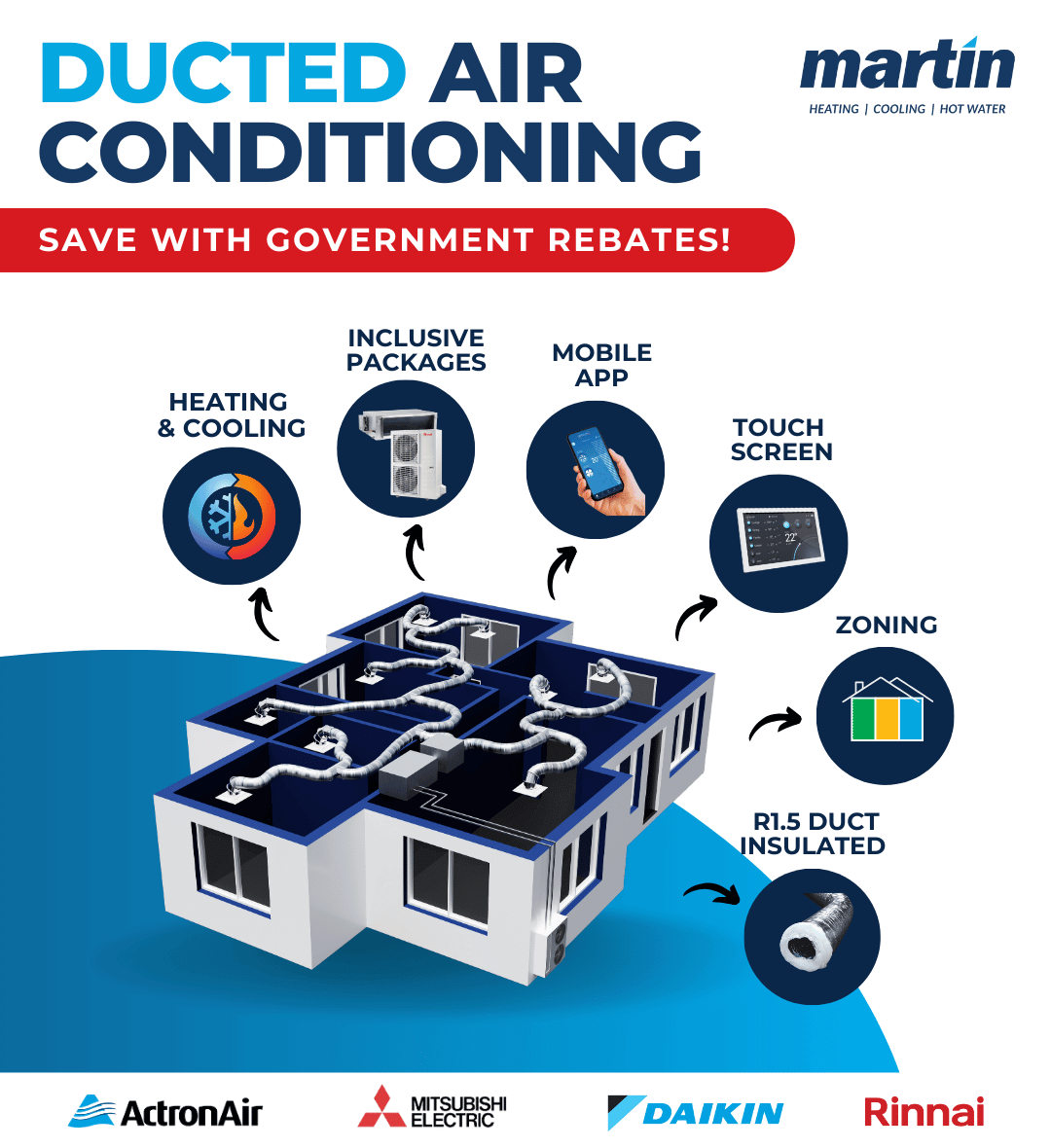
Credit: martinheatingcooling.com.au
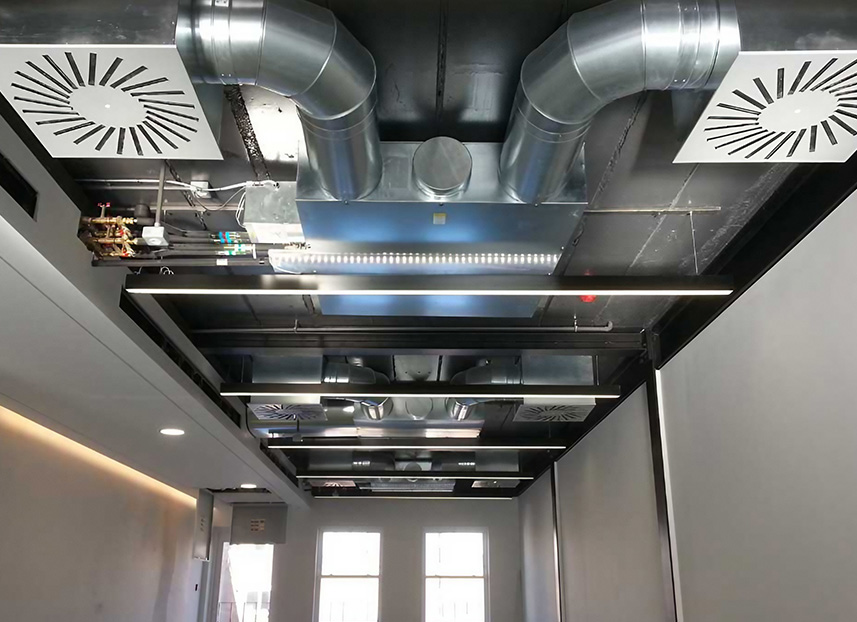
Credit: hitechair.com.au
Frequently Asked Questions
How Does Refrigerated Heating And Cooling Work?
Refrigerated heating and cooling use a refrigerant to transfer heat. The system absorbs heat indoors and releases it outside. This process cools the interior. For heating, it reverses the cycle, extracting heat from outside to warm the inside. Efficient temperature control ensures comfort year-round.
Is Refrigerated Cooling Expensive To Run?
Refrigerated cooling can be costly. Costs depend on energy efficiency, usage, and local electricity rates. Choosing energy-efficient models can lower expenses. Regular maintenance also helps improve efficiency and reduce costs. Consider comparing energy ratings before purchasing.
Is Refrigeration Cooling The Same As Air Conditioning?
Refrigeration cooling and air conditioning both cool spaces, but they operate differently. Refrigeration targets small, confined spaces, while air conditioning cools larger areas and controls humidity. Both systems use similar principles but serve distinct purposes in cooling environments.
How Much Is Refrigerated Cooling And Heating?
Refrigerated cooling and heating costs vary based on system type, size, and location. Prices range from $1,500 to $10,000. Installation and maintenance fees may apply. Consult a local HVAC specialist for an accurate estimate tailored to your needs. Investing in energy-efficient systems can reduce long-term costs.
Conclusion
Refrigerated heating and cooling offer effective climate control. They balance temperature, improving comfort. Energy efficiency is a key benefit. It reduces costs and saves resources. This system suits homes and businesses alike. It adapts to varied environments with ease. Regular maintenance ensures optimal performance.
Understanding the basics helps users make informed choices. Consider your needs before installation. Choose wisely to enhance your space. With proper use, comfort is guaranteed. Embrace technology for a better living environment. Enjoy the benefits of modern climate solutions. Stay comfortable all year round.