
Are you curious about how to maintain a comfortable temperature in your home all year round? Understanding the basics of space heating and cooling is key to achieving that cozy warmth in winter and refreshing coolness in summer.
Whether you’re planning a home renovation, building a new house, or simply seeking to make your living space more energy-efficient, grasping the essentials of space heating and cooling can make all the difference. Imagine walking into your home and feeling perfectly comfortable no matter the weather outside.
You’ll discover what space heating and cooling is all about, why it’s important, and how it can transform your living experience. Dive in, and unlock the secrets to a perfectly balanced home environment that caters to your comfort needs.
Space Heating Basics
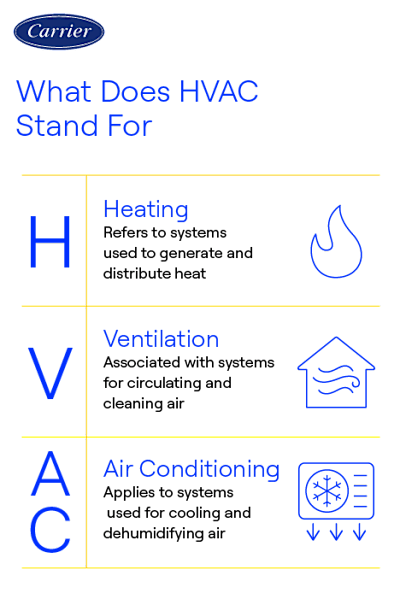
Space heating and cooling involve maintaining comfortable indoor temperatures. Systems regulate warmth in winter and coolness in summer. Efficient models help save energy and reduce costs.
Space heating and cooling play a crucial role in maintaining comfortable indoor environments. As the name suggests, space heating refers to the process of warming up a particular area or room, ensuring it remains cozy and livable even during the coldest months. Understanding the basics of space heating can help you make informed decisions about the best methods and technologies for your needs.
Purpose And Importance
Space heating serves a vital function in keeping living and working spaces habitable during cold weather. Without effective heating, rooms can become uncomfortable and even unsafe, particularly in regions with harsh winters. Efficient space heating not only improves comfort but can also lead to significant energy savings, reducing your carbon footprint and utility bills. Have you ever thought about how your choice of heating system impacts both the environment and your wallet?
Common Methods And Technologies
Various methods and technologies are available to heat spaces, each with its own set of benefits.
- Forced Air Systems: These systems use a furnace to heat air, which is then distributed through ducts and vents. They are popular for their ability to quickly warm up a space.
- Radiant Heating: This involves heating surfaces such as floors or walls, which then radiate warmth into the room. It provides consistent heat and is often considered more comfortable.
- Electric Heaters: Portable and easy to use, electric heaters are perfect for small spaces or supplemental heating. However, they can be less energy-efficient for large areas.
- Heat Pumps: These systems transfer heat from outside air or ground into the home, offering an energy-efficient solution for both heating and cooling.
Choosing the right method depends on your specific needs, budget, and the climate you live in. Have you explored all your options to find the perfect balance of comfort and efficiency in your home?
Credit: www.carrier.com
Space Cooling Essentials
Space Heating And Cooling involves maintaining comfortable indoor temperatures. It uses systems to heat or cool spaces efficiently. Ensuring proper insulation enhances these systems’ effectiveness.
Space cooling is vital for comfort during hot months. It ensures indoor environments stay cool and pleasant. Understanding space cooling essentials helps in choosing the right system. Efficient cooling improves air quality and reduces energy bills. Below are key functions and benefits, along with popular cooling systems.
Key Functions And Benefits
Space cooling systems regulate indoor temperature. They remove heat from a space, maintaining comfortable conditions. Effective cooling enhances comfort and productivity. It can prevent heat-related illnesses. Cooling systems also improve air quality by reducing humidity. Lower humidity levels prevent mold and mildew growth. This results in healthier indoor environments. Energy-efficient cooling systems reduce power consumption. This leads to lower utility bills and environmental benefits.
Popular Cooling Systems
Several cooling systems are available today. Each offers unique advantages for different needs.
- Central Air Conditioning: Provides uniform cooling throughout a building. It is ideal for large spaces. Central systems are energy-efficient when properly maintained.
- Window Units: Perfect for single rooms or small areas. They are easy to install and cost-effective.
- Portable Air Conditioners: Offer flexibility and easy movement. They are suitable for temporary cooling needs.
- Split Systems: Consist of indoor and outdoor units. They offer quiet operation and are great for homes without ductwork.
- Evaporative Coolers: Use water evaporation to cool air. They are energy-efficient and best for dry climates.
Choosing the right system depends on space size and climate. Proper installation and maintenance ensure efficiency and longevity.
Types Of Heating Systems
Space heating and cooling systems manage indoor temperature efficiently. These systems include furnaces, air conditioners, heat pumps, and boilers. They ensure comfortable living spaces through diverse technologies.
Heating systems are crucial for maintaining comfort in homes during colder months. They come in various types, each with unique features and benefits. Understanding these can help you choose the best one for your needs. Here are some common types of heating systems.
Furnaces And Boilers
Furnaces and boilers are popular in many homes. Furnaces heat air and distribute it through ducts. They can be powered by gas, electricity, or oil. Boilers heat water or produce steam, which circulates through pipes. They are efficient and provide steady warmth. Both systems require regular maintenance for optimal performance.
Heat Pumps
Heat pumps are versatile and energy-efficient. They transfer heat from outside to inside during winter. In summer, they work in reverse, cooling your home. Heat pumps use electricity and are less expensive to run than other systems. They are ideal for moderate climates.
Radiant Heating
Radiant heating warms floors, walls, or ceilings. It provides even heat distribution without blowing air. This system is silent and can be energy-efficient. Radiant heating can be powered by electricity, hot water, or air. It offers a comfortable and cozy environment.

Credit: en.wikipedia.org
Types Of Cooling Systems
When it comes to maintaining comfort in your home, understanding the types of cooling systems available can make all the difference. Whether you’re battling scorching summer heat or just want to keep your living space cool and pleasant, the right cooling system can offer relief and efficiency. Let’s explore the various options you have, each catering to different needs and spaces.
Central Air Conditioning
Central air conditioning is often the go-to for homeowners looking for comprehensive cooling throughout their property. This system uses a network of ducts to distribute cool air uniformly in every room. Imagine walking into your home on a hot day and feeling that immediate, refreshing coolness—it’s all thanks to central air conditioning. Not only does it maintain consistent temperature, but it also helps in improving air quality by filtering out pollutants.
Ductless Mini-split Systems
If you’re seeking flexibility and efficiency, ductless mini-split systems might be your best bet. These systems allow you to control the temperature in individual rooms without the need for extensive ductwork. Picture having a room perfectly cooled while another is warmed to suit your preferences. With their sleek design, ductless systems blend seamlessly with your home decor. Plus, their energy efficiency can save you money in the long run.
Evaporative Coolers
Evaporative coolers, also known as swamp coolers, provide an eco-friendly way to beat the heat. They work by evaporating water to cool the air, making them ideal for dry climates. Imagine a cool breeze sweeping through your home, reminiscent of a lakeside retreat. While they may not be suitable for humid areas, their low energy consumption and natural process make them a favorite for environmentally conscious individuals.
Choosing the right cooling system involves considering your climate, budget, and personal preferences. Which system aligns best with your lifestyle? The right choice can transform your home into a sanctuary of comfort and efficiency.
Energy Efficiency In Heating
Energy efficiency in heating is crucial for reducing energy bills. It helps maintain a comfortable indoor environment. Efficient systems use less energy, reducing carbon footprints. This not only benefits the planet but also saves money.
Energy Star Ratings
Energy Star ratings guide consumers to efficient products. These ratings are awarded to appliances that meet strict energy guidelines. Choosing Energy Star-rated heating systems ensures lower energy use. This leads to cost savings and a smaller environmental impact.
Insulation And Weatherization
Proper insulation prevents heat loss. It keeps warm air inside during winter. Weatherization involves sealing leaks and adding insulation. This helps maintain indoor temperature with less energy. Effective insulation reduces the need for constant heating.
Energy Efficiency In Cooling
Energy efficiency in cooling is crucial for reducing energy bills and environmental impact. Efficient cooling systems consume less energy, leading to lower utility costs. They also reduce the carbon footprint of your home. Understanding energy efficiency can help you make informed decisions.
Seer Ratings
SEER stands for Seasonal Energy Efficiency Ratio. It measures cooling efficiency over a cooling season. Higher SEER ratings indicate better energy efficiency. Modern air conditioners often have SEER ratings of 13 or higher. Opt for units with a high SEER rating to save energy and money. Energy-efficient units can significantly reduce your utility bills.
Smart Thermostats
Smart thermostats offer a modern solution to energy management. These devices learn your cooling preferences and adjust settings automatically. You can control them remotely using smartphones or tablets. Smart thermostats can optimize cooling schedules, reducing energy wastage. They provide real-time data and insights into energy usage patterns. This helps in identifying areas for improvement in energy efficiency.
Environmental Impact
Space heating and cooling systems maintain comfortable indoor temperatures. These systems can significantly impact the environment. They often consume large amounts of energy, contributing to greenhouse gas emissions.
Space heating and cooling systems play a crucial role in modern living. They ensure comfort in homes and workplaces. Yet, they also impact the environment. These systems consume significant energy. This leads to greenhouse gas emissions. Understanding their environmental impact is vital. It helps to make better choices for sustainable living.
Carbon Footprint
Space heating and cooling contribute to carbon emissions. Fossil fuels are often used to generate electricity for these systems. This releases carbon dioxide into the atmosphere. Over time, this increases global warming. Choosing energy-efficient systems can lower emissions. Insulation and smart thermostats also help reduce energy use.
Renewable Energy Options
Renewable energy offers a greener alternative. Solar and wind power can heat or cool spaces. These sources do not emit greenhouse gases. Investing in renewable systems reduces environmental impact. Many governments offer incentives for using renewable energy. This makes it a cost-effective choice.
Credit: www.carrier.com
Cost Considerations
Evaluating costs for space heating and cooling involves considering equipment efficiency, installation, and energy consumption. Efficient systems might have higher upfront costs but save money long-term through reduced energy bills. Comparing different options can help find the right balance between cost and comfort.
Cost is a major factor when considering space heating and cooling systems. The initial investment, ongoing maintenance, and potential savings in the long run all play crucial roles in your decision-making process. Making an informed choice can save you money and enhance your comfort over time.
Installation And Maintenance
The upfront cost of installing a space heating and cooling system can vary widely. Factors like the type of system, size of your home, and complexity of installation all impact the price. For instance, a central air system might require ductwork, which can significantly increase installation costs. Beyond installation, regular maintenance is essential to keep your system running efficiently. Neglecting this can lead to higher energy bills and unexpected repair costs. Setting aside a small budget for routine checks can prevent costly breakdowns and extend the life of your system.
Long-term Savings
Investing in energy-efficient systems may seem expensive at first, but they often lead to significant savings over time. Energy-efficient units consume less power, reducing your utility bills month after month. Consider the long-term impact of your choices rather than just the initial expense. You might also qualify for tax credits or rebates when you choose environmentally friendly systems. These incentives can offset some of the upfront costs, making energy-efficient options more affordable. Are you ready to save money while reducing your carbon footprint? Choosing the right system involves weighing these cost considerations carefully. How much are you willing to invest now to save later?
Choosing The Right System
Selecting the ideal space heating and cooling system ensures comfort and efficiency. These systems regulate indoor temperatures, enhancing living conditions.
Choosing the right system for space heating and cooling in your home can feel like solving a complex puzzle. Your decision hinges on various factors, such as climate, home size, and professional advice. This choice impacts your comfort and energy bills, so it’s worth taking the time to get it right.
Climate And Home Size
The climate you live in plays a significant role in determining the best heating and cooling system for you. In colder regions, a powerful heating system might be essential. In contrast, warmer climates demand efficient cooling solutions. Consider your home’s size as well. A small apartment might only require a simple window unit, while a large house could benefit from a central system. The system’s efficiency should match your home’s dimensions to avoid overworking the unit, which can lead to higher energy costs. Think about your previous experiences with heating and cooling. Did your old system struggle during peak seasons? If so, it might be time to upgrade to something more robust.
Professional Guidance
Consulting a professional can save you from costly mistakes. They can assess your home and recommend systems that fit your specific needs. A professional’s insight is especially valuable if you’re unfamiliar with the technical aspects of HVAC systems. Imagine receiving a tailored solution instead of wading through endless online reviews. That kind of expertise can make a significant difference in your comfort level at home. Have you ever wished you had asked for expert advice sooner? Learning from past experiences can guide you to make better decisions now.
Future Trends In Heating And Cooling
Space heating and cooling involve regulating indoor temperatures for comfort. Future trends focus on energy-efficient systems. These technologies aim to reduce costs and environmental impact.
The future of space heating and cooling is shaping up to be both exciting and transformative. As our world becomes more conscious of energy use and environmental impact, the demand for innovative, efficient, and sustainable solutions is growing. The advancements in technology and a shift towards green solutions promise to redefine how we maintain comfortable living and working environments.
Technological Innovations
New technologies are making heating and cooling systems smarter and more efficient. Smart thermostats are now commonplace, learning your habits and adjusting temperatures accordingly to save energy. Imagine a system that predicts weather changes and adapts your home’s temperature before you even notice. Another breakthrough is in the development of heat pumps that work efficiently in extreme temperatures. These pumps can now provide heating in freezing conditions and cooling in scorching heat, making them versatile for diverse climates.
Sustainability And Green Solutions
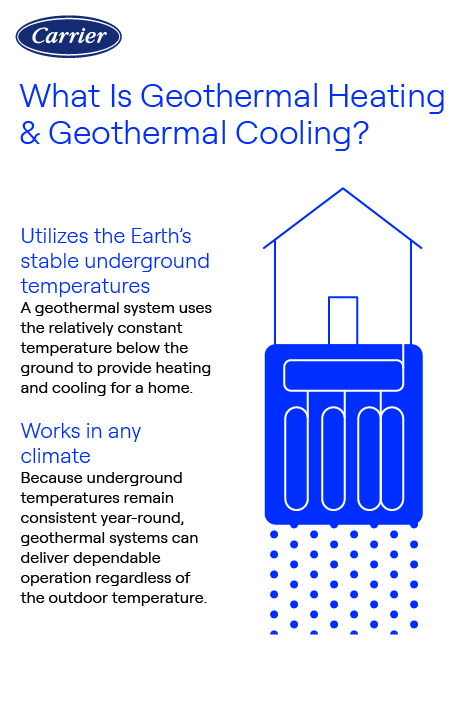
Sustainability is at the forefront of future trends in heating and cooling. Solar-powered systems are becoming more accessible, allowing homeowners to reduce their carbon footprint while saving on energy bills. Consider harnessing the sun’s power to not only provide electricity but also to heat and cool your home. Additionally, geothermal heating and cooling systems are gaining traction. By using the earth’s consistent underground temperature, these systems offer a renewable and efficient solution. Have you thought about the potential of your own backyard as a sustainable energy source? As we look to the future, the integration of these innovative and sustainable solutions in heating and cooling systems presents opportunities to make a meaningful impact on our environment and our wallets. Are you ready to embrace these changes and contribute to a greener planet?
Frequently Asked Questions
What Is Meant By The Term Space Heating?
Space heating refers to warming individual rooms or areas within a building. It uses heaters, radiators, or HVAC systems. This method focuses on providing comfort by maintaining desired temperatures. Efficient space heating reduces energy consumption and costs.
What Is An Example Of Space Heating?
A common example of space heating is using a radiator. Radiators warm up the air in a room. They distribute heat evenly and efficiently. Many homes use radiators to maintain a comfortable indoor temperature during cold months. They are an effective and popular method for residential heating.
Is A Space Heater Cheaper Than Hvac?
Space heaters can be cheaper for small areas. HVAC systems are cost-effective for heating larger spaces or entire homes. Energy efficiency and usage patterns affect overall costs. Choose based on specific needs and energy consumption.
How Does Space Heating Work?
Space heating warms indoor spaces using heat sources like furnaces, boilers, or electric heaters. These systems distribute heat through ducts, radiators, or vents. Thermostats control the temperature, ensuring comfort and energy efficiency. Effective insulation and sealing help maintain warmth, reducing energy consumption and costs.
Conclusion
Space heating and cooling play vital roles in comfort. These systems keep temperatures stable. They adapt to weather changes. Efficient systems save energy and reduce costs. Choosing the right system is crucial. Consider size and climate needs. Regular maintenance extends system life.
It also ensures consistent performance. Innovations continue to improve efficiency. Modern systems offer better control. They support sustainable living. Understanding your needs helps in selecting the best solution. A comfortable home environment enhances well-being. Make informed choices for your space.