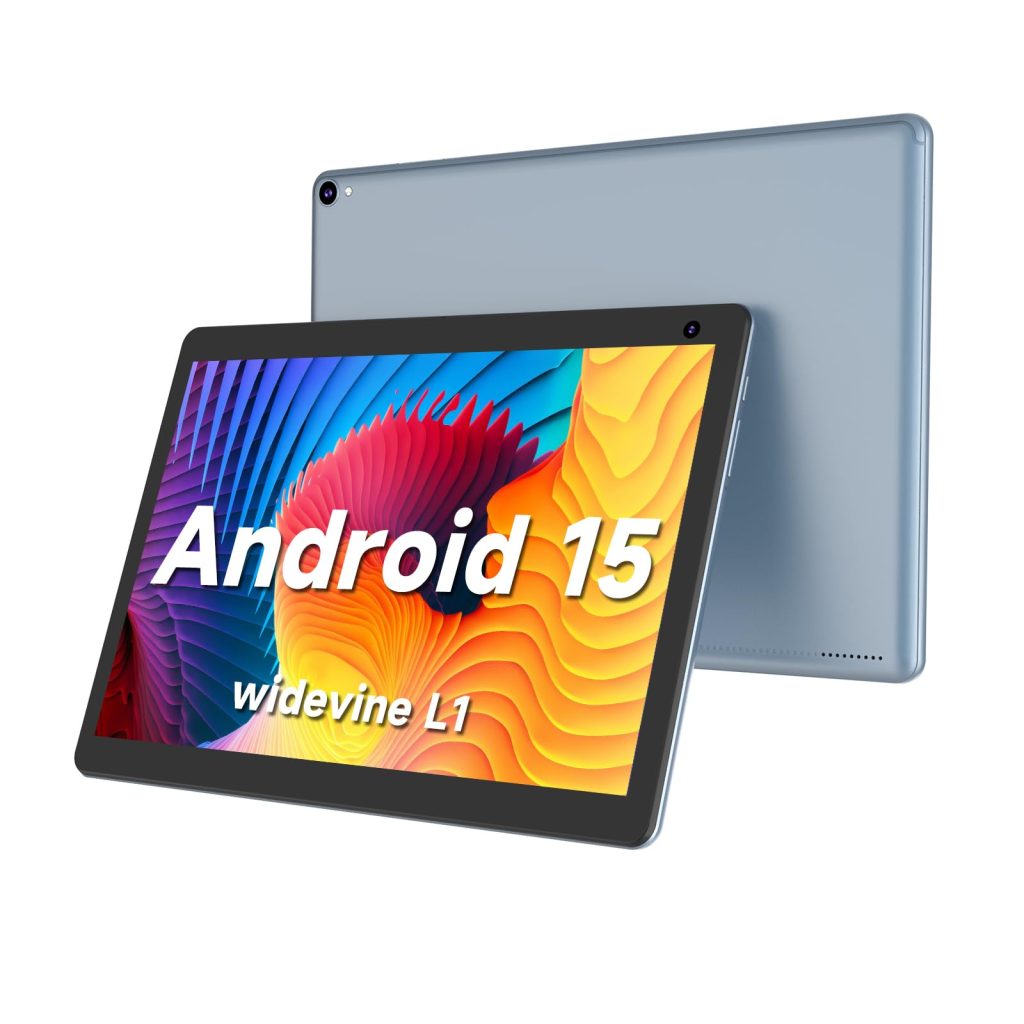
Have you ever wondered what exactly a tablet computer in Android is and how it fits into your daily life? Picture this: a sleek device that’s larger than your smartphone but more portable than your laptop, offering you the perfect blend of convenience and functionality.
Android tablets are revolutionizing the way you interact with technology, making it easier to browse, work, and play on the go. Imagine having a powerful tool at your fingertips that adapts to your needs, whether you’re catching up on your favorite shows, staying productive with work tasks, or simply surfing the web.
You’ll discover everything you need to know about Android tablets, how they can enhance your digital experience, and why they might just be the perfect gadget for you. Ready to unlock a world of possibilities? Let’s dive in!

Credit: www.wired.com
History Of Tablet Computers
Tablet computers, especially those running on Android, blend the functions of smartphones and PCs. They offer portability with a touchscreen interface, popularized in the early 2000s. Android tablets provide diverse apps and customization, appealing to many users worldwide.
The history of tablet computers is a fascinating journey through technological evolution, marked by innovation and ambition. From early prototypes to sleek, powerful devices, tablets have transformed how we interact with technology. Android tablets, in particular, have played a pivotal role in this evolution, offering diverse functionalities and user-friendly experiences. Let’s explore how tablet computers have evolved over the years and what makes them integral to modern tech life.Early Beginnings Of Tablet Computers
Tablet computers had humble beginnings. Early concepts date back to the mid-20th century, with devices like the Dynabook, which aimed to create a portable interactive experience. These early models were bulky and limited in functionality. As technology progressed, the vision of a fully functional tablet began taking shape. You might recall the 1989 GRiDPad as one of the first commercially available tablets, though it was primarily used for niche markets like fieldwork.The Rise Of Android Tablets
Fast forward to the 2000s, and the landscape began to change dramatically. Android tablets emerged as game-changers, offering open-source platforms that promised flexibility and customization. This was a turning point, allowing developers to explore endless possibilities. Android tablets quickly gained popularity because they broke free from the constraints of proprietary systems. Did you ever wonder why Android tablets were so appealing? It was their adaptability and the ecosystem of apps that made them stand out.Impact On Everyday Life
With the advent of Android tablets, daily life started to shift. These devices became essential for both work and leisure. Their portability allowed users to stay connected, informed, and entertained, whether at home, work, or on the go. Think about how you use a tablet today. Reading, browsing, gaming, and even professional tasks are more accessible than ever. Tablets have truly woven themselves into the fabric of our daily routines.Continuous Evolution And Innovation
Tablet computers continue to evolve, with manufacturers constantly pushing the boundaries of what’s possible. Innovations like stylus support, foldable screens, and enhanced processing power keep redefining user experiences. Imagine what the future holds for tablet computers. With rapid advancements in AI and machine learning, tablets might soon offer even more personalized experiences tailored to individual needs. How will these innovations change your interaction with technology? The history of tablet computers is rich with milestones that have shaped our tech-driven world. As you look forward to future developments, consider how these devices have influenced the way we live, work, and play.Android Operating System
The Android Operating System has become a cornerstone in the world of tablet computers, offering users an array of features and functionalities that enhance productivity, entertainment, and connectivity. Android’s open-source nature means it constantly evolves, adapting to the diverse needs of users worldwide. This adaptability is one of the reasons why Android tablets are favored by many.
What Is Android?
Android is a mobile operating system developed by Google, based on a modified version of the Linux kernel and other open-source software. It’s designed primarily for touchscreen mobile devices such as smartphones and tablets. What makes Android stand out is its flexibility and customization options, allowing users to tailor their devices to suit personal preferences.
Key Features Of Android On Tablets
- User-Friendly Interface:Android tablets offer an intuitive interface that makes navigation seamless, even for tech novices. The home screen is customizable, enabling you to add widgets, shortcuts, and apps for easy access.
- Multitasking Capabilities:With features like split-screen, Android tablets allow you to run multiple apps simultaneously, enhancing productivity. Whether you’re browsing the web while watching a video or jotting down notes during a video call, multitasking becomes effortless.
- Extensive App Ecosystem:Google Play Store provides access to millions of apps catering to various needs, from productivity tools to games and entertainment. The vast selection means you’ll likely find an app for almost anything you need.
One of Android’s most appealing aspects is its ability to be customized. You can change themes, alter the appearance of icons, and even adjust system settings to fit your lifestyle. This personalization extends to the apps you choose, ensuring your tablet reflects your personality and needs.
Security And Updates
Security is a critical concern for any device. Android regularly rolls out updates to ensure your tablet is equipped with the latest security measures. These updates often include patches to protect against vulnerabilities, keeping your data safe.
Integration With Google Services
Android tablets seamlessly integrate with Google services such as Gmail, Google Drive, and Google Photos, providing a unified experience. This integration simplifies tasks like syncing files, accessing emails, and storing photos, making your digital life more organized.
Are you leveraging the full potential of your Android tablet? With its customizable interface and extensive app ecosystem, there’s always something new to discover. Dive into the settings and explore the possibilities that await. What will you personalize next?
Key Features Of Android Tablets
Android tablets offer a touchscreen experience, portability, and versatile apps for various tasks. Users enjoy customizable interfaces and access to Google services. These devices are ideal for entertainment, productivity, and communication needs.
Android tablets have become an essential gadget for many due to their versatility and user-friendly features. They offer a unique combination of power, portability, and functionality that makes them stand out. But what exactly makes these tablets a favorite choice? Let’s dive into the key features that define Android tablets.Touchscreen Technology
The touchscreen is the heart of your tablet experience. Android tablets boast responsive and smooth touchscreens that make navigation intuitive. Whether you’re zooming into a photo or typing an email, the touchscreen ensures accuracy and ease. Have you ever tried sketching on a tablet? The precision can be astonishing, making it a favorite for artists and designers.Portability And Design
Android tablets are designed with portability in mind, making them perfect for on-the-go use. Their lightweight and sleek design mean you can slip them into a backpack or handbag effortlessly. Imagine reading your favorite book while lounging at a café or catching up on work during a flight. The compact design lets you carry your world with you.Multitasking Abilities
The ability to multitask is a game-changer for productivity. Android tablets allow you to open multiple apps simultaneously, boosting your efficiency. Picture yourself editing a document while streaming a podcast and browsing the web—all at once. These tablets are like a mini workstation that keeps up with your dynamic lifestyle.Connectivity Options
Staying connected is crucial in today’s digital age, and Android tablets offer various connectivity options to ensure you’re always linked. From Wi-Fi and Bluetooth to cellular data, these tablets keep you in the loop. Ever found yourself needing to share files quickly? The seamless connectivity options make it a breeze to transfer files between devices. These features make Android tablets a compelling choice for anyone looking to enhance their digital experience. Which feature do you find most appealing for your needs?
Credit: www.amazon.com
Popular Android Tablet Models
Android tablets have become increasingly popular due to their versatility and user-friendly interface. With a wide range of models available, choosing the right one can be overwhelming. Whether you’re a tech enthusiast or just looking for a device to browse the web, understanding the popular Android tablet models can help you make an informed decision.
Comparison Of Leading Brands
Several brands dominate the Android tablet market, each offering unique features and benefits. Samsung, Lenovo, and Huawei are leading contenders. Samsung tablets often boast high-quality displays and robust performance, making them perfect for multimedia use.
Lenovo tablets are known for their affordability without compromising on essential features, ideal for budget-conscious users. Huawei offers sleek designs and powerful processors, appealing to those who prioritize aesthetics and speed.
How do you choose between them? Consider what you value most: display quality, price, or performance?
Unique Features Of Top Models
Each top model brings something unique to the table. The Samsung Galaxy Tab S series offers AMOLED screens, providing vibrant colors and deep blacks—perfect for movie lovers.
Lenovo’s Yoga series incorporates flexible hinges, allowing the tablet to transform into various modes, which is great for those who enjoy versatility in their devices. Huawei’s MatePad series includes advanced stylus support, catering to creatives and note-takers.
Think about how these features align with your daily tablet usage. Would a flexible design enhance your productivity, or is a stunning display more crucial for your entertainment needs?
Applications And Uses
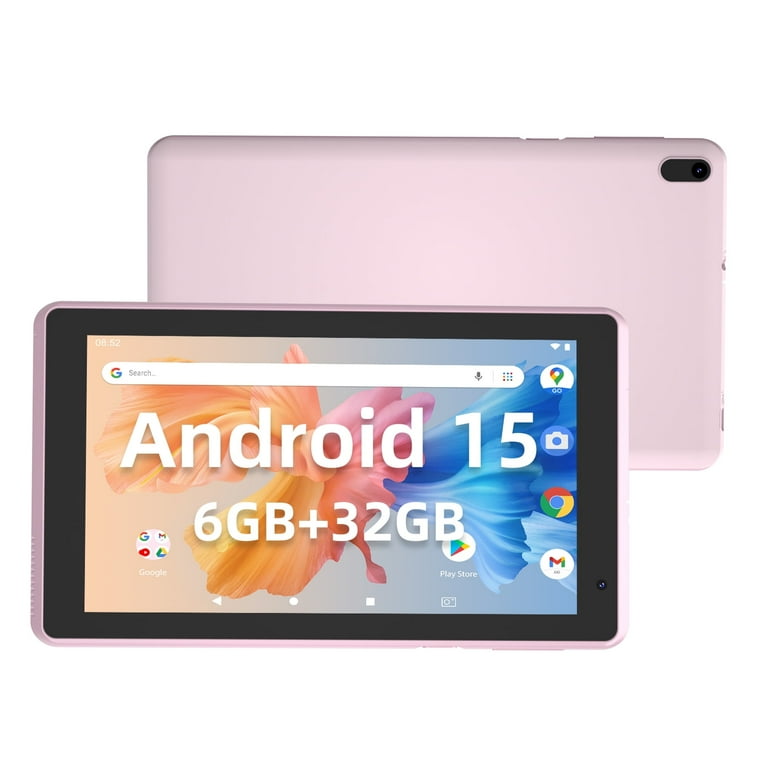
Tablet computers in Android have become indispensable tools in our everyday lives. Whether you’re a student, professional, or just someone who loves entertainment, these devices offer a wide range of applications and uses. With their portability and versatility, Android tablets can enhance productivity, provide endless entertainment options, and serve as powerful educational tools. Let’s dive into how these applications can transform your tablet experience.
Productivity Apps
Android tablets are ideal for boosting productivity on the go. From note-taking apps like Evernote to project management tools such as Trello, there’s a plethora of apps to help you stay organized and efficient. Imagine sitting in a café, effortlessly planning your week with just a few taps. Tablets also support cloud-based apps like Google Drive and Microsoft Office, allowing you to edit documents and collaborate with others seamlessly. Have you ever tried multitasking with split-screen functionality? It’s a game changer for getting work done quickly.
Entertainment And Media
When it comes to entertainment, Android tablets offer a cinematic experience with their large screens and high-resolution displays. Stream your favorite movies and TV shows through apps like Netflix and Disney+. With powerful speakers or headphones, you can enjoy immersive sound quality. Gaming enthusiasts will find tablets to be perfect for playing visually stunning games available on the Google Play Store. Are you a music lover? Apps like Spotify and YouTube Music make it easy to listen to your favorite tunes wherever you are.
Educational Tools
Education is another area where Android tablets shine. They have become invaluable in classrooms and at home for learning. With interactive apps like Khan Academy and Duolingo, learning new skills or languages becomes engaging and fun. Tablets can also be used for reading e-books and accessing educational resources, making them great for students and lifelong learners alike. Have you ever thought about using a tablet to attend a virtual class or webinar? It offers a convenient and flexible learning environment.
Credit: www.walmart.com
Customization And Personalization
Tablet computers in Android offer customization and personalization, enhancing user experience. Adjust settings, choose themes, and install apps to tailor the device to individual preferences.
Customization and personalization have become key features of Android tablet computers, allowing users to tailor their devices to fit their unique needs and preferences. Whether you’re a productivity enthusiast or a gaming aficionado, the ability to customize your tablet is empowering. It transforms your device from a standard gadget into a personalized digital companion that reflects your lifestyle and interests.Custom Widgets And Home Screen Layout
Android tablets offer a variety of widgets that can be added to your home screen. These widgets provide quick access to apps and information, enhancing your productivity. Customize the layout by arranging apps and widgets in a way that suits your daily routine. You have the freedom to design your home screen as a dashboard that caters to your specific needs.Theme And Wallpaper Selection
Your tablet’s appearance can be customized with themes and wallpapers. Choose from a wide range of options to match your mood or style. Whether you prefer a minimalist design or a vibrant display, Android allows you to express yourself visually. Changing themes and wallpapers regularly can keep your tablet feeling fresh and exciting.App Customization And Shortcuts
Android tablets enable you to customize app shortcuts and folders for easy access. Group similar apps together or create shortcuts for frequently used applications. This customization enhances efficiency and ensures that your favorite tools are always at your fingertips.Personalized Settings And Preferences
Dive into the settings to adjust preferences according to your needs. From notification settings to privacy controls, every aspect can be personalized. You can tailor the user experience to ensure your tablet operates exactly how you like it. Think about the last time you adjusted your tablet’s settings. How did it change your interaction with the device? Personalized settings can elevate your experience, making tasks quicker and more enjoyable. Customization is not just about aesthetics; it’s about creating a device that resonates with your unique lifestyle. What features do you prioritize in your tablet’s customization?Security Features
Tablet computers using Android offer robust security features like biometric authentication and encryption. Regular updates ensure protection against threats.
Security features in Android tablet computers ensure your data stays safe. These features protect your information from hackers and unauthorized access. Android tablets offer various tools to keep your personal data secure. They focus on safeguarding user privacy and data protection.Data Protection
Android tablets use encryption to secure your data. Encryption turns your information into code, making it unreadable to others. This process keeps your personal files safe from unauthorized access. Tablets also offer secure boot technology. This checks the device’s software during startup, ensuring no harmful changes have been made. Regular updates from Android improve security by fixing potential vulnerabilities. These updates help keep your tablet protected from new threats.User Privacy
User privacy is a key concern for Android tablets. They provide settings to control app permissions. This lets you decide what information apps can access. You can choose to share your location, contacts, or photos. Tablets also offer features like privacy indicators. These show when apps use your camera or microphone. This transparency helps you manage your privacy better. Android’s biometric authentication adds another layer of security. This includes fingerprint and facial recognition, ensuring only you can access your tablet.Future Trends In Android Tablets
Android tablets are evolving with enhanced multitasking features and improved connectivity options. These devices offer larger screens for better viewing experiences and integrate seamlessly with smart home technologies. Expect advancements in artificial intelligence to boost performance and personalize user interactions.
The future of Android tablets is bright and brimming with potential. As technology advances, these devices are becoming more powerful and versatile. You might be wondering how these changes could impact your everyday life or the way you use technology.Enhanced Processing Power
Android tablets are set to become even more powerful with advanced processors. Imagine running complex applications effortlessly, making multitasking smoother than ever. Whether you’re streaming your favorite series or handling work tasks, these tablets will rise to the occasion.Improved Battery Life
Battery life has always been a crucial aspect of mobile devices. Future Android tablets are expected to offer longer battery life, allowing you to use them throughout the day without constantly searching for a charger. This improvement can make a significant difference during travel or long work sessions.5g Connectivity
The integration of 5G technology in Android tablets promises faster internet speeds and more reliable connections. This means quicker downloads, seamless video calls, and a more responsive gaming experience. With 5G, your tablet could become an even more integral part of your connected lifestyle.Better Integration With Smart Devices
Android tablets are likely to enhance their connectivity with smart home devices. Imagine controlling your home lighting, security systems, and appliances directly from your tablet. This integration could simplify your daily routines and enhance your living environment.Augmented Reality (ar) Capabilities
As AR technology advances, Android tablets are expected to support more immersive AR applications. Picture yourself using your tablet to visualize furniture in your living room or explore interactive educational content. These experiences could transform how you shop, learn, and entertain yourself.Customizable User Experience
Future Android tablets will likely offer more customization options. This means you can tailor the user interface to suit your preferences, making your tablet truly yours. Think about how a personalized experience could enhance your productivity and enjoyment. With these trends, Android tablets are set to become indispensable tools in our daily lives. How do you envision using these features in your own life?Frequently Asked Questions
What Is A Tablet Computer Used For?
A tablet computer is used for web browsing, streaming videos, playing games, reading e-books, and managing emails. It offers a portable alternative for productivity tasks like note-taking and document editing. Tablets also support educational apps and can be used for video conferencing and creative tasks like drawing and photo editing.
Is An Android Tablet A Computer?
Yes, an Android tablet is a computer. It runs on an operating system, has a processor, memory, and storage. Tablets perform computing tasks like web browsing, gaming, and productivity apps. They offer touchscreen interfaces, making them portable and user-friendly. Tablets are versatile devices suitable for everyday computing needs.
What Is The Key Difference Between A Tablet Computer And A Smartphone?
Tablets have larger screens and often lack cellular calling capabilities. Smartphones are smaller and support voice calls.
What Are The Disadvantages Of An Android Tablet?
Android tablets may lack app optimization, leading to poor performance. They often have inconsistent software updates. Battery life can be shorter compared to other tablets. Android tablets sometimes offer lower build quality. They may have limited accessory options, reducing usability.
Conclusion
Tablet computers with Android offer flexibility and convenience. They blend technology with user-friendly features. Perfect for gaming, reading, or productivity tasks. Their portability makes them great for on-the-go use. Android tablets come in various sizes and prices. There’s something for everyone.
They adapt to different needs and preferences. Easy to personalize and use. Ideal for students, professionals, and casual users alike. Tablet computers continue to evolve with exciting features. Choosing an Android tablet can enhance your digital experience. Dive into the world of Android tablets and explore endless possibilities.