
Have you ever wondered about the average size of a desktop computer? Whether you’re setting up a new workspace or simply curious, understanding the dimensions of a typical desktop can be surprisingly useful.
Imagine knowing exactly how much room you need on your desk or how easily a desktop will fit in your home office. We’ll explore the standard sizes of desktop computers, helping you make informed decisions. Stick around to discover how the size of your computer could impact your productivity and comfort.
Plus, you might just find the perfect fit for your needs. Let’s dive in and unravel the mystery of desktop dimensions together!
Desktop Computer Dimensions
When choosing a desktop computer, understanding its dimensions can make a significant difference in how well it fits your workspace. Whether you’re setting up a home office or a gaming station, the size of your desktop can influence everything from desk organization to cooling efficiency. Have you ever struggled with a cramped desk space, wishing you had considered the dimensions of your computer before buying it?
Width And Height
The width and height of desktop computers vary widely, but most standard models measure around 18-20 inches in width and 15-18 inches in height. Compact models are typically smaller, catering to users with limited space. If you’re using a tower that stretches to 25 inches in height, it could be challenging to fit under a desk.
Choosing a desktop with appropriate width and height can save you from unnecessary clutter. Make sure to measure your desk space before purchasing. Have you ever had a computer that seemed to swallow your entire desk?
Depth Considerations
The depth of a desktop computer is equally crucial. Most desktops have a depth of about 18-20 inches, though some can extend up to 24 inches. This aspect is essential, especially if your desk is against a wall, limiting how much space you have behind the computer.
Consider airflow and cable management when thinking about depth. Ensure there’s enough room behind your desktop for cables and adequate ventilation. Have you ever found your cables tangled because you underestimated the depth requirements?
Ultimately, understanding desktop computer dimensions can enhance your workspace’s functionality and aesthetic. Measure your space, think about your needs, and choose a desktop that fits seamlessly into your life. What dimensions are you considering for your next desktop purchase?
Types Of Desktop Computers
Desktop computers are a staple in many homes and offices. Their diverse types cater to various needs, whether you’re a gamer, a professional, or someone who simply enjoys browsing the internet. Understanding the types of desktop computers can help you choose the right fit for your lifestyle. Do you prefer a machine that saves space or one that offers extensive customization?
Traditional Towers
Traditional towers are the classic choice for desktop computers. They are typically larger and allow for significant customization. You can easily add new components, like a powerful graphics card or additional memory. However, they do require more space. I remember assembling my first tower; the thrill of picking each component was worth every penny.
Mini Pcs
Mini PCs are compact and designed for those who want a desktop’s functionality without the bulk. They fit snugly on your desk and are ideal for light tasks like web browsing and document editing. While they might not offer the same level of performance as traditional towers, their convenience and affordability can be appealing. Have you ever wondered how much computing power can fit in a device the size of a book?
All-in-one Systems
All-in-One systems integrate the computer components into the monitor, saving desk space and reducing cable clutter. These systems are perfect if you enjoy a clean, minimalist look. They are generally user-friendly and come with touch screens, making them great for interactive tasks. While upgrading can be limited, the sleek design often outweighs this drawback. Could this be the future of desktops?
Each type has its unique features and benefits. As you consider your next purchase, think about your priorities. Whether it’s customization, space-saving, or simplicity, one of these types will meet your needs. What type of desktop do you see yourself using?
Factors Influencing Size
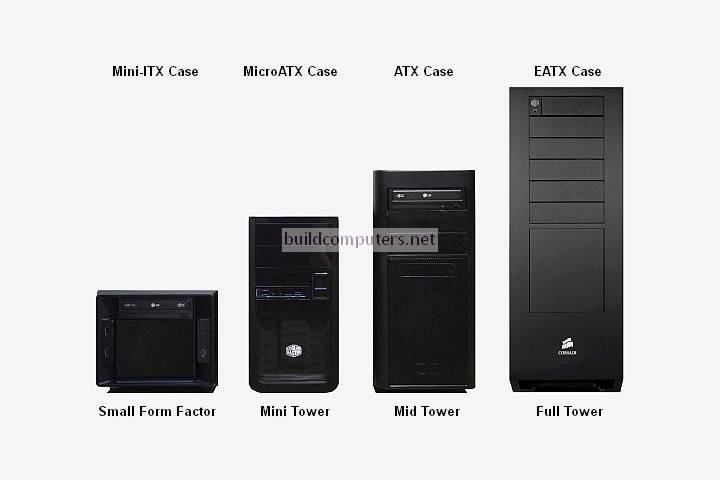
Desktop computer sizes vary due to several factors. Components like the motherboard, cooling system, and power supply influence dimensions. Typically, desktop computers range from compact mini-towers to larger full-sized towers.
The average size of a desktop computer can vary significantly. Understanding the factors influencing size can help you make an informed decision when purchasing or building one. Size doesn’t just depend on aesthetic preferences. It’s shaped by practical needs and technological constraints.
Component Specifications
The specifications of a computer’s components play a huge role in its size. Think about the processor, motherboard, and power supply unit. These can range from compact to quite large, depending on their capabilities. Higher-performing processors often require larger heatsinks. Motherboards with more features may also be physically bigger to accommodate additional slots. If you’re building a powerful machine, expect a larger case to fit these parts comfortably.
Cooling Solutions
Effective cooling solutions are crucial for any desktop computer. The heat generated by components can affect performance. As a result, cooling systems can dictate the size of your computer case. Air coolers are generally smaller but may need more space for airflow. On the other hand, liquid cooling systems require additional space for radiators and tubing. Consider the climate in your area—hotter environments might push you toward larger cooling solutions.
Expansion Capabilities
Expansion capabilities are another factor influencing desktop size. If you’re planning to add more components later, such as graphics cards or additional storage, you’ll need a case that supports these upgrades. Larger cases often offer more drive bays and expansion slots. This means you can enhance your system without replacing the entire setup. Think about your future needs. Will you want more power or storage in a year or two? Choosing the right desktop size involves balancing these factors. How much performance do you need, and how much space can you spare? Make sure your computer fits both your technical requirements and your physical space.
Credit: www.buildcomputers.net
Impact Of Design Trends
Design trends in desktop computers have evolved significantly, shaping the average size of these devices. Over the years, manufacturers have prioritized space-saving designs without compromising functionality. This shift is driven by consumer demands for more efficient and aesthetically pleasing workspaces. Let’s explore how slim designs and compact models have influenced the average size of desktop computers.
Slim Designs
Have you ever wondered why your desktop seems sleeker than the ones from a few years ago? Slim designs are a major trend impacting desktop sizes. Companies now focus on creating thinner profiles that fit seamlessly into modern homes and offices. Consider how these designs allow for easier integration with other tech gadgets.
Take a moment to think about the benefits. Slim desktops often offer enhanced visual appeal, which can uplift your workspace. Do you feel more motivated working in a tidy environment? This trend makes that possible by reducing clutter. Additionally, slimmer computers often feature advanced cooling systems, ensuring peak performance without overheating.
Compact Models
Compact models are another key trend redefining desktop sizes. They are perfect for users with limited space. Imagine setting up a powerful computer in a cozy corner without sacrificing performance. These models pack a punch in a small form factor, often rivaling larger desktops in capabilities.
Consider how compact models benefit you. They are lighter and easier to transport, making them ideal for those who frequently relocate or travel. Moreover, these desktops can seamlessly blend into any environment, offering the versatility many users seek. Are you ready to embrace the practicality of compact models?
Design trends like slim and compact models continue to shape the average size of desktops. As you explore options, remember to balance aesthetics with functionality. How will these trends influence your next tech purchase? Understanding design impacts can help you make informed choices that enhance your workspace and productivity.
Space Utilization
Desktop computers typically measure around 18 inches tall, 8 inches wide, and 18 inches deep. This size helps in arranging workspace efficiently. Knowing these dimensions aids in planning your office or home setup effectively.
When you think about setting up your workspace, the size of your desktop computer plays a pivotal role in how you utilize your space. It’s not just about fitting the computer on your desk; it’s about creating a setup that enhances productivity and comfort. By understanding how to effectively use space, you can optimize your environment for both work and leisure.
Desk Layouts
The layout of your desk can significantly impact how you perceive and utilize your space. A corner desk might offer more room for larger desktop computers while keeping everything within reach. If you’re in a smaller room, a minimalist desk design can save space and help maintain an organized look. Consider where your monitor, keyboard, and mouse will sit. Are they placed ergonomically to avoid strain? You could experiment with an L-shaped desk to maximize corner spaces, providing a dedicated area for your desktop while leaving room for other essentials.
Storage Options
Storage is a game-changer when organizing your workspace around a desktop computer. Look beyond just placing your computer on the desk. Utilize wall-mounted shelves or under-desk drawers to keep your area tidy. You might find that vertical storage solutions save more space than you thought possible. Think about using a cable management system to keep wires out of sight. This not only makes your space look cleaner but also makes maintenance easier. How do you manage your peripherals like printers and speakers? Consider multi-functional furniture with built-in storage. This approach can help maintain a clean, efficient workspace without sacrificing the technology you need. Engaging with your workspace setup is about more than just placing a desktop computer. It’s about crafting an environment that supports your daily tasks and enhances your productivity. What changes can you make today to improve your space utilization?

Credit: www.hp.com
Choosing The Right Size
Choosing the right size for a desktop computer impacts its usability. Size affects how comfortably it fits into your workspace. It influences performance and the ability to upgrade. A larger computer might offer more features but takes up more space. A smaller one might fit better but could limit future upgrades. Understand your needs before deciding.
User Requirements
Consider how you use your computer daily. Think about your desk space. A compact size suits small workspaces. A larger size might be better for those who need many ports. Some users need a simple setup for browsing and email. Others require a robust system for design or gaming.
Performance Needs
Performance depends on components inside the computer. Larger desktops can house powerful processors and graphics cards. They also allow for better cooling systems. Smaller computers might not support high-end hardware. If you need high performance, consider a bigger size. It can handle demanding tasks with ease.

Credit: en.wikipedia.org
Frequently Asked Questions
What Is The Size Of A Standard Desktop?
A standard desktop typically measures around 19 to 22 inches wide, 12 to 15 inches deep, and 30 inches high. These dimensions accommodate most monitors, keyboards, and accessories comfortably. Ensure your workspace suits your ergonomic needs for productivity and comfort.
What Is The Most Common Pc Size?
The most common PC size is the mid-tower case, measuring around 18 to 24 inches tall. It provides ample space for components and cooling, making it popular among gamers and general users. Mid-tower cases offer a balance between performance and size, fitting comfortably in most home or office settings.
What Is A Full-size Desktop Computer?
A full-size desktop computer is a traditional PC with a separate monitor, tower, and peripherals. It offers high performance and customization options, suitable for gaming, office work, and multimedia tasks. These computers typically have more powerful hardware compared to laptops and compact desktops.
How Big Is A Dell Desktop In Inches?
Dell desktops vary in size. Typical dimensions range from 12 to 20 inches in height, 6 to 8 inches in width, and 12 to 20 inches in depth. Always check the specific model for exact measurements to ensure compatibility with your workspace.
Conclusion
Desktop computers come in various sizes. From compact to large towers, choices abound. Size depends on needs and usage. Smaller options fit tight spaces. Larger models offer more power. Consider desk space and hardware needs. Think about future upgrades. Bigger cases often allow easier changes.
Always measure space before buying. This ensures a comfortable fit. Remember, size affects performance and convenience. Choose wisely for the best experience. Whether small or big, ensure the computer meets your requirements. In the end, find a size that balances space and function.
Make sure it complements your daily tasks and environment.