
Imagine capturing the perfect sunset, the vibrant colors painting the sky, and the scene just right. But there’s a problem.
Your hands shake slightly, and the photo doesn’t quite capture the moment as you saw it. This is where a tripod stand comes into play. Have you ever wondered what a tripod stand is really used for? You might think it’s just for photographers or videographers, but there’s much more to it.
Whether you’re a budding creator, a seasoned professional, or simply someone who loves capturing memories, understanding the purpose of a tripod stand can transform your photos and videos. Stick around, because you’re about to discover why this seemingly simple tool could be the game-changer you’ve been missing in your creative toolkit.
Photography Essentials
Photography is an art that thrives on precision and creativity. Whether you’re a budding photographer or a seasoned professional, having the right tools can make all the difference. Among these tools, the tripod stand is a staple in every photographer’s kit. But what makes it so essential?
Importance Of Stability
A tripod stand is your best friend when it comes to achieving stability in your shots. Imagine capturing a breathtaking sunset or a bustling cityscape. The slightest shake of your hand can blur these moments. A tripod ensures your camera remains steady, providing sharp, clear images every time.
Stability is crucial, especially in low-light conditions where slower shutter speeds are necessary. Without a tripod, your photos might turn out blurry. Think about how much sharper your night-time photos could be with just this simple tool.
Versatility In Shooting
Tripods aren’t just about stability. They offer incredible versatility in shooting. You can adjust the height, angle, and position to explore different perspectives. This is perfect for capturing unique compositions that a handheld camera might miss.
Have you ever tried long-exposure photography? A tripod is essential for capturing the magic of flowing water or star trails. It’s like having an extra pair of hands that allows you to experiment freely without worrying about holding the camera still.
Consider a time when you wanted to be in the photo, perhaps at a family gathering or a group vacation. Setting your camera on a tripod and using a timer lets you join the frame without missing the shot. It’s a simple trick but one that makes a world of difference.
So, what creative avenues could a tripod open up for you? With its stability and versatility, a tripod stand isn’t just a piece of equipment—it’s an invitation to expand your photographic horizons.
Types Of Tripod Stands
Have you ever wondered what makes a professional photograph or video look so stable and crisp? One of the secret weapons is often a trusty tripod stand. But did you know there are various types of tripod stands tailored for different needs? Let’s dive into the world of tripod stands and explore how each type can enhance your photography or videography.
Traditional Tripods
Traditional tripods are the go-to for many photographers and videographers. They’re sturdy and provide excellent stability. Imagine setting up your camera at a scenic spot; a traditional tripod allows you to capture sharp, breathtaking images without the worry of shaking.
These tripods usually come with adjustable legs and a head that lets you pan and tilt the camera smoothly. If you’re planning a long shoot, this type is perfect for maintaining consistency in your shots. Consider them the backbone of any serious photography gear collection.
Mini Tripods
Mini tripods are all about portability. Picture yourself traveling or hiking; you don’t want to be weighed down by bulky equipment. That’s where mini tripods come in handy. They’re compact and lightweight, fitting snugly into your backpack.
Despite their size, mini tripods can offer surprising stability for small cameras or smartphones. If you’re into vlogging or capturing quick shots on the go, these little wonders are your best friends. They’re a perfect blend of convenience and functionality.
Flexible Tripods
Flexible tripods are the chameleons of the tripod world. Ever faced a situation where you want to capture a shot from an unusual angle? These tripods have bendable legs that can wrap around objects or adjust to uneven surfaces, giving you creative freedom.
Imagine wrapping the legs around a tree branch or a railing for a unique perspective. They’re ideal for adventurous photographers looking to push boundaries. If you enjoy experimenting with angles and positions, flexible tripods open up a realm of possibilities.
Each type of tripod stand has its unique advantages. Traditional tripods offer stability, mini tripods prioritize portability, and flexible tripods provide adaptability. So, which type suits your creative needs the best? Your choice can transform your photography or videography experience in exciting ways.
Key Features To Consider
Tripod stands are essential for photographers and videographers. They offer stability and precision for capturing perfect shots. Choosing the right tripod can enhance your work. Consider several key features before purchasing one. These factors ensure your tripod meets your needs.
Material And Build
The material of a tripod affects its durability. Aluminum tripods are lightweight and affordable. Carbon fiber options are stronger and resist corrosion. Plastic tripods are budget-friendly but less sturdy. Build quality ensures longevity. Look for solid construction and secure joints. A reliable tripod withstands frequent use.
Weight And Portability
Weight is crucial for outdoor shoots. Lightweight tripods are easy to carry. Heavy ones offer more stability but are harder to transport. Consider a compact design for travel. Foldable tripods fit easily in bags. Portability makes a difference in convenience. Choose a tripod that balances weight and usability.
Height And Adjustability
Height determines how versatile a tripod is. Adjustable legs allow varied shooting angles. Ensure the tripod reaches your desired height. Some tripods offer center columns for added height. Lock mechanisms should be easy to use. Smooth adjustments help capture different perspectives. A flexible tripod adapts to your creative needs.
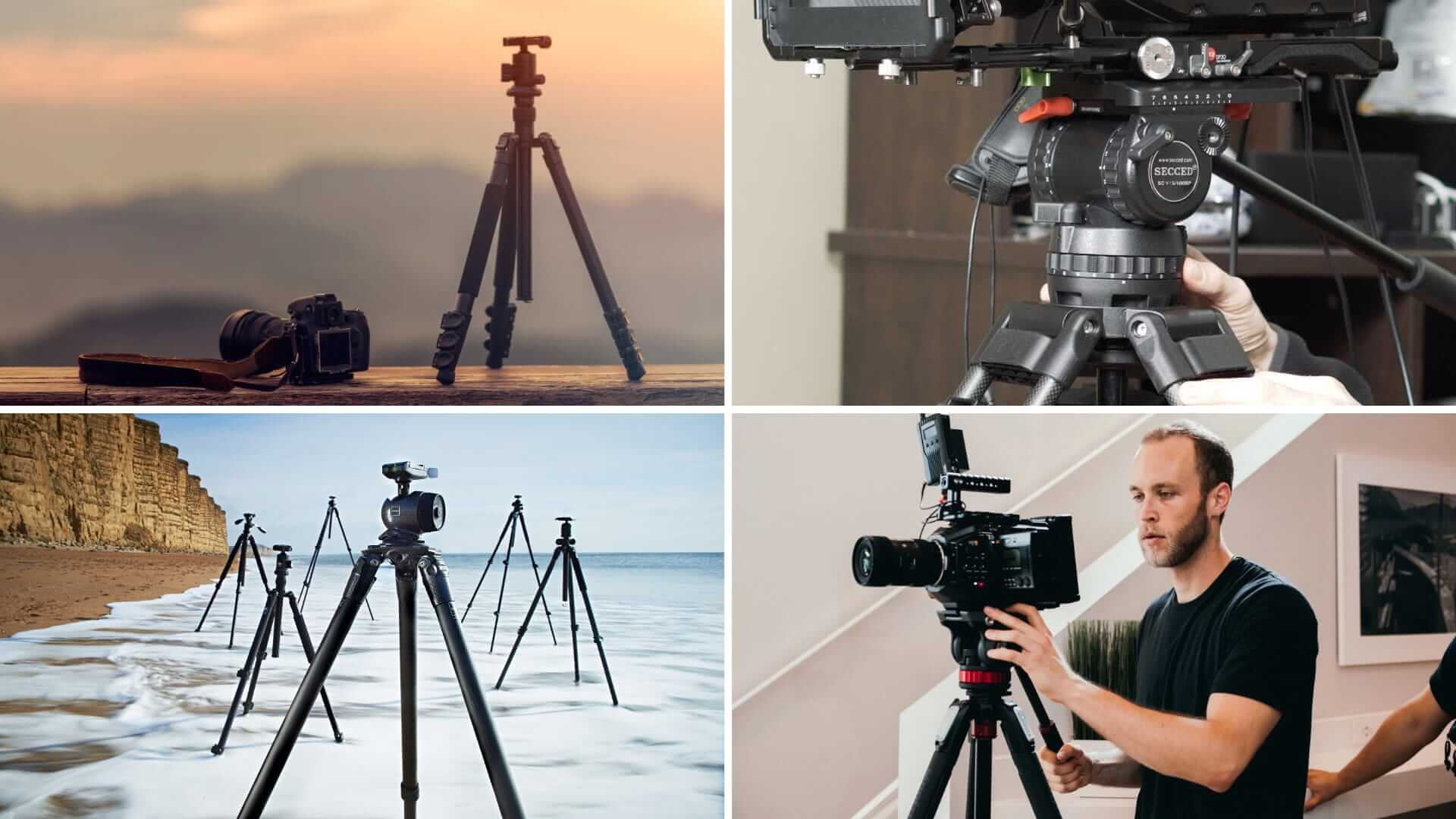
Credit: www.studiobinder.com
Benefits For Photographers
Photographers rely on various tools to capture stunning images. A tripod stand is essential for achieving sharper images, creative angles, and long exposures. It provides stability and flexibility, making it a must-have in any photographer’s toolkit.
Improved Image Sharpness
Using a tripod stand helps eliminate camera shake. It stabilizes the camera, ensuring clearer shots. Even slight movements can blur images. A tripod helps keep the camera steady, especially in low light.
Long Exposure Techniques
Long exposure photography requires keeping the camera still for extended periods. A tripod stand allows photographers to capture motion trails and dramatic light effects. It supports the camera while the shutter remains open.
Creative Angles And Perspectives
A tripod stand offers flexibility in positioning the camera. Photographers can adjust height and angle easily. This allows capturing unique perspectives and exploring different angles. It aids in achieving a creative vision.
Tripod Stands For Video
When you think of creating videos, a tripod stand might not be the first piece of equipment that comes to mind, but it should be. Tripods are essential for capturing steady and professional-looking footage. They provide stability, reduce shake, and allow you to experiment with different angles and shots. Imagine trying to film a breathtaking sunset or a bustling cityscape without the stability of a tripod—your video would likely end up shaky and unappealing. Investing in a tripod stand can elevate your video quality from amateur to professional, and here’s why.
Smooth Panning
Picture yourself filming a scenic landscape or a dynamic dance performance. You want to capture the entire scene without abrupt cuts. A tripod stand allows you to achieve smooth panning, where the camera moves horizontally in a fluid motion. This technique is vital for keeping your audience engaged. You can follow a subject as they move across the frame, creating a seamless viewing experience. By using a tripod, you avoid the jerky movements that often occur when trying to pan with just your hands.
Consider your favorite travel vlog. The serene views and captivating moments are often captured using smooth panning. This precision is possible thanks to a sturdy tripod stand that supports controlled movements. Next time you film, try a tripod-assisted pan and notice how it transforms your footage.
Time-lapse And Motion Control
Have you ever watched a mesmerizing time-lapse video of clouds rolling by or bustling city life? The secret behind these captivating visuals often lies in using a tripod stand. Time-lapse photography involves capturing a sequence of frames at set intervals, which is impossible without a stable base. Tripods ensure that your camera remains in the exact position needed for each shot, creating a cohesive time-lapse effect.
Motion control is another exciting feature that some tripod stands offer. It allows you to program specific movements for your camera, such as tilting or panning over a set period. This adds dynamism and creativity to your videos. Think about how you can use motion control for your next project—perhaps filming a sunrise over a cityscape or capturing the hustle of a market street. With a tripod stand, you can achieve these effects effortlessly.
Why settle for shaky, inconsistent footage when you can create stunning visuals with a tripod stand? Whether you’re capturing a serene landscape or a bustling city, using a tripod can make all the difference. So, the next time you’re setting up for a shoot, consider how a tripod stand can enhance your video quality and bring your creative vision to life.

Credit: shuttermuse.com
Using Tripods In Different Environments
Tripod stands offer stability for cameras and devices across diverse environments, enhancing image quality. They are essential for capturing clear photos in windy outdoor settings or low-light indoor spaces. By providing a steady base, tripods help photographers achieve precise shots without blurring.
Using a tripod stand can transform the way you capture images, whether you’re shooting indoors or out in the wild. Tripods provide stability, allowing you to take sharper photos in low light or achieve that perfect composition for a landscape shot. But have you ever considered how the environment influences your tripod use? Let’s explore how you can make the most of your tripod in various settings.
Indoor Photography
Using a tripod indoors can be a game-changer. It helps in low-light situations where a steady hand might not suffice. Imagine you’re capturing the intricate details of a cozy living room or trying to take a family portrait without a flash. Tripods allow you to experiment with long exposure shots. This can be particularly useful in capturing the ambiance of candlelit dinners or the soft glow of string lights. You can also easily adjust the height and angle to find the perfect perspective for that tabletop product shoot. Have you tried using a tripod for virtual meetings or online tutorials? It offers a hands-free experience, letting you focus on content delivery rather than worrying about camera stability. With a tripod, you can ensure your camera is at eye level, enhancing viewer engagement.
Outdoor And Landscape
Outdoors, a tripod becomes your best friend for capturing nature’s beauty. Whether you’re photographing a sunrise over the mountains or a long exposure of a waterfall, a tripod ensures the stability you need for those crisp shots. In windy conditions, a tripod can prevent camera shake, ensuring your landscapes remain sharp and clear. Consider investing in a sturdy tripod with a hook to add weight for additional stability when conditions get blustery. Have you ever tried using a tripod for astrophotography? It opens up a new realm of possibilities. With your camera securely mounted, you can capture the mesmerizing trails of stars across the night sky. A tripod allows you to experiment with various exposure times to get the perfect shot. When hiking, consider a lightweight, portable tripod. It can be easily strapped to your backpack, ensuring you’re ready to capture stunning landscapes at a moment’s notice. How does your photography change when you have the freedom to explore different angles and compositions?
Maintenance And Care
Tripod stands are essential tools for photographers and videographers. Maintaining them ensures longevity and optimal performance. Proper care prevents wear and tear. It also helps avoid unexpected failures during use. Regular maintenance keeps your tripod in top shape. Let’s explore the best practices for maintaining your tripod stand.
Cleaning And Storage
Clean your tripod after each use. Dust and dirt can damage joints and locks. Use a soft cloth to wipe the tripod down. For stubborn grime, use a mild cleaner. Avoid harsh chemicals. Dry the tripod thoroughly before storage. Moisture can lead to rust or corrosion. Store your tripod in a cool, dry place. Use a tripod bag for added protection. A dedicated storage space prevents accidental damage.
Handling Tips
Handle your tripod with care. Avoid dropping or knocking it over. This can misalign parts. Always extend and retract legs gently. Lock the legs securely before use. Ensure all locks are tight. This prevents sudden collapses. When setting up, use a stable surface. Uneven ground can make the tripod unstable. Regularly check for loose screws or parts. Tighten them as needed. This maintains the tripod’s stability and safety.
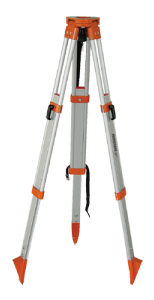
Credit: www.johnsonlevel.com
Frequently Asked Questions
What Is The Purpose Of A Tripod Stand?
A tripod stand stabilizes cameras or equipment, reducing shake and improving image quality. It supports steady shots for photography and videography. Tripods are adjustable for different heights and angles, enhancing creativity. They are essential for long exposure shots, timelapses, and self-portraits, ensuring precision and clarity in visual content.
Why Are Tripods Not Allowed In Museums?
Tripods are banned in museums to prevent accidents and protect exhibits. They can obstruct pathways and inconvenience visitors. Museums aim for a smooth visitor experience without disruptions. Safety and preservation of art are top priorities. Consider using handheld devices for photography.
Why Would You Use A Tripod?
A tripod ensures steady shots, reducing blur and enhancing image quality. It’s essential for long exposures and low-light conditions. Tripods also support heavy equipment, provide flexibility for angles, and improve framing precision. Ideal for professional photography, they help achieve consistent and sharp results.
What Does Tripod Stand For?
A tripod stands for a three-legged stand or support. It provides stability for cameras, telescopes, and other devices. The three legs distribute weight evenly, ensuring balance and preventing tipping. Tripods are essential for photography and videography, offering steady shots and reducing blur.
Conclusion
Tripod stands offer stability for cameras and other devices. They help capture clear, steady photos and videos. Perfect for photography, videography, and even smartphone use. Tripods come in various sizes and materials. Lightweight options are great for travel. Heavier ones suit studio work.
Many tripods have adjustable legs and heads. This allows flexibility in shooting angles. Easy setup and takedown make them user-friendly. Tripods are essential for anyone serious about capturing quality images. So, next time you plan a shoot, consider using a tripod stand.
Your pictures will thank you.