
Have you ever seen someone leaning forward, using their hands for support, and wondered why? This posture, often observed in certain medical scenarios, is known as “tripoding.”
If you’re curious about what tripoding means in medical terms, you’re in the right place. Understanding this concept can be crucial, especially if you or someone you know experiences breathing difficulties. By gaining insights into this posture, you can better recognize signs of respiratory distress and seek timely help.
Stick with us as we unravel the details of tripoding and its significance in healthcare. Your health knowledge could make a difference!
Tripoding Definition
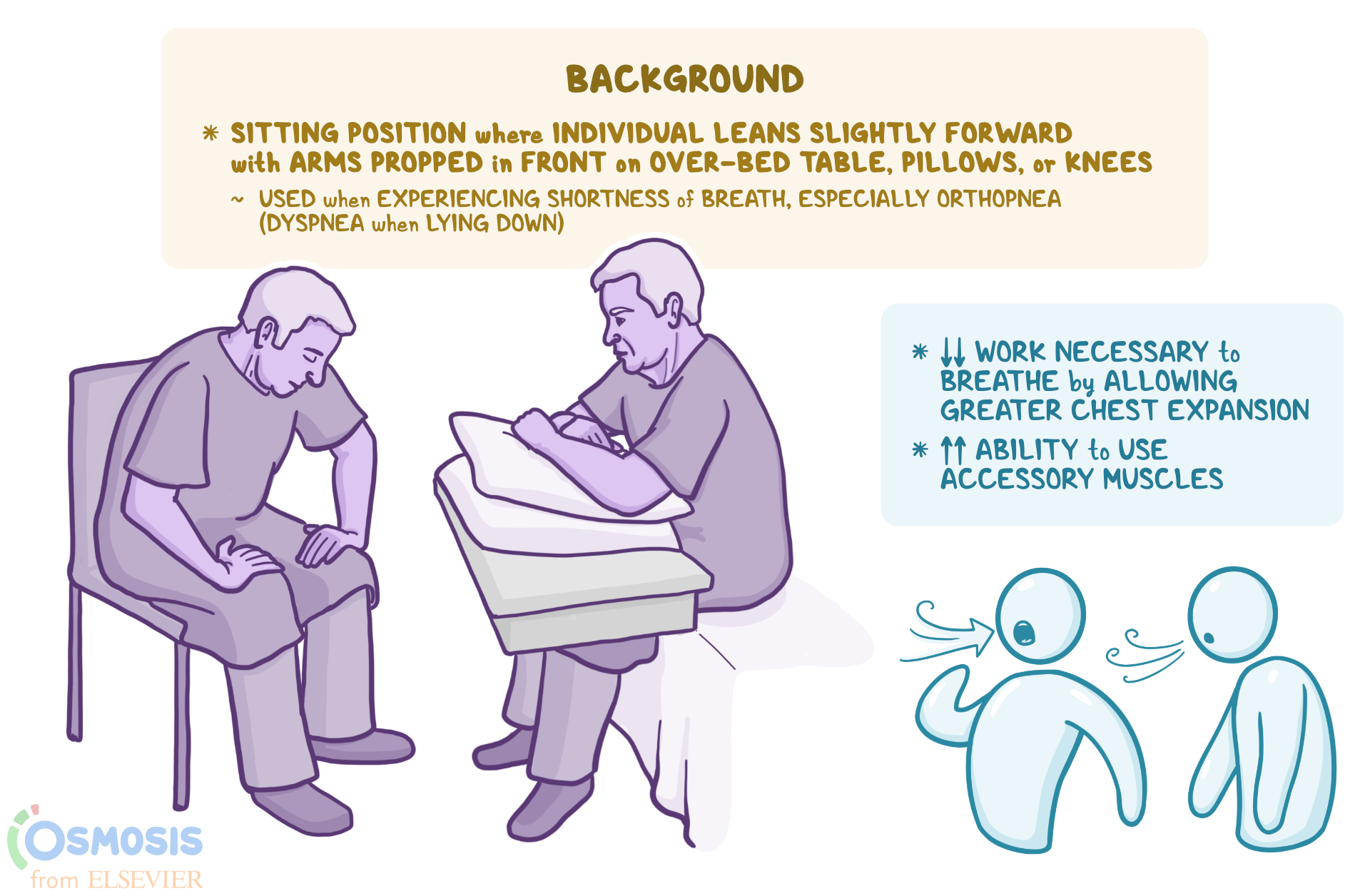
Tripoding in medical terms refers to a posture adopted by patients experiencing respiratory distress. The individual leans forward, using their hands or arms for support, often resting on their knees or a nearby surface. This position helps ease breathing by optimizing lung expansion.
Understanding medical terms can sometimes feel like deciphering a secret code. Yet, when it comes to the term “tripoding,” the concept is more straightforward than you might expect. Tripoding is a position or posture that can indicate a person is experiencing difficulty breathing. This position is not just a random stance but a vital clue that healthcare providers use to assess respiratory distress.
What Is Tripoding?
Tripoding is a posture where a person leans forward and supports their upper body with their arms, often resting on their knees or a table. This position helps open up the chest and diaphragm, making it easier to breathe. It’s a natural response to respiratory distress, allowing for better airflow into the lungs.
Why Do People Assume The Tripoding Position?
When breathing becomes hard, your body instinctively tries to make it easier. By leaning forward, you create space in your chest cavity. This can help your lungs expand more fully, which is crucial if you’re having trouble getting enough air.
When Might You See Someone Tripoding?
This posture is often seen in people with conditions like asthma or chronic obstructive pulmonary disease (COPD). Imagine someone having an asthma attack; they might instinctively lean forward, placing their hands on their knees to breathe more easily. It’s a way the body tries to cope when the respiratory system is under stress.
Tripoding In Children Vs. Adults
While tripoding can be seen in both adults and children, the implications can differ. In children, it might indicate a more severe form of respiratory distress. If you notice a child frequently assuming this position, it’s crucial to seek medical attention as it can signal a need for urgent care.
The Role Of Tripoding In Emergency Situations
In an emergency, noticing tripoding can be a critical cue. It helps healthcare providers quickly assess the severity of a patient’s condition. Knowing this, you can be more aware of the signs of respiratory distress, potentially making a life-saving observation. Recognizing tripoding isn’t just about understanding a medical term; it’s about being aware of a significant sign of respiratory distress. Have you ever noticed someone leaning forward to catch their breath? Next time, you might recognize the importance of that posture.
Credit: www.osmosis.org
Origin Of The Term
The term “tripoding” in medical language carries a fascinating origin. It refers to a posture often observed in patients with respiratory distress. This position helps them breathe more easily. Understanding the term’s roots provides insight into medical practices and patient care.
Origin Of Tripoding
The term “tripoding” derives from the word “tripod,” a three-legged stand. In the medical world, tripoding describes a patient using their arms as a third support. This position mimics a tripod structure, providing stability and relief.
Historical Context
Historically, medical professionals noted patients leaning forward with hands on knees. This posture allowed better lung expansion. The term emerged from observing this common stance in emergencies.
Early Usage
Early medical texts mention tripoding as a vital sign. Doctors used it to identify severe breathing issues. It became a quick assessment tool for respiratory distress.
Development Over Time
As medicine evolved, understanding tripoding improved. It became associated with conditions like asthma and COPD. Studying this posture helped refine treatment approaches.
Tripoding In Clinical Settings
Tripoding refers to a posture where a patient leans forward, supporting themselves with hands on knees. This position helps ease breathing difficulties, often seen in respiratory distress situations. It signals the need for immediate medical attention.
In clinical settings, understanding tripoding is crucial for healthcare professionals. It’s a term that might sound mysterious, but its implications are straightforward and significant. Tripoding can indicate respiratory distress, often seen in patients struggling to breathe. Recognizing this posture can be lifesaving and is a skill every medical professional should hone.
What Does Tripoding Look Like?
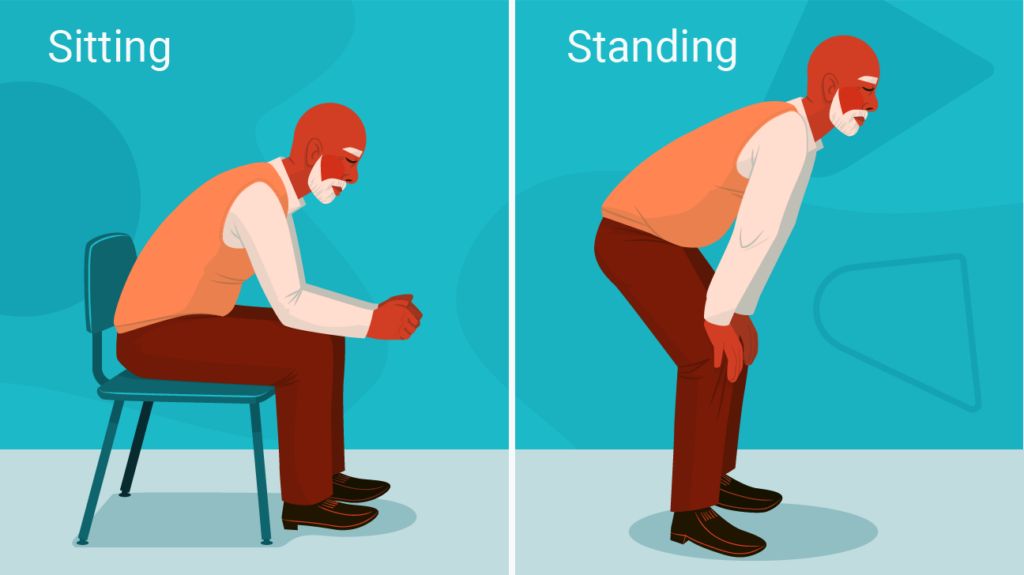
Tripoding involves a person sitting or standing while leaning forward, supporting themselves with their arms. It’s a natural position that helps ease breathing difficulties. You might notice patients planting their hands on their knees or a nearby surface. This posture opens up the chest, allowing easier airflow and relieving discomfort. It’s a silent cry for help that demands your attention.
Why Is Tripoding Important?
Tripoding can be a clear sign of respiratory distress. It’s often seen in conditions like asthma, COPD, or heart failure. Recognizing this position allows you to act swiftly. Imagine you’re in a busy ER: a patient enters, visibly struggling to breathe, and adopts the tripod position. Your ability to identify this posture enables you to prioritize and provide immediate care. This understanding is not just academic—it’s practical and lifesaving.
How To Respond To Tripoding
Your response to a tripoding patient should be prompt and effective. Assess their oxygen levels and respiratory rate. Administer supplemental oxygen if necessary. Engage with the patient to understand their symptoms and history. A quick, thorough assessment can be the difference between stabilization and escalation. Your actions should aim to relieve their distress and improve breathing. Remember, being proactive is key.
Tripoding And Patient Communication
Communication is vital when dealing with tripoding patients. As you approach them, offer reassurance and explain your actions. Patients often feel anxious when struggling to breathe. Your calm demeanor can ease their fears. Ask open-ended questions to gather information without overwhelming them. By establishing trust, you create an environment where patients feel safe to share critical details. Your empathy can make all the difference. Tripoding isn’t just a term; it’s a cue for action. The next time you encounter a patient displaying this posture, you’ll know what it means and how to respond. Are you ready to make a difference with this knowledge?
Indications And Symptoms
Tripoding in medical terms refers to a position where a person leans forward, supported by their arms. This stance often indicates respiratory distress, helping open airways for easier breathing. Common in conditions like asthma or COPD, it signals the body’s attempt to improve airflow.
Indications and symptoms of tripoding in medical terms can be crucial for understanding underlying health issues. Recognizing these signs early can make a significant difference in patient outcomes. Tripoding is more than just a posture; it’s a physical cue that something is amiss. Let’s dive into the details and explore what might be causing this stance and what it signifies.
Respiratory Distress
Respiratory distress is one of the most common reasons for tripoding. Imagine feeling so out of breath that you instinctively lean forward, hands on your knees, trying to expand your chest for every bit of air. This posture often indicates conditions like asthma, COPD, or severe pneumonia. By tripoding, your body is attempting to maximize air intake by using accessory muscles to aid breathing. If you notice someone tripoding, it may be a sign that they need urgent medical attention. Have you ever felt this way during intense physical activity or illness? It’s your body’s SOS call for help.
Musculoskeletal Conditions
Tripoding isn’t just about breathing issues; it can also be linked to musculoskeletal conditions. Sometimes, pain or weakness in your back or core muscles forces you into this position. Think about how you might lean forward when your back aches, seeking relief from discomfort. This stance can help stabilize your spine, reducing strain on painful areas. Next time you see someone tripoding, consider if they might be dealing with musculoskeletal challenges. Could this be a posture you’ve adopted without realizing due to your own aches and pains? Understanding the implications of tripoding can be a game-changer in recognizing when medical intervention is necessary. Whether it’s a friend, family member, or yourself, paying attention to these signs can lead to timely and potentially life-saving actions.
Tripoding In Pediatric Cases
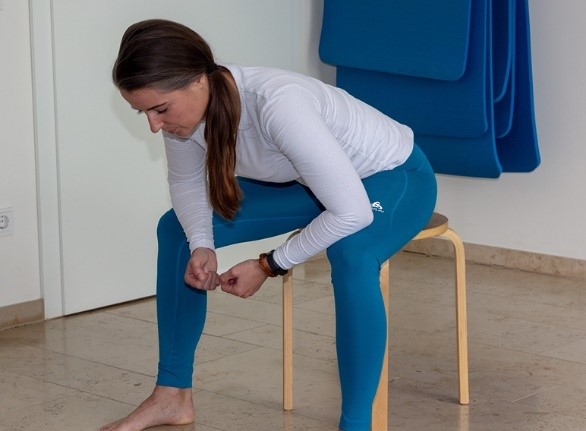
Tripoding is a term used in the medical field to describe a specific posture. In pediatric cases, tripoding can indicate respiratory distress. Children adopt this position to ease breathing. Recognizing this posture is crucial for timely intervention.
Understanding The Tripoding Position
Children in respiratory distress may lean forward. They often support their upper body with their arms. This position helps expand the chest cavity. It allows more air into the lungs.
Common Causes Of Tripoding In Children
Several conditions can cause tripoding in children. Acute respiratory infections are one common cause. Asthma attacks may also lead to this posture. Severe allergic reactions can trigger it too.
Recognizing Tripoding: Signs To Watch For
Look for signs of labored breathing. Notice if the child is leaning forward. Pay attention to the use of accessory muscles. These signs can indicate tripoding.
Why Tripoding Needs Immediate Attention
Tripoding often signals severe breathing difficulties. Early identification can prevent complications. Quick medical response is essential. It helps ensure the child’s safety.
How Medical Professionals Respond To Tripoding
Doctors perform thorough assessments. They check for underlying causes. Treatments focus on relieving respiratory distress. Medications or breathing support may be needed.
Credit: internews.org
Assessment Techniques
Understanding tripoding can be crucial for medical practitioners. Accurate assessment techniques help in identifying and managing respiratory distress. Tripoding often indicates severe breathing issues. Recognizing it early can lead to prompt treatment.
Identifying The Tripod Position
The tripod position involves leaning forward. Patients support themselves with arms on their knees. It often helps them breathe more easily. Observing this posture can be key in assessment. Immediate attention is required for such patients.
Observing Breathing Patterns
Look for labored breathing or use of accessory muscles. These are signs of respiratory distress. Patients may breathe faster or with difficulty. This often accompanies tripoding. Observing these patterns aids in diagnosis.
Checking For Cyanosis
Cyanosis refers to a bluish tint on skin or lips. It indicates low oxygen levels in the blood. Common in severe respiratory issues. Checking for cyanosis helps assess the severity of distress. Prompt intervention is necessary if observed.
Listening To Lung Sounds
Use a stethoscope to listen to lung sounds. Wheezing or crackling sounds are common in respiratory distress. These sounds indicate obstruction or fluid in the lungs. Listening carefully can reveal the underlying issue.
Evaluating Vital Signs
Monitoring vital signs is crucial. Check for elevated heart rate or blood pressure. These may indicate stress on the body. Respiratory rate is especially important. Abnormal readings can confirm respiratory distress.
Assessing Patient’s History
Gather information on the patient’s medical history. Previous respiratory issues may provide clues. Ask about recent illnesses or medications. Understanding history can guide assessment and treatment.
Management And Treatment
Tripoding is a posture seen in medical emergencies, where a person leans forward, using arms for support. This position helps individuals breathe easier by optimizing airway opening, commonly observed in respiratory distress situations. Recognizing and treating tripoding can aid in managing conditions like asthma or emphysema effectively.
Managing and treating tripoding in medical terms requires a well-structured approach that encompasses both immediate and long-term care strategies. Tripoding, often associated with respiratory distress or severe difficulty in breathing, can be alarming. Understanding how to manage this condition effectively can make a significant difference in patient outcomes. Let’s explore how you can address tripoding both immediately and in the long run.
Immediate Interventions
When someone is tripoding, quick action is crucial. The first step is to ensure the person is in a comfortable position, typically sitting or leaning forward with their hands on their knees. This posture helps open the airways, making breathing easier. Next, assess the need for supplemental oxygen. If available, provide it promptly to alleviate distress. Monitoring vital signs, like heart rate and oxygen saturation, is essential to gauge the severity of the situation. Medications such as bronchodilators might be necessary. These can relieve symptoms by relaxing the muscles around the airways. If you’re unsure about administering these, medical professionals can guide you.
Long-term Care Strategies
After stabilizing the immediate symptoms, it’s vital to think about long-term management. Regular follow-ups with healthcare providers can help identify underlying causes, such as asthma or COPD, that might be contributing to tripoding episodes. Developing a personalized care plan can be beneficial. This might involve lifestyle changes, such as quitting smoking or avoiding allergens, to reduce the risk of future episodes. Medications might also play a role in long-term care. For instance, inhalers can be a part of daily routines to manage chronic respiratory conditions. Have you considered how a healthier lifestyle might lessen the need for medications? Incorporating regular exercise can improve lung capacity and overall health. Simple activities, like walking or cycling, can make a big difference over time. Managing tripoding involves being proactive. How can you ensure that you or your loved ones are prepared for any future episodes? Understanding the steps to take and being ready can empower you to handle the situation effectively.
Role Of Healthcare Professionals
In the realm of healthcare, professionals play a crucial role when it comes to understanding and addressing patient needs. One intriguing aspect is their involvement in identifying and managing “tripoding” – a term used in medical settings to describe a posture that patients often assume when experiencing respiratory distress. But what exactly does this entail for healthcare professionals, and how do they navigate this complex situation?
Role Of Healthcare Professionals In Identifying Tripoding
Healthcare professionals are trained to recognize signs of distress quickly. Tripoding, characterized by leaning forward with hands on knees or a supportive surface, is a telltale sign. By identifying this posture, you can assess the severity of a patient’s condition and decide the next steps. It’s like being a detective, where your keen observation skills can make a significant difference in patient outcomes.
Providing Immediate Care And Comfort
Once tripoding is identified, immediate action is vital. You might need to adjust the patient’s position to ease breathing or offer oxygen support. Your prompt intervention can alleviate discomfort and prevent further complications. Imagine being the calm in the storm, providing reassurance through your presence and expertise.
Educating Patients And Families
Your role extends beyond direct care. Educating patients and their families about tripoding and its implications can empower them. When they understand what this posture signifies, they can seek timely help. Have you considered how empowering knowledge can transform fear into proactive action?
Collaborating With Multidisciplinary Teams
Tripoding often requires a team approach. Collaborating with respiratory therapists, nurses, and doctors ensures comprehensive care. Your ability to communicate effectively within the team can streamline interventions. Think about how teamwork can amplify your impact and lead to holistic patient care.
Continuous Learning And Adaptation
The medical field is ever-evolving. Staying updated with the latest practices related to respiratory distress management is crucial. Are you consistently seeking new insights to enhance your skillset? Your commitment to learning can redefine your approach to patient care and improve outcomes.
Understanding tripoding and your role in managing it can profoundly affect patient experiences. By being observant, responsive, and collaborative, you contribute to a healthcare environment where patients feel supported and cared for. Your proactive actions and empathetic interactions create a ripple effect, fostering trust and healing.
Case Studies
Tripoding in medical terms describes a position where a person leans forward, supporting themselves with their hands on their knees. This posture helps ease breathing, often seen in people with respiratory distress or lung issues. Understanding tripoding can aid in quickly identifying breathing problems.
When you think about tripoding in medical terms, you might wonder how often it actually occurs. That’s where case studies come in handy. They provide real-world examples that help clarify the concept. They demonstrate how tripoding manifests in different situations and what it reveals about a patient’s condition. By examining these case studies, you can gain valuable insights into recognizing and understanding tripoding in clinical settings.
Case Study 1: Pediatric Asthma Attack
A five-year-old boy arrived at the ER with difficulty breathing. His parents were worried because he was leaning forward, using his arms to support himself. This posture allowed him to breathe more easily, signaling a potential asthma attack. The healthcare team quickly identified tripoding as a key symptom and started treatment immediately. The boy’s posture was a clear indicator of respiratory distress, enabling the medical team to act swiftly.
Case Study 2: Copd In Elderly Patients
An elderly woman with COPD was observed tripoding during a routine check-up. She placed her hands on her knees, leaning forward to ease her breathing. This posture revealed the severity of her condition, prompting further investigation into her lung function. By recognizing her tripoding, her doctor could adjust her treatment plan to improve her quality of life. The case highlights how tripoding can be an early sign of worsening respiratory issues.
Case Study 3: Emergency Room Scenario
Imagine walking into an ER and seeing a man sitting on a stretcher, leaning forward with hands on his thighs. This posture instantly signals to the medical staff that he is struggling to breathe. His tripoding posture allowed the team to prioritize his care and conduct a thorough examination. Tripoding can often be the first visible sign of respiratory distress, guiding healthcare professionals in their assessments.
Case Study 4: Personal Experience With Allergies
Have you ever noticed someone using a tripod position during an allergy attack? A friend of mine did exactly that during a severe allergic reaction. She leaned forward and supported herself on a table to catch her breath. This position was crucial in helping us understand her immediate need for medical attention. Recognizing tripoding in everyday situations can be pivotal in offering timely assistance. It serves as a reminder that posture can be a silent communicator of distress. — These case studies show the importance of observing tripoding. Could identifying this posture change how you approach someone in distress? Understanding tripoding can make a difference in recognizing and responding to urgent medical conditions.
Credit: www.bezzycopd.com
Future Research Directions
Tripoding, a posture often seen in respiratory distress, is crucial in medical assessment. Understanding its implications can lead to better patient care. Research in this area is expanding. It seeks to uncover deeper insights into its significance. Exploring future directions can pave the way for new discoveries.
Understanding Tripoding And Its Role
Tripoding involves leaning forward and resting hands on knees. It helps open the chest cavity. This posture aids breathing during respiratory distress. Understanding its role can improve diagnostic processes.
Potential Advances In Diagnostic Techniques
Future research may focus on refining diagnostic methods. Incorporating tripoding as a key indicator could enhance accuracy. New technologies might aid in recognizing tripoding patterns. This can lead to quicker diagnosis.
Exploring Tripoding In Different Medical Conditions
Tripoding might not be limited to respiratory issues. Studies could explore its presence in other conditions. Understanding its occurrence across various ailments can broaden medical knowledge. This can contribute to comprehensive patient care.
Developing Training Protocols For Healthcare Providers
Research could focus on training healthcare providers. Educating them about tripoding’s significance could be valuable. Developing protocols for identifying tripoding can improve patient outcomes. Training can ensure timely and accurate assessments.
Innovative Approaches To Patient Monitoring
Future studies might explore new monitoring approaches. Tripoding could be integrated into patient observation systems. Continuous monitoring could help in early intervention. This can significantly impact patient recovery rates.
Frequently Asked Questions
What Does It Mean When A Patient Is Tripoding?
Tripoding refers to a seated or standing position where a patient leans forward, supporting themselves with their arms. This posture helps ease breathing, often indicating respiratory distress. It’s commonly seen in conditions like COPD or asthma, where the patient struggles to breathe comfortably.
What Does Tripoding Look Like?
Tripoding looks like a dog sitting with one front leg lifted off the ground. The dog balances on three legs, often due to injury or discomfort. This posture helps relieve pain and avoid pressure on the affected leg.
What Is The Tripod Stance For Breathing?
The tripod stance involves sitting or standing while leaning forward, using arms for support, to ease breathing. This posture helps expand the chest, facilitating better air intake and reducing respiratory effort. It’s commonly used by individuals experiencing breathing difficulties to improve airflow.
Why Is It Called Tripod Position?
The tripod position resembles a three-legged stand. A person leans forward, using arms for support, like a tripod. This stance helps ease breathing difficulties by expanding the chest. It’s commonly seen in respiratory distress or COPD patients. The name derives from its similarity to a camera tripod’s stability.
Conclusion
Tripoding is a vital posture in medical assessments. It helps in diagnosing respiratory issues. Patients lean forward, hands on knees, for easier breathing. This posture can indicate serious conditions like COPD or asthma. Understanding tripoding aids in quick identification and treatment.
It’s important for healthcare professionals to recognize this sign. Early detection can improve outcomes. Always consult a medical expert if you notice tripoding. Awareness of this posture could save lives. Keep learning about medical signs for better health. Stay informed.
Stay healthy.