
Imagine coming home to the perfect temperature every single time, without worrying about energy bills skyrocketing. Sounds like a dream, right?
This is precisely what two-stage heating and cooling systems can offer you. But what exactly is two-stage heating and cooling, and how does it make such a difference in your comfort and energy use? You’re about to discover the secret behind this advanced technology that not only optimizes the climate of your home but also plays a big role in reducing your energy consumption.
With the weather playing tricks on us more often than not, having a system that adjusts itself to your needs sounds like a smart move. Curious to know how it works and if it’s right for your home? Keep reading, and you’ll find answers that could transform your living experience.
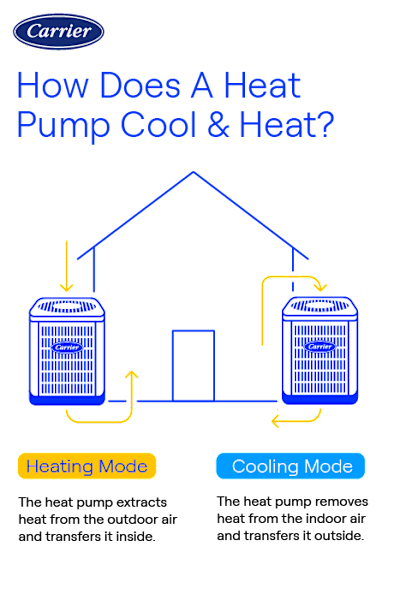
Credit: www.carrier.com
Two Stage Heating And Cooling Explained
Two-stage heating and cooling systems are designed for efficiency and comfort. These systems use two levels of operation to regulate temperature. Unlike single-stage systems, they adjust power based on your home’s needs. This results in consistent temperature and energy savings.
How Two-stage Systems Work
Two-stage systems operate at high and low capacities. The low setting runs most of the time for regular conditions. The high setting activates during extreme weather. This flexibility improves comfort and efficiency.
Benefits Of Two-stage Heating And Cooling
Two-stage systems offer several advantages. They maintain a more consistent temperature. This reduces the need for constant adjustments. Energy usage decreases, lowering utility bills. The system also experiences less wear and tear, extending its lifespan.
Cost Considerations
Two-stage systems may cost more upfront. Over time, energy savings offset this initial investment. Lower utility bills make them a cost-effective choice. Consider long-term benefits when evaluating costs.
Installation And Maintenance
Professional installation ensures optimal performance. Regular maintenance keeps systems running smoothly. Schedule annual check-ups to maintain efficiency. Proper care extends the system’s lifespan.
How Two Stage Systems Work
Two stage heating and cooling systems offer efficient temperature control. They operate at two levels: high for extreme temperatures and low for mild conditions. This approach enhances comfort by maintaining consistent indoor climates while optimizing energy usage.
Understanding how two stage heating and cooling systems work can optimize your home’s comfort. These systems have two levels of operation. They adjust their output based on your home’s needs. This makes them more efficient and comfortable than single-stage systems.First Stage Operation
In the first stage, the system runs at a lower capacity. This stage is energy-efficient. It handles mild weather conditions effectively. This operation ensures consistent temperature and humidity control. The system runs longer but uses less energy. It maintains a steady, comfortable environment.Second Stage Operation
The second stage kicks in during extreme weather. Here, the system operates at full capacity. It provides maximum heating or cooling power. This stage is necessary for very hot or cold days. It quickly brings your home to the desired temperature. This operation is less frequent, saving energy and reducing wear.Benefits Of Two Stage Systems
Two stage heating and cooling systems are becoming popular in homes. They offer distinct advantages over traditional systems. These systems operate at two levels: high and low. This flexibility brings several benefits to homeowners. Let’s explore these benefits in detail.
Energy Efficiency
Two stage systems use less energy. They often run at the lower stage, consuming less power. This reduces electricity bills. Energy savings are significant over time. These systems are ideal for those wanting to save money.
Enhanced Comfort
Comfort levels are noticeably better. The system adjusts to temperature needs. It reduces hot and cold spots in rooms. Even heating and cooling are achieved. This constant comfort is appreciated by many users.
Improved Humidity Control
Humidity control is enhanced with two stage systems. They maintain ideal moisture levels. This is crucial in humid climates. Better humidity control prevents mold growth. It also improves indoor air quality. Health benefits are an added advantage.
Comparing Single Stage And Two Stage Systems
Two stage heating and cooling systems adjust power levels to match temperature needs. They offer more precise temperature control and energy efficiency compared to single stage systems. This makes them ideal for maintaining comfort while reducing energy bills.
When it comes to choosing a heating and cooling system for your home, understanding the differences between single stage and two stage systems can make a significant impact on comfort and energy efficiency. Single stage systems operate at full capacity whenever they’re on, while two stage systems have a high and low setting, allowing for more flexibility and control. This distinction influences performance, costs, and suitability depending on the climate you live in. Let’s dive deeper into these aspects to help you make an informed decision.Performance Differences
Two stage systems offer a more consistent and even temperature throughout your home. Unlike single stage systems, which blast air at full power, two stage systems use their low setting to maintain a steady climate. This results in less fluctuation and a more comfortable environment. Moreover, two stage systems can be quieter, as they often operate in the lower stage, reducing the noise associated with full capacity operation. Have you ever been annoyed by the loud sound of your air conditioner kicking in? A two stage system might just be the solution to that problem.Cost Considerations
Initially, two stage systems can be more expensive to purchase and install than single stage systems. However, they can potentially save you money in the long run through increased energy efficiency. Operating in the low stage uses less energy, which can lead to lower utility bills over time. Think about the long-term savings versus the upfront costs. Would you prefer to invest more now for potential savings down the line? It’s an important aspect to consider, especially if energy efficiency is a priority for you.Suitability For Different Climates
Two stage systems are particularly beneficial in regions with variable climates, where temperatures can change drastically throughout the day. If you live in an area with mild days and chilly nights, the two stage system’s ability to adjust operation levels can enhance comfort without overworking the system. On the other hand, single stage systems might be sufficient in areas with consistent climates, where drastic temperature changes are rare. Consider your local climate and how often you experience temperature swings. Is your current system meeting your needs, or could a two stage system provide better comfort and efficiency?Installation And Maintenance
Two-stage heating and cooling systems offer efficient temperature control. They adjust power based on the home’s needs, providing comfort and energy savings. Proper installation and regular maintenance ensure optimal performance and longevity.
Installing and maintaining a two-stage heating and cooling system can seem like a daunting task, but breaking it down into manageable steps can simplify the process. Proper installation is crucial for the system’s efficiency and longevity. Meanwhile, regular maintenance ensures optimal performance and can prevent costly repairs down the line. Let’s dive into the essential aspects of installation and maintenance to help you get the most out of your system.Installation Process
Setting up a two-stage heating and cooling system requires precision and attention to detail. It’s often best to hire a professional to handle the installation, as they have the expertise to ensure everything is done correctly. They will:- Evaluate your home’s size and insulation to determine the best system capacity.
- Install the indoor and outdoor units, ensuring proper connection and placement.
- Set up the thermostat to manage the two-stage system effectively.
Maintenance Tips
Once your system is up and running, regular maintenance is key to keeping it efficient. Here are some actionable tips:- Change Filters Regularly: A clean filter can improve airflow and efficiency. Aim to check and replace filters every 1-3 months.
- Schedule Annual Inspections: A professional technician can identify and fix potential issues before they become major problems.
- Clear Debris from Outdoor Units: Keep leaves and dirt away from the outdoor unit to maintain proper airflow.

Credit: en.wikipedia.org
Choosing The Right System For Your Home
Choosing the right two-stage heating and cooling system for your home can feel overwhelming, especially with so many options available. Finding the perfect balance between comfort, efficiency, and cost is crucial. Whether you’re upgrading an old system or installing one for the first time, understanding key factors can make your decision easier.
Factors To Consider
Start by evaluating your home’s size and layout. A larger home may require a more powerful system, while a smaller space might benefit from a more compact unit. Consider the climate in your area; if you experience extreme temperatures, a robust two-stage system can offer better control.
Energy efficiency is another critical factor. Look for systems with high SEER ratings to reduce energy bills. Don’t forget to think about your budget. While two-stage systems might have a higher upfront cost, they can save money in the long run through improved efficiency.
Lastly, consider your lifestyle. If you work from home or spend a lot of time indoors, a system that offers consistent comfort might be more important to you. Think about how often you entertain guests or if you have family members with specific temperature needs.
Consulting With Professionals
It’s always a good idea to consult with HVAC professionals before making a decision. They can provide insights into the latest technology and help you understand what will work best for your home.
Professionals can assess your current setup and recommend the most suitable systems based on your home’s needs and your preferences. Their expertise can prevent costly mistakes and ensure you choose a system that meets all your requirements.
Don’t hesitate to ask questions. A good HVAC consultant will be happy to explain the benefits of different systems and guide you through the installation process. By leveraging their knowledge, you can feel confident in your choice and enjoy a comfortable home environment year-round.

Credit: medium.com
Frequently Asked Questions
What Is Two-stage Heating And Cooling?
Two-stage heating and cooling systems operate at two levels: low and high. Low stage maintains consistent comfort and energy efficiency. High stage activates during extreme temperatures for additional power. This system improves comfort and reduces energy costs, offering better temperature control compared to single-stage systems.
Is Two-stage Heating And Cooling Worth It?
Two-stage heating and cooling enhances comfort by maintaining consistent temperatures and reducing energy costs. It operates efficiently, providing better humidity control and quieter performance. Ideal for varying climates, it offers long-term savings and improved indoor air quality, making it a worthwhile investment for homeowners seeking enhanced comfort and efficiency.
What Are The Disadvantages Of A 2 Stage Furnace?
Two-stage furnaces can be more expensive upfront and require professional installation. They might offer limited efficiency improvement in mild climates. Maintenance costs could be higher due to complex components. The furnace might cycle more frequently, potentially increasing wear and tear.
Compatibility with older duct systems can be challenging.
How Do I Know If I Have Two-stage Heating?
Check your thermostat or heating system manual for a two-stage heating indicator. Inspect for two-stage settings or labels.
Conclusion
Two stage heating and cooling offer great benefits. Comfort improves with consistent temperatures. Energy bills drop with efficient use. Systems run quieter and last longer. Smart thermostats make control easy. Suitable for various climates and homes. Ideal for those seeking balance between comfort and cost.
Understanding your home needs is key. Consult with professionals for best results. Invest wisely for long-term savings. Two stage systems can be a smart choice. Make your home more comfortable and efficient.