
Imagine turning your living room into a personal cinema, where every movie night feels like a theater experience. This is the magic of a home theater system.
But before you dive into creating this entertainment oasis, there’s a lot you need to know. Whether you’re a tech enthusiast or just someone who loves watching movies in high definition, understanding the essentials of home theater systems can save you time and money.
We’ll unravel the complexities in a simple way, making sure you’re not overwhelmed with tech jargon. You’ll discover how to choose the right components and avoid common pitfalls. Plus, we’ll share tips on achieving the best sound and picture quality, so every film, game, or show you watch feels immersive and engaging. Stick with us, and you’ll soon see how easy it can be to elevate your home entertainment experience to a whole new level.

Credit: www.facebook.com
Types Of Home Theater Systems
Home theater systems come in various types. Options include soundbars, surround sound systems, and all-in-one packages. Each offers unique audio experiences for movie lovers.
When designing a home theater system, knowing the different types is crucial. Each type offers unique features and caters to various needs and preferences. Understanding them helps you choose the best fit for your home entertainment experience.
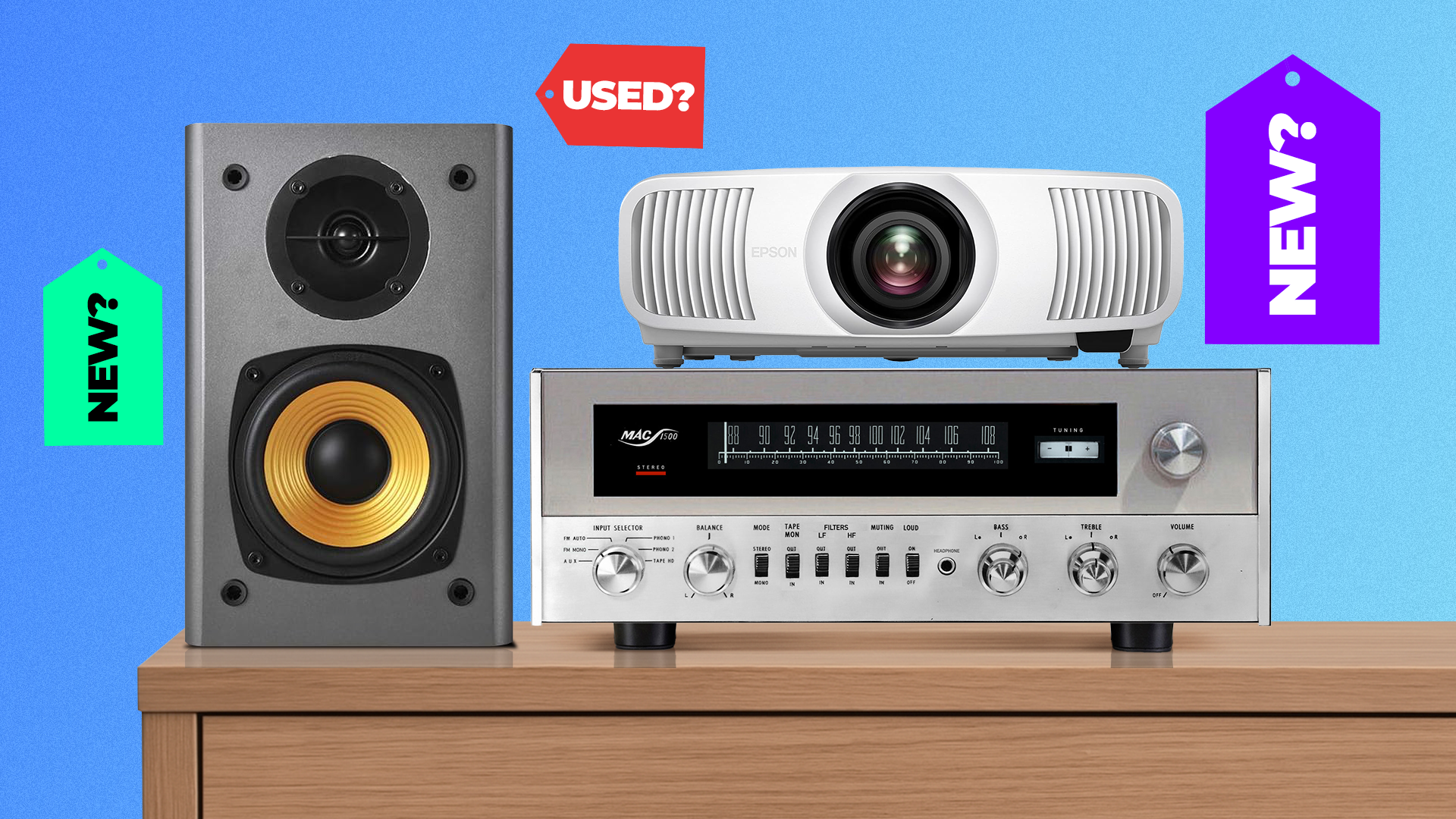
Component Systems
Component systems consist of separate elements like speakers, receivers, and players. You can mix and match these components. This flexibility lets you upgrade parts without replacing the entire system. Quality varies, but high-end components deliver superior sound and picture. Installation requires some technical knowledge.
All-in-one Systems
All-in-one systems combine speakers, receivers, and players in a single package. They are easy to set up and use. You don’t need to buy separate parts. This option is ideal for small spaces or those new to home theaters. Sound quality might not match high-end component systems. It offers convenience and simplicity.
Custom Built Setups
Custom built setups are tailored to your specific needs and space. You choose each component, ensuring optimal performance. This type suits those with unique space requirements. It demands more planning and expertise. You can achieve a personalized, high-quality experience. Costs vary based on chosen components.
Credit: www.howtogeek.com
Key Features To Consider
Creating the perfect home theater system can be exciting. But it requires understanding key features. These features shape your viewing and listening experience. Let’s explore some essential aspects to consider.
Audio Quality
Audio quality is vital for an immersive experience. Look for systems with clear sound. Check for surround sound capabilities. These provide a theater-like feel. Pay attention to the number of speakers. More speakers often mean better sound distribution. Quality subwoofers enhance bass sounds, adding depth to audio.
Video Resolution
Video resolution affects picture clarity. High-definition options are crucial for a crisp image. Consider 4K or even 8K resolutions. These offer sharp and detailed visuals. Check if the system supports HDR. High Dynamic Range improves color and contrast. This makes images more vibrant and lifelike.
Connectivity Options
Connectivity options determine system flexibility. Ensure the system has HDMI ports. These allow easy connection to various devices. Look for Bluetooth and Wi-Fi capabilities. These features enable wireless streaming. USB ports add extra convenience for media playback. Consider compatibility with smart home devices.
Room Acoustics
Room acoustics influence sound quality. Consider the size and shape of the room. Larger rooms might need more powerful systems. Soft furnishings can absorb sound. Hard surfaces might cause echoes. Think about speaker placement for optimal sound. Acoustic panels can help manage sound quality.
Choosing The Right Speakers
Choosing the right speakers for your home theater system can transform your movie nights into a cinematic experience. Imagine the thrill of hearing every whisper and explosion with crystal clarity. But with so many options available, how do you decide which speakers are right for you? Let’s dive into the essentials to help you make an informed choice.
Speaker Types
Speakers come in various types, each offering unique advantages. Floor-standing speakers are perfect for large rooms, providing powerful sound and deep bass. Bookshelf speakers offer versatility and are ideal for smaller spaces, maintaining quality without overwhelming the room. Soundbars are compact and great for minimalist setups, offering decent sound in a single package. In-wall or in-ceiling speakers provide a discreet option, blending seamlessly into your decor. Consider what fits best with your room size and aesthetic.
Placement Tips
Speaker placement can dramatically affect sound quality. Imagine sitting in a theater where the sound feels perfectly balanced. You can achieve this at home with strategic placement. Place floor-standing speakers at least a foot away from walls to reduce bass reflection. Position bookshelf speakers at ear level for the best listening experience. Soundbars should be directly below your TV, ideally at ear level. For in-wall speakers, ensure they are evenly spaced to create a surround effect. Experiment with different positions to find what sounds best.
Power And Size Considerations
The power and size of your speakers should match your room and listening preferences. A small room might not need high-powered speakers; sometimes, less is more. Larger rooms require speakers with more wattage to fill the space adequately. Consider your typical listening volume—do you prefer a subtle ambiance or room-shaking sound? Check the speaker’s wattage and sensitivity ratings; higher ratings mean louder sound with less power. Always balance power with the size of your room for optimal audio performance.
Choosing the right speakers is crucial for crafting your perfect home theater experience. Which type of speaker will best suit your space and needs? Dive into these options and make your movie nights unforgettable.
Importance Of Acoustics
Acoustics play a crucial role in the quality of a home theater. The sound experience can make or break the immersive feel. Understanding the importance of acoustics helps you get the most out of your system.
Room Layout Impact
The layout of your room affects sound quality. Furniture placement and wall distance can change how sound travels. Rooms with open spaces can lose sound clarity. Strategically placing furniture can help improve audio fidelity. For example, seating should be away from the walls. This reduces sound reflections.
Soundproofing Techniques
Soundproofing keeps external noise out and internal sound in. Thick curtains or carpets can absorb sound. Acoustic panels on walls and ceilings enhance sound quality. Sealing gaps around doors and windows prevents sound leakage. These techniques ensure a richer, uninterrupted audio experience.
Balancing Sound Distribution
Balanced sound distribution is vital for an immersive experience. Place speakers at ear level for optimal sound delivery. Ensure speakers are equidistant from the seating area. Use subwoofers to distribute bass evenly. Consider ceiling or wall-mounted speakers for larger rooms. Proper speaker placement creates a surround sound effect.
Optimizing Video Experience
Creating the ultimate home theater experience isn’t just about booming sound; the video quality plays a crucial role too. Ensuring you have the best possible visual setup can make all the difference between a good movie night and an unforgettable one. Whether it’s choosing the right screen size or managing your room’s lighting, optimizing your video experience is key to a truly immersive viewing.
Screen Size And Type
Imagine watching your favorite movie on a screen that feels just right—neither too big nor too small. The size of your screen should match your room’s dimensions and your viewing distance. A general rule of thumb is to sit at a distance that’s about 1.5 times the diagonal size of your screen. This ensures you capture every detail without straining your eyes.
When it comes to screen types, LED, OLED, and QLED each offer unique benefits. OLED screens are known for their deep blacks, while QLEDs provide vibrant colors and brightness. Each type has its strengths, so think about what matters most for your viewing pleasure. Do you watch a lot of dark, atmospheric films, or are you more into bright, colorful sports events?
Projector Vs. Tv
Here’s a choice that can shape your entire home theater vibe. TVs are generally easier to set up and offer excellent picture quality straight out of the box. However, if you’re after a true cinematic experience, a projector might be your best bet. They offer larger screen sizes and can be more cost-effective if you want a really big screen.
Consider your space. Projectors require a certain distance and a suitable wall or screen, while TVs can fit snugly in smaller rooms. Also, think about the room’s lighting. Projectors tend to perform better in darker environments, so if you can’t control the lighting, a TV might be more practical.
Lighting Control
Lighting can make or break your video experience. Imagine watching a suspense thriller with unwanted reflections dancing across the screen—it ruins the mood. Controlling the lighting in your room helps maintain picture quality and enhances immersion.
Use blackout curtains or blinds to eliminate natural light during the day. Consider installing dimmable lights to adjust the room’s brightness according to what you’re watching. This not only improves screen visibility but also helps set the perfect atmosphere for different types of content. What small lighting adjustments can you make to improve your movie nights?

Credit: www.reddit.com
Smart Home Integration
Smart home integration has revolutionized how we experience entertainment. Imagine controlling your entire home theater system with just your voice or a simple tap on your smartphone. This seamless integration not only enhances convenience but also elevates your movie nights to an entirely new level. From adjusting the lighting to setting the perfect sound, smart home technology offers you total control.
Voice Control Features
Voice control features are a game-changer for home theater systems. With devices like Amazon Alexa or Google Assistant, you can effortlessly command your system to play your favorite movie or adjust the volume. No more searching for remote controls in the dark!
Have you ever tried asking your smart assistant to dim the lights during a thriller scene? The immersive experience it creates is unmatched. It’s like having a personal assistant dedicated to your entertainment needs.
App-based Management
Managing your home theater system through an app is incredibly convenient. Apps provide a user-friendly interface that allows you to control everything from the movie selection to the sound settings. Imagine having all your media options at your fingertips without leaving the couch.
Some apps even offer customization options, letting you tailor your viewing experience. You can create playlists or set parental controls with ease. How much more enjoyable would movie nights be with such personalized settings?
Compatibility With Smart Devices
Compatibility is key when integrating your home theater system with smart devices. Ensure that your system works smoothly with your existing smart home technology. Most modern systems connect effortlessly with popular smart devices like smart TVs, speakers, and lights.
Consider setting up routines that sync your devices for a synchronized experience. Why not automate your lights to dim and your curtains to close when you start a movie? The possibilities are endless, and the result is a cohesive and immersive entertainment experience.
Budgeting For A Home Theater
Creating a home theater system is an exciting venture, but it requires careful budgeting to ensure you get the best bang for your buck. Whether you’re a film enthusiast or a sports fanatic, knowing how to allocate your funds wisely can make or break your experience. Let’s dive into the key considerations for budgeting your perfect home theater setup.
Cost Breakdown
Understanding the cost components of a home theater system is crucial. Your budget will typically cover:
- Audio Equipment:Speakers and subwoofers are essential for that immersive sound experience. Prices can range from a few hundred dollars to several thousand.
- Visual Equipment:Projectors or TVs are the focal point. High-resolution options generally cost more but provide a better viewing experience.
- Seating:Comfortable seating is often overlooked but is vital for long viewing sessions. Consider ergonomic options or recliners.
- Accessories:Cables, mounts, and other miscellaneous items can add up quickly. Don’t forget them in your budget!
Have you considered all these elements in your budget?
Diy Vs. Professional Installation
Deciding between DIY and professional installation can affect your budget significantly. DIY installation can save money, but requires time, patience, and technical skills.
- DIY:Ideal if you enjoy hands-on projects and have basic technical know-how. You might save on labor costs but risk potential setup errors.
- Professional Installation:Offers expertise and convenience but comes at a higher cost. Ensure you choose reputable professionals to avoid overpriced services.
What’s your comfort level with setting up complex systems?
Long-term Investment Considerations
Think of your home theater as a long-term investment. Investing in high-quality equipment may be more expensive upfront, but it ensures durability and performance.
- Upgrade Potential:Choose equipment that can be easily upgraded, so you’re not stuck with outdated technology.
- Energy Efficiency:Consider energy-efficient options to save on electricity bills over time.
- Resale Value:High-quality systems often retain value better, should you ever decide to sell.
Are you planning for future upgrades or immediate gratification?
Budgeting for a home theater involves balancing immediate costs with long-term benefits. Understanding these aspects can help you make informed decisions and enhance your viewing experience.
Maintenance And Upgrades
Maintaining and upgrading your home theater system can be both exciting and essential to ensure the best viewing experience. Just like your car needs regular check-ups, your home theater system requires attention to keep it running smoothly. With advancements in technology, there are always opportunities to enhance your setup. Whether it’s through regular system checks, software updates, or enhancing existing systems, there’s always room for improvement.
Regular System Checks
Think of regular system checks as a health check-up for your theater. Frequent inspections can help you catch potential issues early. Check the connections and cables for signs of wear and tear. Dust off your speakers and screens to maintain clarity. A clean system not only looks better but performs better too.
Have you ever noticed a drop in sound quality or picture clarity? These could be signs that your system needs a little TLC. Taking time once a month to inspect your equipment can prevent bigger problems down the road.
Software Updates
Software updates are crucial for keeping your system optimized. Manufacturers often release updates to fix bugs or improve performance. Ignoring these updates might lead to compatibility issues or even affect playback quality.
Imagine watching your favorite movie and suddenly the picture freezes—frustrating, right? Updating your software can prevent such hiccups. Make it a habit to check for updates every few weeks. Your system will thank you with smoother operations and possibly new features.
Enhancing Existing Systems
Enhancing your home theater doesn’t always mean buying new equipment. Simple tweaks can elevate your viewing experience. Consider adding a soundbar to improve audio quality. Rearrange seating for better acoustics or upgrade cables for faster connectivity.
Have you ever thought about adjusting your room’s lighting? It can make a big difference in creating a cinema-like atmosphere. Think about what small changes could make your setup more enjoyable.
Upgrading isn’t just about spending money; it’s about smart choices that enhance your experience. Each tweak brings you closer to a more immersive viewing adventure. What enhancements could transform your home theater into a masterpiece?
Frequently Asked Questions
What Is The Golden Rule For Home Theater?
The golden rule for a home theater is optimal speaker placement for immersive sound. Position speakers symmetrically around the room, ensuring the center speaker is directly in front of the seating area. This setup enhances audio experience, providing balanced and clear sound for movies and music.
What Are The Basics Of Home Theater System?
A home theater system includes a TV or projector, surround sound speakers, receiver, media player, and cables. It creates an immersive movie-watching experience. Proper speaker placement and room acoustics enhance sound quality. Choose components compatible with your space and budget for optimal performance.
What To Look For When Buying A Home Theater System?
Consider sound quality, room size compatibility, and connectivity options. Check for Dolby Atmos support and wireless capabilities. Ensure the system fits your budget and space.
What Do We Need To Set Up A Home Theater System?
To set up a home theater system, you need a TV or projector, speakers, AV receiver, and cables. Add a media player for streaming. Arrange seating for optimal viewing and sound experience. Ensure proper room acoustics. Use a remote or smart home system for easy control.
Conclusion
Home theater systems bring cinema vibes to your living room. They offer superior sound and immersive experiences. Choosing the right one depends on your space and budget. Consider speaker types, screen sizes, and connectivity options. Installation might need some planning, but it’s worth it.
Don’t forget to check compatibility with your devices. With the right setup, movie nights will be unforgettable. Enjoy quality time with family and friends. Tailor your system to fit your needs. Remember, a good system doesn’t have to be expensive.
Just focus on what matters most to you.