
Are you ready to dive into the world of gaming but can’t decide between a gaming laptop and a gaming PC? This decision is more crucial than you might think.
Your choice impacts not only your gaming experience but also your budget and lifestyle. Do you crave the freedom to game anywhere, or do you prefer the power of a desktop setup? Imagine having the perfect setup that matches your gaming style and fits seamlessly into your life.
In this guide, we’ll break down the key differences, pros, and cons to help you make an informed decision. Stick around, because by the end of this article, you’ll know exactly which option suits you best. Get ready to elevate your gaming experience!
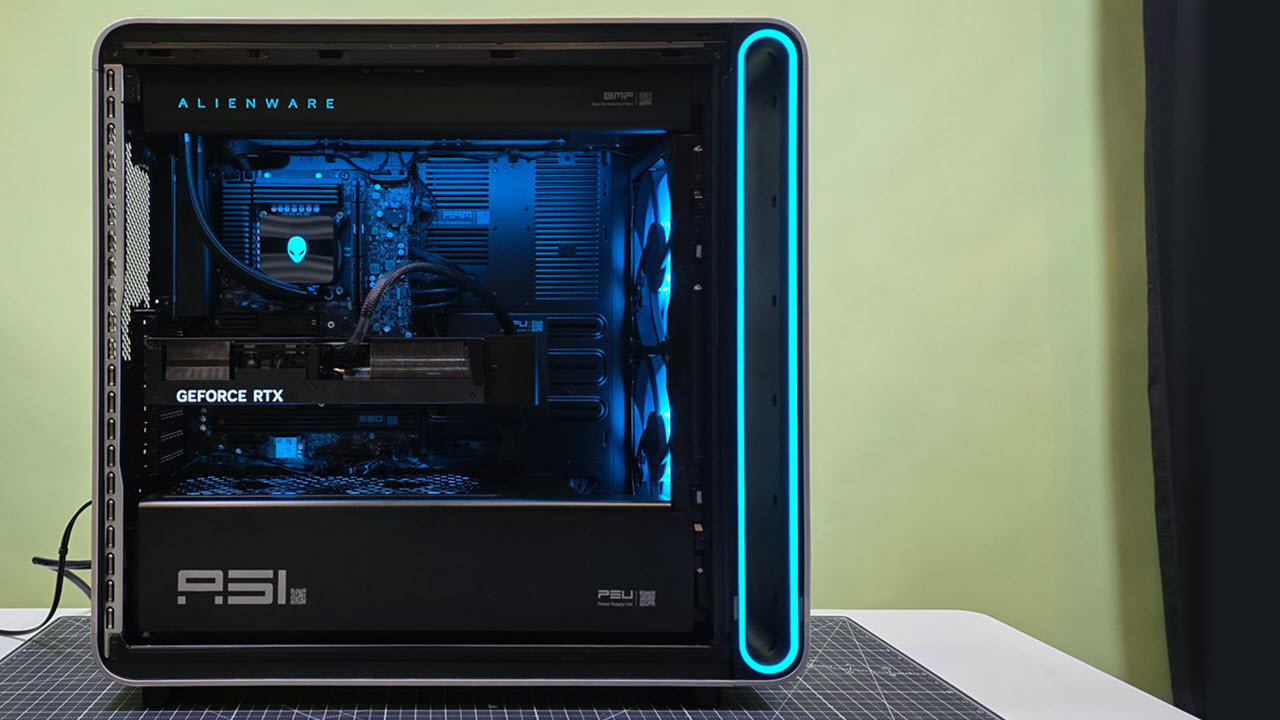
Credit: www.tomshardware.com
Performance Comparison
Deciding between a gaming laptop and a gaming PC can be tough. Both have their strengths and weaknesses. Let’s dive into a performance comparison. Understand what each offers. Make an informed choice.
Processing Power
Gaming PCs often boast more powerful processors. They handle heavy tasks with ease. Laptops, while improving, can lag behind. PCs have room for high-end CPUs. This means smoother gameplay. Laptops balance power with portability. But they might struggle with the latest games.
Graphics Capability
Graphics cards define gaming experiences. PCs can house top-tier GPUs. This enhances visual performance. Laptops have limited space for GPUs. This can limit graphics quality. Yet, newer models show promise. Choose a PC for the best graphics. Or opt for a laptop for gaming on the go.
Cooling Systems
Cooling is crucial for performance. PCs have superior cooling systems. More fans, better airflow, fewer overheating issues. Laptops face challenges with cooling. Their compact design restricts airflow. This can lead to thermal throttling. PCs run cooler for longer gaming sessions.
Portability And Convenience
Choosing between a gaming laptop and a gaming PC involves considering portability and convenience. Both options provide unique advantages for gamers. Understanding these features can help make an informed decision.
Mobility Factor
Gaming laptops offer significant mobility. They are easy to carry around. You can play games wherever you go. This is great for gamers who travel often. Gaming PCs are less portable. They require a dedicated setup space.
Space Requirements
Gaming laptops require minimal space. You only need room for the laptop itself. This is ideal for small apartments or rooms. Gaming PCs need more space. They include monitors, keyboards, and other peripherals. You need a larger desk to accommodate everything.
Ease Of Setup
Setting up a gaming laptop is straightforward. Open the laptop and start gaming. Everything is built-in and ready to use. Gaming PCs involve more effort. You must connect different components. This includes cables and peripherals, which can be time-consuming.
Customization And Upgradability
Choosing between a gaming laptop and a gaming PC involves considering customization and upgradability. These aspects influence gaming experiences and long-term satisfaction. Understanding hardware options and future-proofing possibilities can guide your decision. Component accessibility is another key factor. Each of these elements plays a vital role in shaping your gaming journey.
Hardware Customization
Gaming PCs offer extensive hardware customization. You can select every component to match your preferences. From processors to graphics cards, choices are abundant. This flexibility allows tailoring performance to specific gaming needs. On the other hand, gaming laptops have limited customization. Upgrading internal components often requires professional skills. Most laptops allow only minor changes, such as RAM upgrades.
Future-proofing
Future-proofing is essential for gaming longevity. PCs excel in this area. You can easily replace outdated parts with newer models. This ensures compatibility with future games and technologies. Laptops struggle with future-proofing. Their compact design limits upgrades. Built-in components can become obsolete faster. Investing in a gaming PC provides more assurance for future gaming trends.
Component Accessibility
Component accessibility impacts your ability to upgrade. Gaming PCs have easy access to internal parts. This allows quick swaps or replacements. Users can open cases and access components without hassle. Laptops, with their compact design, restrict accessibility. Accessing and replacing parts can be challenging. Specialized tools or skills might be needed for upgrades. This can deter users from attempting changes themselves.
Cost Analysis
Choosing between a gaming laptop and a gaming PC is a decision that often comes down to cost. Understanding the financial aspect can help you make an informed decision that fits your budget and gaming needs. Let’s dive into the cost analysis to see which option might be more economical for you in the short and long term.
Initial Investment
The upfront cost is a major factor to consider. Gaming laptops typically have a higher initial price compared to gaming PCs with similar specs. This is because laptops pack powerful components into a compact design, which often leads to higher manufacturing costs.
Gaming PCs, on the other hand, offer more flexibility with component choices, allowing you to start with a modest setup and upgrade over time. You might pay less initially, but you’ll need to consider additional costs for peripherals like monitors, keyboards, and mice.
Long-term Value
When considering long-term value, gaming PCs often come out ahead. Their modular nature means you can upgrade individual components as needed, extending their lifespan without a complete overhaul.
Laptops, while portable, have limited upgrade options. This means you might face higher costs down the line if you want to keep up with the latest gaming requirements, often necessitating a full replacement sooner than a PC might.
Hidden Costs
Hidden costs can sneak up on you regardless of your choice. For gaming laptops, battery replacement and potential repair costs can add up, especially if the device is frequently moved around.
Gaming PCs can incur hidden costs through increased electricity consumption, especially if you’re running high-powered components. Additionally, cooling systems might need upgrading to prevent overheating in demanding sessions.
Have you considered these aspects in your gaming setup budget? Understanding these cost factors can help you make a smarter choice that aligns with your gaming lifestyle.
Gaming Experience
Choosing between a gaming laptop and a gaming PC can be challenging. Gaming laptops offer portability and space-saving benefits. Gaming PCs, however, deliver superior power and customization options.
The gaming experience is central to choosing between a gaming laptop and a gaming PC. Both platforms offer unique advantages that can transform your gaming sessions. Whether you’re seeking superior graphics or immersive sound, understanding the specifics can guide your decision.
Display Quality
Gaming laptops often come with high-resolution screens, providing crisp visuals. Many offer built-in displays with fast refresh rates, enhancing gameplay fluidity. Gaming PCs typically allow more customization. You can pair them with larger monitors for an expansive view. High-resolution monitors can display more detailed graphics. This can make the virtual world more immersive.
Audio Performance
Audio quality greatly impacts immersion. Gaming laptops often have built-in speakers. These may not match external speaker setups in PCs. PCs allow for advanced sound systems. Connecting surround sound speakers can enrich the gaming experience. With better audio, you can hear subtle in-game cues. This can be crucial for competitive gaming.
Peripheral Support
Gaming PCs generally offer more ports. This supports a wider range of peripherals. You can connect multiple devices like keyboards, mice, and VR headsets. Gaming laptops are more limited in this regard. They may have fewer ports for external devices. This can restrict your ability to use additional gaming gear. PCs can also support complex setups with multiple monitors. This enhances multitasking and gameplay visibility.
Durability And Longevity
Gaming PCs often offer better durability, as their parts can be upgraded easily. Gaming laptops may have limited upgrade options but provide portability.
Durability and longevity are key factors in choosing between a gaming laptop and a gaming PC. These aspects determine how long your device will perform optimally. Let’s explore the build quality, wear and tear, and maintenance needs of each option.
Build Quality
Gaming laptops are compact and lightweight. Their portability often means they face more physical stress. Manufacturers use sturdy materials to protect internal components. Gaming PCs, meanwhile, have robust cases and parts. This allows better airflow and cooling. They can withstand heavy use without overheating. The quality of materials used in PCs is generally superior. This contributes to their extended lifespan.
Wear And Tear
Laptops experience frequent movement and travel. This increases their risk of damage. Hinges and screens are vulnerable parts. Over time, they may require repairs. PCs usually remain stationary. Their components don’t face the same risks. Regular updates keep them performing well. Parts are easily replaceable, reducing wear issues. This makes them a reliable option for long-term use.
Maintenance Needs
Laptops need careful handling and regular cleaning. Dust can affect their performance. Maintenance often requires professional help. PCs allow users to perform maintenance easily. Cleaning and upgrading components is straightforward. This extends their lifespan and performance. Regular checks ensure they stay in top condition. This ease of maintenance is a major advantage.
User Preferences
Choosing between a gaming laptop and a gaming PC often boils down to individual preferences. It’s not just about performance specs or price points; your lifestyle, gaming habits, and personal priorities play significant roles in this decision. Let’s dive into these factors to see where you might lean.
Lifestyle Considerations
Your lifestyle can heavily influence whether a gaming laptop or a PC is the better choice. If you travel frequently or enjoy gaming in various locations, a laptop’s portability is unbeatable. Imagine having the freedom to game at a coffee shop or while visiting friends without lugging around a hefty desktop setup.
On the flip side, if your gaming setup is more permanent and you love customizing your environment, a PC might offer the stability and flexibility you crave. Consider how much you value mobility versus a dedicated space for your gaming needs.
Gaming Habits
Your gaming habits also weigh in on this decision. If you’re the type who enjoys quick sessions between tasks or prefers gaming on-the-go, a laptop’s convenience is hard to beat. You can easily open it up and dive into your favorite game without much fuss.
However, if you’re deeply invested in immersive gaming experiences that require top-notch graphics and seamless performance, a gaming PC could be your best bet. PCs often allow for more extensive upgrades, ensuring you stay ahead in the game world. Think about how much time you spend gaming and the level of experience you seek.
Personal Priorities
Ultimately, what matters most to you? Is it the thrill of high-performance gaming, or the ease of gaming wherever life takes you? If upgrading hardware and pushing performance limits excites you, a gaming PC might align with your priorities.
On the other hand, if your priority is flexibility and you value the ability to game anywhere without compromises, a gaming laptop could be the perfect fit. Reflect on what truly matters in your gaming journey and let that guide your choice.
Have you considered how your personal preferences might shape your gaming setup? It’s a decision that goes beyond specs and prices, diving into what truly enhances your gaming experience.

Credit: www.engadget.com

Credit: www.youtube.com
Frequently Asked Questions
Is A Gaming Laptop Better Than A Pc?
A gaming laptop offers portability, while a PC provides better performance and upgrade options. Laptops are compact, ideal for travel. PCs are customizable, often more powerful. Choose based on your gaming needs, space, and budget. Both have strengths, but PCs generally excel in performance for serious gaming enthusiasts.
Is Buying A Pc Better Than A Laptop?
Buying a PC offers better performance and upgrade options than a laptop. Laptops provide portability and convenience. Choose based on your specific needs and budget.
Does Gaming Pc Last Longer Than Gaming Laptop?
Gaming PCs typically last longer than gaming laptops. They offer better cooling and upgrade options. Desktops are easier to repair, which extends their lifespan. Laptops have compact designs, limiting component upgrades and cooling efficiency. Regular maintenance can enhance durability for both.
Can Gaming Laptops Be Used For Gaming?
Gaming laptops are designed for gaming with powerful processors, high-performance graphics, and ample RAM. They offer portability and immersive experiences, handling demanding games effectively. Enhanced cooling systems maintain optimal performance during long sessions. Suitable for casual and professional gamers, they deliver impressive visuals and smooth gameplay.
Conclusion
Choosing between a gaming laptop and a gaming PC depends on your needs. Portability matters? Opt for a gaming laptop. Value performance and upgrades? A gaming PC might be better. Both options deliver excellent gaming experiences. Budget and lifestyle play big roles in your decision.
Consider space and mobility before buying. A gaming laptop suits travelers. A gaming PC fits well at home. Reflect on what you value most. Both can offer immersive gameplay. Make a choice that aligns with your gaming goals. Enjoy your gaming adventures!