
Are you tired of missing out on your favorite TV shows because of a poor signal? Do you find yourself constantly adjusting your antenna, hoping for a clearer picture?
You’re not alone. Many people face the same frustration. But here’s the good news: finding the best television antenna can change your viewing experience dramatically. Imagine crystal-clear channels, more options than you ever thought possible, and no more interruptions during that nail-biting game or gripping drama.
The right antenna can unlock a world of entertainment without the hefty cable bill. But with so many options out there, how do you choose the best one for your needs? We’re diving deep into what makes a great TV antenna and how you can pick the perfect one for your home. Whether you live in a bustling city or a quiet rural area, there’s an antenna designed just for you. Let’s explore how you can boost your TV signal and enhance your viewing pleasure without breaking the bank. Get ready to transform your television experience!
Choosing The Right Antenna
Selecting the best television antenna depends on location and signal strength. Indoor antennas suit urban areas with strong signals. Outdoor antennas are ideal for rural regions, capturing distant broadcasts efficiently.
Choosing the right television antenna can dramatically enhance your viewing experience. With so many options on the market, it’s crucial to pinpoint the one that suits your specific needs. Whether you’re looking to catch the latest sports game or enjoy a classic movie marathon, the right antenna can make all the difference.
Understanding Your Location
Your location plays a pivotal role in determining the type of antenna you need. Urban areas might have strong signals, while rural regions may require more powerful antennas to capture distant broadcasts. Check your distance from broadcast towers online to guide your choice.
Indoor Vs. Outdoor Antennas
Indoor antennas are convenient and easy to install. They work best in areas with strong signal strength. On the other hand, outdoor antennas, while requiring more effort to set up, can capture signals from far away and are more reliable in weak signal areas.
Consider Signal Interference
Signal interference can hinder your viewing experience. Tall buildings, trees, and even weather conditions can affect your signal. Think about your surroundings and whether they might obstruct your reception. In some cases, a more advanced antenna might be necessary to overcome these obstacles.
Antenna Type And Design
Not all antennas are created equal. Some are designed to pick up specific frequency bands like UHF or VHF. Assess your viewing habits; if you watch channels that broadcast on a particular band, ensure your antenna supports it. Antennas come in various designs, from sleek modern styles to more traditional looks, so choose one that fits your aesthetic and technical needs.
Budget Considerations
Price can often be a deciding factor. While it’s tempting to opt for a budget-friendly option, sometimes investing a bit more can yield better performance and longevity. Balance your budget with the features you need for optimal viewing. Ask yourself: What do you value most in your TV watching experience? Clarity, variety, or ease of use? Your answer will guide you toward the right antenna choice.
Indoor Antennas
Indoor antennas are a popular choice for those looking to cut the cord and enjoy free over-the-air television. These antennas are perfect for those living in urban areas or places with limited outdoor space. They offer a convenient solution for accessing a variety of channels without the need for a costly cable subscription.
Compact Designs
One of the biggest advantages of indoor antennas is their compact design. They are sleek, lightweight, and can easily blend into your home decor without being obtrusive. You can place them behind your TV, on a shelf, or even mount them on the wall.
The compact nature makes them ideal for small apartments or rooms where space is limited. Plus, if you ever need to move the antenna, it’s as simple as picking it up and relocating it to another spot.
Ease Of Installation
Installing an indoor antenna is a breeze. You don’t need any special tools or technical knowledge. Most models come with a simple plug-and-play setup.
Just connect the antenna to your TV, perform a channel scan, and you’re ready to watch your favorite shows. This ease of installation makes indoor antennas a great option for anyone, regardless of technical skill.
Signal Range
While indoor antennas are convenient, their signal range can vary. It’s important to choose an antenna with a range that suits your location. Some models offer a range of up to 50 miles or more, which is great for picking up distant signals.
However, factors like building materials and nearby obstructions can affect performance. Consider your environment and read reviews to find the best antenna for your needs. Have you ever had to move your antenna around the room to find the perfect spot? That’s a common challenge, but with a little patience, you can usually find the sweet spot for optimal reception.
Outdoor Antennas
Outdoor antennas offer excellent reception for television signals. They capture channels from greater distances, providing clear picture quality. Selecting the best television antenna depends on location, signal strength, and desired channels.
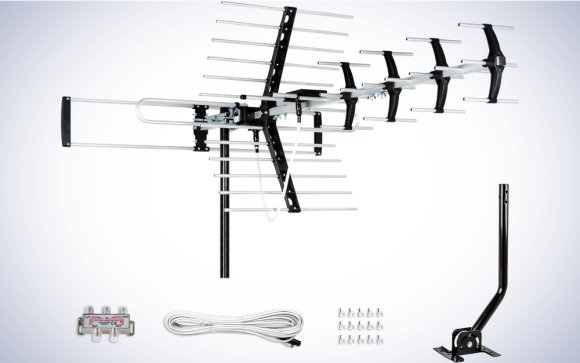
Outdoor antennas are a fantastic choice for those looking to capture television signals from afar with minimal interference. Unlike their indoor counterparts, outdoor antennas offer a broader range and stronger reception, making them a popular choice for rural areas or places with weak broadcast signals. However, choosing the best outdoor antenna involves considering several crucial factors.
Durability Factors
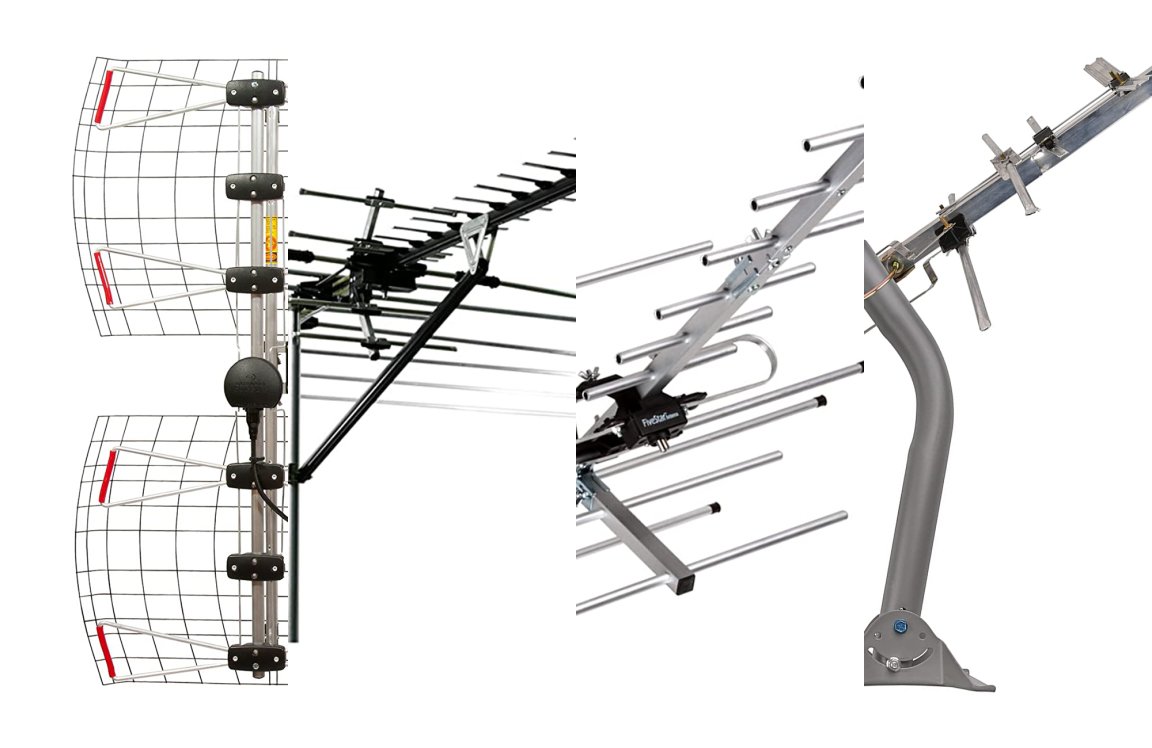
When selecting an outdoor antenna, durability is a key consideration. Outdoor antennas are exposed to the elements, including wind, rain, and snow, which can affect their performance over time. Look for antennas made from high-quality materials like stainless steel or heavy-duty plastic. These materials withstand harsh weather conditions better than others. Consider the antenna’s design. Some models are specifically engineered to be more aerodynamic, reducing wind resistance and potential damage.
Installation Challenges
Setting up an outdoor antenna can be a daunting task. Unlike indoor antennas, outdoor models require precise placement to maximize signal reception. Make sure you have the necessary tools and a clear understanding of the installation process. It might be worth watching a few instructional videos before starting. Think about the height and location. Mounting your antenna as high as possible, away from obstructions like trees and buildings, can significantly improve signal quality.
Enhanced Signal Strength
Outdoor antennas typically offer enhanced signal strength compared to indoor models. This is due to their ability to capture signals from greater distances and with fewer obstacles. Consider the gain of the antenna, which is often measured in decibels (dB). A higher gain indicates stronger signal reception. Directional antennas, which focus on signals from a specific direction, can offer even better performance. They are ideal if you know the location of the broadcast towers. Have you ever thought about the impact of your antenna’s position on signal strength? A small adjustment can sometimes make a big difference in reception quality. Choosing the right outdoor antenna requires a bit of research and consideration. But with the right information, you can enjoy crystal-clear TV signals without the monthly cable bill.
Amplified Vs. Non-amplified
Choosing the best television antenna depends on signal strength needs. Amplified antennas enhance weak signals, ideal for distant channels. Non-amplified antennas suit areas with strong signal proximity, offering clear reception without extra boost.
The debate between amplified and non-amplified television antennas is central to choosing the right option for your home. Amplified antennas promise enhanced signal reception, possibly offering clearer picture quality and access to more channels. Non-amplified antennas, on the other hand, might rely solely on their design and placement to capture signals effectively. But how do you decide which is best for you?
Signal Boosting Features
Amplified antennas come equipped with built-in signal boosters. These are designed to enhance weak signals, especially beneficial if you live far from broadcast towers. The booster can significantly improve reception, reducing the frustrating pixelation that sometimes occurs. Non-amplified antennas, while lacking this feature, can still perform exceptionally well if you live in an area with strong signal coverage. Their simplicity means fewer components to worry about, making them a reliable choice if you’re close to the city center.
Power Requirements
Amplified antennas need a power source to operate their signal booster. This typically involves plugging them into a power outlet or using USB power from your TV. This might mean additional cords, but the improved signal quality could be worth the hassle. Non-amplified antennas require no power, making them convenient and easy to set up. This simplicity means you can place them almost anywhere without worrying about finding an available socket. However, their effectiveness is largely dependent on your geographical location. Would you sacrifice convenience for potentially better reception? Or does simplicity win for you? Consider your living situation and decide which type best fits your needs.
Directional Vs. Omnidirectional
Choosing the best television antenna involves understanding directional and omnidirectional options. Directional antennas focus on signals from one direction, offering better reception. Omnidirectional antennas capture signals from all directions, providing flexibility.
In the world of television antennas, two main types stand out: directional and omnidirectional. Choosing between them depends on your specific needs and location. Each offers unique benefits, impacting how you receive television signals. Understanding these differences can enhance your viewing experience.
Targeted Signal Reception
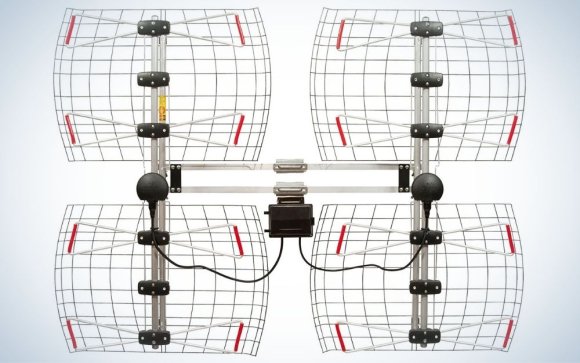
Directional antennas focus on signals from a specific direction. This makes them ideal for areas with one main broadcast tower. They capture signals with precision, reducing interference from other directions. This can lead to a clearer picture and more reliable reception. Aligning them correctly is crucial for optimal performance.
Multi-directional Coverage
Omnidirectional antennas, on the other hand, receive signals from all directions. They work well in areas surrounded by multiple broadcast towers. You don’t need to aim them precisely, which simplifies installation. While they offer convenience, signal strength might be weaker than directional antennas. This can be an issue in areas with weak signals. Choosing between these types depends on your location and signal needs. Understanding your surroundings and the distance to broadcast towers can guide your decision.
Credit: www.popsci.com
Popular Brands And Models
Choosing the right television antenna can transform your viewing experience. Popular brands offer diverse models, catering to different needs and budgets. Let’s explore some notable brands and models that stand out.
Best-sellers
Several antenna models dominate the market due to their performance and reliability. Here are some top-selling options:
- RCA ANT751E Outdoor Antenna:Known for its wide reception range and durability.
- Winegard Elite 7550:Offers excellent HDTV reception with minimal interference.
- ClearStream Eclipse:Popular for its sleek design and strong signal reception.
- Channel Master CM-4228HD:Ideal for both urban and rural settings.
- Mohu Leaf Metro:Compact and perfect for city apartments.
Customer Reviews
Customer feedback provides valuable insights into an antenna’s performance. Here’s what users say:
- RCA ANT751E:Users appreciate its sturdy build and consistent signal strength.
- Winegard Elite 7550:Praised for delivering crystal-clear picture quality.
- ClearStream Eclipse:Customers love its simple installation and reliable reception.
- Channel Master CM-4228HD:Users highlight its adaptability to various environments.
- Mohu Leaf Metro:Reviewers note its portability and ease of setup.
Installation Tips
Selecting the right television antenna requires considering your location and signal strength. Position the antenna near windows for better reception. Adjust the antenna direction to maximize signal clarity, ensuring optimal viewing experience.
Installing a television antenna can be a game-changer for your viewing experience, but the process often raises questions. Where should you place it? How can you avoid interference? Here are some practical tips that can help ensure you get the best reception possible.
Optimal Placement
The placement of your antenna is crucial for clear reception. Higher is better—consider mounting it on your roof or in your attic. If those aren’t options, try a window facing the broadcast towers. Make sure there are minimal obstructions between the antenna and the towers. Trees, buildings, and even mountains can block signals. A good compass app on your phone can help you find the direction of the nearest broadcast tower.
Avoiding Interference
Interference can disrupt your signal, leading to frustrating viewing experiences. Keep your antenna away from metal objects and electronics like microwaves and routers, which can interfere with signal reception. You might be surprised to learn that even your home’s wiring can cause issues. If possible, keep the antenna away from walls that have a lot of electrical wiring. Experimentation can be key here. Move the antenna around and check signal strength with each placement. Sometimes, a small adjustment can make a big difference. By following these tips, you’re more likely to enjoy crisp, clear channels without the headache of poor reception. Have you found a unique spot that works best for your setup? Share your experiences and help others find their perfect signal sweet spot!
Credit: www.popsci.com
Price Considerations
Choosing the right television antenna involves balancing quality and cost. Price considerations play a crucial role in your decision. Whether you’re looking for budget-friendly options or premium features, understanding the price range helps you make an informed choice. Below, we explore various aspects of antenna pricing to guide you.
Budget-friendly Options
Affordable antennas offer decent performance without breaking the bank. Many budget antennas provide good reception for local channels. They are simple to install and often come with basic features. Look for antennas with a strong reputation and positive customer reviews. These options are perfect for those who want to save money while enjoying TV.
Premium Features
Premium antennas come with advanced technology for enhanced viewing. These antennas may include features like improved range or multi-directional capabilities. Some models offer smart integration, making setup a breeze. Premium antennas are ideal for those who want top-notch quality and are willing to invest more. Consider your viewing habits and needs when deciding on premium features.
Credit: www.popsci.com
Frequently Asked Questions
What Is The Best Tv Antenna To Get The Most Channels?
Choose the ClearStream 2MAX TV antenna for optimal channel reception. It offers a 60-mile range and multidirectional capabilities. Installation is easy, providing access to numerous channels without hassle. Ensure it’s placed in a high location for the best signal. Suitable for both urban and rural areas.
Is There A Tv Antenna That Really Works?
Yes, many TV antennas effectively receive signals. Choose one suited for your location and signal range. Popular models include Mohu Leaf and ClearStream antennas. Ensure proper installation for optimal performance. Check reviews and specifications to find the best option for your needs.
Do More Expensive Tv Antennas Work Better?
More expensive TV antennas can offer better performance due to superior materials and technology. Signal quality depends on location and installation. It’s essential to choose an antenna that matches your specific needs and environment. Always compare features, reviews, and specifications before purchasing.
Does A Free Tv Antenna Really Work?
Yes, a free TV antenna works by capturing over-the-air broadcasts. It provides access to local channels. Placement and signal strength affect performance. Ensure compatibility with your TV for best results. Consider signal boosters for improved reception.
Conclusion
Choosing the best TV antenna enhances your viewing experience. Consider your location first. Urban areas may require different antennas than rural areas. Check signal strength in your area. This helps find the right antenna type. Remember, size matters. Bigger antennas often capture more signals.
Indoor antennas work well in cities. Outdoor antennas suit suburban or rural areas. Read user reviews for real insights. Installation ease is important too. Reliable antennas should be easy to set up. Quality antennas provide clearer images and better sound.
Explore various options, find the antenna that fits your needs. Enjoy your favorite shows with better reception!