
Choosing the best television service provider can feel like a daunting task, especially with so many options available. You want to enjoy your favorite shows and movies without any hassle or interruption, right?
Imagine having access to a vast array of channels, crisp picture quality, and reliable customer service, all tailored to your viewing preferences. This article is here to guide you through the maze of television service providers, helping you find the perfect fit for your home entertainment needs.
Dive in to discover which provider can offer you the best value, the widest selection of channels, and the most seamless viewing experience. Don’t miss out on transforming your TV time into something truly spectacular.

Credit: www.cnet.com
Cable Vs. Satellite Providers
Choosing between cable and satellite television service providers can feel like a daunting task. Both options offer unique advantages, tailored to different viewing needs and lifestyles. Whether you prioritize reliability, flexibility, or picture quality, understanding these differences will guide you to the right choice.
Advantages Of Cable
Cable television is often praised for its reliability. Unlike satellite, cable connections are less susceptible to weather disruptions. Remember that stormy day when your satellite service went out? Cable might have been your saving grace.
Additionally, cable providers often bundle services. You can enjoy television, internet, and phone services—all on one bill. Convenient, right? Plus, cable installations are generally quicker and more straightforward, making it a hassle-free option.
Do you value local channels and community broadcasts? Cable excels in offering a diverse range of local programming, keeping you connected to regional news and events.
Benefits Of Satellite
Satellite television shines with its extensive channel offerings. If you’re a fan of niche channels or international programming, satellite might be your best bet. It opens up a world of content that cable may not provide.
Moreover, satellite services often deliver superior picture quality. High-definition and even 4K channels are more prevalent, making it perfect for cinephiles who crave stunning visuals.
Live in a rural area? Satellite has your back. Its wide-reaching coverage means you can access top-tier services even in remote locations, where cable infrastructure might be limited.
So, which provider aligns with your viewing habits? Consider what matters most to you—be it reliability, channel variety, or picture quality—and make your choice accordingly.
Credit: medium.com
Streaming Services Revolution
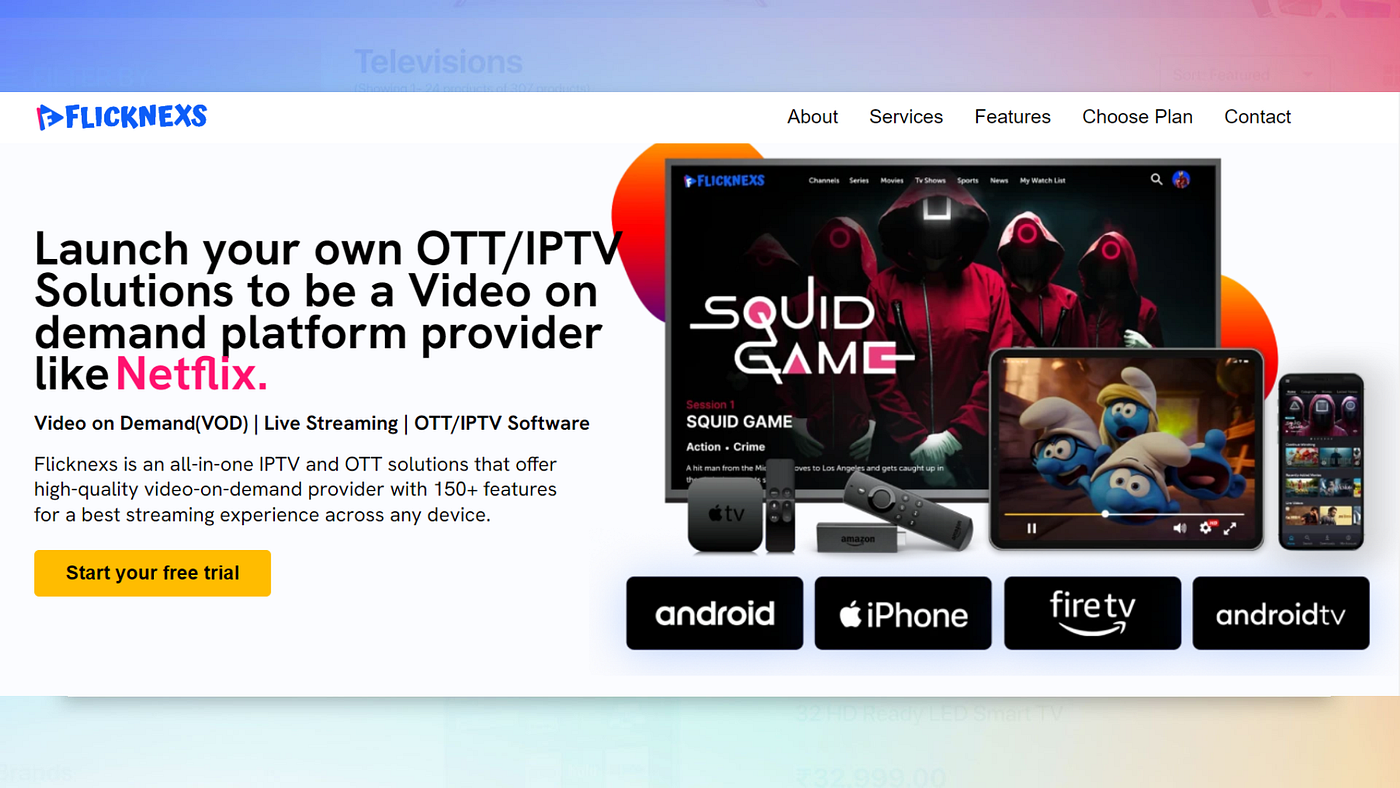
The shift from traditional cable TV to streaming services has truly changed the way we consume entertainment. With just a click, you can access a vast library of shows, movies, and documentaries tailored to your taste. This flexibility and convenience have made streaming the go-to choice for many households.
Popular Streaming Platforms
When talking about popular streaming platforms, names like Netflix, Hulu, and Disney+ often top the list. Each offers a unique blend of content. Netflix, for example, is renowned for its original series like “Stranger Things” and “The Crown”. Disney+ appeals to families with its collection of Disney classics and Marvel movies. Hulu provides a mix of current TV episodes and original content.
But it’s not just about the big names. Services like Amazon Prime Video and HBO Max offer their own exclusive content, including hit shows like “The Boys” and “Game of Thrones”. Consider what type of content you enjoy most when choosing a platform. Do you prefer original series, blockbuster movies, or current TV shows?
Cost Comparison
Understanding the cost of these services is crucial to making the right choice. Streaming services usually offer monthly subscription plans. Netflix offers several tiers, starting from around $9.99 for basic streaming, while Disney+ charges about $7.99 per month.
Hulu provides both ad-supported and ad-free options, with prices ranging from $6.99 to $12.99. Amazon Prime Video is part of the Amazon Prime membership, which costs $14.99 monthly, but also includes other benefits like free shipping.
Compare these costs to your current cable bill. You might find that switching to streaming not only offers more content tailored to your preferences but can also save you money.
What do you value more—exclusive content, current TV shows, or a mix of everything? Understanding your preferences and budget can help you choose the best streaming service for your needs.
Features To Consider
Choosing the best television service provider can be challenging. Many options are available. To make an informed decision, consider key features. These features ensure you get the best value for your money. Focus on picture quality, channel selection, and on-demand options.
Picture Quality
Picture quality greatly impacts your viewing experience. High-definition (HD) channels offer crisp images. Some providers also offer 4K Ultra HD. This delivers even more detail and clarity. Compare resolution and clarity among providers. Pay attention to the difference in picture quality. It can vary between cable, satellite, and streaming services.
Channel Selection
Channel selection is crucial. Different providers offer varying channel bundles. Some focus on sports, others on entertainment or news. Make a list of must-have channels. Check which provider offers them. Consider international channels if needed. Local channels are important too. They keep you connected to community events and news.
On-demand Options
On-demand options give flexibility. Watch shows and movies anytime. Providers offer extensive on-demand libraries. Compare the variety of content available. Some include popular movies and recent TV shows. Others offer exclusive programming. Check if the service offers ad-free viewing. This enhances the viewing experience.

Credit: www.forbes.com
Customer Service And Reliability
Choosing the best television service provider often hinges on customer service and reliability. These two factors play a crucial role in determining user satisfaction. A provider’s ability to assist promptly and efficiently makes a difference. Reliability ensures uninterrupted viewing experiences. This section explores these aspects to help you make an informed decision.
Technical Support
Technical support is the backbone of customer service. Providers should offer 24/7 assistance. Prompt help during service issues builds trust. Many providers offer multiple contact options. Phone, chat, and email support are common. Quick response times are essential. Knowledgeable staff can resolve issues fast. Well-trained support teams enhance user experience. Ratings and reviews often reflect support quality. A provider’s reputation hinges on technical support.
Service Interruptions
Service interruptions can be frustrating. Reliability means fewer disruptions. Providers should minimize downtime. Regular maintenance is necessary. However, it should be scheduled during low-usage times. Notifying users in advance is important. This helps manage expectations. Backup systems can prevent interruptions. Reliable providers have plans for unexpected issues. Reviews often highlight interruption frequency. Choosing a provider with fewer interruptions is wise.
Pricing And Packages
Exploring television service providers? Compare pricing and packages to find the best fit for your needs. Consider channel options, contract terms, and customer service to make an informed choice.
Choosing the right television service provider can be a daunting task. With myriad options available, understanding pricing and packages is crucial. You want a service that fits your budget while offering the channels and features that matter most to you. Let’s dive into the different pricing tiers and package options to help you make the best decision.
Budget-friendly Options
If you’re looking to save money, consider providers that offer basic packages with essential channels. Many companies have entry-level plans that deliver popular networks like ABC, NBC, and CBS. Some providers even offer streaming services with competitive pricing, ideal for those who don’t need extensive sports or premium channel line-ups. Look for deals that include free trials or promotional rates for new subscribers. Ask yourself: do you really need the hundreds of channels, or would a streamlined package suffice? Opting for a budget-friendly plan can free up funds for other entertainment expenses.
Premium Packages
For those who want the ultimate viewing experience, premium packages might be the way to go. These often include exclusive channels, live sports, international networks, and on-demand options. Some providers bundle internet services with premium TV packages, offering a comprehensive media solution. Look for features like DVR services and high-definition channels to enhance your viewing experience. Evaluate the additional perks—are they worth the extra cost? If premium content is a priority, investing in a top-tier package could be a rewarding choice.
Regional Availability
Choosing the best television service provider can be a challenge, especially when regional availability varies widely. Whether you live in a bustling city or a quiet rural town, the options available to you may differ significantly. Understanding these differences can help you make a more informed decision.
Urban Vs. Rural Services
In urban areas, you often find a plethora of choices for television service providers. High-speed internet and cable services are more readily accessible due to better infrastructure. Providers like Comcast and AT&T tend to dominate these markets, offering competitive packages and bundles that cater to a tech-savvy crowd.
Rural regions, however, face unique challenges. Limited infrastructure can restrict options, leading to higher reliance on satellite services like DirecTV or DISH. These providers offer expansive coverage, but often at a higher cost. Are the perks of satellite services enough to outweigh potential drawbacks like weather interference?
International Providers
For those who crave international content, options can vary based on your location. Providers like Sling TV and YouTube TV have made strides in offering a variety of channels globally. However, licensing restrictions can limit access to certain programs and networks outside of your region.
Consider the importance of international news or cultural shows in your viewing habits. Does your current provider meet these needs, or should you explore other options that might better cater to your global interests?
User Reviews And Ratings
Choosing the best television service provider can be challenging. User reviews and ratings play a crucial role in decision-making. They provide real-life experiences and insights from actual users. Consumers often rely on these reviews to understand service quality and customer support.
Consumer Feedback
Consumer feedback gives a firsthand account of service reliability. It highlights what users love and dislike about a provider. Many reviews focus on channel selection, picture quality, and pricing. Look for comments on installation experiences and customer service interactions. Positive feedback usually indicates a provider that meets user expectations.
Expert Evaluations
Expert evaluations offer a professional perspective on television service providers. These reviews often compare technical aspects and features. Experts assess coverage areas, equipment quality, and service plans. They also consider the provider’s reputation and market presence. Expert ratings can help understand how a provider stands against competitors.
Future Of Television Services
Choosing the best television service provider shapes the future of TV entertainment. Streaming platforms offer vast libraries and flexible pricing. Cable services maintain strong connections with local and live programming.
The future of television services is not just about bigger screens and sharper images. It’s about how technology is transforming the way you consume content. From interactive features to personalized viewing experiences, the television landscape is rapidly evolving.
Emerging Technologies
Television is no longer confined to a static screen in your living room. With the advent of Smart TVs, you can now stream content directly from the internet, bypassing traditional cable altogether. Virtual reality (VR) and augmented reality (AR) are also making their way into TV services, promising to offer immersive experiences right from your couch. AI-driven recommendations are making it easier for you to discover shows tailored to your tastes. Imagine a future where your television understands your mood and suggests content accordingly. These emerging technologies are not just futuristic concepts but are being integrated into services you might already use.
Market Trends
The way you subscribe to television services is changing. Subscription-based models are giving way to more flexible options. Pay-as-you-go and a la carte services let you pay only for the content you actually watch. Cord-cutting is on the rise as viewers move away from traditional cable packages. Streaming giants like Netflix and Disney+ are not only changing how you watch but also what you watch, producing original content that rivals traditional networks. This shift is forcing traditional providers to rethink their strategies and offerings. Are you ready to embrace these changes, or do you prefer the familiarity of conventional services? As the market continues to evolve, your choices will only expand, giving you more control over your viewing experience.
Frequently Asked Questions
Which Tv Service Provider Is Best?
The best TV service provider varies based on your needs. Popular options include Netflix, Hulu, and Amazon Prime for streaming. For cable, consider Xfinity or Spectrum. Evaluate content, pricing, and availability in your area. Check customer reviews for insights on reliability and service quality.
What’s The Best Subscription Tv Service?
Netflix is the best subscription TV service for diverse content and user-friendly experience. It offers original shows, movies, and documentaries across genres. The platform supports multiple devices and provides flexible pricing plans. Streamers enjoy high-quality content and constant updates, making it a top choice for entertainment.
What Is The Least Expensive Way To Watch Tv?
Streaming services like Netflix or Hulu are cost-effective options for watching TV. Many offer free trials. Consider using free platforms such as Pluto TV or Tubi for budget-friendly entertainment. Use a digital antenna to access local channels without a subscription.
What Is The Lowest Cost Tv Provider?
Philo is often considered the lowest cost TV provider. It offers affordable packages with popular channels. Sling TV is another budget-friendly option with customizable plans. Pricing can vary, so comparing current offers is crucial for finding the best deal. Always check for promotions or discounts to save money.
Conclusion
Choosing the best television service provider involves careful consideration. Think about your viewing habits and budget. Different providers offer varied channel packages and features. Consider customer service and reliability too. Reviews can offer helpful insights. Compare online and offline deals to find the best option.
Always check for any hidden fees. A flexible plan can be beneficial if your needs change. Remember, what’s best for one person might not be ideal for another. Take your time and make a choice that fits your needs. Happy viewing!