
Are you running out of space on your computer, struggling to manage your growing collection of files, photos, and videos? You’re not alone.
With the increasing amount of digital content we all generate daily, finding the right storage solution becomes essential. That’s where external hard drives come into play, offering a simple and efficient way to store your data securely. But here’s the real question: What’s the biggest external hard drive available right now?
Imagine never having to worry about running out of space again. Imagine having all your important files, cherished memories, and work projects stored safely in one place. Wouldn’t that be a game-changer for you? We’ll explore the largest external hard drives on the market, helping you discover the best option to meet your needs. Stay with us, and you’ll be equipped with everything you need to make an informed decision and reclaim control over your digital life.
Understanding External Hard Drives
External hard drives offer a convenient way to store data. They provide additional space without opening your computer. These drives connect through USB or other ports. This portability makes them popular for backups and transfers.
Deciding on the right external hard drive involves understanding types and features. Each type has unique benefits. Features vary, affecting performance and usability. Let’s explore these aspects further.
Types Of External Hard Drives
External hard drives come in several forms. The most common types are HDDs and SSDs. HDDs use spinning disks to read and write data. They offer large storage at a lower price. SSDs use flash memory, providing faster speeds. They are more durable but often cost more.
Portable drives are small and easy to carry. Desktop drives are larger and offer more storage. Wireless drives let you connect without cables. Each type serves different needs.
Key Features To Consider
Storage capacity is crucial. It determines how much data you can store. Look for at least 1TB for basic needs. Speed affects how fast you access and transfer files. SSDs usually have faster speeds.
Consider the connection type. USB 3.0 and USB-C are common and fast. Check compatibility with your devices. Durability is important if you travel often. Some drives have shock resistance.
Security features protect your data. Some drives offer encryption. Others come with backup software. Choose a drive that meets your security needs.
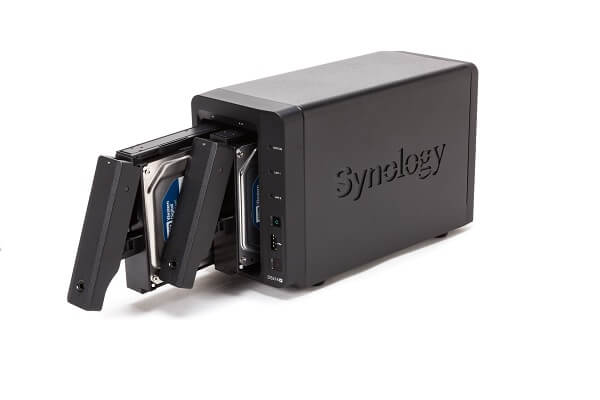
Credit: recoverit.wondershare.com
Current Largest External Hard Drives
External hard drives have grown in capacity over the years. Today, they offer incredible storage solutions. These storage giants cater to data-heavy users. Whether for personal or professional use, high-capacity drives are essential. Let’s delve into the current largest external hard drives available.
Top Brands Offering High Capacity
Western Digital leads in offering large external drives. They provide robust storage solutions. Seagate follows closely with its high-capacity models. Both brands ensure reliability and speed. Samsung also stands out with its innovative designs. These brands deliver top-notch performance for data storage needs.
Comparison Of Storage Capacities
Western Digital offers drives up to 20TB. Seagate matches this with similar capacities. Samsung, though slightly behind, provides solid options. The differences lie in design and additional features. Each brand caters to different user preferences. Consider speed, durability, and price when choosing.
Factors Influencing Choice
Choosing the right external hard drive can be daunting, given the myriad of options available. What factors should you consider to ensure you make the best choice? From data transfer speed to build quality, each aspect plays a crucial role in how well the hard drive serves your needs. Let’s explore these factors and see how they impact your decision.
Data Transfer Speed
Speed matters when you’re transferring large files or backing up your system. Imagine waiting hours just to move your holiday photos. Not fun, right? Look for drives with USB 3.0 or USB-C interfaces. They offer faster speeds compared to older standards like USB 2.0. It’s like upgrading from dial-up to broadband—once you experience the difference, you won’t go back.
Durability And Build Quality
Ever dropped a device and felt that heart-stopping moment wondering if it survived? Your hard drive should be resilient against such mishaps. Opt for drives with sturdy casings and shockproof features. Some even come with water-resistant capabilities. It’s about peace of mind; knowing your data is safe, even if life gets a bit bumpy.
Compatibility With Devices
Have you ever bought a gadget only to realize it doesn’t work with your setup? Frustrating, isn’t it? Ensure the hard drive is compatible with your devices—be it Windows, Mac, or Linux. Check if it supports cross-platform use if you switch between different operating systems. It’s like buying a universal remote; one device to rule them all.
When choosing an external hard drive, what matters most to you? Speed, durability, or versatility? By focusing on these factors, you’ll find a drive that fits seamlessly into your digital life. Make an informed choice today, and keep your data secure and accessible.

Credit: www.youtube.com
Benefits Of Large-capacity Drives
Imagine having all your digital treasures accessible at your fingertips. Large-capacity external hard drives offer you this convenience. They provide vast storage space, ensuring you never have to delete valuable files or memories to make room for new ones.
These drives are essential for anyone dealing with large files, like videos and high-resolution photos. They also offer peace of mind, knowing your data is safe and secure. But what specific advantages do they bring to your daily life?
Ideal Use Cases
Large-capacity drives are perfect for photographers and videographers. They allow you to store thousands of high-resolution images without worrying about running out of space. Think about the last time you had to delete files just to accommodate new ones. With ample storage, you can keep everything.
Gamers also benefit greatly. Modern games can take up significant space, sometimes exceeding 100GB each. Having a large-capacity drive means you can install and play multiple games simultaneously without sacrificing performance. Consider how much smoother your gaming experience could be with all games readily available.
Businesses can use them to store critical data backups. You can keep years of financial records, client databases, and project files securely stored without the need for constant file management. Wouldn’t it be great to focus more on your business operations rather than data storage concerns?
Cost Efficiency Over Time
Investing in a large-capacity drive might seem pricey initially. However, it saves money over time by eliminating the need for multiple smaller drives. This consolidation reduces clutter and increases efficiency. Have you ever added up the costs of multiple smaller drives?
A single large-capacity drive also reduces the risk of losing data spread across multiple devices. It’s easier to manage and secure your information when it’s all in one place. Imagine the relief of knowing all your data is safe and easily accessible.
Additionally, these drives often have lower long-term maintenance costs. They are built to handle significant data loads, reducing wear and tear. How much time and money could you save by avoiding frequent replacements?
In essence, large-capacity drives offer practical solutions for anyone who values their digital assets. They enhance productivity, provide peace of mind, and prove cost-efficient. What’s stopping you from upgrading your storage game today?
Future Of External Storage
The future of external storage is shaping up to be as exciting as it is pivotal. As digital footprints grow larger, the demand for bigger, faster, and more reliable storage solutions intensifies. But what exactly does the future hold for external hard drives? Let’s dive into emerging technologies and predictions for capacity growth.
Emerging Technologies
Imagine a world where your external hard drive is not just a storage device, but a dynamic component of your digital ecosystem. Emerging technologies are set to transform this vision into reality. Think about the rise of SSDs that offer faster data transfer rates and enhanced durability compared to traditional HDDs.
Moreover, quantum storage and DNA data storage are no longer just concepts in a lab. These technologies promise astronomical storage capacities in minuscule spaces. Picture storing the entire Library of Congress in a device no larger than a sugar cube!
Then there’s the potential of wireless data transfer, eliminating the need for cumbersome cables. How would a completely wireless setup change your workspace and mobility?
Predictions For Capacity Growth
As files get larger and more complex, capacity growth is non-negotiable. Experts predict that by 2030, we might see external hard drives with capacities exceeding several petabytes. This means storing years’ worth of data, videos, and photos without a second thought.
Manufacturers are racing to outdo each other, pushing boundaries to offer more space without compromising on speed. For instance, Seagate and Western Digital are already experimenting with HAMR and MAMR technologies to boost capacity limits.
However, more space raises questions about data management. How will you efficiently organize and access such vast amounts of information? Will this require a shift in how you think about data storage?
Future-proofing your data storage solutions now can save headaches down the line. It’s a thrilling time to be a part of this digital evolution, and the possibilities are as expansive as the storage space itself.
Tips For Maintaining External Hard Drives
External hard drives are essential tools for storing and safeguarding your digital treasures. Whether you’re a photographer with thousands of images or a writer with important documents, maintaining your external hard drive is crucial. Proper care ensures longevity and reliability, helping you avoid data loss. Let’s dive into some practical tips to keep your external hard drive in top shape.
Best Practices For Longevity
Think of your external hard drive as a delicate piece of equipment. Avoid dropping or mishandling it. Keep it on a stable surface when using it. Dust can be a silent enemy; store your hard drive in a clean, dry place to avoid buildup.
Heat is another factor that can shorten your hard drive’s life. Avoid leaving it near a radiator or in direct sunlight. If you notice it getting warm during use, give it a break. Regularly check for updates from the manufacturer to ensure the software runs smoothly.
Regular Backup Strategies
Have you ever lost important files because of a hard drive failure? Regular backups can save you from such headaches. Decide what frequency works best for you: weekly, monthly, or after every major project. Use backup software to automate the process.
Consider using cloud services as a secondary backup. They provide an extra layer of security. Imagine the peace of mind knowing your data is safe even if your hard drive fails. Diversifying your backup strategy can be a game-changer.
By following these practical tips, you can extend the life of your external hard drive and protect your valuable data. What’s your strategy for maintaining your external hard drive?
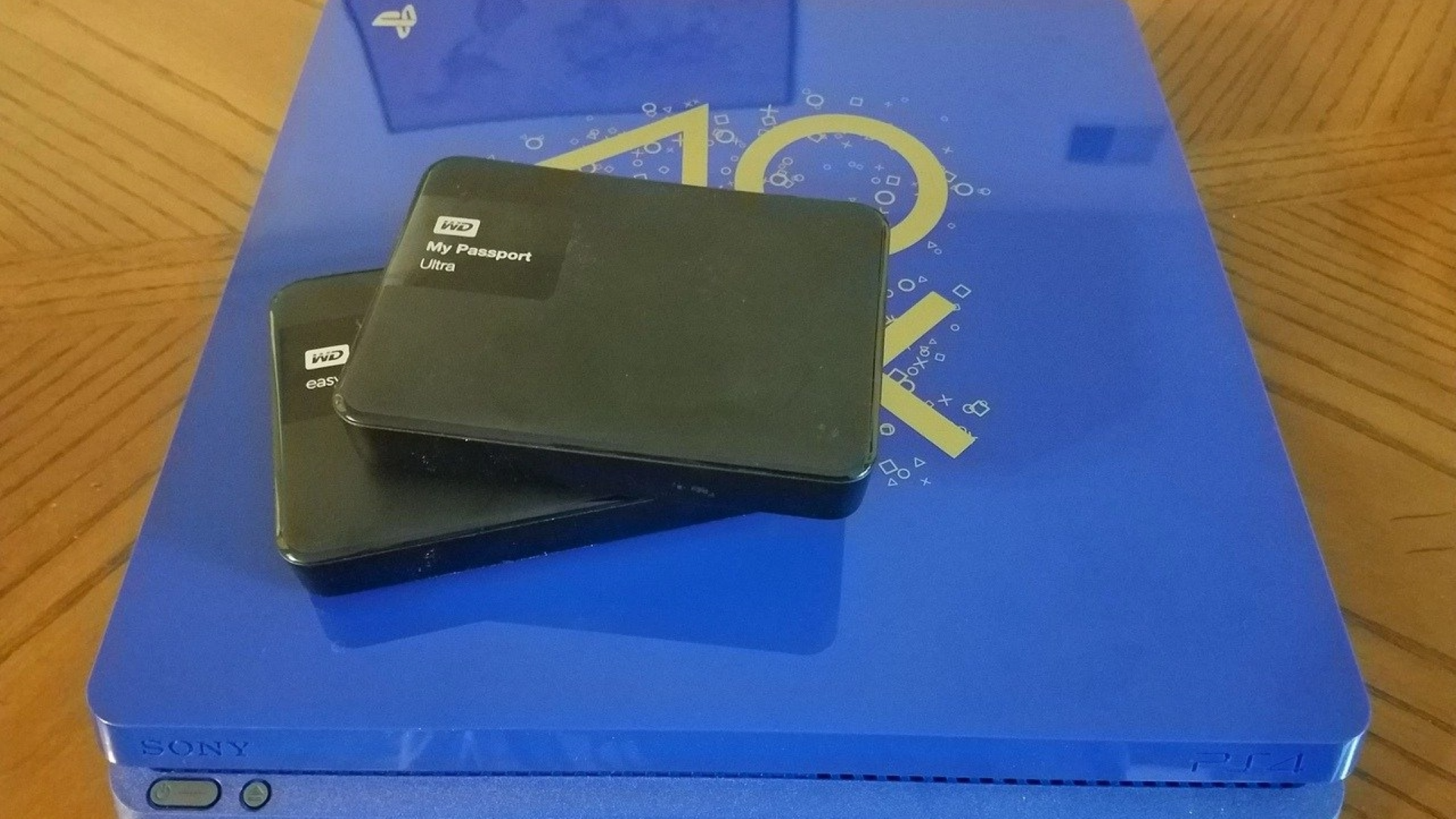
Credit: www.androidcentral.com
Frequently Asked Questions
What Is The Maximum Size Of An External Hard Drive?
External hard drives can reach up to 20TB in size. They offer vast storage for files, backups, and media. Choose a drive based on your storage needs and budget. High-capacity drives are ideal for extensive data storage requirements. Always check compatibility with your device before purchasing.
How Much Does A 100tb Ssd Cost?
A 100TB SSD can cost between $30,000 and $40,000. Prices vary based on brand and features. Always check for the latest pricing and deals.
Is There A 16tb Hard Drive?
Yes, 16TB hard drives are available. They offer extensive storage for data-intensive tasks and are perfect for servers. Brands like Seagate and Western Digital produce reliable 16TB drives. Always ensure compatibility with your system before purchasing.
Which Is Better, 1tb Ssd Or 1tb Hdd?
A 1TB SSD is faster, more durable, and consumes less power compared to a 1TB HDD. SSDs enhance performance, making them ideal for gaming and software applications. HDDs offer a cost-effective solution for storing large volumes of data. Choose based on speed needs and budget.
Conclusion
Choosing the biggest external hard drive can be challenging. Size matters, but so does reliability. Consider how much storage you need. Compare different brands and features. Think about portability if you travel a lot. Check for compatibility with your devices.
Price is important, but don’t sacrifice quality. Read reviews to learn from other users. Remember, a good hard drive protects your data. Invest wisely for peace of mind. Keep your data safe and accessible. With the right drive, you can store everything you need.
Enjoy the freedom of ample storage space. Make an informed decision today.