
Imagine a world where every interaction with law enforcement is transparent and accountable. Wearable police cameras are at the heart of this vision, capturing crucial moments and fostering trust between officers and communities.
But have you ever wondered who is behind these innovative devices? Understanding the companies that make wearable police cameras can give you insight into the technology that shapes safety and security. You’ll discover the key players in the industry and learn what sets their products apart.
With each company offering unique features and capabilities, knowing who makes these cameras can empower you to make informed opinions about their use and impact. Ready to dive in and uncover the minds behind the lens? Let’s explore together.
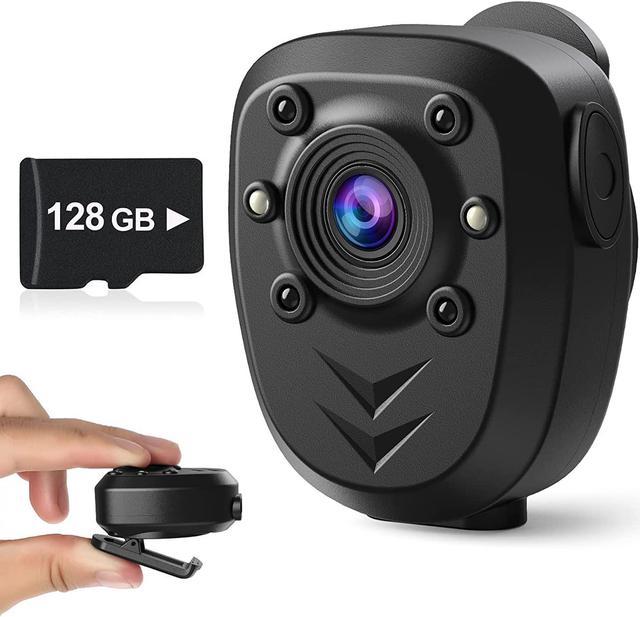
Credit: www.newegg.ca
Leading Brands In Wearable Police Cameras
Wearable police cameras have become essential tools for law enforcement. These devices help officers record incidents clearly and improve accountability. Many companies design and manufacture these cameras with different features and styles. Some brands stand out for their reliability and innovation.
Understanding the leading brands helps departments choose the right wearable camera. These brands offer trusted products used worldwide. They focus on durability, video quality, and ease of use.
Axon
Axon is a top name in body-worn cameras. Their products offer sharp video and secure data storage. The cameras connect with a cloud system for easy access. Many police forces trust Axon for its strong support and updates.
Watchguard
WatchGuard builds rugged cameras designed for tough conditions. Their cameras provide clear audio and video. The brand offers good battery life and fast data upload. WatchGuard’s devices are known for reliability and simple operation.
Motorola Solutions
Motorola Solutions combines communication tools with body cameras. Their products integrate well with radios and software. The cameras are lightweight and easy to wear. Motorola focuses on seamless connectivity and data management.
Reveal
Reveal creates body cameras with strong video encryption. Their cameras have long battery life and wide-angle lenses. Reveal also offers easy software for managing footage. Many users praise Reveal for clear images and solid design.
Vievu (a Motorola Solutions Brand)
Vievu is known for affordable and reliable body cameras. These devices focus on simple use and quick video capture. Vievu cameras provide essential features without extra complexity. They remain popular among smaller police departments.
Features That Set Top Brands Apart
Choosing the right wearable police camera means looking beyond just the brand name. The features these devices offer can make a real difference in your daily work. Top brands stand out by focusing on what truly matters to officers on the ground, from video clarity to data security.
Video Quality And Storage
Clear footage is non-negotiable. Leading brands provide high-definition video—often 1080p or higher—to capture every detail. This level of clarity can be crucial during investigations or court cases.
Storage also varies. Some cameras offer built-in memory, while others use removable cards. You should consider how much footage you need to store before uploading or deleting files to avoid running out of space during a shift.
Durability And Weather Resistance
Your camera needs to handle rough conditions. Top models are built with rugged materials that resist drops, scratches, and impacts. They also come with weatherproof ratings, ensuring they function in rain, snow, or heat without fail.
Have you ever had your equipment fail right when you needed it most? Choosing a durable camera means fewer worries and uninterrupted recording.
Battery Life And Charging Options
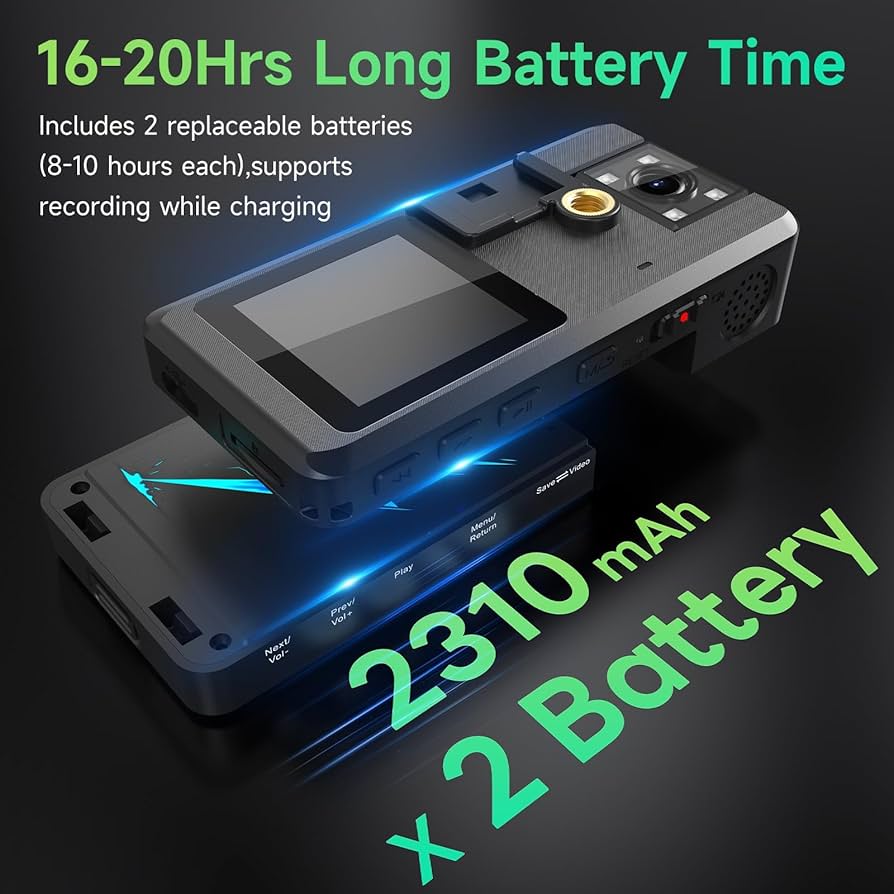
Long battery life ensures your camera lasts through long shifts. The best brands offer devices that run for 8 to 12 hours or more on a single charge. This means less time worrying about power and more focus on your duties.
Charging convenience matters too. Some cameras support fast charging or offer removable batteries. This flexibility lets you swap batteries during breaks, keeping your device ready for action.
User Interface And Ease Of Use
You don’t want to waste time figuring out complicated controls. Top brands design intuitive interfaces with simple buttons and clear indicators. This helps you start, stop, or tag recordings quickly, even under pressure.
Many cameras also include features like voice commands or smartphone apps. These options make managing footage easier and faster, letting you stay focused on the moment.
Data Security And Privacy
How your footage is stored and shared matters more than ever. Leading brands use encrypted storage and secure data transfer protocols to protect sensitive recordings. This prevents unauthorized access and tampering.
Some devices offer automatic upload to secure cloud services. This not only backs up your data but also ensures compliance with privacy regulations. Ask yourself: does your current camera safeguard your footage as well as it should?
Popular Wearable Camera Models
Popular wearable camera models vary widely depending on the needs of law enforcement officers. These devices are designed to capture clear, reliable footage in various situations. Understanding the main types helps you choose the right one for your specific use.
Body-worn Cameras
Body-worn cameras are the most common type used by police officers. They attach to the uniform, usually on the chest or shoulder, providing a clear view of interactions. Brands like Axon and Motorola offer models with high-definition video and audio, ensuring crucial moments are recorded in detail.
Many officers appreciate the ease of use and automatic activation features, which reduce the chance of missing important events. Have you ever wondered how often footage from these cameras influences case outcomes?
Chest-mounted Cameras
Chest-mounted cameras give a stable and centered perspective, ideal for capturing what an officer sees. These are often preferred for their balance between visibility and comfort during long shifts. The Reveal Media and Panasonic models stand out for their durability and battery life.
The location on the chest also protects the camera better than head or shoulder mounts. If you’ve ever worn a backpack, you know how important it is to keep equipment secure and out of the way.
Helmet Cameras
Helmet cameras offer a unique advantage by capturing footage from the officer’s exact point of view. These are especially useful in high-action or tactical situations. GoPro and Sena provide helmet-mounted options known for ruggedness and excellent video quality.
Wearing a helmet camera means your hands stay free, and you get footage that reflects your real-time perspective. How might this angle change the way evidence is reviewed in complex incidents?
Credit: www.amazon.ca
Technology Innovations In Police Cameras
Wearable police cameras have evolved far beyond simple video recorders. The latest technology innovations are shaping how law enforcement agencies capture and use video evidence. These advancements improve officer safety, accountability, and transparency while making the devices easier and smarter to use.
Ai And Facial Recognition
Artificial intelligence now helps police cameras identify faces in real time. This feature can quickly match faces against watchlists or databases, speeding up investigations and alerts.
However, you might wonder about privacy and accuracy concerns. Using AI responsibly means balancing security benefits with ethical use, which is why many manufacturers include strict controls and transparent policies.
Real-time Streaming
Real-time streaming allows live video feeds from body cams to be viewed by command centers during an incident. This capability improves response coordination and officer support.
Imagine being able to see exactly what’s happening at a scene as it unfolds—this can change the outcome of critical situations. Some cameras even integrate with mobile devices, making the live feed accessible on the go.
Automatic Activation Features
Automatic activation triggers the camera to start recording without manual input. For example, a sudden draw of a weapon or a police vehicle’s siren can switch the camera on instantly.
This ensures important moments are not missed, even if the officer is too busy or stressed to press record. You can see how this innovation boosts evidence collection and officer protection simultaneously.
Choosing The Right Brand For Your Department
Choosing the right brand for wearable police cameras is a decision that impacts your department’s efficiency and accountability. It’s not just about picking a popular name; it’s about matching the technology with your team’s needs and resources.
Think about what your officers face daily. Will the cameras hold up in tough conditions? Are they easy to use during high-stress situations? These questions help narrow down your options to the brands that truly fit your department.
Budget Considerations
Your budget sets the stage for what you can afford, but don’t let price alone drive your choice. Cheaper cameras might save money upfront but could lead to higher costs through repairs or replacements.
Look beyond the initial cost to ongoing expenses like storage fees, software subscriptions, and maintenance. Some brands offer flexible payment plans or bundles that might fit your budget better.
Compatibility With Existing Systems
Check if the cameras work smoothly with your current body-worn video software and evidence management systems. Compatibility reduces training time and avoids costly system upgrades.
Ask yourself: will the new cameras integrate with your dispatch and reporting tools? Seamless integration can boost efficiency and ensure that valuable footage is easy to access and manage.
Customer Support And Warranty
Strong customer support can save your department from frustrating downtime. Choose a brand known for responsive service and clear communication.
Pay attention to warranty terms. A solid warranty shows that the manufacturer stands behind their product and can protect your investment against defects or malfunctions.
Future Trends In Wearable Police Cameras
The landscape of wearable police cameras is evolving rapidly. As technology advances, these devices are becoming smarter, more connected, and better at supporting law enforcement in real time. Understanding future trends can help you see how these innovations might impact safety, accountability, and efficiency.
Integration With Body Sensors
Wearable cameras are starting to work alongside body sensors that monitor vital signs like heart rate and stress levels. This combination can alert officers and dispatchers if someone is in distress or under extreme pressure. Imagine a camera that not only records what’s happening but also understands the officer’s physical state to provide timely support.
This integration could help prevent incidents before they escalate. Have you thought about how knowing an officer’s stress level could change the way situations are handled?
Enhanced Data Analytics
Future police cameras will do more than just record footage; they will analyze it in real time. Advanced software can detect unusual behavior, identify faces, and even recognize weapons automatically. This means quicker responses and more accurate reports.
Think about the hours saved by not having to review every second of footage manually. How would having instant insights from your camera footage change your approach to casework?
Improved Connectivity
Connectivity improvements will allow cameras to stream live video directly to command centers without delays or interruptions. Enhanced networks, including 5G, will enable seamless sharing of data between officers and support teams. This ensures that backup arrives faster and decisions are made with the latest information.
Consider the advantage of real-time communication and coordination during critical incidents. How might your safety improve if you were always connected to your team through your wearable camera?
Credit: www.amazon.ca
Frequently Asked Questions
Who Are The Top Makers Of Wearable Police Cameras?
Leading manufacturers include Axon, Motorola Solutions, and Panasonic. These companies provide reliable, high-quality body cameras for law enforcement.
What Features Do Wearable Police Cameras Offer?
They offer HD video, night vision, audio recording, and real-time streaming. Many models include GPS tracking and secure cloud storage.
How Do Wearable Police Cameras Improve Law Enforcement?
They enhance transparency, accountability, and evidence collection. Cameras help reduce complaints and improve officer and public safety.
Are Wearable Police Cameras Used Globally?
Yes, many countries adopt wearable cameras for policing. Usage varies by region, but global demand continues to grow.
Conclusion
Wearable police cameras come from trusted brands known for quality. These devices help officers stay safe and record events clearly. Choosing the right camera depends on features and budget. Many companies compete to offer reliable and easy-to-use options. Understanding who makes these cameras helps you pick the best one.
Clear video and strong durability matter most for police work. This technology supports fairness and transparency in law enforcement. The market keeps growing, with new models every year. Stay informed to find a camera that suits your needs.