
Choosing the right camera lens can feel like a daunting task, especially with so many options out there. You want to capture the perfect shot, but how do you know which lens to use?
Whether you’re snapping photos of a breathtaking landscape or capturing a candid moment with friends, the right lens can make all the difference. Imagine effortlessly creating stunning images that leave everyone in awe. Sounds appealing, right? You’ll discover simple tips and tricks to help you pick the perfect lens for every occasion.
Get ready to unlock the secrets of professional photographers and transform your photography skills. Let’s dive in and make every shot count!

Credit: snapshot.canon-asia.com
Types Of Camera Lenses
Choosing the right camera lens can transform your photography. Different lenses offer unique perspectives. Understanding the types helps you make informed choices. Whether you’re capturing landscapes or portraits, the right lens is crucial. Let’s explore some common lens types.
Prime Lenses
Prime lenses have a fixed focal length. They are usually lighter and more compact. They often provide sharper images. Many photographers love them for their simplicity and quality.
Zoom Lenses
Zoom lenses have a variable focal length. They offer flexibility in framing your shots. You can zoom in and out without changing lenses. This makes them ideal for dynamic situations.
Wide-angle Lenses
Wide-angle lenses capture a broader scene. They are perfect for landscapes and architecture. They can also create interesting perspectives. Be mindful of distortion, especially at the edges.
Telephoto Lenses
Telephoto lenses are perfect for distant subjects. They bring faraway objects closer. Great for wildlife and sports photography. They often have a narrow field of view.
Macro Lenses
Macro lenses excel in close-up photography. They capture small details with clarity. Perfect for flowers, insects, and tiny objects. They reveal details not visible to the naked eye.
Fisheye Lenses
Fisheye lenses create a unique, curved effect. They capture an ultra-wide view. Often used for artistic and creative shots. They can add fun and drama to your images.
Factors To Consider
Choosing the right camera lens can be challenging. A lens impacts your photos’ quality. Several factors influence your choice. Understanding these factors is crucial. Let’s explore them in detail.
Focal Length
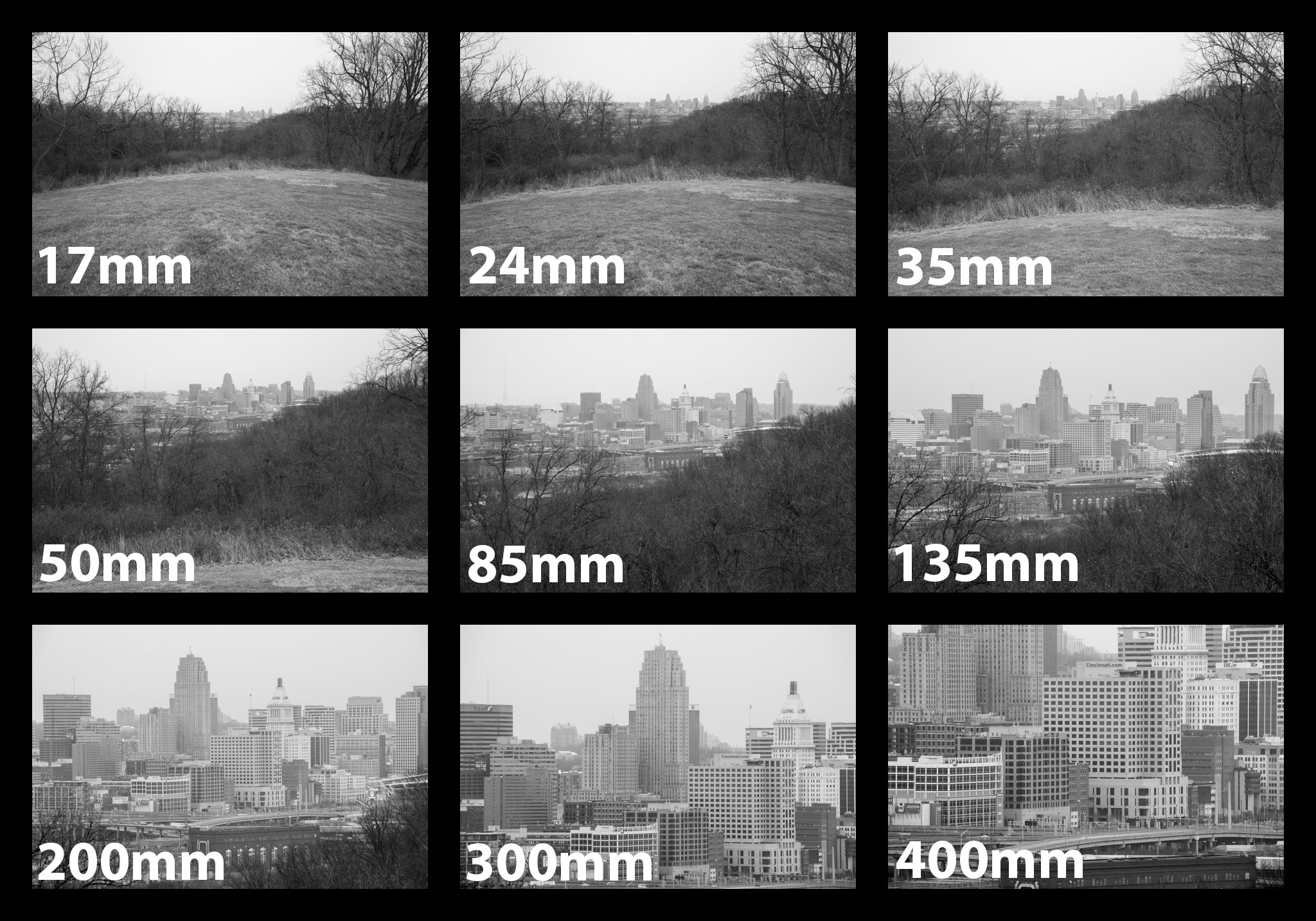
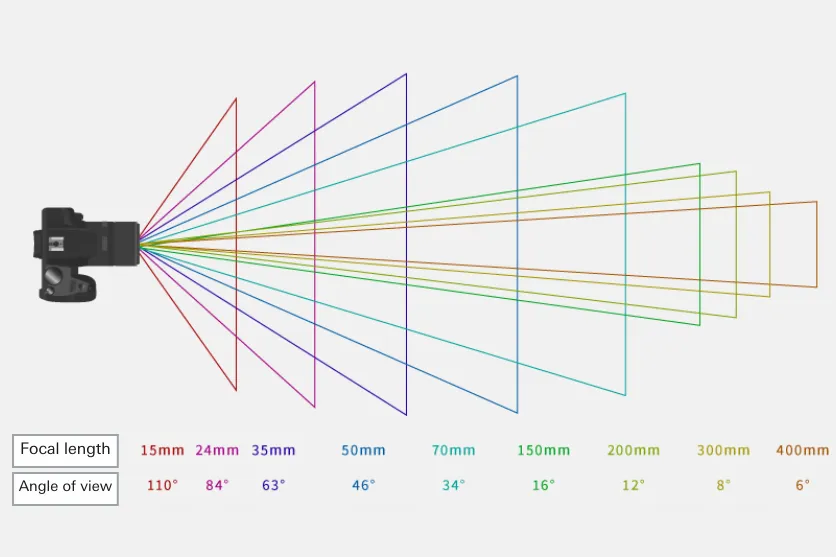
Focal length affects your image’s field of view. It determines how much of a scene you capture. Short focal lengths suit wide landscapes. Longer focal lengths are ideal for distant subjects. Consider what you want to photograph.
Aperture
Aperture influences light entering the camera. A larger aperture captures more light. It’s beneficial in low-light conditions. A smaller aperture offers more depth of field. This is useful for landscape shots.
Image Stabilization
Image stabilization reduces blur from camera shake. It’s essential for handheld shooting. Especially in low light or with long lenses. Check if your lens has this feature.
Autofocus Features
Autofocus helps capture sharp images. Fast autofocus is crucial for action shots. Ensure your lens has reliable autofocus. It makes shooting easier and faster.
Compatibility
Lens compatibility is vital. Not all lenses fit every camera. Check your camera’s mount type. Ensure the lens fits your camera model. This ensures optimal performance.
Lenses For Different Photography Styles
Choosing the right camera lens can dramatically enhance your photography skills. Different lenses are suited for different styles of photography. Selecting the perfect lens is crucial in capturing the essence of a subject. How do you know which lens to use? Understanding the characteristics of lenses for various styles will help you make an informed choice.
Portrait Photography
For portrait photography, consider using a lens with a wide aperture. This will help create beautiful bokeh, blurring the background and focusing on the subject. Prime lenses like 50mm and 85mm are favorites for portraits. They offer sharpness and a natural perspective that flatters the subject.
Landscape Photography
Landscape photography demands a lens with a wide angle to capture expansive views. Lenses such as 16-35mm are ideal for this style. They help you include more of the scene in the frame. A zoom lens with a focal length around 24mm can also be useful for versatility.
Wildlife Photography
Wildlife photography often requires capturing distant subjects. A telephoto lens is your best friend here. Lenses ranging from 100-400mm allow you to zoom in on animals without disturbing them. It’s essential to consider the weight and portability if you’re trekking through nature.
Sports Photography
Sports photography is all about speed and precision. A fast lens with a wide aperture is key to freezing action. Consider lenses like 70-200mm to get close to the action while maintaining focus. Ensure your lens has image stabilization for sharp, clear shots.
Architectural Photography
For architectural photography, perspective control is crucial. Tilt-shift lenses help correct distortion and achieve sharp lines. Wide-angle lenses, like 24mm, allow you to capture towering structures. Think about using a prime lens for crisp detail in your shots.
Street Photography
Street photography thrives on spontaneity and movement. A compact prime lens, like 35mm, offers a balance between wide angle and natural perspective. It’s small enough to be discreet, helping you capture candid moments. Experiment with different focal lengths to tell compelling stories.
Choosing the right lens involves understanding your photography style and the characteristics of different lenses. What story do you want to tell with your photos? Reflect on your goals and let them guide your lens choice. The right lens can transform your photography journey and enhance your creativity.
Credit: photographylife.com
Budget And Brand Considerations
Choosing the right camera lens can be overwhelming. Budget and brand play crucial roles. These factors influence the quality and features of the lens. Understanding them helps you make informed decisions. Let’s explore how budget and brand affect lens choices.
Entry-level Options
Entry-level lenses are budget-friendly. They suit beginners and hobbyists. Expect basic features and decent quality. These lenses are often lightweight and easy to handle. Perfect for those learning photography without a big investment.
Mid-range Choices
Mid-range lenses offer better quality. They provide more features than entry-level ones. Ideal for enthusiasts aiming to enhance their skills. These lenses balance cost and performance well. They often include better build quality and optics.
Professional-grade Lenses
Professional-grade lenses deliver top-tier performance. They feature superior optics and advanced technology. Designed for professionals who need precision and reliability. These lenses are robust and versatile. They often come with a higher price tag.
Popular Brands
Several brands dominate the lens market. Canon and Nikon are well-known for versatility. Sony offers excellent options for mirrorless cameras. Sigma and Tamron are famous for quality third-party lenses. Each brand has strengths and specialties.
Lens Accessories And Maintenance
Choosing the right camera lens is crucial for capturing stunning photos. But having the perfect lens is only half the battle. Maintaining your lens and using the right accessories can significantly enhance your photography experience. This section will guide you through essential lens accessories and maintenance tips.
Lens Filters
Lens filters are essential for controlling light and enhancing image quality. They attach to the front of your lens. UV filters protect your lens from scratches and dust. Polarizing filters reduce glare and improve color saturation. Neutral density filters help manage exposure in bright conditions.
Lens Hoods
Lens hoods prevent unwanted light from entering the lens. They help reduce lens flare. This accessory also offers physical protection. It guards your lens against bumps and impacts. Choose a hood that fits your specific lens model.
Cleaning And Care Tips
Keeping your lens clean is vital for clear photos. Use a soft brush to remove dust. A microfiber cloth is best for wiping smudges. Lens cleaning solutions can remove stubborn marks. Store lenses in a dry, dust-free environment. Regularly check for mold or fungus growth. Proper care extends the lifespan of your camera lens.
Expert Tips For Choosing Lenses
Choosing the right camera lens can elevate your photography. Consider focal length for subject distance. Aperture size affects light and depth. For portraits, use a lens with wide aperture for better background blur. Landscape shots benefit from wide-angle lenses for more scenery in frame.
Choosing the right camera lens can make all the difference in capturing stunning photos. With so many options available, it can be overwhelming to know where to start. Here are some expert tips to guide you through the process, ensuring you select the perfect lens for your photography needs.
Analyzing Your Needs
Begin by determining what type of photography you enjoy most. Are you drawn to landscapes, portraits, or maybe action shots? Your interests will dictate the lens features you need. For instance, wide-angle lenses are great for landscapes, while telephoto lenses excel in wildlife photography. Think about the environments you shoot in and the subjects you love to capture. Understanding your needs is the first step to making an informed choice.
Testing Before Buying
Whenever possible, try the lens before purchasing. Visit a local camera store and test different lenses on your camera body. Pay attention to how the lens feels in your hands and how it performs in various lighting conditions. Many stores offer rental services, so you can take a lens for a trial run. This firsthand experience is invaluable and can prevent costly mistakes.
Seeking Professional Advice
Don’t hesitate to ask for advice from experienced photographers. They can offer insights that you might not have considered. Join photography groups or forums online where you can ask questions and read reviews. Sometimes a quick chat with a seasoned pro can save you hours of research. Have you ever thought about how a simple tip could completely change your photography game? By analyzing your needs, testing lenses before buying, and seeking professional advice, you’re setting yourself up for success. Remember, the right lens can bring your vision to life, so take the time to choose wisely. What will your next lens help you capture?
Credit: www.tamron.com
Frequently Asked Questions
How Do I Know What Kind Of Lenses I Need?
Consult an optometrist to determine your lens prescription. Consider lifestyle needs and preferences for lens features. Research different types, including single vision, bifocal, or progressive lenses. Evaluate anti-reflective coatings or UV protection for added benefits. Always prioritize comfort and vision clarity when selecting lenses.
Is A 1.4 Or 2.8 Lens Better?
A 1. 4 lens is better in low light and offers a shallower depth of field. A 2. 8 lens is more affordable and lighter. Choose 1. 4 for portraits and night photography; pick 2. 8 for general use or landscapes.
Consider your budget and photography style.
How Do I Tell If A Lens Will Fit My Camera?
Check your camera’s mount type. Match it with the lens specifications for compatibility. Refer to the manufacturer’s website or user manual for guidance. Consider using lens adapters if needed. Always ensure the lens supports your camera’s functions like autofocus.
What Lenses Should A Beginner Photographer Use?
Beginner photographers should use a 50mm prime lens for versatility and sharpness. Consider a 18-55mm kit lens for flexibility. These lenses provide good image quality and are budget-friendly, making them ideal for learning photography basics and experimenting with different styles.
Conclusion
Choosing the right camera lens transforms your photography. Consider your subject and setting. Portraits need a different lens than landscapes. Understand focal length and aperture. Wide-angle lenses capture more of the scene. Telephoto lenses zoom in on distant subjects. Experiment with different lenses to find your style.
Renting lenses can be a smart option. Ask fellow photographers for advice. Review online resources and guides. Your creativity shines through the right lens choice. Keep learning and exploring. Photography is an exciting journey. Enjoy capturing your moments with confidence.