
Are you puzzled about finding the right lenses for your camera? You’re not alone.
Many photographers, whether beginners or seasoned pros, often face this dilemma. Choosing the perfect lens is crucial for capturing those picture-perfect moments. However, the wrong choice could leave you with blurry images or missed opportunities. By understanding lens compatibility, you can unlock the full potential of your camera and elevate your photography skills.
Let’s dive into the essentials that will help you make informed decisions and ensure every shot is a masterpiece. Keep reading to discover how to identify the lenses that will work seamlessly with your camera.
Camera Mount Types
Understanding the type of mount on your camera is crucial. It determines which lenses you can use. Different cameras have different mounts. This affects compatibility. Let’s explore the types of camera mounts.
Understanding Camera Mounts
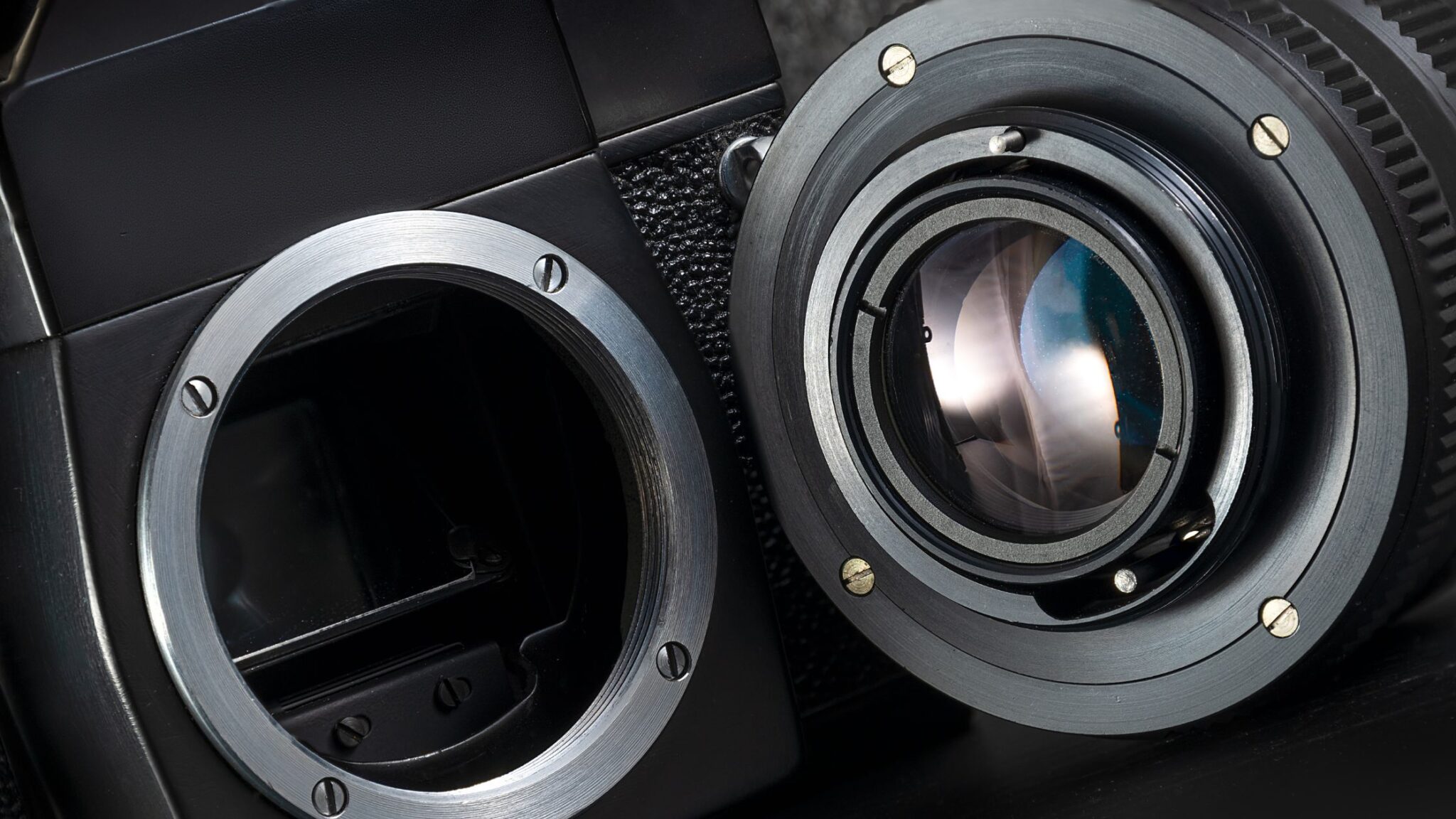
Camera mounts connect the lens to the camera body. They ensure stability and alignment. Each brand may have its unique mount system. Knowing your camera’s mount type helps in selecting lenses. Some cameras have interchangeable mounts. Others do not. Always check your camera’s manual for details.
Common Mount Types
Several mount types are popular. Canon cameras often use EF or EF-S mounts. Nikon cameras commonly use F mounts. Sony cameras typically use E or A mounts. Each mount type has specific lens options. Mirrorless cameras may have different mounts than DSLRs. Some mounts allow for adapters. This increases lens compatibility.
Manufacturer Compatibility
Choosing the right lens for your camera can be a daunting task, especially when you’re trying to figure out manufacturer compatibility. Each camera brand typically has its own set of lenses designed to work seamlessly with its cameras. So, knowing which lens fits your camera can save you time, money, and a lot of frustration. Whether you’re a beginner or seasoned photographer, understanding manufacturer compatibility is crucial. Let’s dive into the details.
Brand-specific Lens Options
Camera manufacturers like Canon, Nikon, and Sony design their lenses to fit their camera bodies perfectly. If you’re using a Canon camera, Canon’s EF and EF-S lenses are made to fit your camera’s mount. Similarly, Nikon users should look for lenses marked as F-mount or Z-mount. These brand-specific lenses ensure optimal performance and compatibility.
When I first started photography, I mistakenly bought a Nikon lens for my Canon camera. I learned the hard way that not all lenses are interchangeable. This experience taught me the importance of sticking with brand-specific options. It saves you from potential headaches and ensures your gear works perfectly together.
Third-party Lens Compatibility
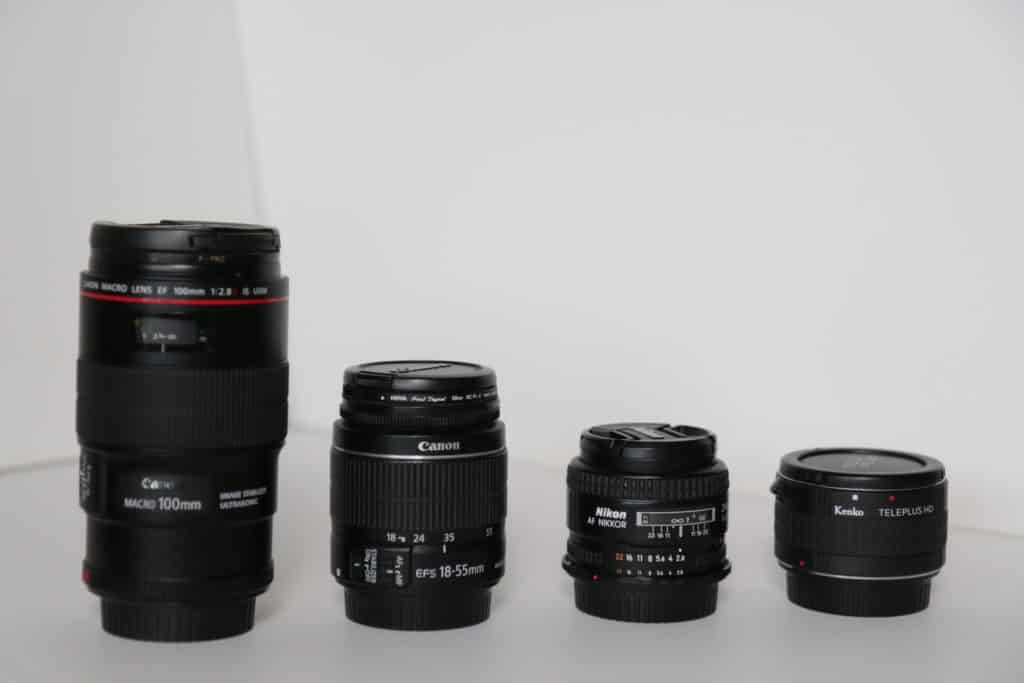
Third-party manufacturers like Sigma, Tamron, and Tokina offer lenses compatible with various camera brands. These lenses are often more affordable and can offer unique features. However, compatibility is key. Always check the lens mount and ensure it matches your camera brand.
If you’re considering third-party lenses, think about your photography needs. Are you looking for a specific type of lens that your camera brand doesn’t offer? Third-party lenses can be the answer. But don’t forget to do your homework and read reviews to ensure compatibility.
Have you ever wondered why some photographers swear by third-party lenses? It’s often about finding that perfect lens that matches their unique style. But remember, a lens is only as good as its compatibility with your camera. Don’t compromise on this crucial aspect.
Lens Specifications
Identifying compatible lenses involves checking your camera’s mount type and matching it with lens specifications. Consider factors like focal length, aperture, and autofocus compatibility. Always review your camera manual for specific recommendations.
Understanding lens specifications is crucial for camera compatibility. Lenses differ in various ways. Knowing these differences helps in choosing the right one. Let’s explore two important aspects of lens specifications: focal length and aperture.
Focal Length Considerations
Focal length affects how much of a scene the lens captures. A shorter focal length captures a wider view. It’s ideal for landscapes. A longer focal length is better for zooming in. It suits wildlife and sports photography. Always check your camera’s crop factor. It impacts the effective focal length. This can change how your photos look.
Aperture And Image Quality
Aperture controls the amount of light entering the camera. It affects the depth of field. A lower f-number like f/1.8 allows more light. This results in a shallow depth of field. It creates a blurred background effect. A higher f-number means less light. The depth of field is deeper. Image quality depends on the lens’s aperture. Look for lenses with a wider aperture for better quality in low light.
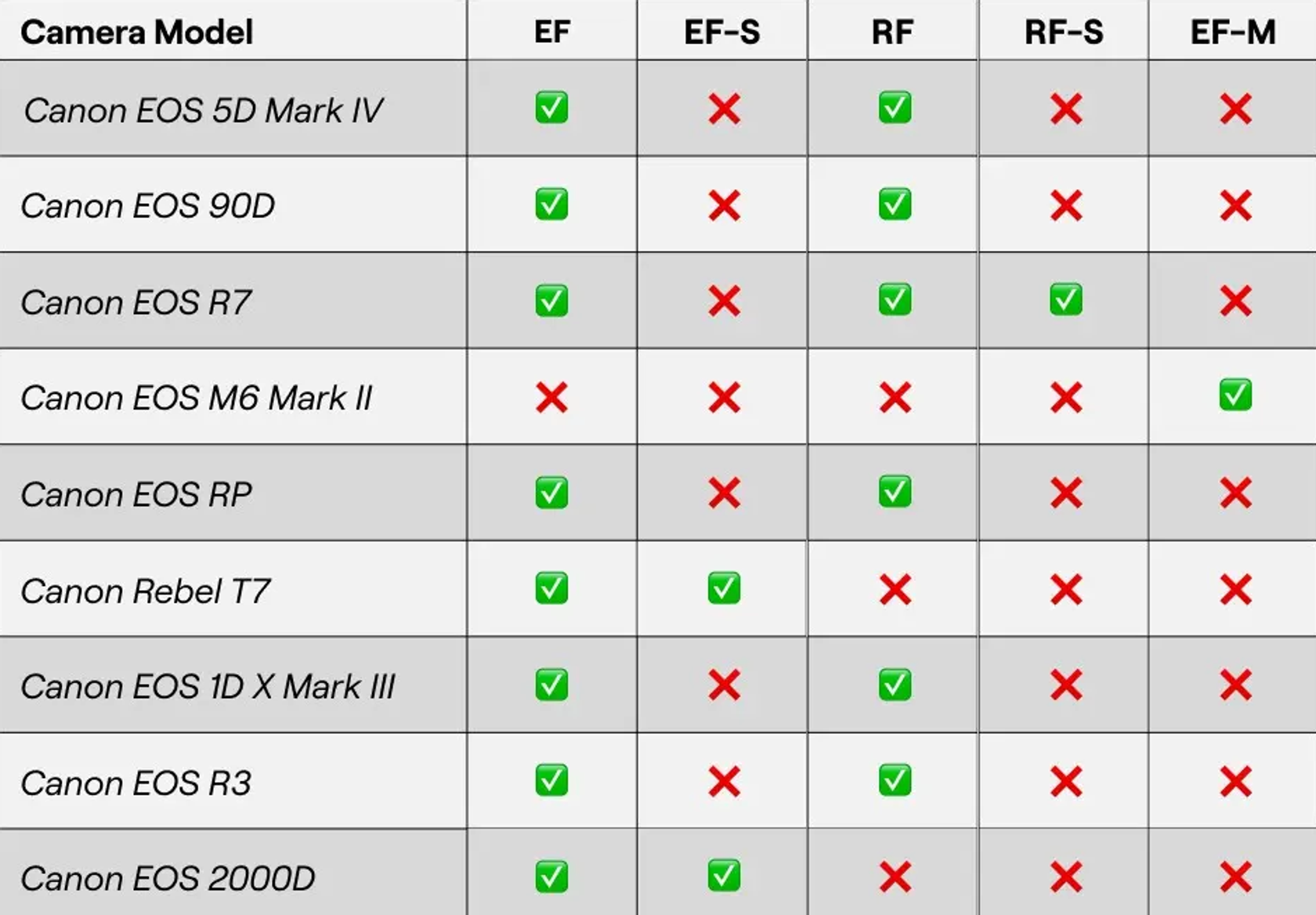
Credit: skylum.com
Checking Lens Compatibility
Choosing the right lens for your camera can enhance your photography. But not all lenses fit every camera model. Checking lens compatibility ensures you invest in the right equipment. Different cameras have unique mounts and specifications. You must know how to check compatibility before purchasing a lens. This guide will help you understand the steps to find compatible lenses.
Using Manufacturer Resources
Manufacturers provide detailed information about lens compatibility. Visit the camera brand’s official website. Look for the lens compatibility section. Brands often list compatible lenses for each camera model. This ensures you get accurate information straight from the source. Check the user manual that came with your camera. It usually includes a list of compatible lenses. This offers a reliable way to verify lens compatibility.
Online Compatibility Tools
Online tools help identify compatible lenses. Many websites offer databases for this purpose. Input your camera model to find suitable lenses. These tools simplify the search for compatible lenses. They save time and provide quick results. Some tools also compare features and prices. This helps you make informed decisions. Always cross-check the information with official sources. This ensures accuracy and avoids mistakes.
Understanding Lens Features
Understanding lens features is crucial for selecting the right lenses for your camera. Each lens offers unique characteristics that can significantly affect your photography. It’s like choosing the right tool for a specific job, ensuring your photos have the desired effect. As you explore these features, you’ll get closer to making informed decisions that enhance your photography skills. Let’s dive into the specifics.
Autofocus And Manual Focus
Autofocus is a feature that helps you capture sharp images effortlessly. It automatically adjusts to bring your subject into focus. Imagine trying to take a quick shot of a moving subject; autofocus becomes your best friend. Most modern lenses come with this feature, offering speed and precision.
Manual focus, on the other hand, gives you control. You adjust the focus ring to get the sharpness you want. This is perfect for macro photography or when shooting in low light. It allows you to creatively play with depth and achieve unique effects. Consider scenarios where you want to focus on a distant object while blurring the foreground; manual focus is your go-to.
Image Stabilization Importance
Image stabilization helps reduce blur caused by camera shake. If you’ve ever tried to take a photo in low light without a tripod, you know the struggle. Lenses with image stabilization compensate for small movements, keeping your image crisp.
This feature is especially useful when shooting handheld or at slower shutter speeds. It becomes indispensable for videographers, providing smooth footage without the need for additional equipment. Think about capturing a breathtaking sunset with your camera; image stabilization ensures your shot remains clear even if your hands aren’t perfectly steady.
When choosing your lenses, ask yourself: what kind of photography excites you most? The answer will guide you in prioritizing these lens features. Understanding them not only improves your skill but also maximizes your camera’s potential. The right lens can transform your photos from ordinary to extraordinary, so take the time to explore your options.
Credit: storyenvelope.com
Expert Buying Tips
Buying a new lens for your camera can be both exciting and overwhelming. With so many options out there, how do you choose the right one? Here’s where expert buying tips come into play. Understanding what to look for and considering your unique needs will ensure you make a smart investment.
Evaluating Lens Reviews
Checking out lens reviews is a crucial step in your buying process. Reviews can offer insights into the lens’s performance in real-world conditions. Look for reviews from photographers who shoot similar subjects as you, whether it’s landscapes, portraits, or action shots.
Pay attention to both positive and negative feedback. A lens might have excellent sharpness, but if reviewers consistently mention issues like slow autofocus, you might want to reconsider. Remember when I ignored autofocus complaints for a lens and regretted it during a fast-paced event shoot? Lessons learned!
Consider the source of the reviews. Well-established photography websites and forums often provide more reliable information than random blogs. Have you ever thought about how a professional photographer’s insights might differ from those of a hobbyist?
Consideration Of Future Needs
Think about where you want your photography to go in the future. Are you planning to explore different genres like wildlife or street photography? A versatile lens can save you money and hassle in the long run.
Consider if the lens will still be useful as you upgrade your camera body. Investing in high-quality lenses now can mean better compatibility and performance with future equipment. When I bought my first lens, I didn’t consider future needs and ended up replacing it within a year.
Also, think about accessories like filters and adapters. Some lenses have unique sizes that make finding compatible accessories challenging. Have you checked if your desired lens supports the accessories you frequently use?
Understanding these expert tips can make your lens buying experience smoother and more rewarding. What will you consider when choosing your next lens?
Credit: storyenvelope.com
Frequently Asked Questions
How Do I Know If A Lens Is Compatible With My Camera?
Check your camera’s mount type and ensure the lens matches. Consult the camera manual or manufacturer’s website for compatibility.
How Do I Know What Lens To Get For My Camera?
Identify your photography style and budget. Research compatible lens types for your camera model. Consider focal length, aperture, and image stabilization features. Read reviews and user feedback for insights. Visit a local camera store for hands-on testing. Consult professional photographers or online forums for advice.
Can Any Lens Work With Any Camera?
Not every lens is compatible with every camera. Compatibility depends on the camera’s mount type. Check your camera’s specifications to find compatible lenses. Some cameras require adapters for lenses from different brands. Always ensure the lens fits the camera’s mount to avoid damage or performance issues.
How Do I Know If My Lens Is Ef Or Ef-s?
Check the lens mount. EF lenses have a red dot, while EF-S lenses have a white square. Also, EF-S lenses are generally compatible only with Canon APS-C DSLRs.
Conclusion
Finding the right lens can be easier with the right tools. Knowing your camera model helps narrow down compatible options. Explore online resources and manufacturer guides for useful information. Visit local camera shops for expert advice. Ask fellow photographers about their experiences.
Compatibility ensures your photos look their best. Always double-check compatibility before buying a new lens. This saves time and avoids frustration. Your photography journey becomes smoother with the right lenses. Enjoy capturing stunning images with your perfectly matched equipment. Happy shooting!