
Remember those lazy afternoons when your only worry was getting past the next level on your favorite game? If you grew up in the 90s, you might recall the thrill of holding a chunky, colorful game device in your hands, eagerly tapping away.
These handheld wonders weren’t just games; they were gateways to adventure, problem-solving, and hours of pure, unadulterated fun. Now, imagine sharing that same excitement with your child. What if there was a way to combine your cherished memories with their growing curiosity?
Revisit the magic of the 90s with the “What am I” handheld game devices—where nostalgia meets timeless entertainment. Dive into this article to discover how these iconic gadgets can bridge the gap between generations, offering both a trip down memory lane for you and a fresh, engaging experience for your little one. Let’s explore how these devices can make playtime a nostalgic yet new adventure for your family.
Credit: www.walmart.com
The Rise Of Handheld Gaming
The 1990s witnessed a remarkable shift in the world of gaming with the advent of handheld gaming devices. These compact gadgets transformed how children played, offering a new level of freedom and portability. As you explore the rise of handheld gaming, imagine the thrill of holding a world of adventures in the palm of your hand.
Technological Advancements
During the 90s, technology was advancing at a rapid pace, paving the way for handheld gaming. Color screens replaced monochrome displays, making the games more visually appealing. Enhanced battery life meant longer playtime without constant recharging.
Consider how the introduction of sound effects and music in games enriched the gaming experience. Suddenly, every beep and tune added a new layer of excitement. These improvements were not just technical; they were game-changers in how interactive experiences were designed.
Popular Brands And Models
Several brands dominated the handheld gaming market in the 90s, each bringing something unique to the table. Nintendo’s Game Boy was a trailblazer, setting the standard with its simple design and vast library of games. Did you ever play “Tetris” for hours, trying to beat your own high score?
Sega made waves with its Game Gear, which boasted a full-color display. It was a marvel at the time, attracting gamers who craved vibrant graphics. Atari Lynx offered multiplayer capabilities, allowing you and your friends to connect and play together.
These devices were not just toys; they became cultural icons. How many of you remember the joy of trading cartridges with friends to explore new games? The excitement was palpable, and the anticipation of discovering a new favorite game was unbeatable.
Reflect on how these brands and models shaped your childhood. Did they spark a lifelong passion for gaming? The impact of these handheld devices is undeniable, forever changing the way we engage with digital entertainment.
Design And Features
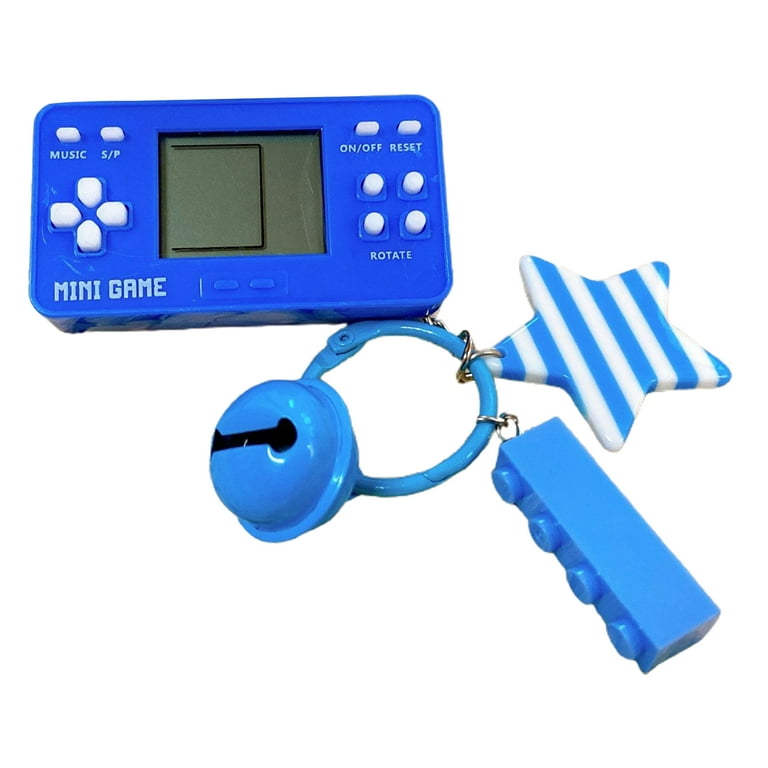
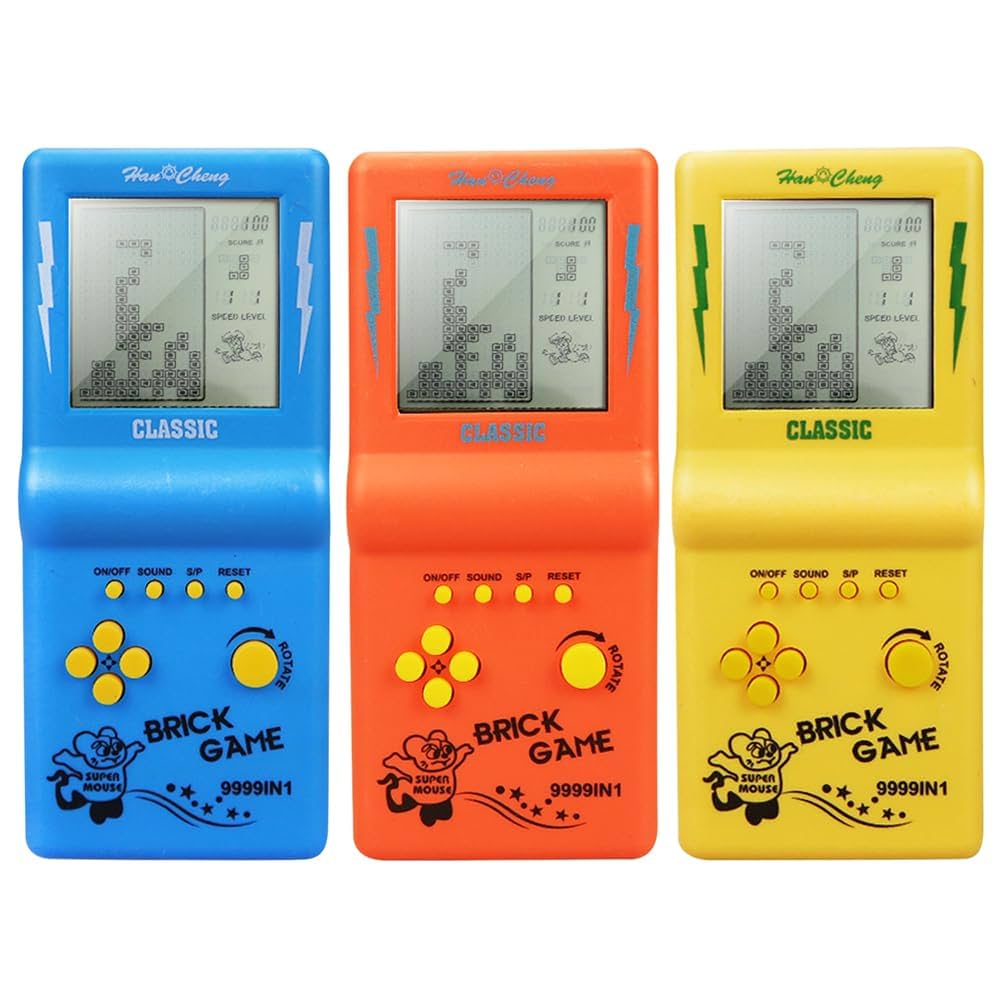
The ‘What am I’ handheld game device from the 90s captivated children with its simple design. Bright colors and easy-to-use buttons made it appealing. Featuring classic games, it offered hours of fun and encouraged imaginative play.
The Children’s “What am I” handheld game device from the 90s was a staple in many households, capturing the hearts and imaginations of young gamers everywhere. Its design and features were not just about aesthetics, but also about functionality that catered to the needs of kids. The simplicity in design made it a favorite among children, while parents appreciated its durability and ease of use.
Compact And Portable
The device was small enough to fit into a child’s backpack, making it a perfect companion for road trips or waiting rooms. Its lightweight design meant that children could carry it around without feeling burdened. This portability ensured that the fun could continue anywhere and anytime, keeping kids entertained on the go. Parents loved how it didn’t take up much space, unlike the bulkier toys of that era. Do you remember slipping one into your pocket before heading to a friend’s house? These devices were always ready for the next adventure, wherever that might be.
Simple Controls
The game featured straightforward controls, allowing kids to jump right in without a steep learning curve. A few buttons were all it took to navigate through the game, ensuring that children could focus more on fun than figuring out how to play. These controls were intuitive, making the device accessible to younger children who were just beginning to explore the world of gaming. Imagine the thrill of mastering a game without needing a manual! This simplicity not only made gameplay enjoyable but also boosted kids’ confidence in their gaming skills. The combination of compactness and simple controls made the Children’s “What am I” handheld game device a timeless piece of gaming history. It was designed with children in mind, ensuring ease of use and endless entertainment. What memories do you have of playing games on such a device?
Iconic Games And Genres
Children cherished handheld game devices in the 90s. These gadgets offered simple, engaging games. From puzzles to adventures, kids enjoyed hours of fun.
In the vibrant world of the 90s, handheld game devices for children were more than just gadgets; they were gateways to adventure and learning. These devices featured a plethora of iconic games and genres, captivating young minds and fostering creativity. From mind-bending puzzles to thrilling action-packed adventures, the games on these devices were diverse and exciting, offering something for every child. Let’s delve into the heart of these games that defined a generation.
Puzzle And Strategy
Puzzle and strategy games were the brain food of the 90s handheld devices. They challenged kids to think critically and solve problems. Remember the feeling of triumph when you finally solved a complex puzzle on a long car ride? Games like “Tetris” and “Dr. Mario” didn’t just entertain; they taught patience and strategic thinking. These games sharpened young minds, pushing them to plan and foresee outcomes. As you played, you unknowingly honed skills that would be useful in real life. Did you ever pause to consider how these games molded your decision-making abilities?
Action And Adventure
Action and adventure games brought the thrill of exploration right to your fingertips. Titles like “Super Mario Land” and “The Legend of Zelda: Link’s Awakening” transformed ordinary afternoons into epic journeys. You weren’t just playing a game; you were embarking on a quest, battling foes, and discovering new worlds. These games encouraged bravery and quick thinking. Every level completed was a victory, and every defeat taught resilience. How often did you find yourself lost in these worlds, forgetting the passage of time? The lessons learned from these adventures were invaluable. They taught persistence and the joy of discovery, traits that stay with you long after the game is over. Reflecting on these iconic games, one can’t help but appreciate the lasting impact they had on shaping young minds. They were more than just pastimes; they were foundational experiences. As we reminisce about those simpler times, it’s clear that the handheld game devices of the 90s were a cornerstone of childhood learning and enjoyment. What memories do you cherish from playing these games?
Credit: www.amazon.sa
Cultural Impact
The 90s handheld game device, “What am I?”, left a significant cultural impact. It wasn’t just about playing games; it shaped how children interacted and engaged with pop culture. This device became a staple in many households, influencing social dynamics and entertainment.
Influence On Pop Culture
The handheld game device seeped into various aspects of pop culture. TV shows featured kids playing “What am I?” during episodes. It was common to see celebrities posing with the device. The game inspired countless merchandise items, from T-shirts to lunchboxes. Its popularity led to themed parties. “What am I?” became more than a game; it was a cultural icon.
Role In Social Interaction
“What am I?” played a key role in social interaction among children. It encouraged group play, fostering teamwork and communication. Kids gathered in playgrounds, excited to challenge each other. The game offered a way to break the ice at school. Friendships often formed around shared gaming experiences. Its portability made it easy to bring along, ensuring it was always at the center of fun.
Collecting And Preserving
Explore nostalgia with handheld game devices from the 90s. These treasures captivate kids with simple graphics and engaging gameplay. Preserve these vintage gems to share childhood memories with future generations.
Collecting and preserving handheld game devices from the 90s is not just a hobby; it’s a journey back in time. These devices hold a special place in the hearts of many who grew up during that era. They serve as a tangible connection to childhood memories and simpler times. As you dive into this world, you’ll find a community of like-minded enthusiasts and face challenges that will test your dedication.
Retro Gaming Communities
Joining retro gaming communities can be an exciting part of your collecting journey. These groups are filled with passionate individuals who share your love for 90s handheld games. They offer a wealth of knowledge, advice, and trade opportunities that can greatly enhance your collection. Participating in forums and attending meet-ups can lead to meaningful connections. You might discover rare game variants or learn tips for finding devices in excellent condition. Engaging with these communities can transform a solitary hobby into a shared experience.
Challenges In Maintenance
Maintaining these vintage devices can be tricky. Over time, batteries corrode, screens fade, and buttons wear out. These issues require attention and, sometimes, a bit of technical skill to fix. Investing in the right tools and learning basic repair techniques can save you time and money. It might be intimidating initially, but starting with simple fixes can build your confidence. Have you ever considered how preserving these devices can teach you patience and precision? Taking the time to properly care for your collection ensures it remains in good condition for future enjoyment. It’s rewarding to see a device come back to life after some tender loving care. The satisfaction of restoring a piece of gaming history is a unique joy that only collectors understand.
Legacy And Modern Influence
The legacy of the 90s handheld game devices, like the “What am I” game, goes beyond mere nostalgia. These devices shaped the future of gaming, influencing both design and gameplay. They were a cornerstone for portable entertainment, sparking creativity and innovation that still resonates today.
Evolution Of Handheld Devices
Handheld gaming devices in the 90s were groundbreaking. They brought gaming from the confines of the living room to the palms of your hands. Remember those long car rides where you could escape into a world of pixelated adventures? These devices made gaming accessible anytime, anywhere.
As technology advanced, so did these devices. From simple LCD screens to vibrant displays, they evolved to enhance the gaming experience. Today’s smartphones and tablets owe much to these early innovations. The convenience and portability of gaming have roots in these humble beginnings.
Impact On Today’s Gaming Industry
These 90s devices set the stage for the current mobile gaming boom. They taught developers that simplicity could be powerful. The industry learned to focus on user-friendly interfaces and engaging content that captures attention quickly.
Think about the games on your phone today. Many share core elements with these early handheld games: instant playability, quick gratification, and addictive gameplay. They shaped the way games are designed and marketed, influencing how you engage with digital entertainment.
Can you imagine a world without mobile gaming? These handheld devices paved the way, proving that gaming could be a personal, portable experience. Their legacy is evident in the games you enjoy today, demonstrating the lasting impact of innovation.

Credit: en.wikipedia.org
Frequently Asked Questions
What Handheld Gaming Device Was Popular In The 90s?
The Nintendo Game Boy was the most popular handheld gaming device in the 90s. Released in 1989, it revolutionized portable gaming. With its iconic design and extensive game library, it captivated millions of players worldwide. The Game Boy’s success paved the way for future handheld gaming devices.
What Were The Old Game Systems In The 90s?
Popular game systems in the 90s included the Super Nintendo, Sega Genesis, and PlayStation. The Nintendo 64 and Game Boy were also widely used. These consoles revolutionized gaming with iconic titles and new technologies. They remain beloved by enthusiasts and collectors today.
What Were The Early Electronic Handheld Games?
Early electronic handheld games include Mattel’s Auto Race and Football, Milton Bradley’s Simon, and Nintendo’s Game & Watch series. These pioneering devices introduced portable gaming with simple graphics and engaging gameplay, laying the foundation for modern handheld consoles.
What Is The Name Of The Popular Nintendo Handheld Game System Released In 1989?
The popular Nintendo handheld game system released in 1989 is called the Game Boy. It revolutionized gaming with its portability and iconic design. The Game Boy featured a monochrome screen and was a major success, selling millions of units worldwide and becoming a cultural phenomenon.
Conclusion
The 90s handheld game devices spark nostalgia and joy. Kids cherished these gadgets for fun and excitement. Simple graphics and sounds captivated young minds. They offered endless entertainment on the go. Parents appreciated their portability and durability. These devices laid the groundwork for today’s gaming innovations.
Remembering them reminds us of simpler times. A time when imagination led play. The 90s handheld games hold a special place in history. A timeless treasure for those who experienced them. They continue to inspire today’s gaming culture. A cherished piece of childhood memories.
An era forever remembered.