
Imagine slipping on a virtual reality headset and suddenly finding yourself standing in the middle of a bustling city, diving into the depths of the ocean, or even soaring through space. You might be sitting on your couch, but your mind is transported to worlds beyond imagination.
What do you see when you put on a virtual reality headset? This question might intrigue you, especially as VR technology continues to advance, offering experiences that feel incredibly real. Your curiosity about these digital worlds can open up a new realm of possibilities, entertainment, and even learning.
As you read on, you’ll discover how virtual reality can transform the way you perceive reality and why it’s capturing the interest of so many. Dive into this article to uncover the fascinating ways VR is reshaping our experiences.
Credit: www.xrtoday.com
Exploring Virtual Reality
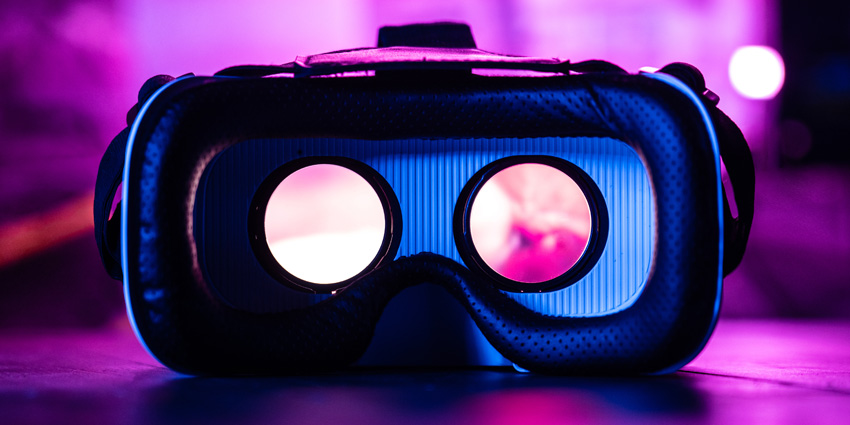
Step into the world of virtual reality and discover what lies beyond the headset. Experience stunning visuals and immersive environments that transport you to new realms. Dive into a digital adventure where possibilities are endless, offering a glimpse into futuristic landscapes and exciting virtual experiences.
Exploring Virtual Reality Virtual reality (VR) is not just a buzzword; it’s an experience waiting to be discovered. Imagine stepping into a world that feels as real as the one you’re in now, but entirely different. Whether you’re a gamer, a learner, or someone just curious about tech, VR offers something for everyone.
Immersive Experience
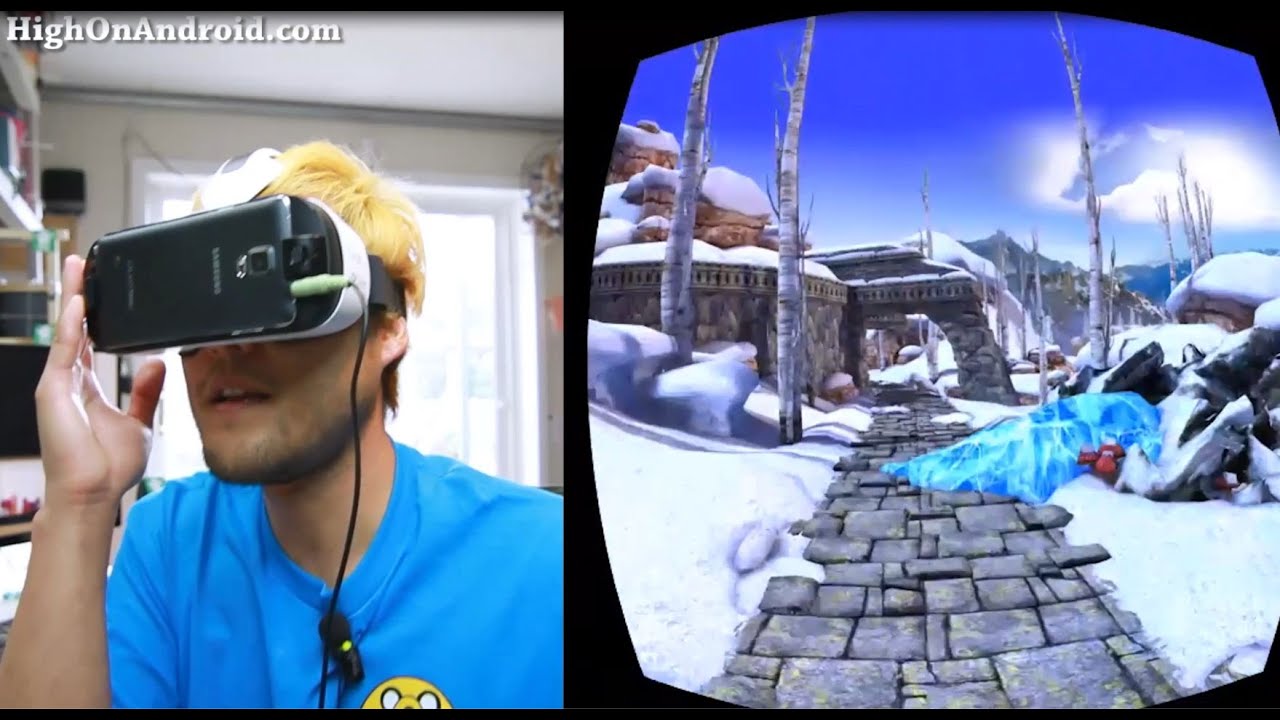
Putting on a VR headset is like opening a door to another universe. You find yourself in a place where the boundaries of reality blur, and your senses are transported. The vivid visuals, the sounds that seem to come from all around you, and the feeling of being “in” the game or story make it unlike anything you’ve experienced before. Think about the last time you watched a movie that truly captivated you. VR takes that a step further by making you a part of the story. Instead of just watching, you’re actively participating. How does it feel to walk on the surface of Mars or swim with dolphins in the ocean? It’s beyond what traditional media can offer.
Interactive Environments
VR isn’t just about seeing; it’s about doing. The environments are designed to respond to your actions, making each experience unique. Imagine playing a game where your decisions shape the world around you, or attending a virtual concert where you can interact with other attendees. Picture this: you’re learning about ancient history, and instead of reading from a textbook, you’re walking through the ruins of an ancient city. You can pick up artifacts, hear stories from virtual guides, and even solve puzzles that bring history to life. This level of interactivity transforms passive consumption into active engagement. What could be more exciting than crafting your own adventures in a world that changes with every decision you make? Have you ever thought about how VR could change the way you learn, play, or even work? The possibilities are endless, and they are only limited by your imagination. By trying VR, you open the door to a future where you can be the hero of your own story. Whether you’re exploring new worlds or interacting with dynamic environments, VR makes it possible. How will you use this incredible technology?
Credit: www.youtube.com
Types Of Vr Headsets
Discover the world of virtual reality with different types of VR headsets. Experience immersive visuals through standalone, PC-tethered, and smartphone-based devices. Each type offers unique features, enhancing how users see and interact with virtual environments.
Virtual reality (VR) headsets are changing how we experience digital worlds. Choosing the right type of VR headset can greatly enhance your experience. Each type offers unique features and benefits. Let’s dive into the main categories and see what each has to offer.
Standalone Devices
Standalone VR headsets are self-contained systems. They don’t require a PC or smartphone to operate. This makes them incredibly convenient for on-the-go experiences. Imagine sitting on your couch and transporting to a virtual concert with just one device. These headsets offer freedom and flexibility. Popular models include the Oculus Quest series.
Pc-connected Systems
PC-connected VR headsets need a computer to function. They offer high-quality graphics and immersive experiences. This is perfect if you want to get lost in detailed virtual worlds. Think about playing a VR game where every detail feels lifelike. However, they are often more expensive and require a powerful computer. Brands like HTC Vive and Valve Index are popular choices in this category.
Mobile-based Headsets
Mobile-based VR headsets use your smartphone as the screen. They are affordable and easy to use. This makes them an excellent option for beginners. With just your phone, you can enjoy 360-degree videos or simple VR apps. They may not offer the high-quality graphics of other types, but they are a great introduction to VR. Google Cardboard is a well-known example. Which type of VR headset suits your needs best? Consider how you plan to use it and what experiences you want to have. Your choice can open up new worlds of entertainment and exploration.
Technological Features
Virtual reality headsets offer a unique glimpse into digital worlds. They have various technological features that enhance user experience. These features are crucial for immersive experiences. Let’s explore the key components that make them standout.
Display And Resolution
Display quality defines how real virtual environments appear. High-resolution displays ensure crisp and clear images. They reduce blurring and enhance visual clarity. Many headsets use OLED or LCD technology. These screens offer vibrant colors and deep contrasts. Resolution impacts the level of detail visible. Better resolution means a more lifelike experience. Refresh rates also play a vital role. Higher rates provide smoother motion, reducing eye strain.
Tracking And Sensors
Tracking technology maps your movements in real time. It allows interaction with virtual objects naturally. Headsets use cameras and infrared sensors for tracking. These components monitor head position and movement. Gyroscopes and accelerometers enhance motion detection. They ensure precise and responsive tracking. Accurate tracking reduces motion sickness. It makes the virtual experience more enjoyable.
Audio And Haptics
Sound quality is crucial for immersion. Many headsets feature spatial audio technology. This technology creates a 360-degree soundscape. Users can hear sounds from all directions. Good audio enhances the sense of presence in virtual worlds. Haptic feedback adds another layer of realism. It allows users to feel virtual objects. Vibrations mimic real-world sensations and interactions. This tactile feedback enriches the user experience.
Applications In Gaming
Virtual reality headsets transform gaming experiences by immersing players in vivid, interactive worlds. Users explore detailed landscapes, feeling part of the action. From thrilling adventures to strategic challenges, these headsets bring games to life.
Virtual reality headsets have transformed the gaming world. Players immerse themselves into fantastical realms. The experience is more than just playing a game. It feels like living inside one. The applications in gaming are vast. Explore thrilling adventures and intense multiplayer battles.
Popular Vr Games
Some VR games have captured gamers’ hearts. Beat Saber is a fan favorite. Players slice through blocks to the rhythm. It’s a mix of music and action. Another game, Half-Life: Alyx, stands out. It offers a gripping story and realistic graphics. Gamers love its detailed environments. Superhot VR is also popular. Time moves when you move. This creates strategic gameplay. Each game offers unique experiences. Players return for more excitement.
Multiplayer Experiences
VR headsets enhance multiplayer gaming. Gamers connect with friends globally. They share adventures in virtual worlds. VRChat allows players to socialize. They create avatars and explore together. Rec Room offers various games. Players compete in sports and quests. Multiplayer games build communities. Gamers communicate using voice chat. They strategize and celebrate victories. The shared experience is powerful. Players feel part of a team.
Beyond Gaming: Other Uses
Virtual reality headsets are not just for gaming enthusiasts. They offer experiences far beyond the gaming world. With the rise in VR technology, various industries are using VR headsets in innovative ways. This has opened up new avenues for learning, healing, and exploring.
Education And Training
Virtual reality transforms classrooms into interactive learning hubs. Students can explore historical sites or dive into the human body. Teachers use VR to create immersive lessons. This helps students engage with complex subjects. Companies use VR for employee training. Workers practice skills in a safe, virtual environment. This reduces training costs and enhances learning outcomes.
Healthcare And Therapy
VR is making strides in healthcare. Doctors use VR for surgical training and planning. It provides a 3D view of the human anatomy. This helps in better understanding and precision. Therapy sessions benefit from VR too. Patients with anxiety or PTSD find relief in controlled virtual settings. This safe exposure aids in gradual recovery.
Virtual Tourism
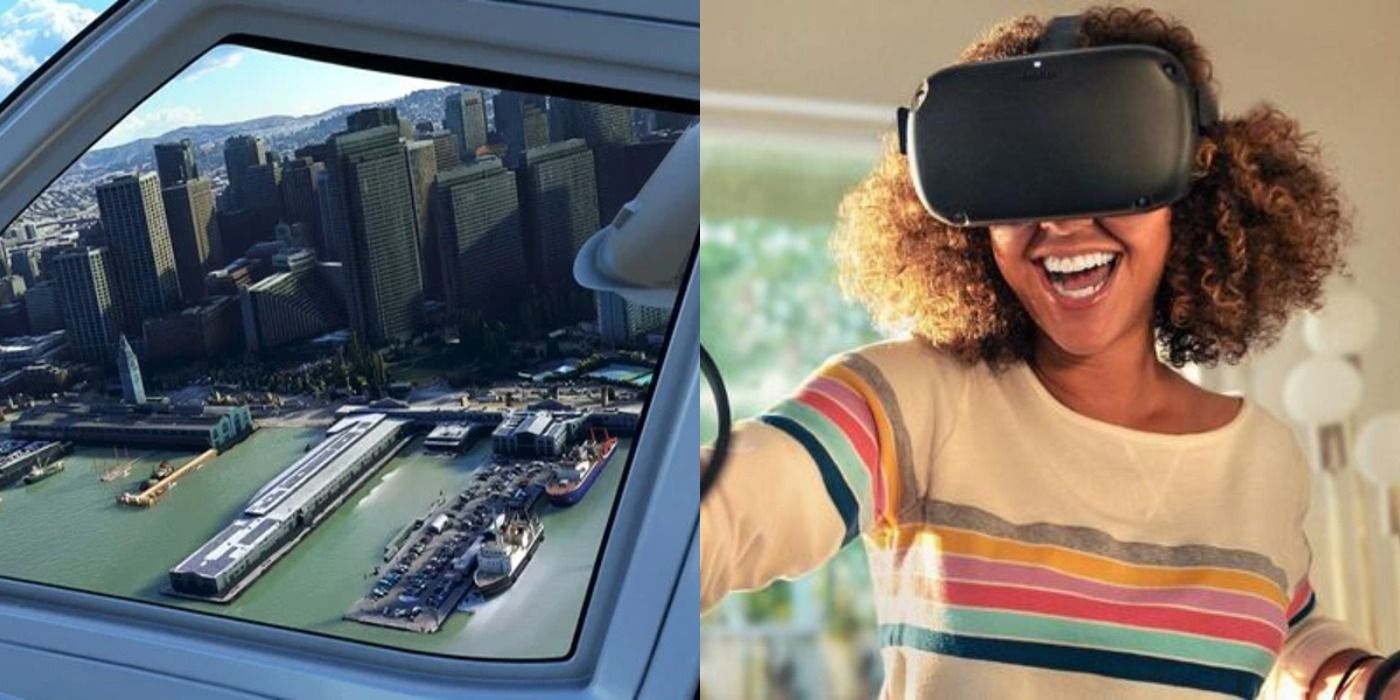
Exploring the world from home is now possible. Virtual reality offers virtual tours of famous landmarks. Experience the Eiffel Tower or the Great Wall of China. All without leaving your living room. This makes travel accessible for everyone. Virtual tourism supports sustainable travel practices. It reduces the need for physical travel, lowering carbon footprints.
Credit: screenrant.com
Future Of Virtual Reality
Virtual Reality (VR) is reshaping experiences in various fields. The future of VR promises exciting possibilities. Enhanced technology will soon make VR more immersive. As VR evolves, it will redefine how we interact with digital worlds. Let’s explore what the future holds for virtual reality.
Technological Advancements
VR technology is advancing rapidly. Headsets are becoming lighter and more comfortable. Graphics are improving, offering lifelike visuals. The sound quality in VR is also getting better. High-definition audio enhances the experience. Advances in haptic feedback provide a tactile sensation. Users feel vibrations, adding realism to VR. Wireless technology is reducing cables. Movement is now less restricted. Eye-tracking technology is emerging. It improves user interaction within VR. These advancements will make VR more accessible.
Potential Challenges
Despite progress, VR faces challenges. Cost is a major concern for many users. High prices limit access to the technology. Health issues may arise from prolonged VR use. Eye strain and motion sickness are common complaints. Users need breaks to avoid discomfort. Privacy is another challenge. Personal data may be exposed in virtual environments. Developers must address these security concerns. Compatibility issues can hinder VR adoption. Not all devices work seamlessly with VR headsets. Developers need to ensure cross-platform functionality. Overcoming these challenges will be essential for VR’s future growth.
Frequently Asked Questions
What Do You See When You Put On A Vr Headset?
VR headsets immerse users in 3D virtual worlds, displaying interactive environments and digital simulations. Experience gaming, education, or travel scenarios with realistic visuals and sounds.
What Do You Watch On A Vr Headset?
You can watch 360-degree videos, immersive games, virtual tours, and educational content on a VR headset. Enjoy movies in a virtual theater setting. Access interactive VR apps, concerts, and live events. Experience augmented reality features and explore virtual worlds for entertainment and learning.
How To See What The Vr Headset Sees?
Connect your VR headset to a PC or console. Use screen mirroring or casting features. Access the VR software’s display settings. Enable the option to duplicate or stream the VR view to a monitor or TV. Ensure the external display is connected and compatible.
Enjoy watching the VR experience in real-time.
Can You See Through A Vr Headset?
A VR headset covers your eyes completely, blocking outside views. It creates an immersive digital experience, but you can’t see your surroundings. The headset displays virtual environments, enhancing gaming and simulations. For real-world awareness, remove the headset. VR headsets are designed for focused virtual interactions, not seeing through them.
Conclusion
Exploring virtual reality opens up new experiences. These headsets offer immersive adventures. From gaming to education, possibilities are vast. They transport users to different worlds. Technology continues to grow rapidly. Virtual reality is more accessible now. It changes how we see and interact.
Exciting times lie ahead for VR enthusiasts. As technology evolves, experiences will improve. Stay curious about what comes next. Virtual reality keeps pushing boundaries. Embrace the future with open eyes. The world of VR is waiting. Dive in and explore today.