
Imagine stepping into a world where your wildest dreams come to life, and you can explore environments beyond your wildest imagination. This isn’t a scene from a sci-fi movie; it’s the captivating realm of Virtual Reality (VR).
But what exactly does Virtual Reality mean for you? As technology continues to evolve, understanding VR becomes crucial not just for tech enthusiasts but for everyone. It’s not just about wearing a headset and playing games; it’s about redefining how you experience everything from entertainment to education.
Are you curious about how this technology can transform your world? Dive into the article to discover the true meaning of Virtual Reality and how it can impact your life in ways you never expected.

Credit: en.wikipedia.org
Virtual Reality Basics
Virtual Reality means creating a computer-generated environment that feels real. Users interact with this virtual world using special devices. It transforms digital experiences by immersing individuals in lifelike simulations, enhancing both entertainment and educational activities.
Virtual reality (VR) has become a buzzword in today’s tech-savvy world. But what does it actually mean? As you dive into the basics of virtual reality, you’ll discover how this technology creates immersive experiences that transport you to entirely different worlds. Whether you’re a gamer, educator, or simply curious, understanding the fundamentals of VR can open up a world of possibilities.
Definition And Concept
Virtual reality is a simulated experience that can be similar to or completely different from the real world. It uses computer technology to create a three-dimensional environment that you can interact with. When you put on a VR headset, you’re not just viewing an image on a screen. You’re stepping into a digital universe. Think about walking through a forest where you can hear birds chirping and feel the rustle of leaves, all without leaving your living room. This is the power of VR—creating lifelike experiences that trick your senses into believing you’re somewhere else.
History And Evolution
The journey of virtual reality didn’t start with the sleek headsets you see today. It began decades ago, with early attempts to create immersive experiences. In the 1960s, a device called the Sensorama offered a multi-sensory experience, combining visuals, sound, and even smells. Fast forward to the 1990s, when the first VR headsets started appearing, albeit with limited success due to technological constraints. It wasn’t until the 2010s that VR made significant strides, thanks to advancements in computing power and graphics. Today, VR is not just about entertainment. It’s used in fields like healthcare, where surgeons can practice complex procedures in a risk-free environment. Educational institutions are also adopting VR to provide students with interactive learning experiences. As technology continues to evolve, who knows where VR will take us next? Have you ever tried a VR experience? What world would you like to explore through virtual reality? Your imagination is the only limit.
Technology Behind Virtual Reality
Virtual Reality (VR) has become a fascinating technology. It immerses users in digital worlds. Understanding the technology behind VR can be intriguing. It involves sophisticated hardware and software. Let’s explore these components.
Hardware Components
VR experiences rely on specific hardware. VR headsets are the most visible components. They display virtual environments to the user. High-quality screens inside headsets show vivid images. Sensors track head movements. This allows users to look around in VR worlds. Controllers help users interact with virtual objects. They translate hand movements into the digital realm. Powerful computers or consoles power these VR systems. They handle complex graphics and operations. All these elements create an immersive experience.
Software And Platforms
VR software brings digital worlds to life. It includes applications and games. Developers create these using special tools. Game engines like Unity and Unreal Engine are popular. They provide the framework for VR content. VR platforms host these applications. Oculus and SteamVR are common choices. They offer a variety of VR experiences. Users can explore games, simulations, and educational content. Software updates enhance VR capabilities. They add new features and improve performance. This constant evolution keeps VR exciting and fresh.
Applications Of Virtual Reality
Virtual reality creates a digital world where users interact with 3D environments. It enhances gaming, education, and training experiences. People use it for virtual tours, medical simulations, and architectural design.
Virtual Reality (VR) has transformed how we interact with digital environments. Its applications stretch across numerous fields, offering experiences that were once unimaginable. As you dive into these different realms, you’ll discover how VR is not just about fancy gadgets but about enhancing and enriching our daily lives. Let’s explore how VR is making waves in diverse sectors.
Entertainment And Gaming
In entertainment and gaming, VR creates immersive experiences that pull you into new worlds. Imagine standing in a dragon’s lair or racing in a futuristic city. These aren’t just visuals; they’re interactive adventures. VR headsets bring games to life, making every move and decision feel real. Have you ever wanted to be the hero of your favorite game? VR makes it possible, putting the thrill right at your fingertips.
Education And Training
VR isn’t just fun and games; it’s a powerful educational tool. Picture yourself as a medical student practicing surgery without the risks. VR simulations offer hands-on learning experiences that traditional methods can’t. It’s like having a virtual tutor guiding you through complex concepts. Wouldn’t learning be more engaging if you could actually see and interact with the subject matter? VR opens doors to dynamic learning, transforming education into an adventurous journey.
Healthcare And Therapy
In healthcare, VR is proving to be a remarkable ally. It’s used for pain management, helping patients escape to serene environments during treatments. Therapists use VR to treat phobias, gradually exposing patients to controlled situations. Have you considered how VR could change mental health therapy? By offering safe spaces for exploration, VR supports emotional healing and growth, making therapy more accessible and personalized.
Real Estate And Architecture
Imagine touring your future home without leaving your couch. VR is revolutionizing real estate by offering virtual property tours. It’s like having a sneak peek into your new life before making a decision. Architects use VR to visualize projects, ensuring every detail meets expectations. Wouldn’t it be fascinating to walk through your dream house before it’s built? With VR, you can experience spaces as if they’re already part of your reality. Virtual Reality’s applications are vast and varied, touching aspects of life you might not have considered. How do you think VR could change the way you experience the world?
Benefits Of Virtual Reality
Virtual Reality (VR) offers an array of benefits that enhance everyday experiences. From immersive entertainment to educational advancements, VR is shaping the future. Its impact is profound, providing users with unique and meaningful interactions. Let’s explore some key benefits of Virtual Reality.
Enhanced User Experience
VR transports users to new worlds, offering immersive experiences. Imagine exploring ancient ruins or walking on Mars from your living room. This technology creates real-life sensations through virtual environments. Users feel present in these digital spaces, engaging deeply with content. This immersive quality makes VR a powerful tool for storytelling and gaming.
Improved Learning Outcomes
Education gets a major boost from VR technology. Students can explore complex subjects in a hands-on way. Think of dissecting a frog or visiting a historical site without leaving the classroom. These interactive experiences improve retention and understanding. Learners engage with material in a memorable manner, making education fun and effective.
Increased Accessibility
VR opens doors for people with disabilities, offering new possibilities. It creates a level playing field for those unable to experience certain activities. From virtual travel to job training, VR offers inclusive opportunities. People access experiences they might otherwise miss, enhancing their quality of life. This technology fosters independence and empowerment.
Challenges In Virtual Reality
Virtual reality creates immersive digital worlds that mimic real life. Challenges include technological limitations and high costs. Users often experience motion sickness, which can hinder the full enjoyment of virtual environments.
Virtual Reality (VR) offers incredible experiences but faces several challenges. These challenges can affect user experience and technology advancement. Understanding these challenges helps in improving VR systems. Let’s explore the main challenges VR encounters today.
Technical Limitations
VR technology still has technical limits. High-quality VR needs powerful hardware. Many systems require expensive equipment. Not everyone can afford this. Graphics and resolution can also cause problems. Low-resolution displays affect immersion. Lag and latency are common issues. They disrupt the VR experience. Developers work hard to solve these problems.
Ethical Concerns
VR raises ethical questions. Privacy is a major concern. VR systems can collect personal data. How this data is used matters. Users need to trust VR platforms. Content moderation is another issue. VR worlds can expose users to harmful content. Developers need to create safe environments. Protecting users is a top priority.
Health And Safety Issues
Health and safety are crucial in VR. Prolonged use can cause motion sickness. Users feel dizzy or nauseous. VR can also strain eyes. Taking regular breaks helps. Physical injuries are possible too. Users can bump into objects while immersed. Clear play areas can prevent accidents. Safety guidelines are important for users. `
Credit: www.techtarget.com
Future Of Virtual Reality
The future of Virtual Reality (VR) promises exciting advancements. This technology is evolving rapidly. It offers immersive experiences that change how we interact with digital content. With continuous innovation, VR is poised to transform various industries. It has the potential to enhance entertainment, education, healthcare, and more. Understanding emerging trends and societal impacts is crucial as VR evolves.
Emerging Trends
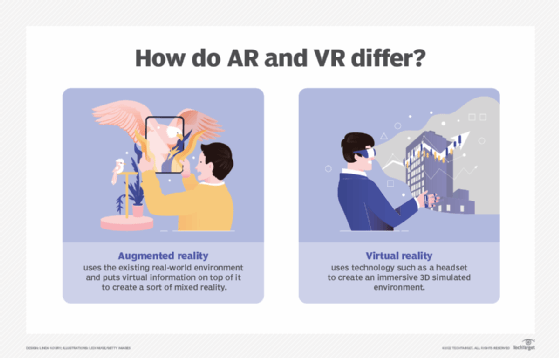
VR technology is becoming more accessible. Devices are getting smaller and more affordable. Developers focus on creating realistic environments. They strive for a seamless user experience. Augmented Reality (AR) is blending with VR. This creates mixed reality experiences. These trends push boundaries and expand possibilities.
Social VR is gaining popularity. It offers virtual spaces for people to connect. Users can interact in real-time. This trend enhances social engagement online. VR is also improving in precision. Eye-tracking technology is advancing. It allows for more intuitive navigation. These innovations drive VR forward.
Potential Impact On Society
VR could reshape education. It offers immersive learning environments. Students can explore historical sites virtually. They engage with interactive simulations. This method boosts understanding and retention.
Healthcare benefits from VR too. It aids in training medical professionals. Surgeons practice complex procedures virtually. Patients use VR for therapy and relaxation. These applications improve treatment outcomes.
VR impacts entertainment as well. It transforms gaming experiences. Players dive into virtual worlds. Movies become interactive experiences. Audiences engage with stories like never before.
VR also influences remote work. Virtual meetings become more engaging. Teams collaborate in 3D spaces. This enhances productivity and creativity. VR’s societal impact is vast and growing.

Credit: www.openpr.com
Frequently Asked Questions
What Is Virtual Reality In Simple Words?
Virtual reality is a technology that creates immersive, simulated environments using computer-generated graphics and sounds. Users experience these environments through VR headsets, feeling as if they are physically present. It’s used in gaming, education, and various industries to enhance experiences and interactions.
What Is A Virtual Reality In One Word?
Immersive.
Is Virtual Reality A Good Or Bad Thing?
Virtual reality offers immersive experiences, enhancing entertainment and education. It also raises concerns about addiction and escapism. Balancing benefits and drawbacks is crucial.
What Best Describes Virtual Reality?
Virtual reality immerses users in a computer-generated environment, simulating real or imaginary worlds. It uses headsets and sensors for interaction.
Conclusion
Virtual reality offers a glimpse into new digital worlds. It changes how we experience media. People can explore places and situations safely. This technology is not only for games. It helps in education, training, and even healthcare. As VR evolves, its impact grows.
More people will find uses for it daily. Understanding virtual reality today opens doors for tomorrow. Embrace its potential and see where it leads. The future of VR is bright and exciting. Ready to explore it?