
Are you excited to capture stunning photos but unsure which lenses will fit your camera? You’re not alone.
Many photographers, whether beginners or seasoned pros, face this exact dilemma. Choosing the right lens can seem like a daunting task with so many options available. But don’t worry; you’re about to discover how to make the perfect choice effortlessly.
Imagine the satisfaction of snapping that perfect shot with a lens that complements your camera flawlessly. Keep reading to unlock the secrets of lens compatibility and transform your photography experience. Your dream shots are just a lens away!
Credit: kasefilters.eu
Camera Lens Mounts
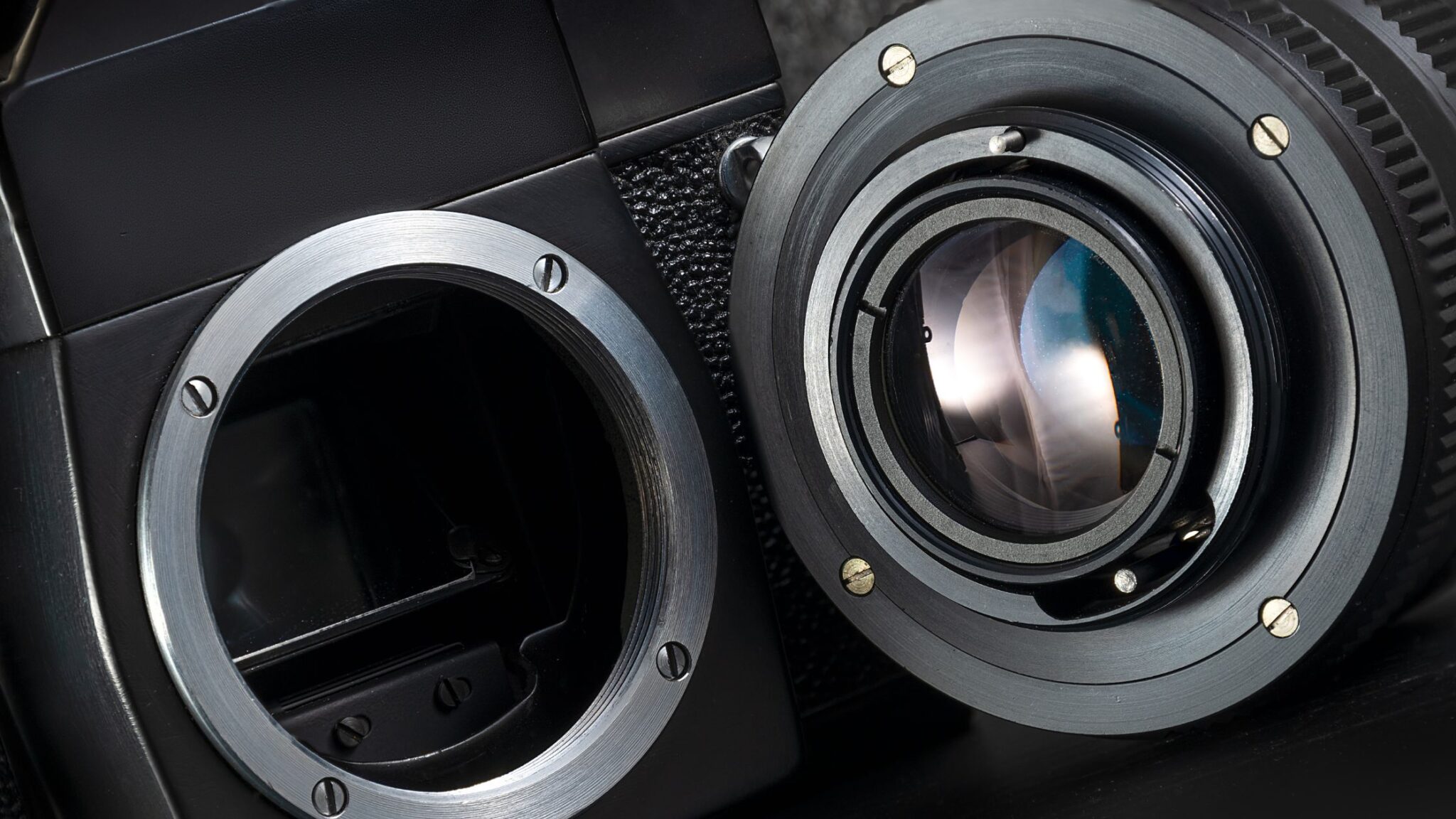
Choosing the right lens for your camera can be confusing. Understanding camera lens mounts simplifies this task. The lens mount is where the lens attaches to the camera body. Not all lenses fit every camera. Knowing your camera’s mount type is crucial. This knowledge ensures compatibility and enhances your photography experience.
Understanding Lens Compatibility
Lens compatibility depends on the mount type. Each camera brand has its unique mount system. Canon, Nikon, and Sony all have different mounts. Even within a brand, mounts can vary. For example, Canon has EF and EF-S mounts. Nikon has F-mount and Z-mount. Knowing your mount type prevents purchasing mistakes.
Popular Mount Types
Let’s explore popular mount types. Canon’s EF mount is widely used. It supports both full-frame and APS-C cameras. The EF-S mount is for APS-C cameras only. Nikon’s F-mount is another popular choice. It has been around since 1959. Nikon’s newer Z-mount offers more flexibility. Sony’s E-mount is known for mirrorless cameras. It supports full-frame and APS-C lenses.
Credit: storyenvelope.com
Lens Specifications
Understanding lens specifications is crucial when shopping for the perfect lens to fit your camera. These specifications dictate how your photos will turn out, affecting everything from the size of your subject to the amount of light captured. Whether you’re a seasoned photographer or a beginner, getting familiar with these details can enhance your photography skills and ensure you pick the right lens for your creative needs.
Focal Length
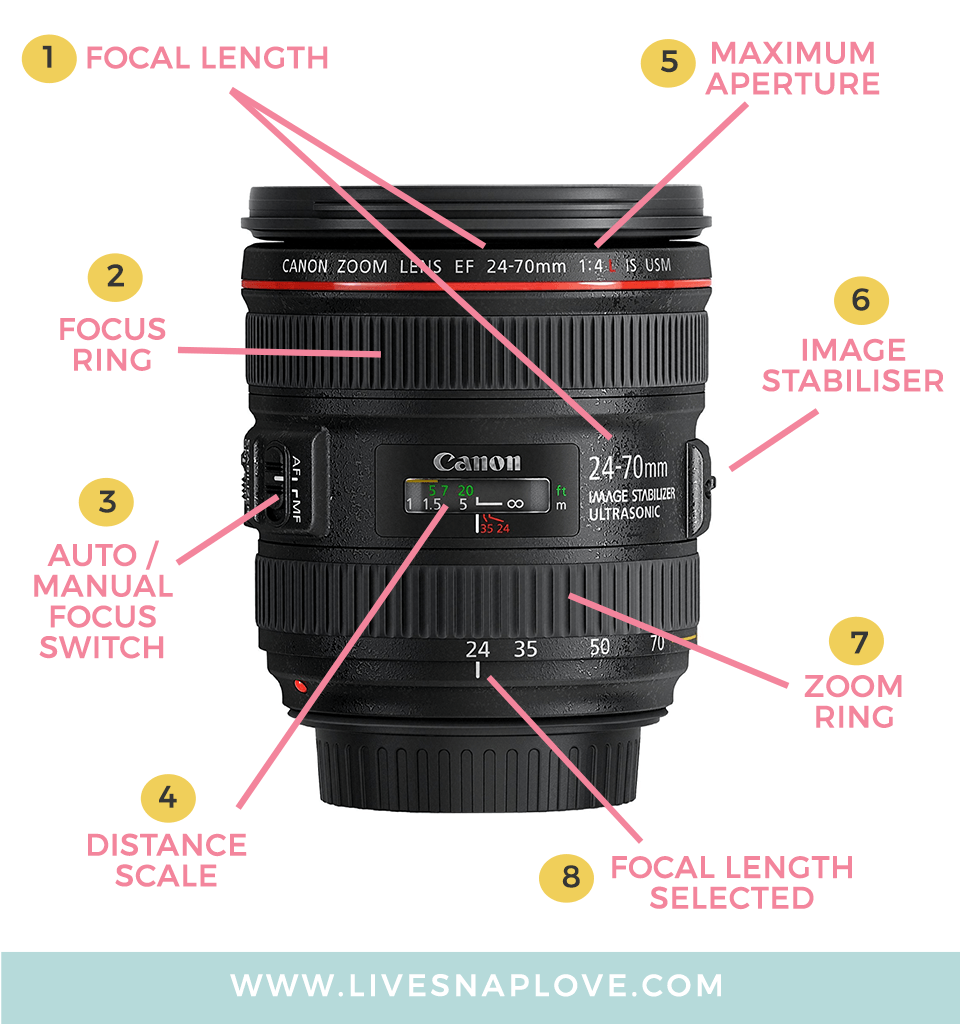
The focal length of a lens determines how much of the scene your camera captures. It’s measured in millimeters and can range from wide-angle, standard, to telephoto lenses. A shorter focal length (like 18mm) captures a wider view, perfect for landscapes. On the other hand, a longer focal length (such as 200mm) zooms in on distant subjects, ideal for wildlife photography.
Think about the type of photography you enjoy. Do you love expansive vistas or intimate portraits? This choice will guide your focal length decision. I remember switching from a kit lens to a prime lens and noticing a dramatic change in my portrait shots. The difference in focal length was like seeing the world through a new lens—literally!
Aperture Details
Aperture, marked by f-numbers like f/1.8 or f/22, controls the amount of light entering the camera. A lower f-number means a larger aperture, allowing more light and creating a beautiful blur effect in backgrounds. This is ideal for shooting in low light or achieving that professional look with portraits.
Consider your shooting conditions. Do you often shoot in dim environments or prefer sharp focus across the frame? Aperture settings play a vital role here. I once struggled with low-light concert photography until I tried a lens with a larger aperture. The images suddenly popped with clarity and detail. Have you ever missed capturing a moment due to poor lighting?
Knowing these specifications can transform your camera into a tool that captures your vision perfectly. Next time you browse lenses, keep these points in mind and watch your photography flourish. What lens specifications are you curious about exploring next?
Compatibility Tools
Finding the right lens for your camera can be confusing. Compatibility is key. Thankfully, there are tools to help. These tools ensure your lens fits perfectly with your camera.
Online Tools And Resources
Online compatibility tools simplify the search process. Websites offer databases of camera models and compatible lenses. Enter your camera details to see fitting options. Some sites even list user reviews. This helps to choose wisely. Online forums also provide insights. Fellow photographers share their experiences. These resources offer valuable advice.
Manufacturer Guides
Manufacturers provide detailed guides. These guides list compatible lenses for each camera model. Visit their official websites. Look for the compatibility section. Guides often include helpful charts. They explain lens mounts and features. Printed manuals may also contain this info. Using manufacturer guides ensures accuracy. They understand their products best.
Adapter Use
Adapters can be a lifesaver for photographers who want to expand their lens options without breaking the bank. Sometimes, you find yourself with an old lens that you love, but it doesn’t fit your new camera body. Or perhaps you’re looking at a lens with unique features that could enhance your photography skills. This is where lens adapters come into play. They bridge the gap between your camera body and lenses, allowing for creative flexibility and experimentation. But how do they work, and what should you consider before buying one?
Types Of Lens Adapters
Lens adapters come in various styles, each designed for specific functions. There are basic adapters that simply mount the lens to the camera body. These are great for manual focus lenses where electronic communication isn’t necessary.
Then, there are smart adapters that maintain electronic connections between the lens and the camera body. These allow autofocus and aperture control, which can be essential for fast-paced shooting scenarios.
Some adapters even offer creative features like tilt-shift capabilities or focal reducers, adding new dimensions to your photography. Imagine using a tilt-shift adapter to capture urban landscapes with a unique perspective. It’s about finding the adapter that matches your needs and the type of photography you enjoy.
Pros And Cons Of Adapters
Adapters offer numerous benefits. They can save money by allowing you to use old lenses with new camera bodies. They also open up a world of creative possibilities, letting you experiment with lenses from different brands.
However, there are downsides. Some adapters may affect image quality. You might notice a slight decrease in sharpness or some vignetting around the edges. Also, using an adapter can sometimes slow down autofocus, which might not be ideal for action shots.
Consider what matters most to you: Is preserving image quality your top priority, or are you more excited about trying different lenses? Weighing these pros and cons will help you make the right choice.
Think about the time you struggled to get a perfect shot with a lens that didn’t quite fit. Would an adapter have made a difference? It’s these questions that can guide your decision-making process.
Third-party Lenses
Choosing the right lens for your camera can be a daunting task, especially with the plethora of options available in the market. Among these choices, third-party lenses often catch your attention due to their competitive pricing and unique features. But how do you know if these lenses will fit your camera? Let’s dive into the world of third-party lenses and discover their benefits and compatibility concerns.
Benefits Of Third-party Options
Third-party lenses offer a range of benefits that can enhance your photography experience. They often come at a lower price point compared to branded lenses, which is a significant advantage if you’re on a budget. Despite their affordability, many third-party lenses provide excellent image quality and unique features that can rival or even surpass those of brand-name lenses.
Moreover, these lenses can give you access to focal lengths or aperture settings not available in the native lineup of your camera brand. Imagine capturing stunning landscapes with a wide-angle lens or achieving beautiful bokeh with a fast prime lens—all without breaking the bank. Some photographers swear by third-party lenses for their durability and performance, sharing anecdotes of memorable shots captured with these hidden gems.
Compatibility Concerns
While third-party lenses offer enticing benefits, compatibility is a crucial factor you must consider. Not all third-party lenses fit every camera, so it’s essential to check the mount type and any electronic requirements before making a purchase. You wouldn’t want to invest in a lens only to find out it doesn’t communicate well with your camera’s autofocus system.
Compatibility issues can sometimes arise with advanced features like image stabilization or electronic aperture control. Check reviews and forums where other photographers share their experiences with specific lens models and camera combinations. It’s also wise to consult your camera manual or reach out to the lens manufacturer for guidance.
Have you ever had a lens that didn’t fit your camera? How did you resolve the issue? Ensuring lens compatibility can save you time and frustration, allowing you to focus on capturing the perfect shot.
Professional Advice
Choosing the right lens for your camera involves checking compatibility. Look at the camera mount type. Match it with the lens specifications. Consider autofocus features. Always review the camera manual for guidance.
When you’re on the lookout for the perfect lens to fit your camera, seeking professional advice can be your guiding light. The world of camera lenses can be bewildering, with its multitude of mounts, brands, and specifications. Instead of getting lost in technical jargon and marketing hype, turning to experts can save you time and money.
Consulting Experts
Talking to a professional can provide clarity and peace of mind. Whether you’re a beginner or a seasoned photographer, an expert’s insight is invaluable. I remember visiting a local camera store, hoping to match a lens to my DSLR. The store specialist asked about my shooting style and budget, suggesting options I hadn’t considered. Experts can help you understand compatibility, from full-frame to crop sensors. They might highlight features you didn’t know you needed. Have you ever considered how a lens’s weight could affect your travel photography? A seasoned professional can guide you through these nuances.
Community Forums
Community forums are another treasure trove of information. Engaging with fellow photographers allows you to tap into shared experiences and tips. I once posted a question about lens compatibility on an online forum and received responses from users worldwide. Their collective wisdom helped me make an informed decision. Forums offer real-life usage scenarios and troubleshooting tips. You might discover how a specific lens performs in different lighting conditions or how it holds up in extreme weather. Are you curious about adapting old lenses to modern cameras? Someone in the community has probably done it and can share their experience. By leveraging professional advice and community input, you can confidently choose the right lens for your camera. Who knows, the next time someone asks for advice, you might have the perfect answer.
Credit: livesnaplove.com
Frequently Asked Questions
How Do I Know If A Lens Will Fit My Camera?
Check your camera’s mount type, usually found in the manual or online. Match it with the lens mount. Ensure compatibility by confirming if the lens supports your camera’s sensor size, like full-frame or APS-C. Consider brand-specific lenses, like Canon EF or Nikon F, for a proper fit.
Can Any Lens Fit In Any Camera?
Not all lenses fit all cameras. Compatibility depends on the camera brand, lens mount type, and model. Some cameras require adapters for different lenses. Always check the manufacturer’s specifications to ensure the lens fits your camera model. Research before purchasing to avoid mismatches.
How Do I Know What Type Of Lenses I Need?
Consult an eye care professional for a comprehensive eye exam. They assess vision needs and recommend suitable lenses. Consider lifestyle, activities, and specific vision problems. Opt for lenses that enhance comfort and clarity. Explore options like single vision, bifocal, or progressive lenses based on your requirements.
How Do I Know My Camera Lens Size?
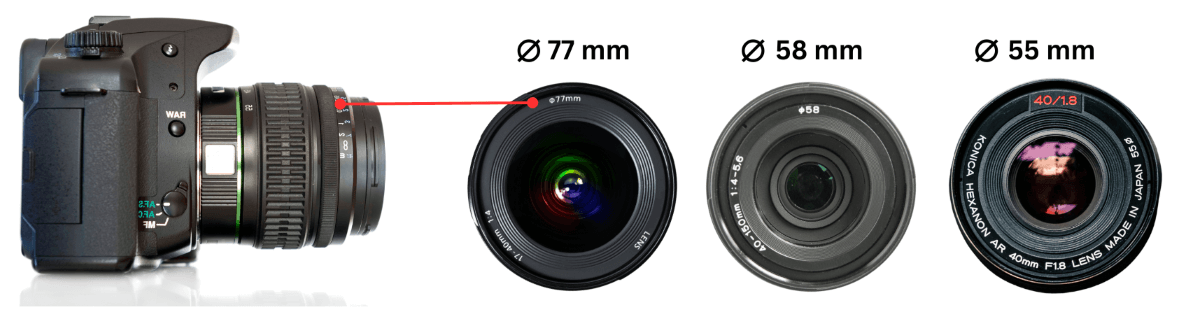
Check the lens barrel for printed numbers indicating diameter in millimeters, often marked as “Ø”. Alternatively, refer to the lens cap or camera manual for lens specifications.
Conclusion
Choosing the right lens is vital for great photos. Start by checking your camera’s mount type. This helps ensure compatibility. Next, research lens brands that match your camera. Read reviews to learn about lens performance. Visit local stores to test lenses physically.
This helps in understanding weight and feel. Online communities can offer valuable advice. Remember, a good lens enhances your photography. Take your time and make informed decisions. Happy shooting!