
Navigating the world of camera lenses can feel overwhelming, especially when you’re eager to capture that perfect shot. If you’re a Nikon enthusiast, you’ve likely asked yourself, “How do I know what lenses fit my camera?”
You’re not alone. Understanding which lenses are compatible with your Nikon camera is crucial, not just for enhancing your photography skills but also for making the most of your investment. Imagine the frustration of missing a stunning photo opportunity simply because you didn’t have the right lens on hand.
But don’t worry, by the end of this article, you’ll have the clarity and confidence to choose the best lenses for your Nikon camera. Ready to take your photography game to the next level? Let’s dive in and demystify the lens selection process together!

Credit: digital-photography-school.com
Camera Compatibility Basics
Understanding which lenses fit your Nikon camera can be tricky. Different models have various compatibility factors. Grasping the basics ensures you choose the right lens. This guide will help you understand the essentials of camera compatibility.
Understanding Mount Types
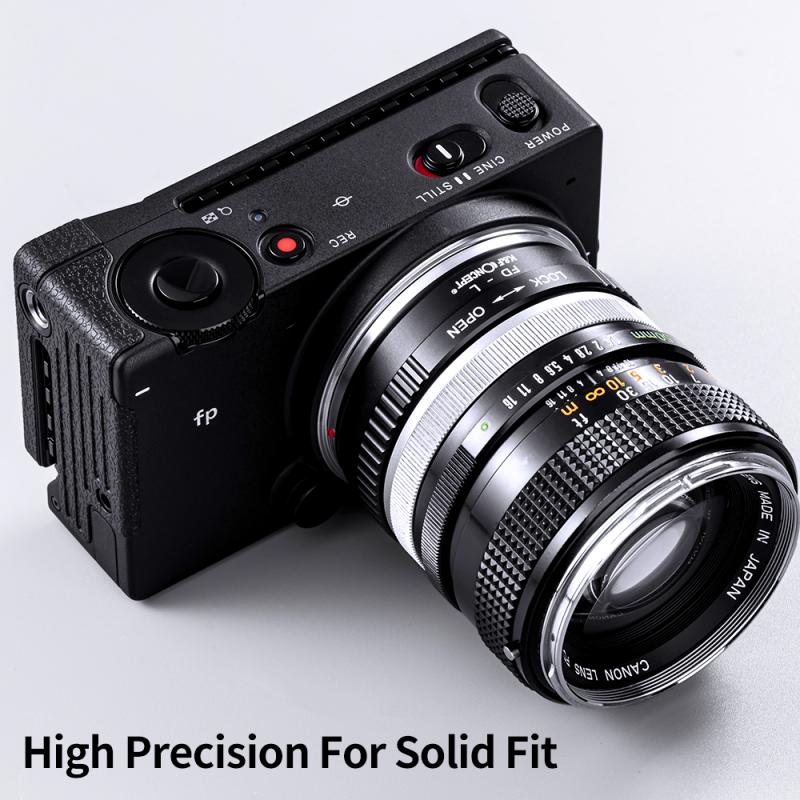
Nikon cameras use different mount types. The most common are F-mount and Z-mount. F-mount lenses fit older DSLR cameras. Z-mount lenses are for mirrorless models. Knowing your camera’s mount type is crucial. It determines which lenses will attach properly.
Differences Between Dx And Fx Formats
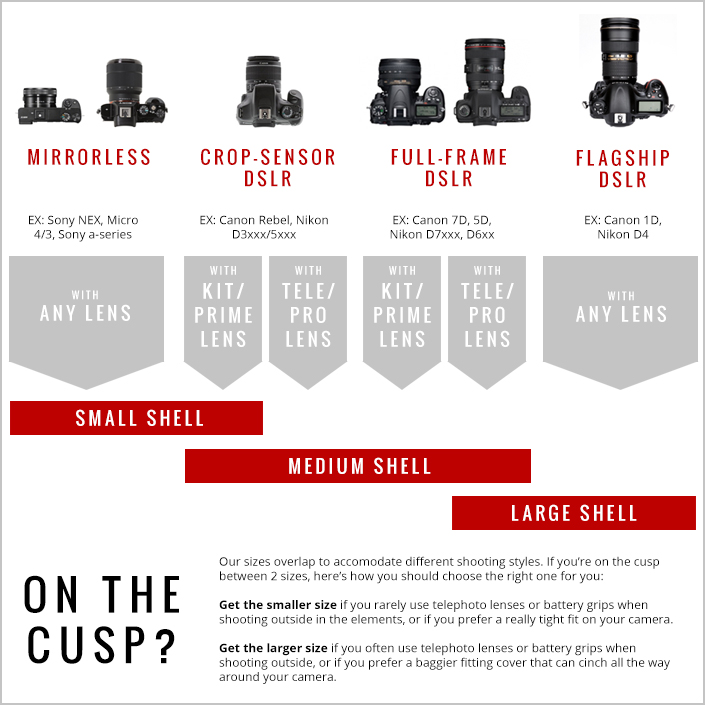
DX and FX refer to sensor sizes. DX sensors are smaller. They are often in entry-level cameras. FX sensors are full-frame and larger. They are found in professional models. Lens compatibility depends on these formats. DX lenses work on both DX and FX cameras. But FX lenses are best suited for FX cameras.
Credit: www.peakdesign.com
Identifying Your Camera Model
Knowing your camera model is crucial for matching lenses. This step ensures compatibility and optimal performance. Different models support different lens types. Identifying the correct model helps avoid mismatched purchases. Let’s dive into how you can pinpoint your camera model.
Locating Model Numbers
Model numbers tell you which camera you own. Nikon cameras typically have the model number on the body. Look near the base or on the side of the camera. This number is a combination of letters and numbers. It helps identify the exact model.
Sometimes, the model number is under the battery compartment. Open the battery cover to check. Another place to find it is on the bottom of the camera. Check the label or sticker for this information. Knowing the model number assists in finding compatible lenses.
Understanding Camera Specifications
Camera specifications provide details about the camera’s capabilities. These include sensor size, lens mount type, and other features. Specifications help determine which lenses fit your model. Check the camera manual or online resources for this information.
Nikon cameras have different lens mounts like F-mount or Z-mount. Understanding the mount type is key to selecting lenses. Specifications also tell you about autofocus and other features. This knowledge ensures you pick lenses that enhance your camera’s performance.
Lens Mount Types For Nikon
When you’re looking to expand your photography skills, understanding which lens mounts fit your Nikon camera is crucial. Nikon offers different lens mount types, each with unique features and compatibility. Knowing these can save you from purchasing the wrong lens or missing out on capturing stunning images.
Imagine you’re standing in front of a breathtaking landscape, ready to capture it, but your lens doesn’t fit your camera. Frustrating, right? Let’s ensure that doesn’t happen.
F-mount Lenses
Nikon’s F-Mount lenses have been around since 1959. They’re versatile and offer a wide range of options, from wide-angle to telephoto. If you’re using a Nikon DSLR, chances are it supports F-Mount lenses.
These lenses often fit older and newer models, making them a great investment. Check your camera’s specs to confirm compatibility. Have you ever bought a lens that didn’t fit? It’s a mistake many photographers make.
With F-Mount, you get the advantage of decades of lens technology. They offer quality and reliability. But always double-check your camera model to avoid costly errors.
Z-mount Lenses
For those with Nikon mirrorless cameras, Z-Mount lenses are your go-to. Introduced in 2018, these lenses are designed for Nikon’s cutting-edge mirrorless technology. They provide excellent image quality with a compact design.
Z-Mount lenses have a larger diameter, allowing more light to hit the sensor. This means better performance in low-light settings. Ever missed a shot because it was too dark? A Z-Mount lens might solve that.
These lenses are great for photographers who value portability without compromising on quality. If you’re transitioning to mirrorless, Z-Mount lenses offer a fresh start with innovative features. Are you ready to upgrade your gear?
Understanding these lens mounts ensures you choose the right tools for your photography journey. Whether sticking with the trusted F-Mount or exploring the Z-Mount, make informed decisions to enhance your creativity.
Decoding Lens Specifications
Decoding lens specifications can seem daunting. Each lens comes with numbers and letters. Understanding these helps you choose the right one. Nikon lenses have their own codes. These tell you about the lens features. The specifications include focal length and aperture. Let’s break them down.
Focal Length And Aperture
Focal length determines the lens’s view range. It is measured in millimeters. A lens with 50mm focal length offers a normal view. Higher numbers give a zoomed-in view. Lower numbers provide a wider view. Aperture affects how much light enters the camera. It is represented by f-numbers like f/2.8. Lower f-numbers allow more light, ideal for low light. Higher f-numbers reduce light, perfect for bright conditions.
Understanding Lens Codes
Nikon lens codes can be confusing. Each code has specific meanings. AF means autofocus. DX lenses are for crop sensor cameras. VR stands for vibration reduction. This helps reduce blur from camera shake. G lenses lack aperture rings, controlled by the camera. ED indicates extra-low dispersion glass. This reduces color distortion in images. Understanding these codes helps you pick the right lens.
Using Nikon Lens Compatibility Tools
Choosing the right lens for your Nikon camera can be confusing. Nikon offers a variety of lenses with different features. Using Nikon lens compatibility tools can help simplify this process. These tools provide precise information about which lenses fit your camera model. They ensure you make the right purchase decision. Let’s explore some useful tools.
Online Compatibility Checkers
Online compatibility checkers are quick and easy to use. They help identify which Nikon lenses match your camera. You simply enter your camera model. The tool then lists compatible lenses. These checkers are usually free and accessible. They save time and reduce the chances of buying the wrong lens.
Nikon’s Official Resources
Nikon’s official resources are trustworthy and accurate. The Nikon website offers detailed compatibility guides. These guides list all compatible lenses for each camera model. Nikon’s resources include user manuals and FAQs. They provide insights into lens features and specifications. This information helps in understanding lens compatibility.
Credit: www.kentfaith.co.uk
Expert Tips For Choosing Lenses
Choosing the right lens for your Nikon camera can be challenging. The vast array of options might confuse even seasoned photographers. Understanding what fits your camera is crucial. It helps in capturing stunning images and video. Let’s explore expert tips to make the right lens choice. These insights will guide you in selecting lenses that fit your needs.
Considering Your Photography Style
Your photography style greatly influences lens choice. Are you into landscapes, portraits, or sports photography? Each style requires different lens features. Wide-angle lenses suit landscapes. Portraits often need lenses with a wide aperture. Sports photography benefits from telephoto lenses. Know your style to pick the right lens.
Balancing Budget And Quality
Quality lenses can be expensive. Balancing budget and quality is key. Determine what you’re willing to spend. Entry-level lenses often provide good quality. They are budget-friendly too. High-end lenses offer superior build and performance. They come at a higher price. Consider your budget carefully. Invest in the best lens you can afford.
Common Mistakes To Avoid
Choosing the right Nikon lens can be tricky. Avoid assuming all lenses fit your camera model. Double-check the lens mount type and compatibility. Always consult your camera’s manual or manufacturer’s website for accurate information.
When you’re diving into the world of photography with your Nikon camera, choosing the right lens can significantly impact your shots. However, many photographers, especially beginners, stumble over some common pitfalls. Knowing what mistakes to avoid can save you time, money, and a lot of frustration. Whether it’s about autofocus, weight, or size, being aware of these factors will help you make smarter choices.
Ignoring Autofocus Compatibility
One major mistake is neglecting autofocus compatibility. Imagine trying to capture a fast-moving subject only to find your lens doesn’t support your camera’s autofocus system. Always check if the lens supports AF-S or AF-P, particularly for newer models. Consider this: a friend bought a lens online without checking for compatibility. It was a perfect match in terms of size, but it didn’t autofocus with his Nikon D5600. The excitement of a new lens quickly faded into disappointment. Ensure your lens matches your camera’s autofocus requirements to avoid such letdowns.
Overlooking Weight And Size
A lens’s weight and size can dramatically affect your shooting experience. Lugging around a heavy lens during long shoots can be exhausting. You might find yourself skipping shots simply because the setup is cumbersome to handle. Think about your typical shooting scenarios. If you’re constantly on the move, a smaller, lighter lens might be more practical. I once bought a bulky telephoto lens hoping to capture distant wildlife. It was so heavy that I ended up leaving it in my bag most of the time. Consider how often you’ll realistically use a lens based on its weight and size. Ask yourself: how will this lens fit into your photography routine? A well-chosen lens should enhance your experience, not hinder it. By keeping these common mistakes in mind, you can ensure a more satisfying and efficient photography journey.
Future-proofing Your Lens Choices
Choosing the right lens for your Nikon camera can be tricky. Future-proofing your lens choice ensures you get the most out of your investment. As technology advances, having versatile and adaptable lenses becomes crucial. This approach helps you avoid frequent upgrades and keeps your gear relevant. Below, we explore strategies to future-proof your lens choices.
Investing In Versatile Lenses
Versatile lenses offer flexibility across different photography styles. They cater to various shooting conditions, from portraits to landscapes. Look for lenses with adjustable focal lengths. Zoom lenses are a good option. They let you shoot wide-angle or zoomed-in images. Consider lenses with a broad aperture range. This feature enhances low-light performance and depth of field control. Also, seek lenses with weather sealing. They endure harsh conditions, ensuring durability.
Staying Updated With Technology
Technology evolves rapidly in the photography world. Stay informed about the latest lens innovations. Check for lenses compatible with upcoming camera models. Compatibility ensures longevity and reduces replacement costs. Explore lenses with advanced stabilization features. These help capture sharp images, even in shaky conditions. Look into smart lenses with built-in software enhancements. They allow for automated settings and improved image quality.
Frequently Asked Questions
Do Nikon Lenses Fit On All Nikon Cameras?
Nikon lenses are compatible with most Nikon cameras, but not all models. Compatibility depends on the lens mount type. Modern Nikon cameras often use F-mount or Z-mount lenses. Always check your camera’s specifications or manual to ensure lens compatibility. Consult Nikon’s website or support for detailed compatibility information.
What Are The Different Nikon Lens Mounts?
Nikon lens mounts include F-mount, Z-mount, and 1-mount. F-mount is for DSLRs, Z-mount for mirrorless cameras, and 1-mount for Nikon 1 series. Each mount offers specific compatibility with Nikon camera models. Choose based on your camera type and photography needs.
What Nikon Lens Mount Does My Camera Use?
Nikon cameras commonly use either F-mount or Z-mount. Check your camera’s specifications or manual to identify the mount type. F-mount is for DSLR cameras, while Z-mount is for mirrorless models. Understanding your camera’s mount helps in selecting compatible lenses for optimal performance.
Can I Use Third-party Lenses With Nikon Cameras?
Yes, third-party lenses like Sigma and Tamron can be used with Nikon cameras. Ensure the lens is compatible with your camera’s mount type. Check reviews and user feedback to ensure performance quality. Third-party lenses can offer cost-effective alternatives with unique features.
Conclusion
Choosing the right lens for your Nikon camera is crucial. It enhances your photography skills. Compatibility ensures better performance and less hassle. Check your camera model. Review lens specifications. Confirm the mount type. This saves time and money. Enjoy clearer images.
Capture memorable moments effortlessly. Experiment with different lenses. Discover new perspectives. Boost creativity with varied options. Use these tips to make an informed choice. Always explore, learn, and improve. Your Nikon camera deserves the best lens. Embrace the journey of photography.
It’s rewarding and fun. Happy shooting!