
Imagine sitting in a way that enhances your balance and stability, giving you the confidence to tackle daily challenges with ease. If you’re curious about improving your posture or are simply intrigued by nursing techniques, the concept of “tripod sitting” might just catch your interest.
This term isn’t just medical jargon; it’s a practical method used in nursing to aid patients in achieving better posture and control. But what exactly is tripod sitting, and how can it be beneficial in a nursing context? This article will unravel the mystery behind this technique and reveal why understanding it might be more relevant to you than you think.
Dive in to discover how this simple yet effective seating posture could play a crucial role in health and well-being.
Tripod Sitting Explained
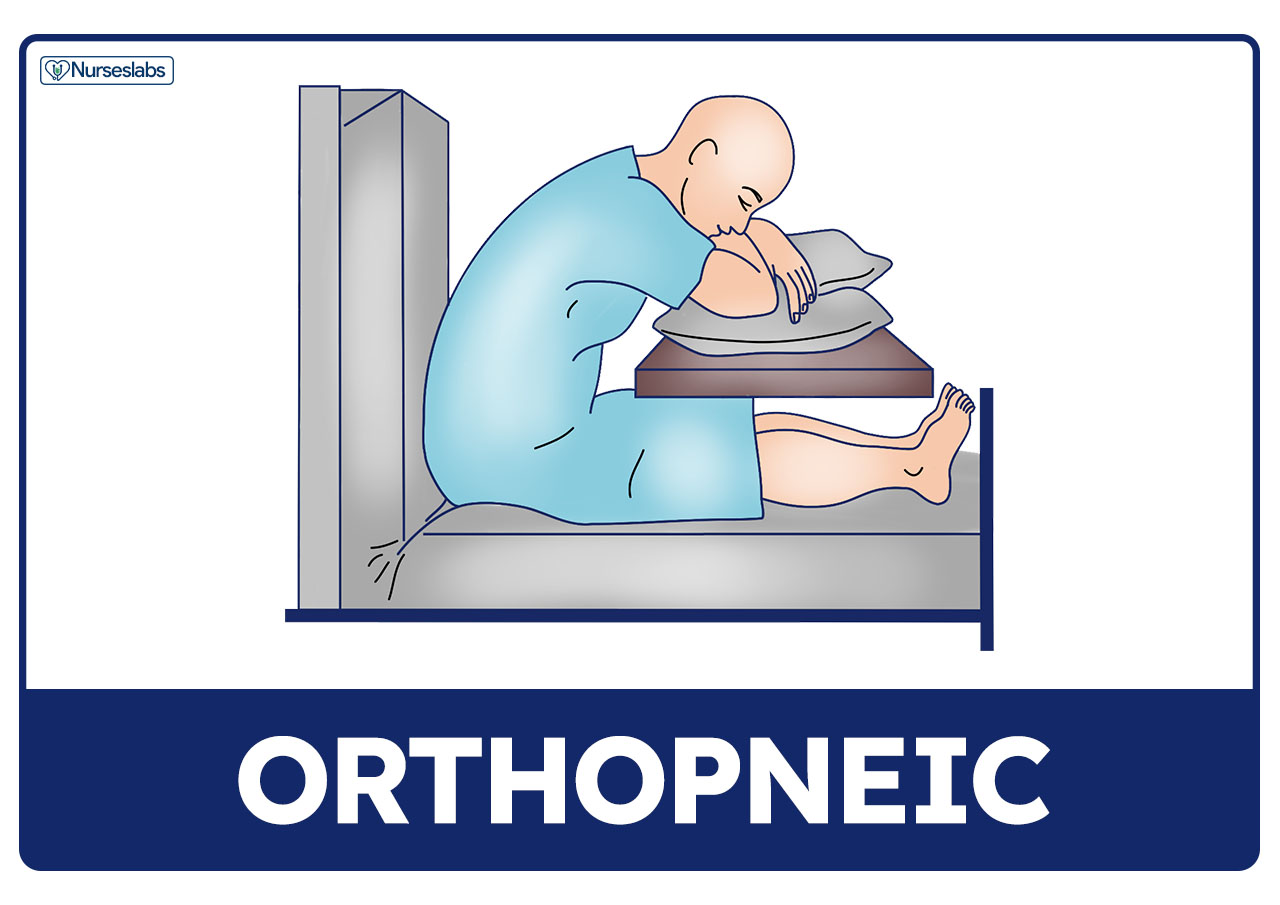
Tripod sitting involves leaning forward while sitting, with arms resting on knees or a stable surface. Nurses use this position to help patients breathe easier, especially those with respiratory issues. It opens the chest, allowing better airflow and reducing discomfort.
Tripod Sitting Explained Understanding the concept of tripod sitting in nursing is essential for both caregivers and patients. This position is more than just a way to sit; it’s a supportive technique that can enhance patient care. If you’ve ever wondered why someone might sit in a specific way during a health assessment, tripod sitting is a key element worth exploring.
What Is Tripod Sitting?
Tripod sitting involves a person sitting with their hands on their knees, often leaning slightly forward. This position creates a three-point support system—two feet and one or both hands. It’s a natural position for someone experiencing difficulty breathing, as it helps to expand the chest and improve air intake.
Why Is Tripod Sitting Important?
Understanding tripod sitting can be crucial during respiratory assessments. It’s often a reflexive position for those with breathing difficulties, such as asthma or COPD. Recognizing this posture can prompt timely interventions and improve patient outcomes.
How To Assist Patients Into Tripod Sitting
Assisting someone into a tripod sitting position is simple but requires sensitivity. Encourage the patient to lean forward while placing their hands on their knees. This can be especially helpful during episodes of shortness of breath, providing some immediate relief.
When Should You Use Tripod Sitting?
Tripod sitting is most beneficial during respiratory distress. As a caregiver, notice if a patient naturally assumes this position. It can indicate that they need additional support or medical intervention.
Personal Experience With Tripod Sitting
I once cared for a patient struggling with chronic asthma. Observing their instinct to sit in a tripod position gave me immediate insight into their distress level. This understanding allowed me to act quickly, offering the necessary support and improving their comfort.
Common Mistakes To Avoid
While tripod sitting can be beneficial, it’s not a one-size-fits-all solution. Avoid assuming it’s the best position for every patient with breathing difficulties. Always assess the situation and consult healthcare guidelines before making decisions. Isn’t it fascinating how such a simple position can play a critical role in patient care? Next time you encounter someone in tripod sitting, consider what their body is communicating. Understanding these subtle cues can make all the difference in providing effective, compassionate care.

Credit: en.wikipedia.org
Importance In Nursing Practice
The practice of tripod sitting is essential in nursing, especially when caring for patients with respiratory issues. This position can significantly improve breathing efficiency and comfort. Understanding its importance helps you provide better care and enhance patient outcomes.
Enhancing Patient Comfort
Tripod sitting is a simple yet effective way to ease breathing difficulties. By leaning forward with arms supported, patients can breathe more easily. Have you ever noticed how a slight change in position can make a world of difference in comfort?
This posture reduces strain on respiratory muscles. It allows for better lung expansion. Next time you see a patient struggling to breathe, suggest this position. It’s a small adjustment with a big impact.
Facilitating Better Lung Function
Tripod sitting opens the chest and airways. This position increases airflow to the lungs. It can be especially helpful for patients with COPD or asthma.
Think about how a deeper breath feels compared to a shallow one. Encourage your patients to take deep, controlled breaths in this position. You’ll see improvement in their respiratory function.
Promoting Effective Communication
When your patients are comfortable, they communicate better. Tripod sitting can lead to clearer speech. This aids in assessing symptoms and needs.
Have you ever struggled to understand a patient because they were too breathless? This position can help. It allows for clearer, more effective communication.
Improving Psychological Well-being
Comfort in breathing reduces anxiety. Tripod sitting can lead to a calmer state of mind. When patients feel they can breathe, their stress levels decrease.
Consider the relief you feel when a difficult task becomes easier. This position offers similar reassurance. Encourage it to improve your patients’ mental well-being.
Streamlining Nursing Tasks
Suggesting tripod sitting can streamline your workflow. It can reduce the need for additional interventions. This position is easy to implement and requires no equipment.
Think about the time saved by preventing complications. Use this technique to make your practice more efficient. It’s a simple strategy with significant benefits.
How can you use tripod sitting to enhance your nursing practice today? Consider these insights and apply them in your care routine. Your patients will thank you for it.
Developmental Milestones
Tripod sitting is an important developmental milestone in nursing. It refers to a baby sitting with hands placed on the floor for balance. This position helps infants develop trunk control and strength, preparing them for more advanced movements.
The journey of a child’s growth is marked by various developmental milestones. These milestones are crucial as they indicate the child’s progress in gaining new skills and abilities. They reflect how a child learns to interact with the world around them. Understanding these milestones can help you ensure your child’s healthy development. One significant milestone is tripod sitting. This position is important for your baby’s physical and motor skill development. Tripod sitting is when a baby sits with their legs spread out and uses their arms for support. It’s a stepping stone towards independent sitting.
Why Tripod Sitting Matters?
Tripod sitting helps your baby build core strength. It requires your baby to balance their body using their arms. This practice strengthens back and abdominal muscles. This position also enhances your baby’s coordination. It encourages them to adjust their posture, preparing them for other activities like crawling.
When Do Babies Typically Achieve Tripod Sitting?
Most babies start tripod sitting around 6 months of age. It’s a skill that develops gradually. Some may reach this milestone earlier, while others may take a bit longer. Consider your baby’s unique pace. Comparing your baby’s development to others isn’t helpful. Focus on your baby’s progress and celebrate their achievements.
How Can You Encourage Tripod Sitting?
Create a safe environment for your baby to explore. Place toys slightly out of reach to encourage them to reach and balance. This promotes muscle development and coordination. Offer plenty of floor time. This gives your baby the opportunity to practice sitting and moving. Avoid extended use of baby seats and swings, as they limit movement.
Recognizing Progress And Seeking Help
Watch for signs of improvement. Notice how your baby uses their arms less over time, relying more on their core muscles. This indicates growing strength and balance. If your baby struggles with sitting independently by 9 months, consider consulting a pediatrician. Early intervention can address potential issues before they become significant. How do you support your baby’s developmental milestones? Are there activities you find particularly helpful? Share your experiences in the comments below!
Benefits For Patients
Tripod sitting helps patients maintain balance with less effort. It supports stability, aiding those with muscle weakness. This position allows better breathing and enhances comfort during activities.
In the realm of nursing, understanding various patient positions is crucial. Tripod sitting is a technique that offers many benefits to patients. This position is simple yet effective. It involves sitting with both hands placed on the knees or thighs. This helps patients with respiratory issues, feeding difficulties, and stability challenges. Let’s delve into the benefits for patients.
Improved Stability
Tripod sitting enhances patient stability. This position reduces the risk of falls. Patients gain better control over their posture. Stability is crucial for patients with motor impairments. It allows them to engage more safely in daily activities. The tripod position aids in developing muscle strength. It offers a reliable support system for patients.
Enhanced Breathing
Breathing becomes easier in the tripod position. This posture opens the chest and lungs. It allows more air to flow freely. Patients with respiratory problems find relief. Oxygen supply to the body improves significantly. Breathing comfort enhances patient well-being. Nurses often recommend this position for respiratory distress. It aids in efficient air exchange.
Facilitated Feeding
Tripod sitting helps with feeding. It provides a stable base for eating. Patients can focus better on their meals. The position promotes effective swallowing. It reduces the risk of choking. Patients can manage their food intake with ease. Nurses find it helpful for patients with feeding challenges. The tripod position supports proper digestion.
Assessing Tripod Sitting
Tripod sitting is a critical posture in nursing assessments. It helps determine the patient’s respiratory distress level. Nurses need to evaluate this position accurately. Proper assessment ensures effective patient care. Understanding tripod sitting is vital for healthcare professionals.
Evaluation Techniques
Nurses use various methods to assess tripod sitting. Observing the patient’s posture is key. Look for leaning forward with hands on knees. Check for difficulty in breathing or labored respiration. Assess muscle use in neck and chest. Note any signs of fatigue or discomfort.
Healthcare tools aid in evaluation. Pulse oximeters measure oxygen levels. Spirometers assess lung function. Visual inspection is essential. It reveals distress signs quickly. Consistent evaluation improves patient outcomes.
Identifying Challenges
Identifying challenges in tripod sitting is crucial. Patients may struggle with maintaining posture. Muscle weakness affects their ability to sit properly. Pain or discomfort can hinder correct positioning. Respiratory issues complicate the assessment process.
Communication barriers present challenges. Patients may not express their discomfort clearly. Non-verbal cues become significant. Nurses must interpret these signs effectively. Training improves assessment accuracy. Continuous learning helps overcome these challenges.

Credit: www.instagram.com
Training And Support
Training and support play a crucial role in tripod sitting. Nurses provide essential guidance and encouragement. This helps patients achieve stability and comfort. Understanding the right techniques enhances patient outcomes.
Nursing Interventions
Nursing interventions focus on patient safety and comfort. Nurses assess each patient’s individual needs. They ensure the environment is supportive for tripod sitting. Adjusting chairs and cushions can improve posture. Regular monitoring helps identify any discomfort. Nurses provide feedback and adjust support as needed.
Patient Exercises
Patient exercises strengthen muscles for better tripod sitting. Simple exercises improve balance and core strength. For example, seated leg lifts enhance stability. Arm raises can increase shoulder strength. Practicing these exercises boosts confidence in tripod sitting. Consistent practice leads to better posture and reduced fatigue.
Case Studies
Tripod sitting helps patients improve balance and core strength. This position involves sitting with legs apart and hands placed on the floor for support. It is used in nursing to enhance posture and stability, especially after surgery or injury.
Understanding the practical application of tripod sitting in nursing requires looking at real-life scenarios. Case studies offer a valuable glimpse into how this technique is applied in different contexts, showcasing its importance across various age groups and conditions. From helping young children to assisting adults in rehabilitation, tripod sitting plays a crucial role in enhancing mobility and independence.
Pediatric Examples
In pediatric nursing, tripod sitting is often used to support children with developmental delays. Picture a toddler who struggles to sit up due to weak core muscles. Nurses work with these children using tripod sitting to improve their balance and strength. This technique involves placing the child’s hands on the floor or their knees, creating a stable base. It provides them with the support they need to explore their environment safely. Have you ever noticed how a small change in posture can open up a world of possibilities for a child?
Adult Rehabilitation
Tripod sitting is equally significant in adult rehabilitation, particularly for those recovering from strokes or spinal cord injuries. Imagine an adult regaining their confidence to sit independently after a stroke. This technique helps patients maintain an upright position, which is essential for everyday activities. By using their arms as support, they can gradually build the strength needed to sit without assistance. Consider how empowering it must feel for someone to reclaim a basic skill that many of us take for granted. Wouldn’t you agree that small victories in rehabilitation can lead to significant progress? These case studies highlight the versatility and effectiveness of tripod sitting in nursing. Whether it’s a young child learning to sit for the first time or an adult rediscovering their independence, this technique proves invaluable. How might tripod sitting make a difference in your nursing practice?
Future Perspectives
The tripod sitting position plays a crucial role in nursing care. Understanding its future can enhance patient outcomes and nursing practices. Exploring potential advancements and research is essential.
Technology Integration
Technology is reshaping healthcare. Innovative devices can monitor patient posture in real-time. These tools could offer feedback to improve tripod sitting techniques.
Research Opportunities
Research drives healthcare progress. Studies could focus on tripod sitting benefits. Investigating its impact on recovery time and comfort can offer insights.
Educational Developments
Education is key for nurses. Training programs may include advanced tripod sitting methods. Nurses can learn best practices for patient support.
Global Collaboration
Collaboration enhances knowledge. Sharing tripod sitting research globally can improve strategies. Nurses worldwide can benefit from shared insights.
Patient-centered Approach
Patient needs are evolving. Tailoring tripod sitting techniques to individual needs is crucial. A personalized approach can improve patient satisfaction.
Credit: nurseslabs.com
Frequently Asked Questions
What Is A Tripod Position In Nursing?
The tripod position in nursing involves a patient sitting or standing, leaning forward, and supporting their upper body with hands on knees or a table. This position helps ease breathing difficulties, often seen in respiratory distress or chronic obstructive pulmonary disease (COPD) patients.
It facilitates lung expansion and reduces respiratory effort.
What Is The Tripod Sitting Position?
The tripod sitting position involves leaning forward, resting hands on knees or a table. It eases breathing and chest expansion. Often used by individuals with respiratory distress, it helps improve airflow and reduces discomfort.
What Is The Purpose Of Tripoding?
Tripoding provides stability for cameras, allowing sharper images and smoother videos. It reduces camera shake, enhancing photo and video quality.
Which Is The Tripod Position?
The tripod position involves sitting or standing while leaning forward, using hands on knees or a table. This posture helps improve breathing by expanding the chest, commonly used by those with respiratory issues. It provides stability and eases the workload on the lungs.
Conclusion
Tripod sitting is vital in nursing care. It provides stability for patients. Nurses enhance comfort and safety using this technique. It helps patients sit independently. This position supports better breathing. Also, it reduces the risk of falls. Nurses should always assess individual needs.
Understanding tripod sitting boosts patient care quality. It’s a simple yet effective method. Essential for various nursing situations. By using tripod sitting, nurses support patient health. Overall, it’s a valuable skill in nursing practice.