
Imagine stepping into a world where you can be a hero, explore distant planets, or even walk with dinosaurs—all from the comfort of your living room. This isn’t science fiction; it’s the magic of virtual reality (VR) games.
Have you ever wondered what makes these games so captivating that they transport you into a completely different realm? You’ll uncover the fascinating world of virtual reality games and discover what sets them apart from traditional gaming experiences. We’ll delve into how VR games work, why they’re becoming a sensation, and what they mean for the future of entertainment.
Get ready to unlock the door to a new dimension of gaming that promises to engage your senses like never before. Your journey into the exhilarating universe of virtual reality games starts here—don’t miss out!
History Of Virtual Reality
Virtual reality games have transformed the way we experience entertainment. To understand their impact, let’s explore the history of virtual reality. This journey helps us appreciate the technology’s growth over the years.
Early Beginnings
The concept of virtual reality began in the 1950s. Morton Heilig, a cinematographer, envisioned an immersive experience. He created the Sensorama, a machine offering visuals, sounds, and smells. This was the first step towards virtual reality.
The Rise Of Vr Technology
In the 1980s, VR technology gained momentum. Jaron Lanier founded VPL Research. They developed the first VR gloves and goggles. This made the virtual experience more interactive and realistic.
Popularization In The 1990s
In the 1990s, VR started entering mainstream media. Sega and Nintendo released VR gaming consoles. Though not successful, they sparked interest in virtual reality games.
Advancements In The 21st Century
The 21st century brought significant advancements. Oculus Rift emerged as a key player in VR gaming. High-quality graphics and motion tracking improved user experience. These innovations reshaped the gaming industry.
Modern Vr Gaming
Today, VR games are highly immersive and popular. They offer realistic environments and interactive gameplay. Players can explore worlds and engage with characters like never before.
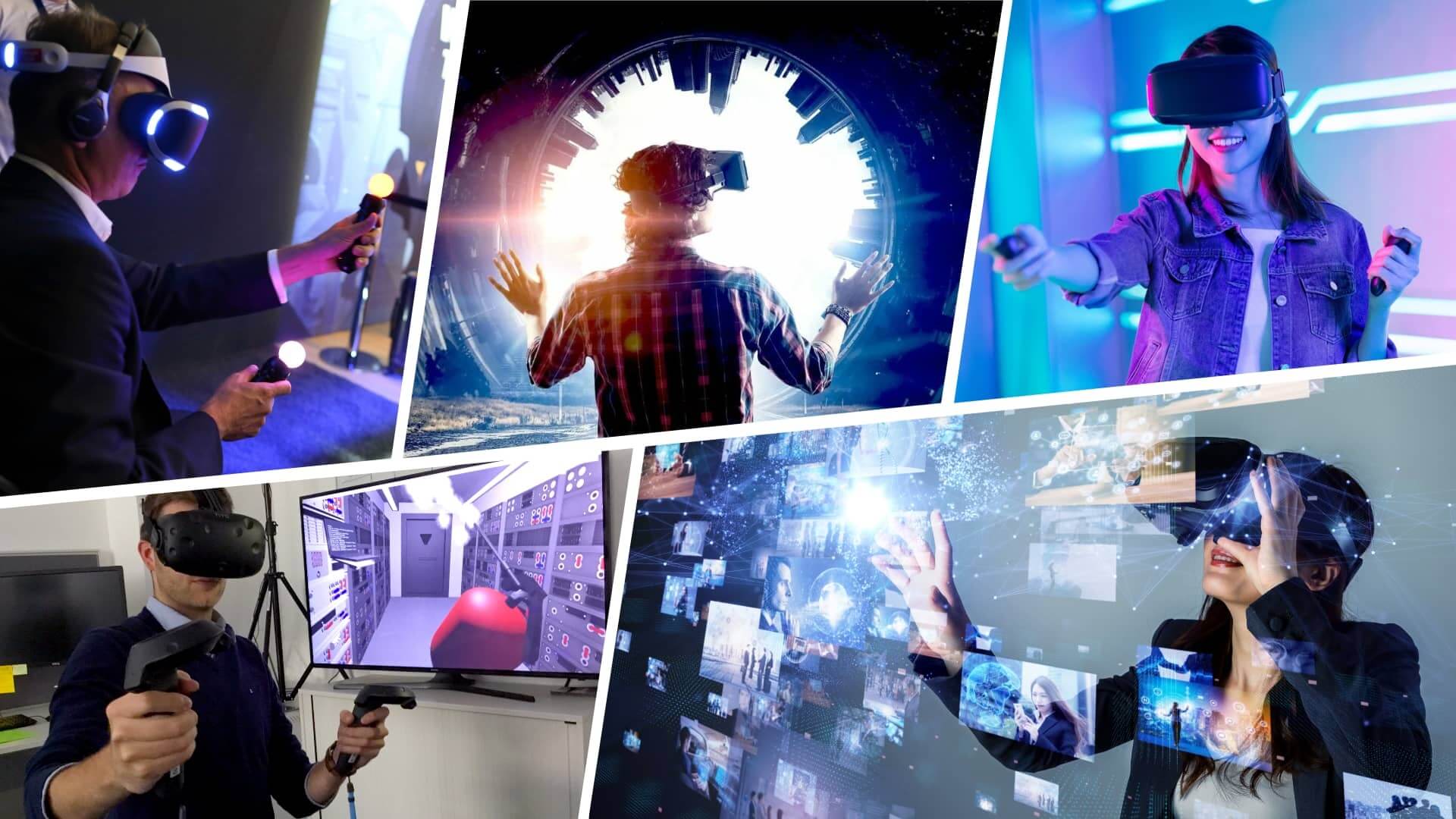
Credit: www.studiobinder.com
Defining Virtual Reality Games
Virtual Reality Games immerse players in a digital world using VR headsets. These games provide interactive experiences, making players feel like they are inside the game. The technology tracks movements, allowing real-time responses and creating realistic environments for enhanced gameplay.
Virtual Reality (VR) games have taken the gaming world by storm, offering players an immersive experience unlike any other. Imagine stepping into a game where the world around you feels real, and you become an active participant rather than just a spectator. Virtual Reality games are reshaping how we perceive digital entertainment, and their definition goes beyond just technology. Let’s dive into what makes these games so unique and why they are capturing the hearts of gamers worldwide.
What Exactly Are Virtual Reality Games?
Virtual Reality games create a 3D environment that players can interact with using VR headsets and motion controllers. These headsets display images that adjust as you move your head, making the experience lifelike and engaging. If you’ve ever worn a VR headset, you know the thrill of looking around and seeing a whole new world unfold in every direction. The technology tricks your brain into believing that you are part of the game. This sense of presence is what sets VR games apart from traditional video games. It’s not just about playing; it’s about being there.
How Do They Work?
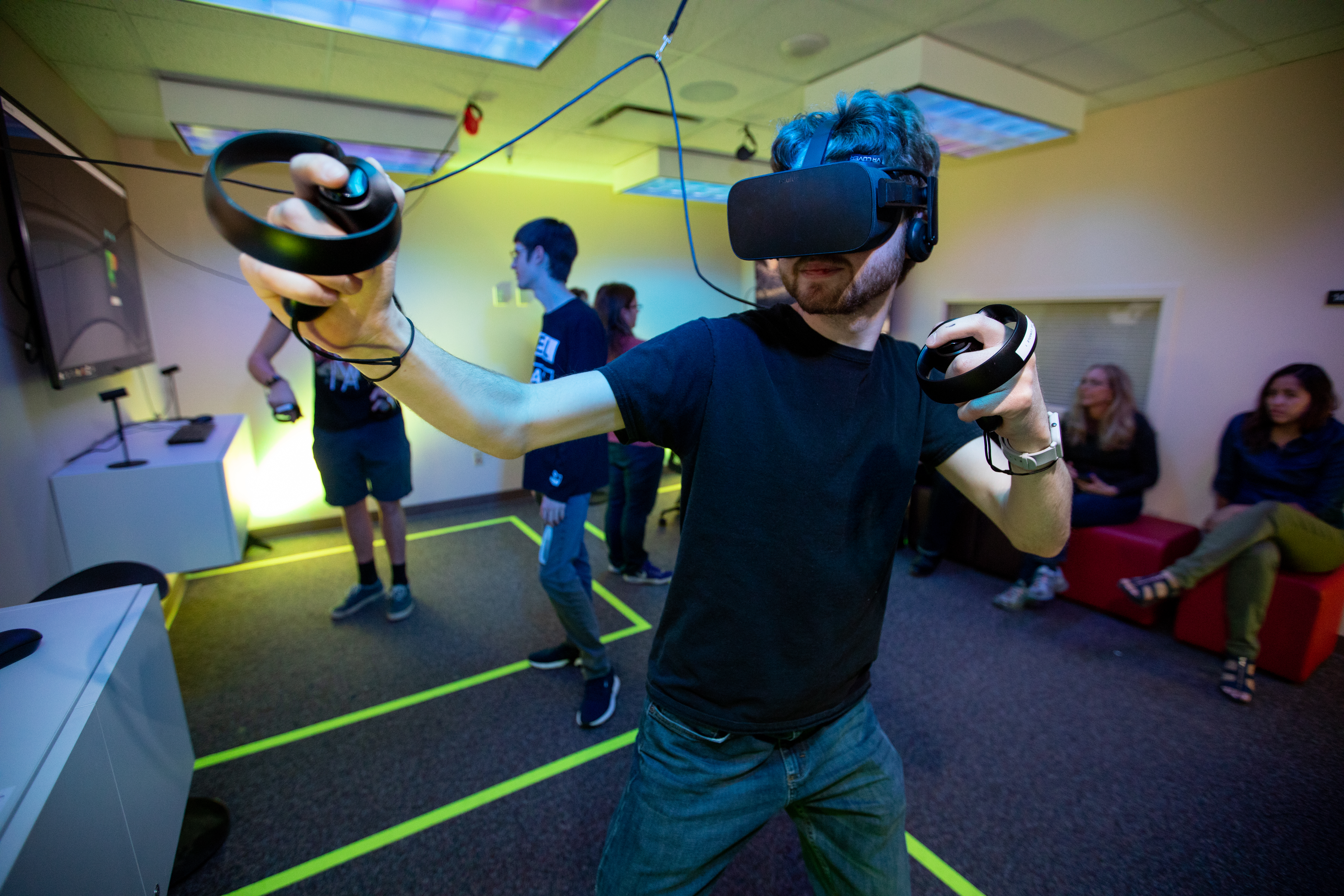
VR games rely on a combination of hardware and software to create their magic. The headset is equipped with sensors that track your head movements, while motion controllers capture the movements of your hands. This allows you to interact with the virtual world naturally. Developers use advanced software to design these environments, often creating intricate details to enhance realism. For example, when you reach out to grab an object in a VR game, the controllers send signals to the game, which then responds by showing your virtual hand picking up the item.
Why Are They So Popular?
The allure of VR games lies in their ability to transport you to another world. Whether you’re exploring ancient ruins, battling aliens, or simply painting in a virtual studio, the experiences feel incredibly real. This level of immersion is unmatched, making VR games a favorite among gamers. People are also drawn to the physical aspect of VR gaming. Unlike sitting on a couch with a traditional controller, VR requires you to move, dodge, and interact physically. This can make gaming sessions feel more active and engaging.
What Is The Future Of Vr Games?
As technology advances, VR games are becoming more accessible and affordable. The future promises even more realistic graphics, broader game selections, and improved interactivity. Imagine a game where you can feel the wind on your face or the texture of a surface—it’s not as far off as you might think. Developers are constantly pushing boundaries, and the possibilities seem endless. The question is, how far are you willing to go into the virtual world? Virtual Reality games are not just a trend; they’re a glimpse into the future of gaming. They invite you to step into new realities and explore them firsthand. Whether you’re a seasoned gamer or someone curious about the virtual world, VR games offer an adventure waiting to be discovered.
Technology Behind Vr Games
The technology behind virtual reality games is fascinating. It creates immersive experiences that transport players to new worlds. Understanding the components that make this possible is key to appreciating the magic of VR.
Vr Headsets
VR headsets are crucial for any virtual reality game. They display 3D images to create a sense of depth and space. The lenses inside the headset focus the images, adjusting them to match your eye movements. This gives the illusion of being inside the game world.
Modern headsets have built-in sensors. These track head movements for real-time interaction. This technology makes the experience more engaging and lifelike.
Motion Controllers
Motion controllers enhance the VR experience by tracking hand movements. They allow players to interact with objects within the virtual space. These controllers are designed to be intuitive and easy to use. They often have buttons and triggers for various actions.
Sensors inside the controllers detect motion with precision. This ensures your actions are mirrored accurately in the game. This technology allows for natural and fluid interactions.
Software And Engines
Software and engines are the backbone of VR games. They process graphics and manage game physics. Game engines like Unity and Unreal Engine are popular choices. They offer tools for developers to create realistic environments and characters.
Advanced software optimizes performance to prevent lag. It ensures smooth gameplay and a seamless user experience. This technology is essential for building immersive worlds that players can explore.
Popular Vr Game Genres
Virtual reality games offer immersive experiences that transport players to other worlds. The technology allows for a wide range of game genres, each providing unique experiences. These genres have captivated gamers with their innovative gameplay and storytelling. Let’s explore some of the most popular VR game genres.
Action And Adventure
Action and adventure VR games put players in thrilling scenarios. You might find yourself battling enemies or exploring mysterious landscapes. These games often feature fast-paced gameplay and complex challenges. Players enjoy engaging narratives that keep them on the edge of their seats. Popular titles include intense combat and epic quests.
Simulation And Strategy
Simulation and strategy games offer a different kind of excitement. These games focus on planning and problem-solving. Players manage resources and make strategic decisions. Virtual reality adds depth to these experiences, making them feel real. Whether it’s flying a plane or building a city, these games challenge your mind.
Role-playing Games
Role-playing games (RPGs) immerse players in fantastical worlds. You create characters and embark on epic journeys. RPGs often include rich storylines and character development. Virtual reality enhances the experience, making you feel part of the world. These games allow players to explore, interact, and evolve. They are perfect for those who love storytelling and adventure.
Experience Of Immersion
Virtual reality games offer a unique experience, immersing players in lifelike environments. These games transport users to new worlds, where they can interact and explore. The sense of presence makes the virtual experience truly engaging and memorable.
The allure of virtual reality (VR) games lies in their ability to transport you to another world, offering an unmatched experience of immersion. Unlike traditional gaming, where you’re a spectator, VR places you at the heart of the action. You feel every thrill, every challenge, and every triumph as if you are truly there. This sense of being part of the game, not just playing it, defines the VR experience.
Sensory Engagement
VR games engage your senses in a way traditional games can’t. Imagine standing on the edge of a virtual cliff and feeling your heart race. The visuals are stunning, wrapping you in lifelike environments. Sound surrounds you, making every whisper or roar impactful. But it’s not just about sight and sound. Some VR systems incorporate haptic feedback, letting you feel a sword clash or a gentle breeze. This multi-sensory engagement tricks your brain into believing you’re in another world. It’s an experience so real, you might find yourself reaching out to touch things that aren’t there.
Presence And Interaction
Presence is the feeling of truly being in a virtual environment. In VR, you aren’t just controlling a character; you become that character. This transformation changes how you interact with the game. Instead of pressing buttons, you move your body to dodge, jump, or swing. Interactions in VR games are intuitive. You might pick up an object by simply reaching out your hand. This natural form of interaction deepens the sense of presence. Have you ever lost track of time while immersed in a VR game, only to emerge and feel like you’ve traveled to another dimension? As VR technology advances, the boundaries between virtual and reality blur. What does this mean for the future of gaming? Will we one day choose virtual worlds over real ones? Your journey into VR might just be beginning.
Credit: 300mind.studio
Impact On Gaming Industry
Virtual reality games transport players to immersive worlds, offering realistic experiences. These games reshape how users interact and explore digital landscapes, enhancing engagement through lifelike simulations. The gaming industry adapts to this shift, creating innovative content and technology to meet players’ evolving expectations.
Virtual reality (VR) games are transforming the gaming industry, creating immersive experiences that captivate players like never before. These games allow you to step into a different world, where you can interact and engage in ways that were once unimaginable. The impact of VR on the gaming industry is profound, reshaping everything from market dynamics to technological advancements.
Market Growth
The VR gaming market is booming. It has witnessed significant growth over the past few years, with more players seeking immersive experiences. This surge is driven by the increasing affordability of VR headsets and the growing library of VR-compatible games. Are you considering adding VR games to your collection? The expanding market means more choices for you, offering varied experiences across genres. As the market grows, developers are motivated to create more engaging content, ensuring there’s always something new to explore.
Innovation And Trends
Innovation in VR gaming is relentless. Game developers are constantly pushing boundaries, introducing new mechanics and gameplay styles. Motion tracking, haptic feedback, and eye-tracking technology are some of the exciting trends shaping the future of VR gaming. Imagine playing a game where you can feel the tension of a bowstring or the chill of a winter breeze. These innovations make it possible, enhancing your gaming experience and making it more lifelike. What trends excite you the most? As VR continues to evolve, expect even more groundbreaking features that redefine how you play games. VR games are not just a fad; they are a glimpse into the future of gaming. By embracing these changes, you can be part of a community that experiences gaming in its most thrilling form. Are you ready to dive deeper into the world of VR gaming?
Challenges And Limitations
Virtual reality games face challenges like high equipment costs and limited content variety. They can also cause motion sickness for some players. Additionally, technical issues and the need for powerful hardware can hinder accessibility.
Virtual reality (VR) games have opened up new realms of entertainment, offering experiences that go beyond traditional gaming. However, like any emerging technology, VR gaming comes with its own set of challenges and limitations. These hurdles can impact both the developers creating these experiences and the players diving into these virtual worlds. Understanding these challenges can help you make informed decisions about embracing VR gaming.
Technical Barriers
One of the biggest obstacles in VR gaming is the technical barrier. High-end VR headsets and powerful computers can be costly. Not everyone has the resources to invest in this equipment. Compatibility can also pose issues. Different VR systems have varying requirements, and not all games are accessible across all platforms. This fragmentation can be frustrating if you’re eager to try a specific game but lack the right hardware. Developers face technical challenges too. Creating realistic and immersive environments demands advanced skills and sophisticated tools. This can limit the number of new games entering the market.
Health Concerns
VR gaming can also raise health concerns. Extended play sessions may lead to motion sickness, eye strain, or headaches. These side effects can deter players from long gaming sessions. For some, the immersive nature of VR can be disorienting, causing balance issues. If you’ve ever felt a bit wobbly after taking off a headset, you’re not alone. It’s crucial to take regular breaks and listen to your body’s signals. Additionally, VR gaming can sometimes isolate players from their real-world surroundings. This detachment might affect social interactions, emphasizing the need to balance virtual and real-world engagements. As you explore the world of VR games, it’s essential to weigh these challenges and limitations. How do these factors influence your decision to dive into VR gaming? Are there ways you can prepare or adapt to these challenges for a better experience?
Future Of Virtual Reality Games
Virtual reality games immerse players in lifelike digital worlds using special headsets. Players interact with environments as if they were real, enhancing gaming experiences. These games offer a new level of engagement and excitement, transforming the way we play and explore virtual realms.
The future of virtual reality games is a thrilling journey into uncharted territory. As technology races forward, the potential for immersive and interactive gaming experiences is boundless. Imagine stepping into a game world that feels as real as your own living room, where every move you make is mirrored by your virtual avatar. The question is, how far can this technology go, and what exciting possibilities does it hold for gamers like you?
Advancements In Technology
Virtual reality technology is rapidly evolving. Headsets are becoming more affordable and feature-packed, offering higher resolutions and better tracking. Developers are constantly pushing boundaries to create more realistic environments. Controllers now allow for full hand and finger tracking, making interactions in games more natural and intuitive. Imagine being able to pick up objects or use tools in a game just like you would in real life. The development of wireless VR systems has also made it easier to move freely without being tethered to a computer, enhancing the overall experience.
Potential Applications
The applications of virtual reality games extend beyond mere entertainment. Educational institutions are using VR to create engaging learning experiences. Imagine studying ancient civilizations by walking through virtual reconstructions of historical sites. Therapists are exploring VR as a tool for exposure therapy, helping patients face their fears in a controlled environment. Even the fitness industry is getting involved, with VR games that turn exercise into a fun and immersive experience. These applications show that VR is not just about gaming; it’s a versatile tool with the potential to transform various aspects of life. Have you ever wondered how VR could change the way we connect with others? As multiplayer experiences become more immersive, the line between real and virtual friendships may blur. The future of virtual reality games is more than just advanced graphics or thrilling gameplay. It’s about creating experiences that can educate, heal, and connect us in ways we’ve never imagined before. What exciting possibilities do you see for the future of VR in your life?
Credit: en.wikipedia.org
Frequently Asked Questions
How Do Virtual Reality Games Work?
Virtual reality games use immersive technology. Players wear VR headsets that display 3D environments. Sensors track movements, translating them into the game. Controllers or gloves provide interaction with the virtual world. This creates a realistic gaming experience, engaging players visually and physically.
VR games offer unique and interactive entertainment.
What Devices Do You Need To Play Vr?
To play VR, you need a VR headset, a compatible device like a PC or console, and motion controllers. Some VR systems require sensors or cameras for tracking. Ensure your device meets VR specifications for optimal experience.
What Kind Of Game Is Virtual Reality?
Virtual reality games immerse players in digital environments using VR headsets. These games offer interactive, 360-degree experiences, simulating real-world or fantastical settings. Players can explore, interact, and engage in activities, enhancing realism. Popular genres include action, adventure, simulation, and puzzle, appealing to diverse interests.
Do I Have To Pay For Vr Games?
Some VR games are free, while others require payment. Check the platform’s store for pricing details. Free games often include in-app purchases. Always review game descriptions for any costs before downloading.
Conclusion
Virtual reality games offer immersive experiences. They take gaming to another level. Players enter new worlds. Feel like they’re part of the game. Technology creates realistic environments. These games are popular for a reason. They provide excitement and challenge. Engaging for both kids and adults.
The future of gaming looks bright. More advancements are on the way. Virtual reality will continue to grow. It’s an exciting time for gamers. Explore virtual worlds today. Experience the thrill firsthand.