
Have you ever wondered what it takes to create the immersive worlds you experience in virtual reality? Imagine stepping into a universe where the boundaries of reality blur and anything is possible.
That’s where the magic of a virtual reality designer comes in. These creative minds are the architects of digital realms, crafting environments that captivate your senses and transport you to places beyond your imagination. As you dive into this article, you’ll discover the fascinating role these designers play, the skills they harness, and how they bring your wildest virtual dreams to life.
Ready to explore the world behind the VR headset? Let’s uncover what a virtual reality designer truly does and how their work impacts your experience.
Role Of A Virtual Reality Designer
Virtual Reality Designers create immersive digital worlds for users to explore. They craft 3D environments and interactive experiences. Their work blends creativity with technology, focusing on user engagement. Through design and programming skills, they bring virtual experiences to life.
The role of a Virtual Reality (VR) Designer is both exciting and challenging, combining creativity with technical expertise to create immersive experiences. These professionals are the architects of virtual worlds, shaping how users interact with digital environments. If you’ve ever put on a VR headset and found yourself transported to a different world, you have a VR designer to thank. But what exactly does their job entail?
Understanding User Experience In Virtual Reality
A VR designer’s primary goal is to craft an engaging user experience. They think about how you will feel, move, and interact in a virtual space. They focus on making the experience intuitive and enjoyable. Designers must consider factors like spatial orientation and user interface. They ask questions like: How will you navigate this world? What will catch your attention? The answers guide their design choices.
Creating 3d Environments
In VR, environment design is crucial. VR designers use specialized software to create detailed 3D models. They pay attention to textures, lighting, and scale to ensure realism and immersion. Imagine walking through a virtual forest. The rustle of leaves and the play of light through branches should feel natural. Designers strive to achieve that level of authenticity.
Incorporating Interactive Elements
Interactivity sets VR apart from other digital experiences. Designers add elements you can touch, move, or manipulate. This involves scripting and programming to bring static objects to life. Think about a VR game where you solve puzzles. Designers must ensure that interactions are seamless and responsive. Your actions should have a clear impact on the virtual world.
Collaborating With A Team
VR designers rarely work alone. They collaborate with developers, artists, and sound engineers. Each team member brings a unique skill set to the table. Effective communication is key. Designers must clearly convey their vision and adapt based on feedback. This teamwork results in a cohesive and polished VR experience.
Staying Updated With Technology
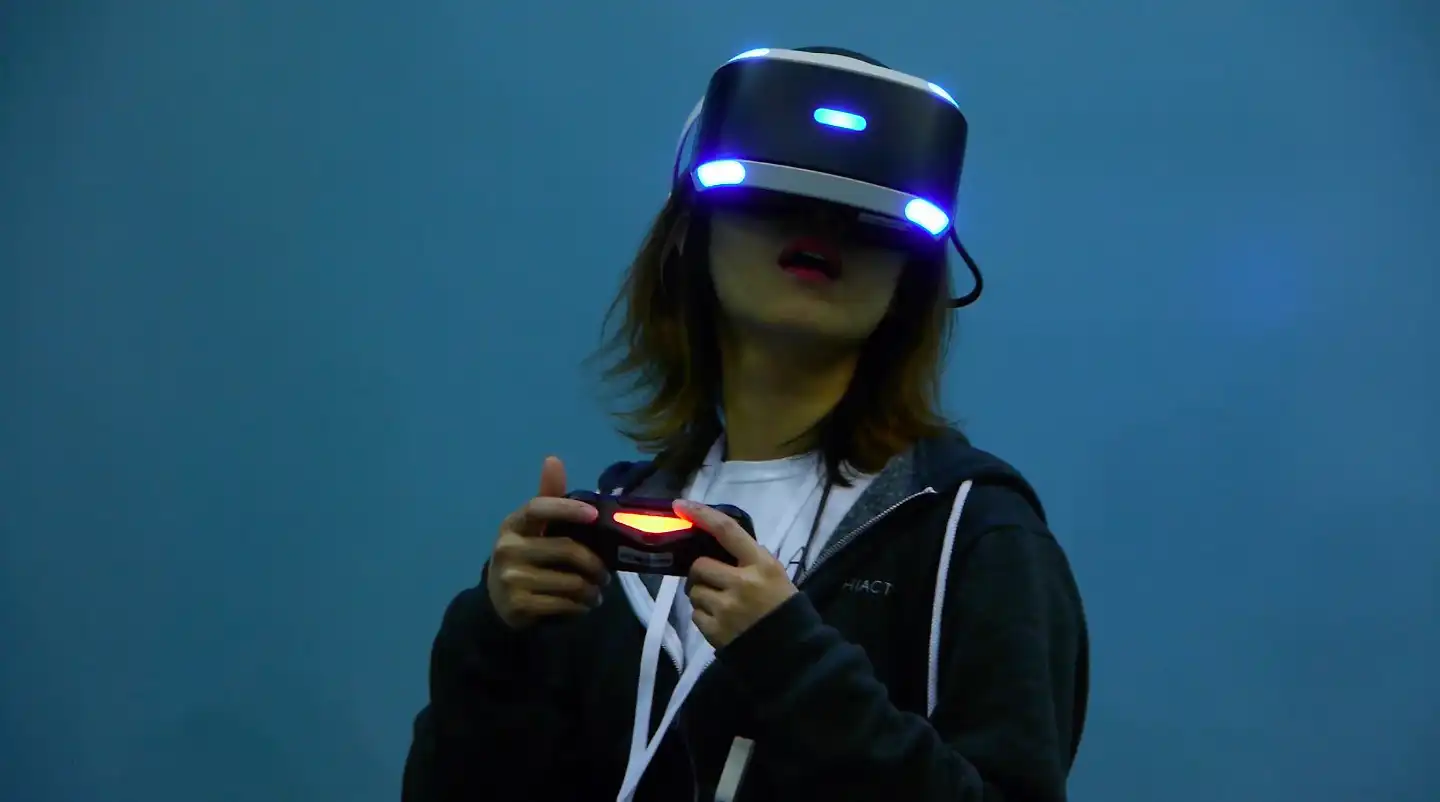
The world of VR is constantly evolving. Designers need to stay informed about the latest tools and trends. This includes new software, hardware advancements, and user preferences. Being proactive in learning ensures they can create cutting-edge experiences. Are you ready to dive into the ever-changing landscape of VR design? The role of a VR designer is dynamic and multifaceted. They are always learning and adapting, striving to create experiences that captivate and engage. If you have an eye for design and a passion for technology, this might be the career for you.
Credit: www.vanas.us
Skills Required
Virtual reality designers need a unique set of skills. These skills blend technology with creativity. Mastering these skills opens a world of possibilities. Let’s explore the key skills required for a virtual reality designer.
Technical Expertise
Understanding software and hardware is crucial. Virtual reality designers use tools like Unity or Unreal Engine. These platforms help create immersive experiences. Knowledge of 3D modeling software is also essential. Tools like Blender or Maya are common in this field. They help create realistic virtual worlds. Coding skills are important too. Basic programming enhances project outcomes.
Creative Vision
Designers need a strong sense of imagination. They create engaging and interactive environments. A creative vision helps bring ideas to life. Storytelling is also a part of this skill set. It guides users through immersive experiences. Designers must think outside the box. This ensures experiences are unique and captivating.
Problem-solving Skills
Challenges often arise in virtual reality design. Designers need strong problem-solving abilities. They identify issues and find effective solutions. This skill ensures a smooth user experience. Analytical thinking is crucial here. It helps in troubleshooting and refining projects. Problem-solving leads to innovative design solutions.
Tools And Software
Virtual reality designers create immersive experiences using digital tools and software. They develop interactive environments and 3D models for users. Their work enhances gaming, education, and simulations.
Virtual reality designers are the architects of immersive experiences, crafting worlds where users can explore and interact. To bring these virtual realms to life, designers rely on a suite of powerful tools and software. These tools are the backbone of their creative process, enabling them to shape, refine, and perfect every detail. Whether it’s sculpting intricate 3D models or deploying experiences across VR platforms, the right software makes all the difference. Are you curious about what goes into creating these captivating environments? Let’s dive into the essential tools that virtual reality designers use every day.
3d Modeling Software
3D modeling software is the canvas for virtual reality designers. They use it to create detailed, lifelike models that populate virtual worlds. Programs like Blender and Autodesk Maya are popular choices. These tools offer powerful features for sculpting, texturing, and animating 3D objects. Imagine you’re building a virtual city. You’d start by designing buildings, roads, and landscapes using these tools. The software lets you tweak every aspect—from the curve of a road to the texture of a brick wall. This level of detail makes the virtual environment believable and engaging. Have you ever wondered how designers make these worlds feel so real? It’s all about precision and creativity. Each tool offers unique capabilities, allowing designers to push the boundaries of what’s possible in virtual reality.
Virtual Reality Platforms
Once the 3D models are ready, designers turn their attention to virtual reality platforms. These platforms are where the magic happens, transforming static models into interactive experiences. Oculus Rift and HTC Vive are among the top platforms used by designers. These platforms provide the necessary infrastructure for VR experiences, including motion tracking and user interaction. Designers must ensure their creations are compatible with these systems, optimizing for performance and user immersion. Imagine wearing a VR headset and stepping into a virtual forest. As you walk around, the system tracks your movements, allowing you to interact with the environment. Designers must carefully calibrate these interactions to make them seamless and intuitive. Choosing the right platform is crucial. It influences how users experience the virtual world. Would you prefer a platform that offers more mobility or one with superior graphics? Designers weigh these factors to deliver the most engaging experience possible. In your journey through virtual reality, remember the creativity and technical expertise that goes into every detail. What would you create if you had these powerful tools at your fingertips?
Credit: blog.prototypr.io
Design Process
Virtual reality designers transform imaginative concepts into interactive experiences. The design process is crucial for crafting engaging virtual worlds. It involves several key stages. Each stage plays a vital role in ensuring user satisfaction. Let’s delve into these stages below.
Concept Development
The design journey begins with concept development. Designers brainstorm creative ideas to engage users. They sketch initial designs and visualize environments. They consider user needs and preferences. This stage sets the foundation for the entire project.
Prototype Creation
Prototyping is the next essential step. Designers create a basic version of the virtual reality experience. This prototype helps in identifying design flaws early. It allows for adjustments before the final product. Prototypes provide a glimpse into the future experience.
User Testing
User testing ensures the design meets expectations. Real users interact with the prototype. Feedback is gathered to improve the experience. Designers refine elements based on user responses. This stage is crucial for enhancing usability and enjoyment.
Collaboration With Teams
Virtual Reality Designers create immersive worlds using digital tools. They collaborate with teams to design engaging experiences. Their role involves crafting interactive elements and visual details to captivate users.
In the dynamic world of virtual reality (VR) design, collaboration is key. Virtual reality designers work alongside various teams to create immersive experiences that captivate users. This teamwork involves a synergy of skills and ideas, ensuring that the final product is both innovative and functional. How do these collaborations shape the role of a VR designer?
Working With Developers
Virtual reality designers often collaborate closely with developers to bring their visions to life. Developers have the technical expertise to transform creative ideas into functioning virtual environments. Together, they discuss design feasibility, tweak mechanics, and ensure that the interactive elements work seamlessly. Having a shared understanding of the project goals is crucial. Regular meetings and updates help align the design and development processes. Have you ever noticed how a slight delay in communication can lead to a mismatch in expectations?
Partnership With Artists
The partnership between virtual reality designers and artists is a blend of creativity and precision. Artists contribute their expertise in visual aesthetics, creating textures, models, and animations that enhance the virtual world. This collaboration results in visually stunning and engaging environments. Clear communication is vital to ensure that the artistic vision aligns with the overall design. Sharing concepts and mood boards can be an effective way to keep everyone on the same page. How do you think a consistent art style impacts the user’s experience in VR?
Feedback And Iteration
Feedback and iteration are integral to the design process in VR. Virtual reality designers receive input from various team members, including testers and users, to refine the experience. This feedback loop helps identify areas for improvement and ensures a high-quality final product. Iteration involves making changes based on feedback and testing these changes in real time. This process can be challenging but is essential for delivering a polished VR experience. Have you ever considered how user feedback can transform a project’s direction? In conclusion, collaboration is at the heart of what a virtual reality designer does. Working with diverse teams not only enhances the design process but also enriches the final product. By fostering strong partnerships and embracing feedback, VR designers can create truly immersive experiences that captivate and engage users.
Challenges Faced
Designing virtual reality experiences presents several challenges. Technical limitations often hinder creativity, while ensuring user comfort requires careful consideration. Balancing realism with artistic vision demands skill and precision.
In the world of virtual reality design, challenges are part of the journey. Designers face hurdles that require creativity and technical skill. These challenges can affect the quality and user experience of VR applications.
Technical Limitations
Virtual reality designers often grapple with hardware constraints. VR devices may not support complex graphics or high resolution. This affects the realism of the virtual environment. Designers must balance quality with system capabilities. They need to optimize graphics without losing detail. Another technical challenge is latency. Slow response times can disrupt immersion. Designers work to minimize delays in interactions. This requires precise coding and testing. Compatibility issues also pose problems. Different devices may need varied approaches. Designers often create flexible solutions for multiple platforms.
User Experience Issues
Creating an engaging user experience is vital. Designers face the challenge of intuitive navigation. Users must feel comfortable exploring the virtual space. Complicated controls can lead to frustration. Designers aim for simplicity without sacrificing functionality. Motion sickness is another concern. Some users experience discomfort in VR environments. Designers must find ways to reduce this effect. Adjustments to movement and visuals can help. Ensuring a smooth experience is crucial. Designers also tackle the challenge of engagement. Keeping users interested requires creativity. Interactive elements and storytelling enhance immersion. These elements must align with user expectations. Feedback and testing help refine the experience.
Future Of Virtual Reality Design
Virtual Reality Designers create immersive experiences, crafting 3D environments and interactive elements. They focus on user engagement and realistic visuals. Their work involves technical skills in software and creative design, aiming to transport users to new digital worlds.
The future of virtual reality design is incredibly exciting, with rapid advancements and innovations shaping the way we experience digital worlds. As technology continues to evolve, virtual reality designers are tasked with creating immersive environments that captivate and engage users like never before. With emerging technologies and industry trends constantly pushing boundaries, it’s important to understand what lies ahead for VR design.
Emerging Technologies
Virtual reality designers are constantly exploring new technologies to enhance user experiences. Augmented reality (AR) is one such technology that is gaining traction. Imagine blending the physical and virtual worlds seamlessly—this is the future with AR. Machine learning and AI are also transforming VR design. These technologies allow for more adaptive and personalized experiences. Consider a VR game that learns your preferences and adjusts challenges accordingly. How might this change the way you interact with virtual worlds?
Industry Trends
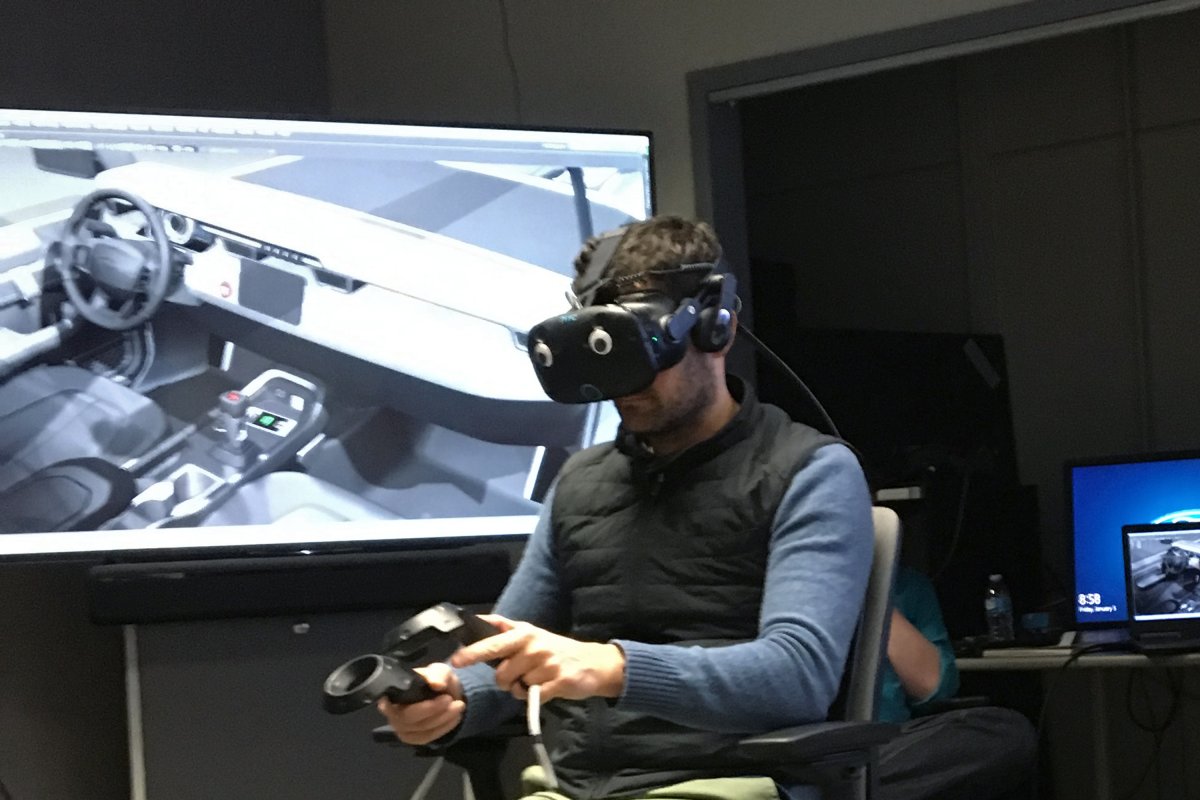
The VR industry is buzzing with trends that shape how designers approach their craft. Cross-platform compatibility is a growing trend, allowing users to access VR content on various devices without barriers. As a designer, adapting your work to different platforms can expand your audience and enhance accessibility. Social interaction within VR environments is another trend to watch. Virtual reality isn’t just solitary anymore; it’s becoming a social experience where users can collaborate and connect. Imagine attending a concert with friends in a virtual space, sharing the thrill together. How can this trend redefine social engagement in virtual worlds? The future of virtual reality design is full of possibilities. As a VR designer, staying ahead of emerging technologies and industry trends can ensure you create compelling and innovative experiences that resonate with users. What new worlds will you create?
Credit: www.newsweek.com
Frequently Asked Questions
What Do Virtual Reality Designers Do?
Virtual reality designers create immersive 3D environments for games, simulations, and experiences. They focus on user interaction, visual design, and technical aspects to enhance realism. Designers collaborate with developers to ensure seamless functionality and engaging user experiences. Their work bridges creativity and technology, shaping how users perceive virtual spaces.
How Much Do Vr Designers Make?
VR designers typically earn between $60,000 and $100,000 annually. Salaries vary based on experience and location. Entry-level positions might start lower, while experienced designers can earn more. Major tech hubs often offer higher pay. Freelancers can set their rates, impacting annual income.
What Do You Need To Be A Virtual Reality Designer?
A virtual reality designer needs skills in 3D modeling, programming, UX design, and VR software proficiency. Creativity and problem-solving abilities are crucial. Understanding VR hardware and platforms enhances effectiveness.
What Is Vr Developer Salary?
A VR developer’s salary ranges from $60,000 to $120,000 annually. Experience and location influence pay. High-demand areas often offer higher salaries. Entry-level positions may start lower, while senior roles can exceed this range. Companies in tech hubs like San Francisco or New York typically offer competitive salaries.
Conclusion
Virtual reality designers create immersive worlds for users. They combine art and technology. Their work transforms digital spaces into lifelike experiences. Designers need strong creative skills. They also need technical knowledge. Collaboration is key in this field. Designers often work with developers and artists.
This teamwork brings ideas to life. Virtual reality design offers exciting career opportunities. As technology advances, demand will grow. This field is ideal for creative tech enthusiasts. Ready to explore virtual worlds?