
Imagine transforming your living room into a vibrant cinema, where every movie scene comes alive, and every soundtrack resonates with depth and clarity. This can be your reality with a home theater system.
But what exactly is a home theater system? As you delve into this article, you’ll uncover the magic behind these systems and why they are essential for anyone passionate about entertainment. Whether you’re looking to enhance your movie nights or simply curious about the technology, understanding the core components and benefits of a home theater system can revolutionize your viewing experience.
Ready to explore how you can elevate your home entertainment to the next level? Let’s dive in and discover what makes a home theater system a must-have in today’s world.
Home Theater System Basics
Home theater systems bring the cinema experience to your living room. Imagine watching movies with amazing sound and picture quality. That’s the magic of a home theater. It’s not just about watching a movie. It’s about feeling every sound and seeing every detail. Let’s dive into the basics of setting up your home theater system.
Components Of A Home Theater
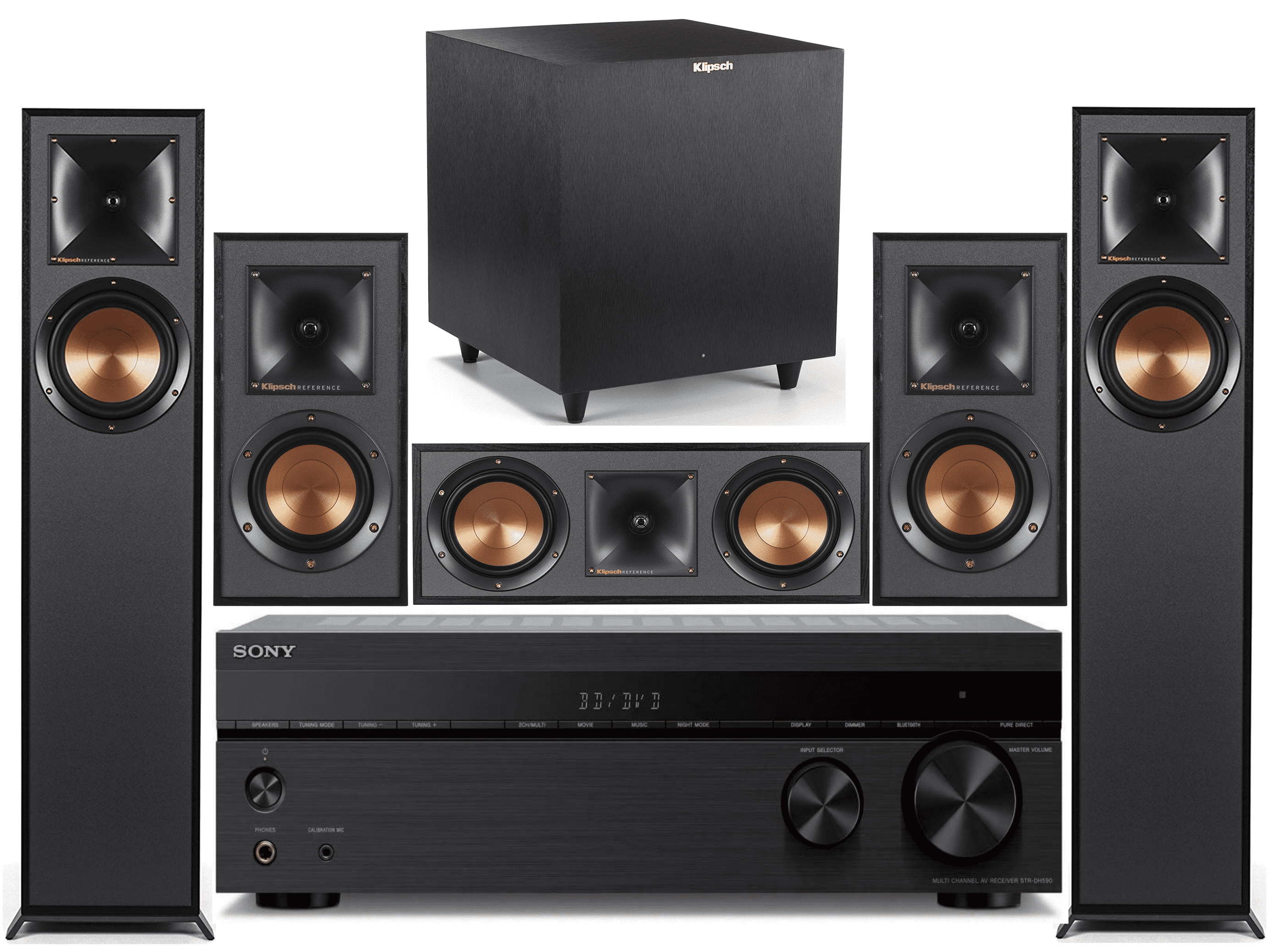
A home theater system has several key components. The first is the television or projector. This displays the video. Next, speakers deliver the audio. Most systems include a set of surround sound speakers. A receiver connects all these components. It controls audio and video inputs. Some setups include a Blu-ray or DVD player. Streaming devices are also popular. Each piece plays a vital role.
Purpose And Benefits
The purpose of a home theater is simple. Create an immersive viewing experience. It transforms regular TV watching into a cinematic event. Enjoy clearer sound and sharper images. Feel like you’re part of the action. A home theater also makes watching sports thrilling. Hear the crowd and players clearly. This system is great for family movie nights. It enhances video games too. Experience vibrant graphics and realistic sounds. It turns your home into an entertainment hub.
Essential Audio Equipment
Investing in a home theater system can transform your living space. Essential audio equipment plays a crucial role in the experience. Quality sound enhances the realism and emotion of movies and music. Choosing the right components is key to achieving immersive audio.
Speakers Types And Placement
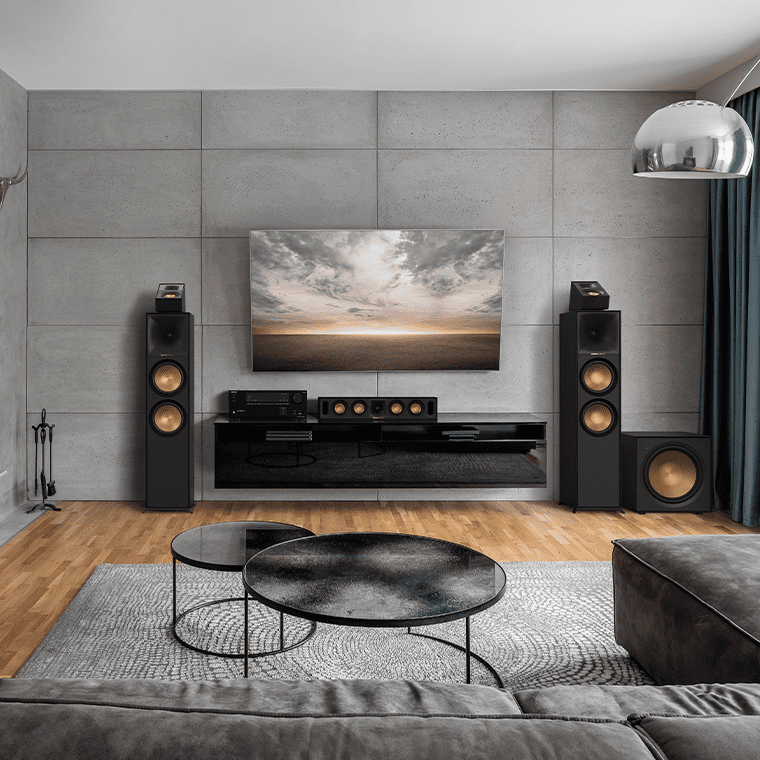
Speakers are the core of any audio setup. They deliver dialogue and music with clarity. There are different types like floor-standing, bookshelf, and in-wall speakers. Floor-standing speakers are large and powerful. Bookshelf speakers are compact and versatile. In-wall speakers blend seamlessly with decor. Proper placement affects sound quality. Place speakers at ear level for better audio. Use angled positions to optimize sound direction.
Subwoofers For Deep Bass
Subwoofers add depth to your audio experience. They produce rich bass that standard speakers can’t. Bass enhances the impact of action scenes and musical scores. Subwoofers come in various sizes and designs. A larger subwoofer delivers deeper bass. Smaller ones fit better in tight spaces. Position subwoofers strategically for best sound. Corners can amplify bass response effectively.
Visual Enhancements
Visual enhancements transform the home theater experience, making it immersive. From vivid colors to sharp details, a quality display is essential. Choosing the right visual equipment can make a significant difference. Understanding the options helps in creating a captivating setup.
Television Vs. Projector
Televisions offer bright displays and are easy to set up. They are perfect for smaller spaces with limited lighting control. Projectors, though, provide a cinematic feel. They work best in larger rooms. Projectors need a dark environment to shine. Both options have their unique advantages.
Screen Size And Resolution
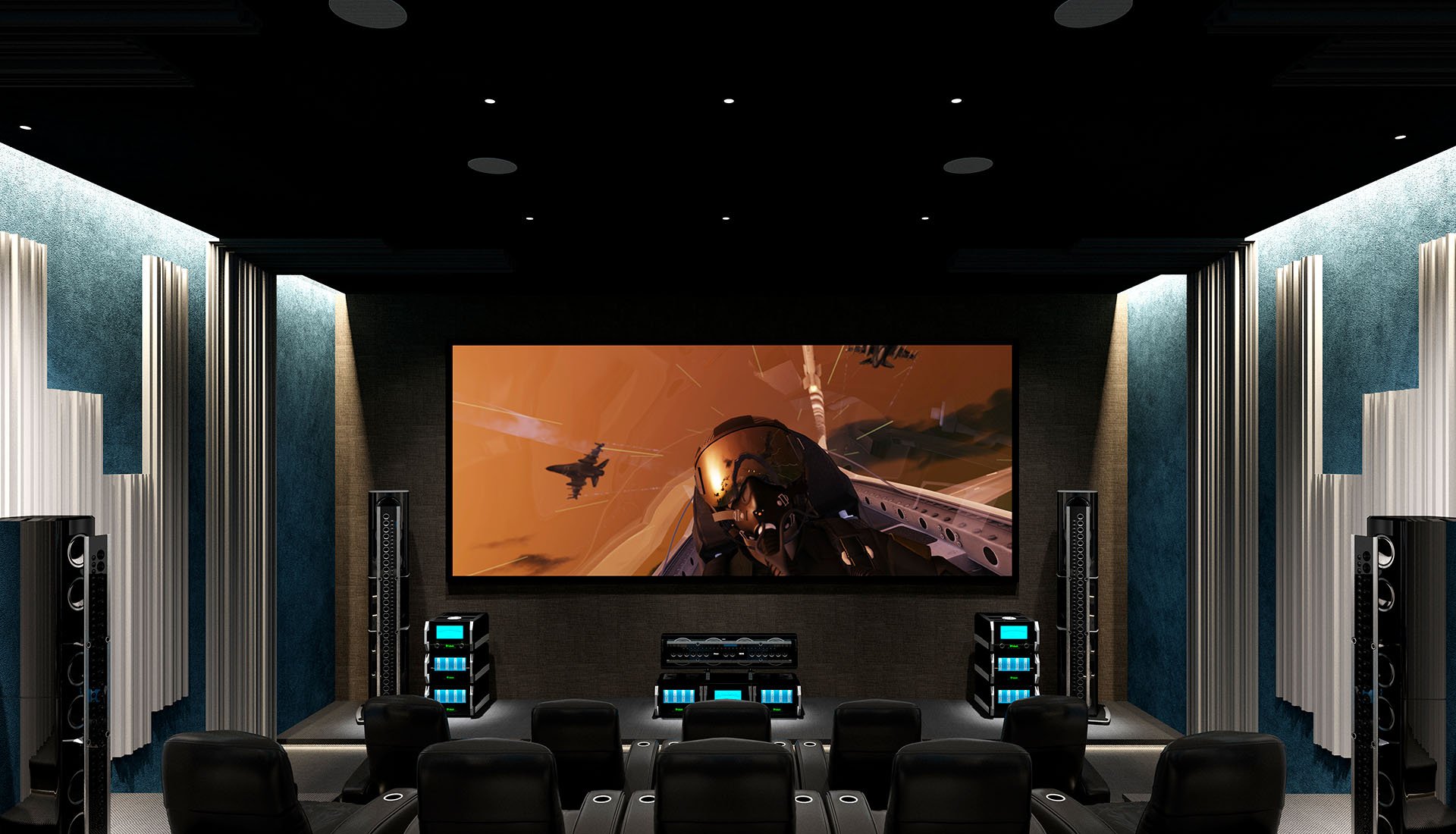
Screen size impacts the viewing experience significantly. Larger screens are great for group watching. High resolution provides crisp images. Aim for at least Full HD for clear visuals. Ultra HD offers even more detail. Choose based on room size and seating distance. Consider upgrading if clarity matters to you.
Credit: www.mcintoshlabs.com
Surround Sound Formats
Surround sound formats are the magic behind transforming your living room into a cinematic experience. They take the audio from your favorite movies or games and make it feel like you’re right in the middle of the action. Ever wondered why some movie scenes give you goosebumps? It’s often thanks to these advanced sound technologies. Let’s dive into some of the most popular surround sound formats.
Dolby Atmos Explained
Dolby Atmos is like adding a new dimension to your audio. Unlike traditional surround sound, which is limited to channels, Dolby Atmos places sounds in a 3D space. Imagine a plane flying overhead or rain falling all around you. That’s the Dolby Atmos effect.
It’s not just about more speakers. It’s about creating a soundscape that feels natural and immersive. With Dolby Atmos-enabled systems, sound moves around you in a three-dimensional space. It’s like your living room becomes a part of the movie set.
Have you ever watched a movie and felt like you could hear every whisper or rustle of leaves? That’s the precision of Dolby Atmos. It’s a game-changer for movie lovers and gamers alike.
Dts:x And Other Formats
DTS:X is another powerful sound format that competes with Dolby Atmos. It also offers a 3D experience but allows more flexibility in speaker placement. You don’t need a specific setup to enjoy the full effect.
This format adapts to your speaker configuration, making it user-friendly. Whether you have a basic setup or a high-end system, DTS:X ensures optimal sound quality. It’s like having a personal sound engineer customizing your audio experience.
Other formats like Auro-3D and Sony’s 360 Reality Audio offer unique features too. Each has its strengths, catering to different preferences and setups. But which one is right for you?
Consider your space, budget, and what you enjoy most in audio. Do you want a simple setup or a full-blown theater experience? The choice can significantly enhance how you enjoy entertainment at home.
Setting Up Your Home Theater
Creating the perfect home theater is an exciting journey. Setting it up requires some planning to ensure the best experience. Think about the sound, the layout, and the connections. It’s all about making the most of your space and equipment.
Room Acoustics And Layout
Start with the room’s acoustics. Soft materials like carpets and curtains absorb sound. This helps reduce echoes. Arrange seating to face the screen directly. Ensure everyone can see and hear clearly. Avoid placing speakers near walls. It can distort sound quality.
Consider the room’s layout. A rectangular room works best for sound distribution. Place the screen at eye level for comfort. Use dark colors to reduce light reflection. This improves the viewing experience.
Wiring And Connectivity
Organize wiring carefully. Use cable ties to keep them neat. Label each wire to avoid confusion. Ensure all devices connect properly. HDMI cables provide the best picture quality. Check for secure connections regularly. Loose wires can affect performance.
Think about future upgrades. Use a universal remote for convenience. It can control all devices easily. Test your setup before inviting guests. Make adjustments as needed for the best experience.
Credit: www.worldwidestereo.com
Advanced Features
Home theater systems have evolved with advanced features. These features make your entertainment experience richer and more immersive. They offer convenience and flexibility. Whether you love movies or music, these features enhance your setup. Let’s explore some of these exciting advancements.
Smart Home Integration
Modern home theaters connect with smart home systems. This integration allows seamless control. You can adjust volume or switch inputs with voice commands. Sync your theater with smart lights. Enjoy dynamic lighting changes during movies. Connect with devices like Amazon Alexa or Google Assistant. Make your home theater part of your smart ecosystem.
Wireless And Bluetooth Options
Say goodbye to tangled wires. Wireless options offer clean setups. Bluetooth connectivity simplifies streaming. Play music from your phone or tablet effortlessly. Many systems support Wi-Fi connections. Stream from online services without extra devices. Wireless speakers provide flexibility. Place them anywhere in your room without hassle. Enjoy rich sound without the clutter.
Troubleshooting Common Issues
Experiencing sound issues in your home theater? Check speaker connections and settings. Picture problems? Adjust display settings or check cables. For system glitches, restart or update the software. Simple fixes can often solve common issues in home theater systems. Keep your entertainment seamless and enjoyable.
Troubleshooting common issues in your home theater system can feel like solving a mystery. Whether it’s a sudden drop in sound quality or unexpected visual glitches, these problems can disrupt your movie night or gaming session. But don’t worry—most issues have simple solutions. Let’s dive into some common problems and how you can fix them.
Sound Quality Problems
Poor sound quality can ruin the immersive experience of your home theater. If you’re experiencing muffled audio, first check your speaker connections. Loose wires can easily cause distortion or loss of sound. Sometimes, the issue lies in the audio settings. If your system supports different sound modes, ensure that the correct mode is selected for your content. For example, a movie might need a surround sound setting while a music album plays better in stereo. Have you considered the room’s acoustics? Hard surfaces can cause echoes, which might be why your sound seems off. Adding rugs or curtains can help absorb excess sound, enhancing clarity.
Visual Disturbances
Is your screen flickering or displaying strange colors? This might be due to a loose HDMI connection. Secure all cables properly and see if the issue persists. Your TV’s settings could also be the culprit. If you’re noticing strange colors or a washed-out screen, check your picture settings. Adjusting the brightness, contrast, or color settings might solve the issue. Sometimes, the problem is external. Nearby electronic devices can interfere with your display. Try turning off other gadgets to see if it improves your picture quality. Have you ever faced these challenges? If so, what solutions worked for you? Your insights could help others in the same situation. Remember, a smooth-running home theater system elevates your entertainment experience—so it’s worth the effort to get it right.
Credit: www.walmart.com
Budget Considerations
Budget plays a crucial role in setting up a home theater system. It’s essential to know where your money is going. Deciding on a budget helps in narrowing down options. Understanding different cost levels ensures a satisfying purchase.
Cost-effective Solutions
A tight budget doesn’t mean low quality. Many affordable home theater systems deliver excellent sound and visuals. Consider soundbars paired with subwoofers for a rich audio experience. Streaming devices offer a wide range of content without breaking the bank. Look for brands known for reliability and affordability.
High-end Upgrades
For those who can spend more, high-end options abound. These systems provide superior audio and video quality. Invest in advanced surround sound speakers. They offer an immersive movie experience. Ultra HD projectors enhance visual clarity. Consider smart home integration for added convenience. Premium brands often come with extended warranties and support.
Future Of Home Theater Technology
The home theater system is evolving at a rapid pace. New technologies promise an immersive experience unlike anything before. The future of home theater technology is bright. With advancements in sound and visual technologies, your living room can feel like a cinema.
Innovations In Sound
Sound technology has seen major advancements. Surround sound systems offer richer and deeper audio experiences. Dolby Atmos is a popular technology that creates 3D soundscapes. You hear every detail from all directions. Soundbars are becoming smarter. They adapt to room acoustics for optimal sound. Wireless systems eliminate clutter. You can place speakers where you want without cables.
Emerging Visual Technologies
Visual technologies are transforming home theaters. 8K resolution is now available for sharper images. Screens offer incredible detail and clarity. OLED and QLED technologies provide vivid colors and deep blacks. Projectors are getting smaller and more powerful. You can have a cinematic experience at home. 3D technology is also improving. Glasses-free 3D screens are being developed. This makes watching movies more immersive.
Frequently Asked Questions
What Is A Home Theater System?
A home theater system is an entertainment setup that combines audio and video equipment to mimic a cinema experience at home. It typically includes a TV or projector, surround sound speakers, a receiver, and media players. This system enhances movie and music enjoyment by providing immersive sound and high-quality visuals.
What’s The Difference Between Speaker And Home Theatre?
A speaker is a standalone audio device, while a home theatre includes multiple speakers for a surround sound experience. Speakers provide basic audio output, while home theatres enhance movie and music experiences with immersive sound. Home theatres typically consist of subwoofers, satellite speakers, and amplifiers for richer audio.
What Is Needed For A Home Theater Sound System?
A home theater sound system requires a receiver, speakers, subwoofer, and cables. Choose high-quality components for optimal sound. Ensure compatibility with your media devices. Proper speaker placement enhances audio experience. Consider room acoustics and size for best results.
What’s The Difference Between A Soundbar And A Home Theater System?
A soundbar is a compact speaker system, ideal for small spaces. A home theater offers immersive surround sound with multiple speakers. Soundbars are easier to install, while home theaters provide a cinematic experience. Soundbars are cost-effective, while home theaters are more expensive and complex.
Choose based on space and budget.
Conclusion
Home theater systems offer a rich, immersive entertainment experience. They bring cinema-like quality to your living room. Sound and picture unite for a captivating atmosphere. Choose components wisely for the best setup. Consider speakers, screens, and soundbars. Explore options that match your space and needs.
Installation can be straightforward or complex. Invest time in understanding features and compatibility. Enjoy movies, music, and games like never before. Explore different brands and prices. Remember, quality enhances enjoyment. A home theater system is a worthy addition. It transforms ordinary moments into extraordinary experiences.
Happy watching!