
Imagine sitting in your living room, feeling the thunderous roar of a jet flying overhead or the subtle rustling of leaves in a gentle breeze. This isn’t just any movie night—it’s an experience.
You crave more than just watching; you want to feel every beat, every sound, as if you were in the scene itself. But how do you achieve this immersive experience? If you’re seeking the ultimate in audio excitement, you’ve probably wondered, “What is the loudest home theater system?
” This question is more than just about volume—it’s about transforming your home into a sonic paradise. We will dive into the world of sound systems that promise not just to be heard, but to be felt. We’ll explore the technologies and brands that can turn your home into a personal cinema, offering more than just noise, but a symphony of sound that captivates and enthralls. Stay with us as we unravel the secrets to achieving that perfect audio experience, ensuring your next movie night is not just watched, but lived.
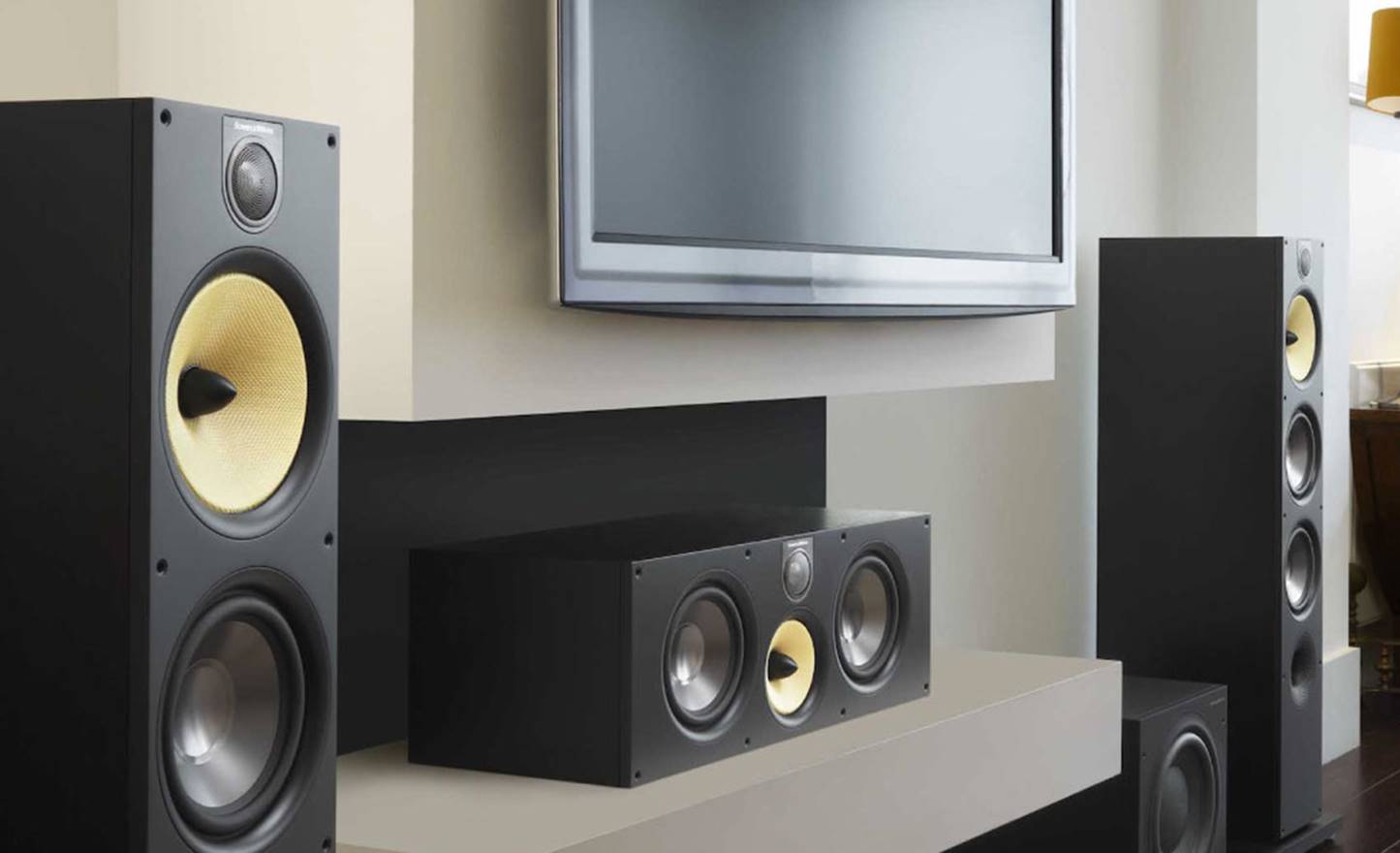
Credit: cedarhillsdentalcare.com
Understanding Sound Measurements
Understanding sound measurements is crucial when you’re on the hunt for the loudest home theater system. You might wonder, how do these systems deliver sound that shakes your walls without losing clarity? Let’s dive into the world of decibels and frequencies to make sense of it all.
Decibels Explained
Decibels (dB) measure sound intensity. Imagine sitting in a library, where whispers hover around 30 dB. In contrast, a rock concert can blast up to 120 dB. Home theater systems often promise sound levels above 100 dB. But, louder isn’t always better. Consider whether your room can handle such volume without causing discomfort or damage.
When I first set up my home theater, I cranked up the volume to feel the bass. My neighbor wasn’t thrilled. I learned to balance power and peace. Have you thought about how loud is too loud for your space?
Frequency Range Importance
Frequency range defines how a system handles low, mid, and high tones. Think of it as the range of notes a system can play. Most human hearing spans from 20 Hz to 20,000 Hz. A quality home theater should cover this range for a full sound experience. Low frequencies (bass) shake the room, while high frequencies (treble) add clarity.
When exploring systems, check if they support a wide frequency range. This ensures you hear every whisper and explosion in your favorite movies. It’s like having a front-row seat to every sound detail. Have you ever missed a crucial dialogue in a movie because of poor sound quality?
Understanding these sound measurements can significantly enhance your home theater experience. Whether you’re upgrading or setting up for the first time, focus on decibels and frequency ranges. Your ears will thank you.
Key Components Of Home Theater Systems
Creating a home theater system that delivers an electrifying experience requires understanding its key components. Each element plays a vital role in crafting the soundscape that fills your living space. Whether you’re a movie buff or a music lover, knowing these components will help you create the loudest and most immersive system possible.
Speakers And Subwoofers
Speakers are the heart of your home theater system, and their quality can make or break your experience. They are responsible for delivering clear and powerful sound. Typically, a system includes front, rear, center speakers, and subwoofers.
Have you ever noticed how a good movie soundtrack can give you goosebumps? That’s the magic of excellent speakers and subwoofers at work. Investing in high-quality speakers ensures that every dialogue, action scene, or musical note is delivered with precision.
Subwoofers, on the other hand, provide the deep bass that adds depth to your audio. They make explosions in action movies feel real, rattling your windows and shaking your floor. Look for subwoofers with large drivers for a more thunderous sound.
Amplifiers And Receivers
Amplifiers and receivers are the backbone of your sound system. An amplifier boosts the sound signal, making it loud enough to drive the speakers. Without a good amplifier, even the best speakers may sound flat.
Receivers act as the central hub of your home theater, connecting all components together. They allow you to switch between different audio and video sources effortlessly. It’s like having a conductor who ensures all instruments in an orchestra play in harmony.
When choosing a receiver, consider the number of channels you need. A 5.1 or 7.1 system can provide a more immersive experience. Do you want to feel like you’re in the middle of the action, with sounds coming from all directions? Then opt for a receiver that supports surround sound formats.
In your quest for the loudest home theater system, remember the importance of each component. They work together to create an audio experience that is not just loud but also rich and immersive. Are you ready to transform your living room into a cinematic paradise?
Top Loud Home Theater Brands
Are you ready to elevate your movie nights to a sonic experience that rivals the cinema? The right home theater system can make all the difference, especially if you’re craving that heart-thumping, room-shaking sound. But which brands stand out in the quest for loudness without sacrificing quality? Let’s dive into the top loud home theater brands that promise to transform your living room into an audio paradise.
Bose
Bose has been a household name for decades when it comes to audio equipment. Known for their sleek designs and cutting-edge technology, Bose offers home theater systems that are both powerful and stylish. Picture this: you’re watching an action-packed movie, and the sound of explosions feels like it’s happening right in your living room. That’s the Bose experience.
Their systems often feature advanced technologies like waveguide speaker technology, which enhances sound quality. If you’re serious about sound, Bose is a brand that delivers loudness with clarity, ensuring every note is crisp and vibrant.
Sony
Sony is synonymous with innovation and quality in the tech world. Their home theater systems are no different. With options ranging from compact soundbars to elaborate surround sound setups, Sony caters to every audiophile’s need for loud sound. Imagine a concert at home, where you can feel the rhythm in your bones.
Sony’s systems often come equipped with features like 3D surround sound and Dolby Atmos, providing an immersive audio experience. If you’ve ever wondered what it feels like to be surrounded by sound from every angle, Sony’s systems are worth considering.
Klipsch
Klipsch is renowned for producing speakers that don’t just play sound but make you feel it. Their home theater systems boast high output and low distortion, ensuring that loud doesn’t mean losing quality. Imagine hosting a party where every beat pulses through your walls, creating an electrifying atmosphere.
One standout feature of Klipsch systems is their horn-loaded technology, which increases efficiency and clarity. If you’re looking for a system that makes the most of its power, Klipsch is a go-to for many audiophiles and home theater enthusiasts.
So, which brand resonates with you? Each offers its own unique blend of loudness and quality. Whether you’re hosting a movie marathon or a music-filled gathering, choosing the right brand can make all the difference in your auditory experience. What matters most to you in a home theater system: loudness, clarity, or maybe a bit of both?

Credit: jp.pinterest.com
Factors Affecting Loudness
The loudest home theater system depends on various factors like speaker wattage, room acoustics, and audio source quality. High wattage speakers deliver powerful sound, while room acoustics enhance or diminish loudness. Audio sources with rich quality contribute significantly to the overall experience.
Factors affecting the loudness of a home theater system are crucial. They determine how immersive your audio experience will be. Understanding these factors can help achieve optimal sound levels. Let’s explore the key elements that influence loudness.
Room Acoustics
Room acoustics play a significant role in sound quality. The size and shape of your room affect audio reflection. Hard surfaces like walls and floors can cause echoes. Soft furnishings can absorb sound, reducing loudness. Using curtains and carpets can enhance sound clarity. Consider the room’s layout for better acoustics.
Speaker Placement
Speaker placement is vital for achieving desired loudness. Incorrect placement can muffle sound quality. Position speakers at ear level for optimal sound. Avoid placing speakers in corners to reduce bass distortion. Distance between speakers impacts sound distribution. Experiment with placement for the best audio experience. Proper alignment ensures balanced sound across the room.
Balancing Loudness And Sound Quality
When you think about the loudest home theater system, it’s easy to get carried away by the idea of sheer volume. But it’s not just about cranking up the decibels. The true art lies in balancing loudness with sound quality. After all, what good is thunderous sound if it’s muddled and distorted? It’s like having a sports car that looks fast but doesn’t run smoothly. You want your audio to be powerful yet crisp, each note and dialogue coming through with clarity. So, how do you achieve this balance?
Avoiding Distortion
Distortion can ruin even the loudest sound system. Imagine watching an action-packed movie and missing key dialogues because of a constant buzz. It’s frustrating, right? To avoid this, focus on the quality of your speakers. High-quality speakers have better components that minimize distortion, even at higher volumes.
Consider adjusting your speaker placement. Sometimes, distortion is a result of sound waves bouncing off walls or furniture. By repositioning your speakers, you can ensure a clearer sound path. Experiment with different placements and test which provides the clearest output at high volumes.
Optimizing Audio Settings
Fine-tuning your audio settings can make a world of difference. Have you ever fiddled with the settings and suddenly, the sound became richer and more balanced? Start with the equalizer settings. Adjust the bass, midrange, and treble to suit your preference and the acoustics of your room.
Utilize any built-in sound enhancement features your system might have. Many systems come with presets for movies, music, and gaming. These can automatically adjust the settings to optimize sound quality. Explore these features and see which works best for your setup.
Don’t forget about the volume limit. While it’s tempting to max out the volume, sometimes less is more. Setting a reasonable volume cap can prevent your system from overloading and distorting. Ask yourself: is louder always better, or is it the clarity that truly enhances your home theater experience?
Installation Tips For Maximum Loudness
Achieving maximum loudness in your home theater system involves smart installation. Proper setup ensures that every sound detail is vibrant. The right techniques can enhance your audio experience. Here are some practical tips to guide you.
Positioning Techniques
Speakers should face the listener directly for optimal sound. Place them at ear level when seated. Keep them at equal distance from each other. Avoid placing speakers in corners to prevent echo. Use stands or mounts for floor speakers. This helps in reducing vibrations.
Subwoofers perform best near walls for deeper bass. Experiment with placement to find the sweet spot. Move them around until you find the perfect spot. Remember, the room layout affects sound distribution. Adjust positions based on room size and shape.
Cabling Considerations
Use high-quality cables for better sound clarity. Ensure cables are not too long. Excess length can cause signal loss. Keep cables organized and untangled. Avoid running cables parallel to power cords. This reduces interference and noise.
Secure connections are crucial for maintaining sound quality. Check all connections are tight and firm. Loose cables can result in sound dropouts. Label cables for easy identification and troubleshooting. Regularly inspect cables for wear and tear. Replace damaged cables promptly.
Safety Considerations
Exploring the loudest home theater systems can be thrilling. Yet, it is crucial to prioritize safety. Excessive sound levels can harm hearing and disturb your peace. To ensure a safe experience, consider key safety aspects.
Hearing Protection
High decibel levels can damage hearing over time. Always use ear protection when testing sound limits. Earplugs or headphones can reduce exposure to loud sounds. Ensure all family members are aware of sound safety practices.
Volume Control Strategies
Managing volume is essential to avoid hearing damage. Set maximum volume levels on your system. Use remote controls to adjust sound easily. Test different sound levels during the day. Avoid sudden increases in volume. Consider installing a sound limiter to keep volume within safe limits.

Credit: www.youtube.com
Future Trends In Home Theater Systems
Exploring the future of home theater systems, one wonders about the loudest options available. Advanced speaker technology enhances sound immersion, making movie nights captivating. Discover systems with high wattage and powerful bass for an unforgettable audio experience.
As technology evolves, home theater systems are becoming more advanced, offering an immersive experience that rivals the cinema. The future of home theater systems is not just about louder sound; it’s about creating a seamless, integrated experience that fits perfectly into your lifestyle. From wireless technology to smart home integration, these trends are transforming how you enjoy entertainment at home.
Wireless Technology
Imagine eliminating the clutter of tangled cables behind your entertainment unit. Wireless technology is making that dream a reality. With the rise of Bluetooth and Wi-Fi-enabled speakers, you can enjoy a clean, organized setup without sacrificing sound quality. Manufacturers are focusing on delivering high-fidelity audio without the need for wires. This not only simplifies installation but also enhances flexibility in speaker placement. You can easily place speakers around your room to create the perfect soundstage. The convenience of wireless technology is undeniable. It allows you to control your sound system from anywhere in your home using your smartphone or tablet. Have you ever wanted to adjust the volume or change the track without getting up from your couch? Now you can.
Smart Home Integration
Smart home integration is another exciting trend in home theater systems. Imagine your sound system seamlessly working with your smart lights and thermostat. This integration creates a cohesive entertainment environment. Voice assistants like Amazon Alexa and Google Assistant are becoming central to managing your home theater. You can adjust the volume, switch inputs, or even turn off your system with a simple voice command. It’s all about making your life easier and more enjoyable. Consider the possibility of setting up automated scenes for different occasions. Movie night? Your system can dim the lights, adjust the sound, and start your favorite film with a single command. It’s not just about convenience; it’s about creating a tailored experience for you and your family. These trends are not just technical advancements; they are about enhancing your lifestyle. What features would make your home theater perfect for you?
Frequently Asked Questions
What Is The Loudest Sound System?
The loudest sound system is the Was 3000 by Wyle Laboratories. It can produce up to 165 decibels. This system is used for testing aircraft and rockets, showcasing immense power. Always ensure safety measures when operating such high-decibel sound systems.
What Is The Best Sounding Home Theater System?
The best sounding home theater systems include brands like Bose, Sonos, and Klipsch. These systems offer excellent sound quality. Consider factors like room size, speaker configuration, and budget. Personal preferences might vary, so testing different systems can be beneficial.
What Is The Best Decibel Level For Home Theater?
The best decibel level for a home theater is 70 to 80 dB. This range ensures clear audio without causing hearing damage. Adjust the volume to suit your room size and personal preference. Use a sound meter to measure and maintain optimal levels for an immersive experience.
Is The Jbl Speaker Louder Than Bose?
JBL speakers often provide higher volume levels than Bose. Sound quality varies between models and personal preferences. Check specific models for detailed comparisons. For maximum volume, JBL is frequently favored by users. Always consider room size and acoustics for optimal audio experience.
Conclusion
Choosing the loudest home theater system enhances your entertainment experience. Sound quality matters. Consider your room size and speaker placement. Bigger spaces need more power. Smaller rooms require balanced sound. Always check speaker specifications and reviews. Brands offer various features.
Compare options wisely. Invest in a system that fits your needs. Remember, loud doesn’t mean better. Prioritize clarity and depth. Enjoy your movies and music like never before. Happy listening!