
Are you curious about smart rings and wondering which finger you should wear yours on? You’re not alone.
With the rise in wearable technology, smart rings are becoming more popular than ever. These sleek devices not only track your health and fitness but also offer convenient smart features right on your hand. But here’s the catch: choosing the right finger can actually enhance your experience.
You’ll discover the best finger to wear your smart ring for comfort, style, and optimal functionality. Stay with us as we uncover the tips that could transform how you use your new tech accessory. Your perfect fit is just a few paragraphs away.
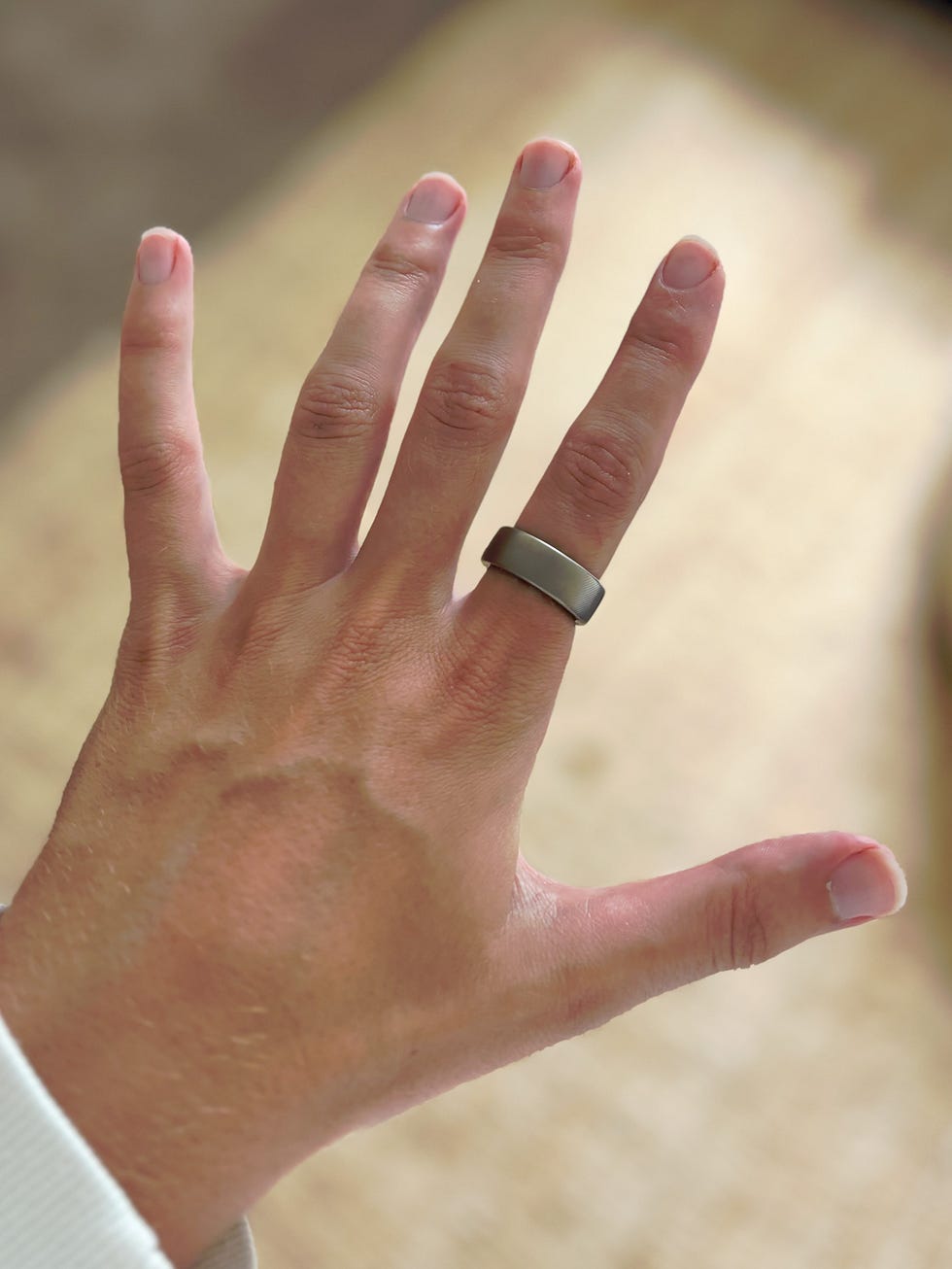
Credit: www.runnersworld.com
Choosing The Right Finger
Choosing the right finger for your smart ring impacts comfort and usability. It affects how often you notice it and how well it works with daily tasks. Picking a finger depends on your lifestyle, hand preference, and finger shape. Consider these points to find the best fit for you.
Dominant Vs Non-dominant Hand
The dominant hand is your stronger, more active hand. Wearing a smart ring on this hand may cause more wear and tear. The non-dominant hand usually moves less and faces fewer impacts. It can be better for keeping the ring safe and comfortable. Think about which hand you use more for writing, typing, or other tasks.
Comfort And Daily Activities
Comfort is key for all-day wear. The ring should not interfere with your movements. Activities like typing, cooking, or exercising matter. Some fingers may feel cramped or awkward with a ring. Choose a finger that lets your hand move naturally. Test the ring during your normal daily actions.
Finger Size And Shape
Finger size affects how well the ring fits. Measure your finger carefully before buying. The shape also matters; some fingers are wider at the base or knuckle. A good fit stops the ring from slipping or feeling tight. Try different fingers to see where the smart ring feels best and stays secure.

Credit: markellisreviews.medium.com
Smart Ring Functions And Finger Suitability
Smart rings offer various functions that affect finger choice. Choosing the right finger helps you use these features better. Comfort and accuracy depend on finger suitability. Some fingers are better for health tracking, others for gestures or notifications. Knowing the functions clarifies which finger fits best.
Health Tracking Features
Smart rings track heart rate, sleep, and activity. The index or middle finger often gives the best sensor contact. These fingers are less likely to move much, improving accuracy. The ring finger works too but may be less stable. A snug fit on these fingers ensures better data.
Notification Alerts
Smart rings vibrate to alert calls, messages, or reminders. The ring finger is common for wearing notification rings. It balances comfort and visibility without interrupting daily tasks. The pinky may feel less natural for alerts. The middle finger can distract during typing or work.
Gesture Controls
Some smart rings respond to finger gestures like taps or swipes. The index finger is best for gesture controls. It moves easily and naturally for interacting with devices. The thumb can also work but may limit some gestures. Avoid fingers that feel stiff or uncomfortable for gestures.
Sizing Tips For Smart Rings
Choosing the right size for your smart ring is key to enjoying its features comfortably and securely. A ring that’s too tight can feel restrictive, while one that’s too loose might slip off during daily activities. Paying close attention to your finger size ensures your smart ring stays in place and works effectively.
Measuring Finger Circumference
Start by measuring your finger’s circumference with a flexible measuring tape or a piece of string. Wrap it snugly around the base of the finger you want to wear the ring on. Mark where the string overlaps, then measure its length with a ruler to get the circumference.
Try measuring at different times of the day to account for natural size changes. Writing down these measurements helps you find an average size. This number is your starting point when choosing your smart ring size.
Adjusting For Temperature And Swelling
Your fingers can swell or shrink due to temperature changes, activity, or hydration levels. It’s common for fingers to be slightly larger in the afternoon or after exercise. Keep this in mind so your smart ring doesn’t become uncomfortable or too loose during these times.
Consider adding about 0.5 mm to your measurement to allow for swelling. If you live in a colder climate, remember your fingers might shrink in winter, so avoid sizing your ring too tightly. How often do you notice your fingers changing size throughout the day?
Professional Sizing Methods
Visiting a jeweler for professional sizing can give you the most accurate measurement. Jewelers use specific ring sizers that slide over your finger to find the perfect fit. This service often includes advice on which finger might be best for your smart ring based on comfort and use.
Many smart ring brands also offer sizing kits or guides to help you measure at home with precision. Use these tools to double-check your size before making a purchase. Getting this step right means you’ll avoid the hassle of returns or resizing later.
Aesthetic Considerations
Choosing which finger to wear your smart ring on involves more than just comfort or functionality. Aesthetic considerations play a key role in how the ring complements your overall look and expresses your personality. Thinking about how the ring fits with your style can make wearing it feel natural and stylish.
Matching With Other Jewelry
Consider the other rings and jewelry you usually wear. If you often wear a watch or bracelets, your smart ring should balance the look without overwhelming it.
Try placing the ring on a finger that doesn’t clash with your existing jewelry. For example, if you wear a bulky watch on your left wrist, wearing the smart ring on your right hand can keep your style balanced.
Think about metal tones too. Mixing silver and gold can work, but matching the smart ring’s metal with your other accessories often looks cleaner and more intentional.
Style And Personal Preference
Your personal style should guide where you wear the smart ring. If you prefer subtle looks, the ring might fit best on your pinky or ring finger.
Bold styles might benefit from the ring on the middle finger, where it’s more visible and makes a statement. Which finger feels most comfortable and natural to you?
Remember, comfort matters as much as style. If a finger feels awkward or the ring distracts you, it won’t become a favorite accessory.
Occasion-based Choices
Think about where you plan to wear your smart ring. For professional settings, a less conspicuous finger like the ring or pinky finger keeps things subtle.
Casual or social events allow more freedom to showcase the ring on the middle or index finger for a trendy look.
Do you want your smart ring to blend in or stand out? Adjusting the finger based on occasion helps you fit the mood and setting perfectly.
Common Mistakes To Avoid
Choosing the right finger for your smart ring is important. Many people make simple mistakes that affect comfort and device function. Avoiding these errors helps you enjoy your smart ring fully. Here are common mistakes to watch out for.
Wearing On The Wrong Finger
Each finger has a different size and shape. Wearing a smart ring on the wrong finger can cause poor fit or discomfort. Some fingers may block sensors or buttons. Pick a finger that fits well and allows easy access to the ring’s features.
Ignoring Comfort
Comfort matters more than style. A tight ring can cause pain or skin irritation. A loose ring may slip off and get lost. Test how the ring feels after wearing it for a few hours. Adjust the finger choice if it feels uncomfortable.
Neglecting Ring Maintenance
Smart rings need regular cleaning and care. Dirt and sweat can build up and affect sensors. Avoid wearing the ring during heavy exercise or showering. Clean the ring gently with a soft cloth to keep it working well.
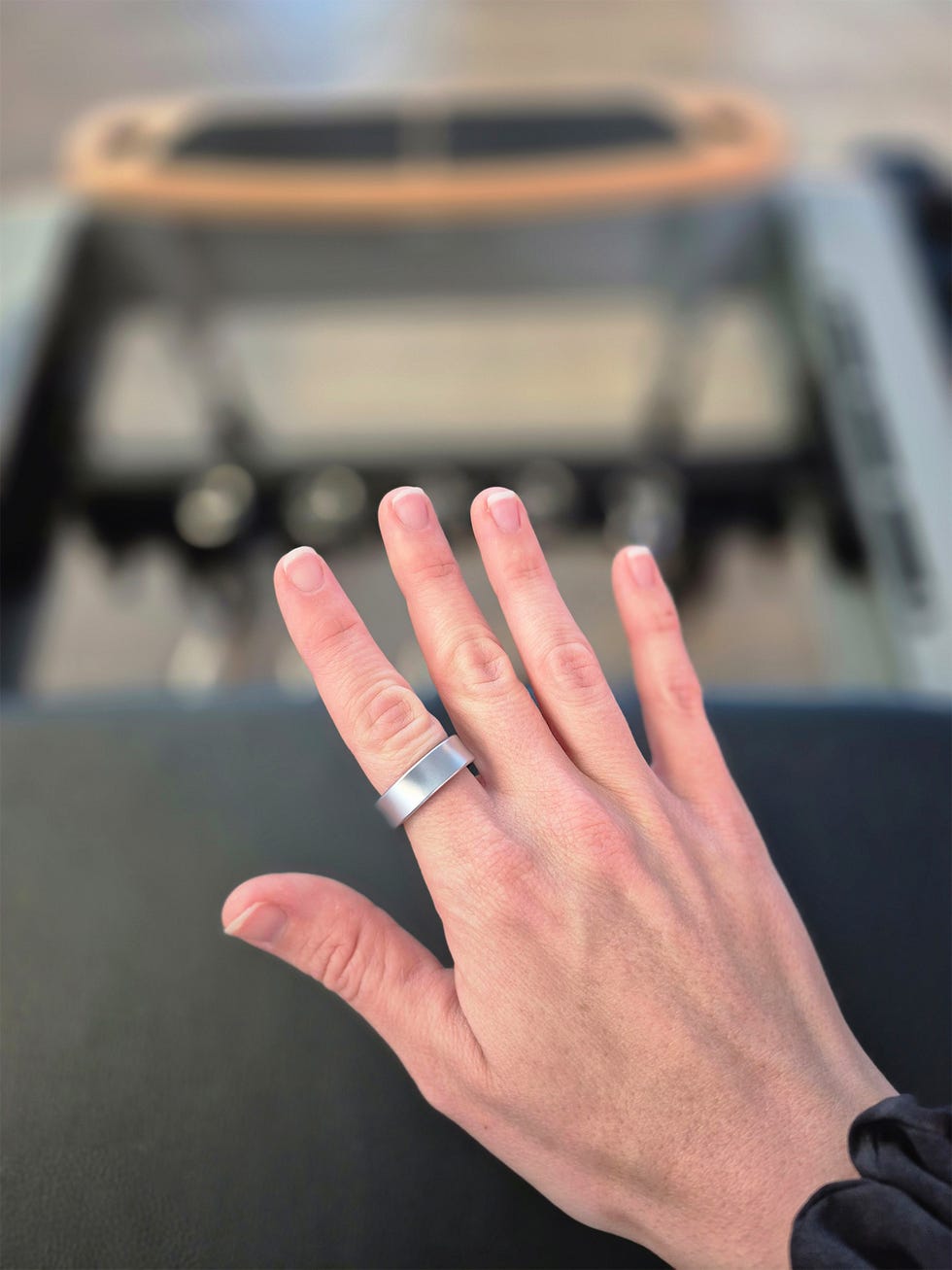
Credit: www.runnersworld.com
Tips For First-time Smart Ring Users
Starting with a smart ring can feel unusual at first. This tiny device sits on your finger and brings tech to your daily life. Here are some simple tips to help you adjust and enjoy your new gadget.
Getting Used To The Sensation
The smart ring may feel strange at first. Your finger is not used to wearing a ring with electronics. Wear it for a few hours each day to get comfortable. Choose the finger that feels best and does not disturb your movements. Remove it if it causes any irritation.
Setting Up Notifications
Smart rings usually show notifications with vibrations or lights. Customize these alerts to suit your needs. Focus on important notifications like calls and messages only. This reduces distractions and saves battery life. Use the app that comes with the ring to change settings easily.
Maximizing Battery Life
Battery life depends on use and settings. Turn off features you do not need. Lower the brightness of lights or reduce vibration strength. Charge the ring regularly but avoid overcharging. Store it in a dry place when not in use. This helps keep the battery healthy longer.
Frequently Asked Questions
Which Finger Is Best For Wearing A Smart Ring?
The best finger for a smart ring is typically the index or middle finger. These fingers provide comfort and better sensor contact. Choosing a finger depends on your daily activities and ring size for optimal fit and functionality.
Can Smart Rings Be Worn On Any Finger?
Yes, smart rings can be worn on any finger that fits comfortably. However, the index or middle finger often offers better sensor accuracy. Avoid fingers that swell frequently to maintain consistent performance and comfort.
Does Finger Choice Affect Smart Ring Accuracy?
Yes, finger choice can impact smart ring accuracy. Fingers with better blood flow, like the middle or index finger, enhance sensor readings. Wearing the ring too loose or on less suitable fingers may reduce data precision.
Is It Okay To Wear A Smart Ring On The Pinky?
Wearing a smart ring on the pinky is possible but less common. The pinky may offer less stable sensor contact and comfort. It’s best to test fit and sensor response before deciding on this finger.
Conclusion
Choosing the right finger for your smart ring affects comfort and style. Many prefer the index or middle finger for easy access. Some like the ring finger for a subtle look. Think about daily use and finger size before deciding.
The best choice fits well and feels natural. Experiment with different fingers to find your favorite spot. Wearing your smart ring should feel simple and enjoyable every day.